Skip to content
  • Cart

    Your cart is empty

    Interior Paints and Sprays

    Sort by

    MOTIP Black Semi Gloss Aerosol Spray (500ml)
    Mipa 2K Pre-Charged (PU) 400ml aerosol spray can for industrial applications with a professional finish.
    Mipa Line Marking Aerosol can with black paint for durable and vibrant surface marking.
    5 Colours Available
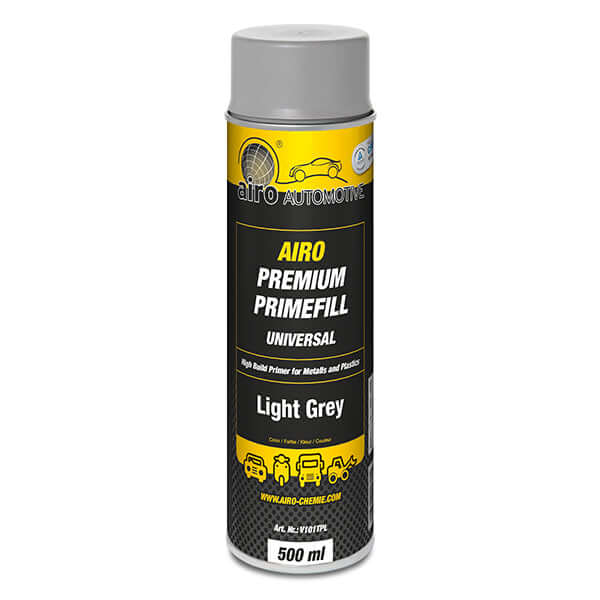
    Airo-Chemie Premium Primefill Aerosol 500ml - Light Grey spray primer for metal and plastic applications.
    3 Colours Available
    Save 44%Airo-Chemie 1K Acrylic Topcoat Aerosol (500ml)
    2 Colours Available
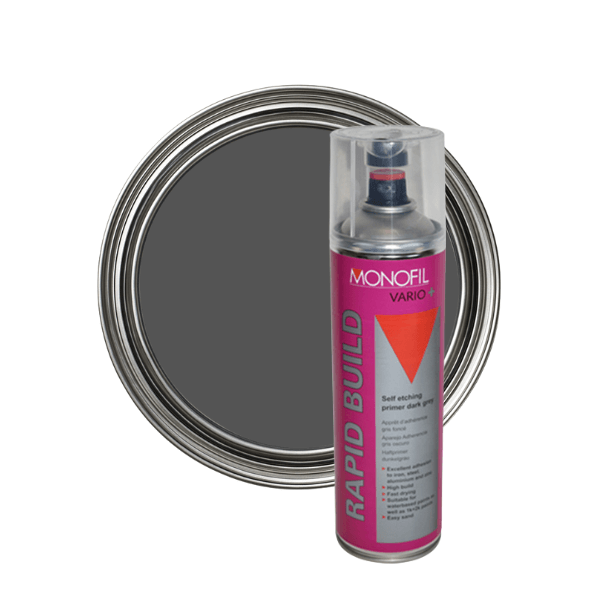
    Monofil Vario+ Rapid Build (500ML) high-performance primer filler for metal and plastic surfaces.
    3 Colours Available
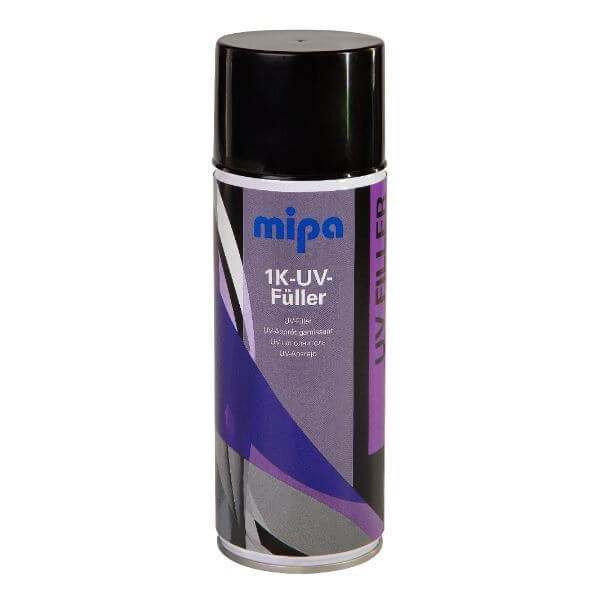
    Mipa 1K UV Filler Spray (400ML) canister for automotive refinishing and plastic surface repairs.
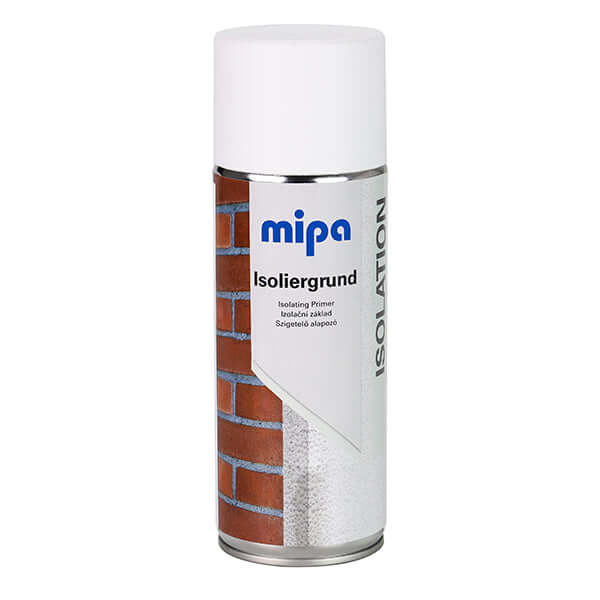
    Mipa Isolating Primer for Stains (400ml) spray can for blocking stains on walls and ceilings.
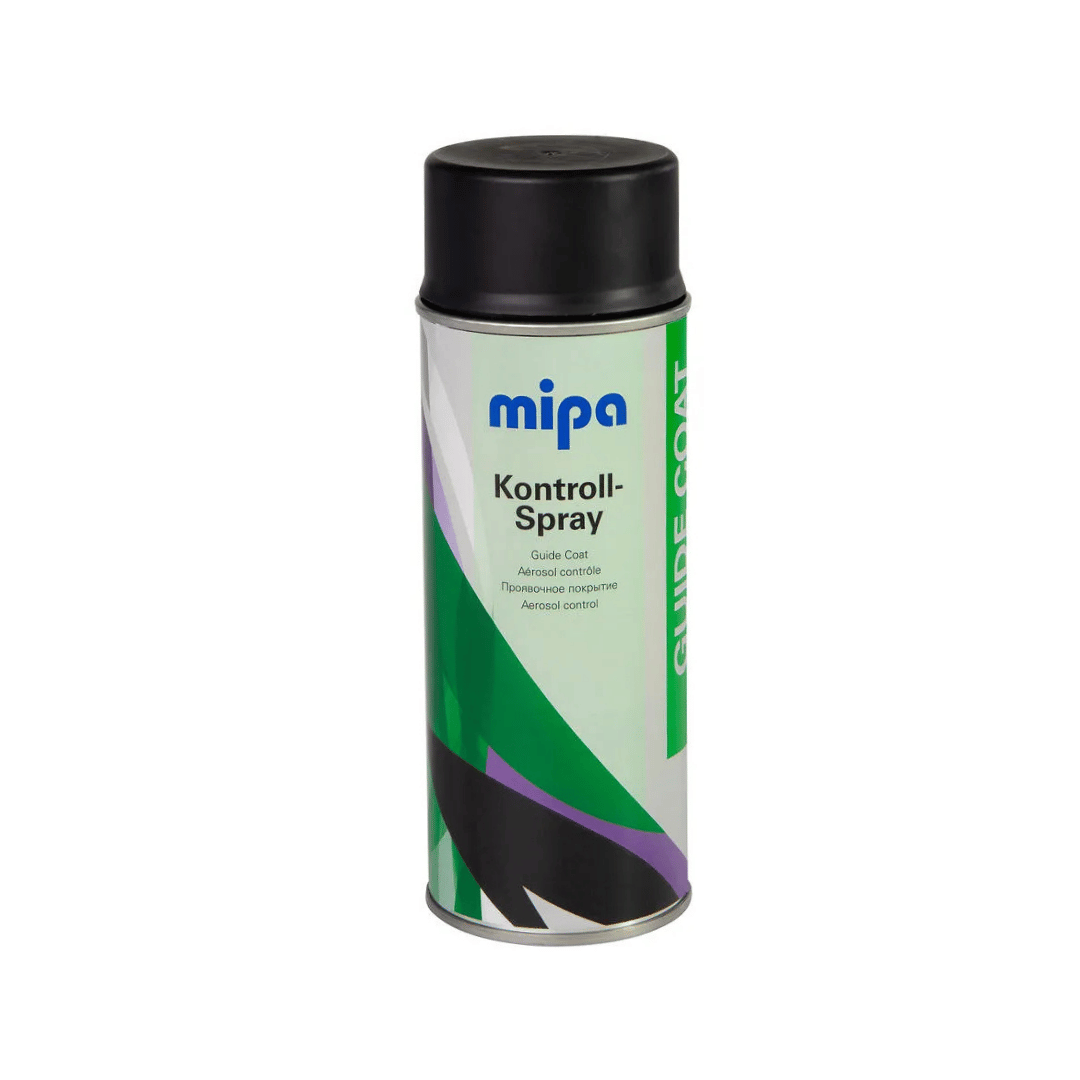
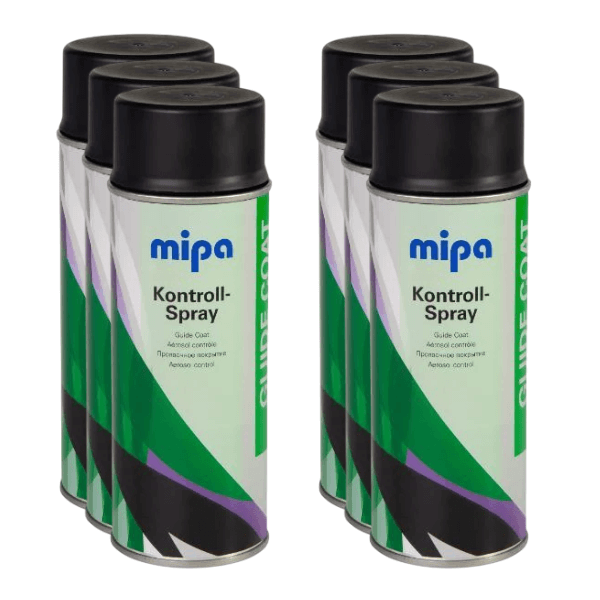
    Mipa Guide Coat Spray Matt Black (400ml)
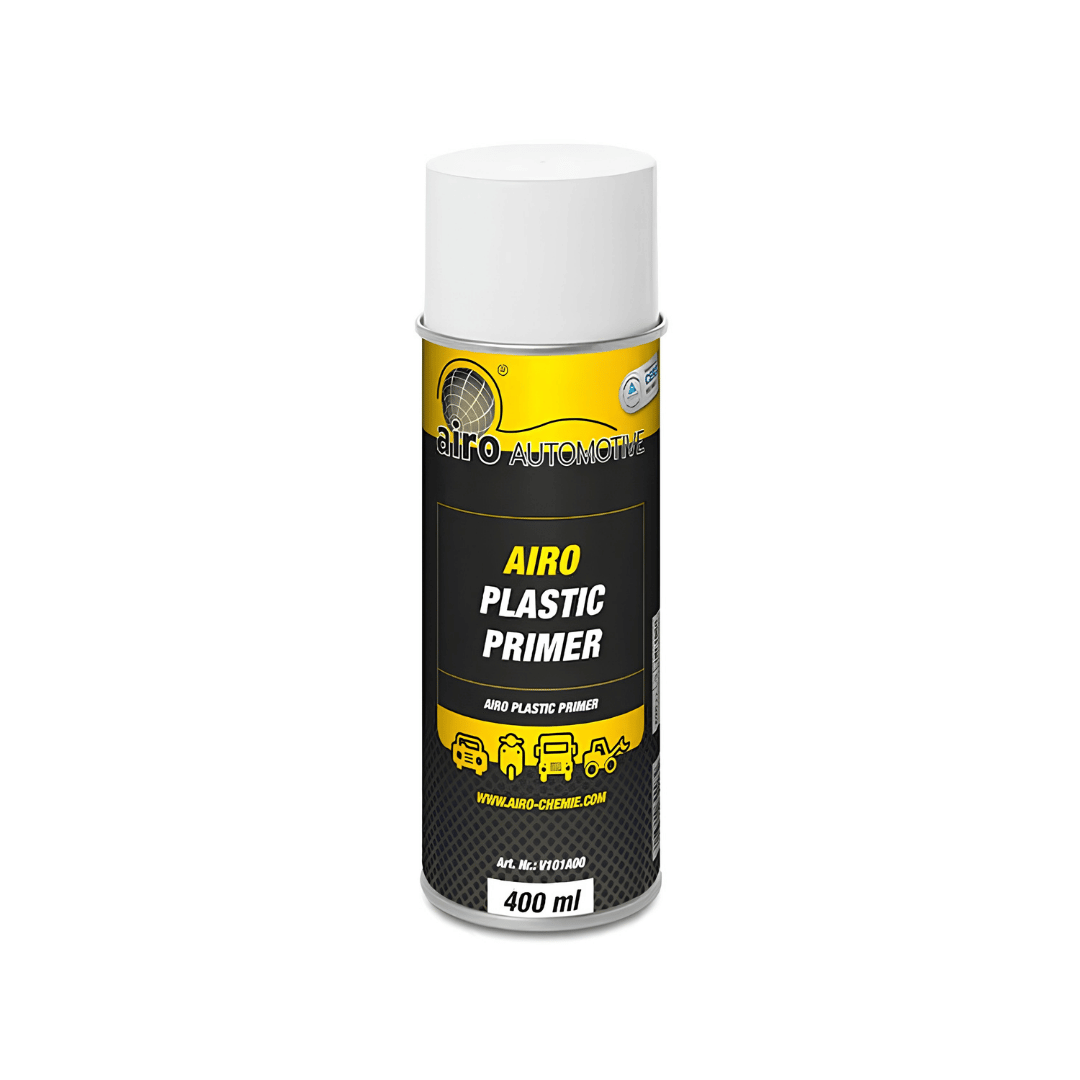
    Airo-Chemie 1K Plastic Primer Spray (400ml)
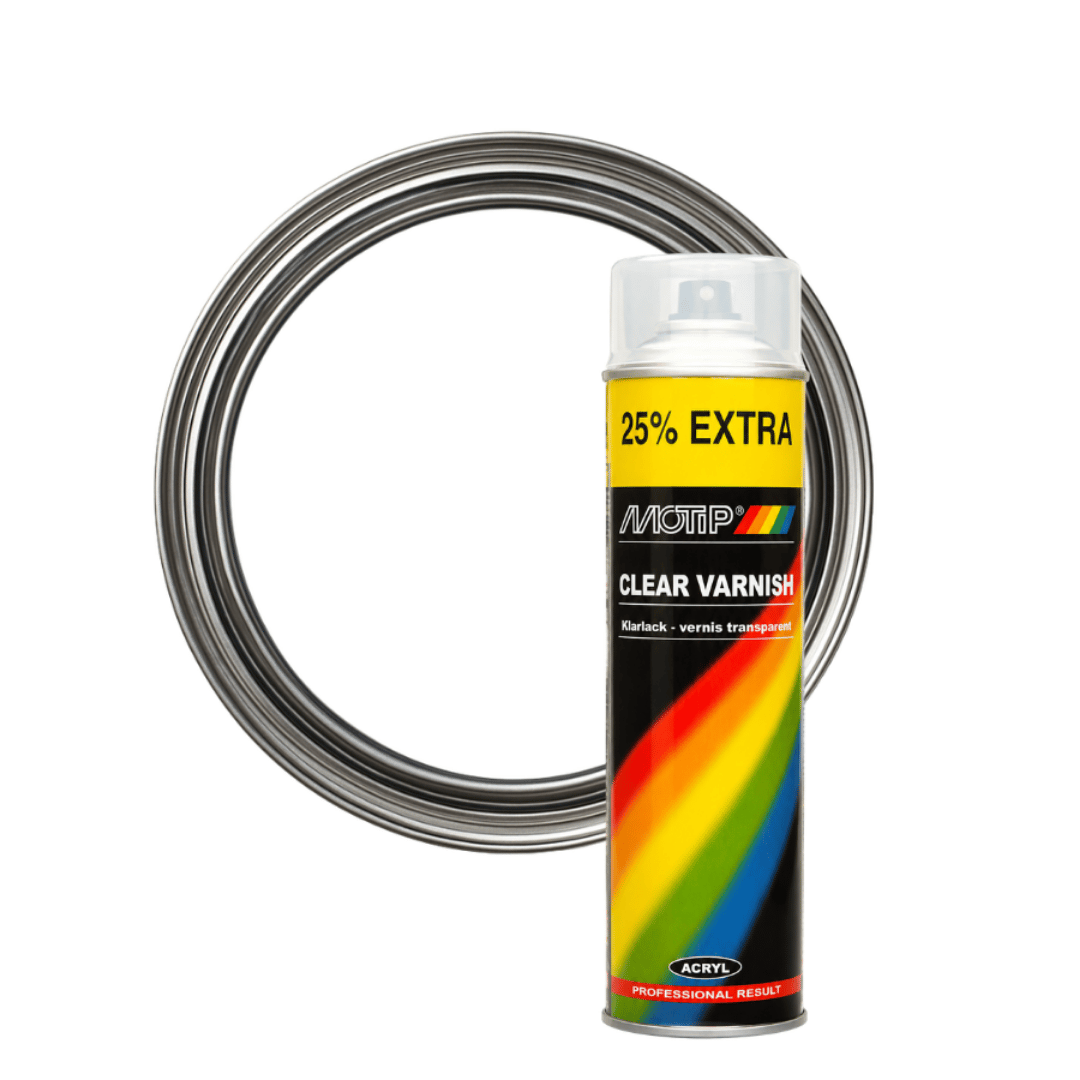
    MOTIP Clear Varnish Aerosol Spray (500ml)
    Mipa Chalk Marking Spray (750ml) White
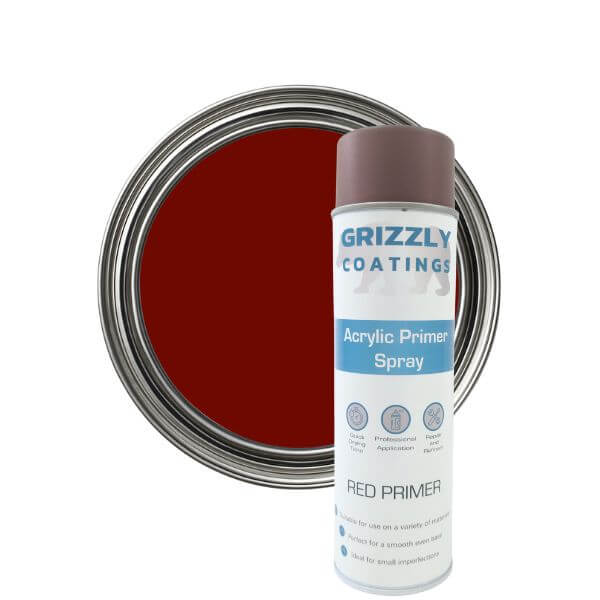
    Grizzly Coatings Acrylic Primer (500ml) spray can with red color background for fast-drying adhesion.
    3 Colours Available
    Grizzly Coatings Acrylic Topcoat Spray Paint (500ml) in Satin Black against a circular paint can background.
    5 Colours Available
    Nebula Paints Acrylic Primer Spray (500ml) with red paint and spray can, showcasing fast-drying adhesion primer.
    3 Colours Available
    Nebula Paints Clear Acrylic Lacquer 500ml with protective spray can design on a white background.

    Interior Paints and Sprays Frequently Asked Questions

    How do you paint interior doors for a professional finish?

    Painting an interior door is a great way to refresh a room, and achieving a flawless, professional finish comes down to proper preparation and technique.

    Here is a step-by-step guide:

    1. Preparation is Key:
    • Clean the Door: Start by thoroughly cleaning the door with a degreasing cleaner to remove any dirt, oils, and grime.
    • Remove Hardware: For the best result, remove the door from its hinges and take off all hardware, including handles and latches.
    • Sand the Surface: Lightly sand the entire door with medium-grit sandpaper. This crucial step removes the old gloss and creates a "key" for the new paint to adhere to, preventing chips. Wipe away all dust.

    2. Apply a Quality Primer: Priming is essential for durability and a smooth final coat. It blocks stains, ensures strong adhesion, and helps the paint cover evenly. Apply one even coat of a suitable interior primer.


    3. Paint the Door:

    • Whether using a brush, roller, or spray, always start with the recessed or panelled areas first.
    • Next, paint the horizontal rails, and finish with the long vertical stiles. This method ensures you are always working from a wet edge, which minimises brush or roller marks.
    • Apply two thin coats for the best coverage and durability, allowing for the recommended drying time between each.


    4. Allow to Cure: Let the door dry and harden completely (usually 24-48 hours) before re-installing the hardware and hanging it back on its frame. This prevents the fresh paint from sticking or getting damaged.

    What is the best interior paint?

    The "best" interior paint depends entirely on what you are painting and the level of durability you need for that specific area. The main factors to consider are the paint's base and its sheen.

    Paint Sheen Guide:

    • Matte / Flat: Has no shine and is excellent at hiding surface imperfections. It creates a modern, sophisticated look but is the least durable finish.
    • Eggshell / Satin: The most popular choice for interior walls. They have a low to medium lustre, are significantly more durable than matte, and are much easier to clean.
    • Semi-Gloss / Gloss: These finishes are tough, highly durable, and moisture-resistant. Their reflective sheen makes them very easy to wipe down.

    Conclusion: For most interior walls, a high-quality Satin or Eggshell offers the perfect balance of aesthetic appeal and everyday durability. For trim and doors, Semi-Gloss is the professional standard.

    Can I spray paint my interior walls?

    Yes, you can spray paint interior walls, and it's often the preferred method for professional painters because of its speed and the exceptionally smooth finish it provides. However, for a DIY project, it's important to weigh the pros and cons against traditional rolling.

    Why to Spray Paint Walls:

    • Exceptional Speed: An airless sprayer can paint a large, empty room in a fraction of the time it would take to roll it.
    • Flawless Finish: Spraying provides a perfectly even coat with no roller texture (stipple), creating a high-end, uniform appearance.
    • Excellent Coverage: It's great for getting even coverage on textured walls or surfaces.

    What to Consider Before Spraying:

    • Extensive Preparation: This is the biggest drawback for DIYers. You must meticulously mask everything you don't want painted—floors, ceilings, windows, light switches, and furniture. Overspray is fine mist that travels, so proper masking is non-negotiable.
    • Ventilation is Crucial: You will need excellent ventilation, including open windows and fans, as well as a respirator mask designed for paint fumes.
    • The Learning Curve: Using a paint sprayer effectively takes some practice to avoid drips and runs.

    Verdict: Spraying is an excellent choice for large, empty homes or new builds.

    Recently viewed