
Radiator Paints and Sprays
Radiators are a functional necessity in any home, but that doesn't mean they can't be a stylish feature. A dated, discoloured, or chipped radiator can detract from an otherwise beautiful room. With a fresh coat of specialist radiator paint, you can instantly transform these essential items from eyesores into design elements. At Nebula Paints, we offer a curated selection of high-performance paint for radiators, including easy-to-use radiator Spray Paint, to help you achieve a flawless and incredibly durable finish.
Radiators are a functional necessity in any home, but that doesn't mean they can't be a stylish feature. A dated, discoloured, or chipped radiator can detract from an otherwise beautiful room. With a fresh coat of specialist radiator paint, you can instantly transform these essential items from eyesores into design elements. At Nebula Paints, we offer a curated selection of high-performance paint for radiators, including easy-to-use radiator Spray Paint, to help you achieve a flawless and incredibly durable finish.
Why Use Specialist Paint for Radiators?
You might be tempted to use leftover wall or Wood Paint on your radiators, but this will almost always lead to disappointing results. Standard Paints are not designed to withstand the constant heating and cooling cycles of a central heating system. They can quickly yellow, crack, peel, and even emit unpleasant odours when heated.
Our specialist radiator paint is formulated to be heat-resistant up to high temperatures, ensuring it maintains its colour and integrity for years to come. It creates a tough, long-lasting enamel finish that not only looks fantastic but also protects the underlying metal from Rust and Corrosion, extending the life of your radiator.
The Modern Finish: Radiator Spray Paint
For a truly professional, factory-like finish, radiator spray paint is the ultimate choice. It allows you to apply a fine, even coat without the brush marks or roller texture that can be difficult to avoid on the columns and fins of a radiator. This is especially true for popular contemporary styles.
-
Flawless, Smooth Finish:
Aerosol application provides a perfectly uniform coat that looks incredibly sleek and modern. -
Exceptional Durability:
Creates a hard-wearing enamel surface that resists scratches, scuffs, and chipping. -
Heat-Resistant Formula:
Specifically designed to withstand high temperatures without fading, yellowing, or blistering. -
Quick and Convenient:
Offers excellent coverage and is fast-drying, allowing you to get your heating back on sooner. -
Stylish Colour Options:
From classic white and anthracite to statement black radiator paint, you can customise your radiators to perfectly match your interior decor.
Embrace the Trend with Black Radiator Paint
Designer radiators are a major trend in interior design, with anthracite and black radiator paint finishes leading the way. A dark radiator can create a stunning industrial look or a sophisticated, dramatic focal point in any room. Instead of investing in expensive new units, you can achieve the very same high-end look simply by painting your existing radiators. Our black radiator spray paint provides a rich, satin or matte finish that is perfect for creating this bold, contemporary aesthetic in a cost-effective way.
Whether you're restoring a classic cast-iron radiator or updating a standard convector model, find the perfect paint for radiators in our collection. Browse our range today to give your radiators the durable, heat-proof, and stylish finish they deserve.
Sort by
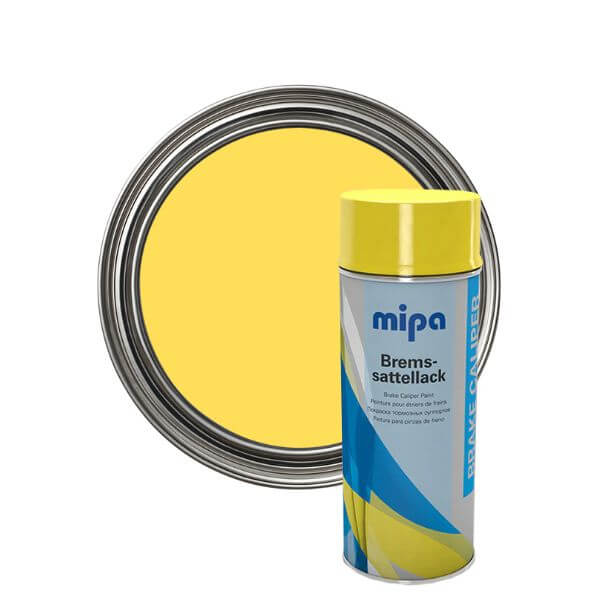
Mipa Brake Caliper Spray Paint (400ml)
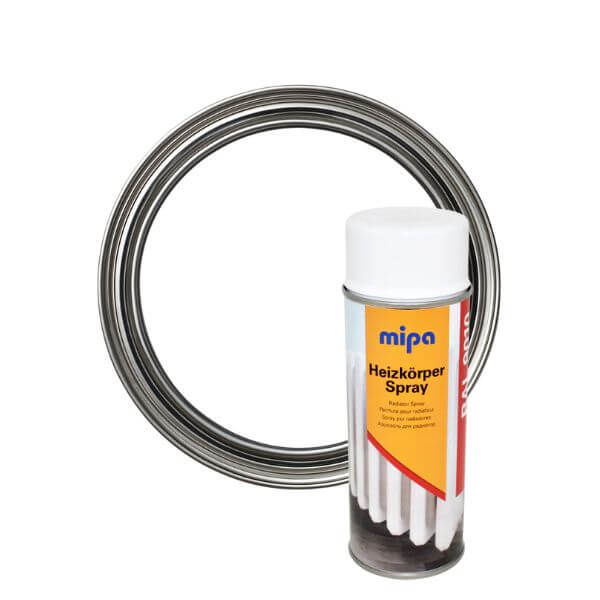
Mipa Radiator Spray Paint White (400ml)
Radiator Paints and Sprays Frequently Asked Questions
Can you spray paint a radiator?
Yes, not only can you spray paint a radiator, but it is also the best method for achieving a flawless, professional-grade finish.
While you can use a brush, it's often difficult to get an even coat and avoid leaving unsightly brush marks, especially on detailed column or finned radiators. Spray painting solves this problem entirely.
Key advantages of spraying a radiator:
- A Superior Finish: Spraying provides a thin, even layer of paint that mimics a factory coating. It's perfectly smooth and free from any texture.
- Speed and Efficiency: It is significantly faster to spray a radiator, particularly models with intricate fins and columns that would be time-consuming to cover with a brush.
- Complete Coverage: The fine mist gets into all the hard-to-reach areas, ensuring the entire radiator is protected and has a consistent colour.
For a successful job, you must use a paint specifically designed for radiators or high temperatures, as standard paints cannot withstand the constant temperature changes.
How do you spray paint a radiator for a lasting finish?
Spray painting a radiator is a straightforward DIY project, and the key to a durable, professional look is all in the preparation. Follow these steps for a perfect result:
1. Safety and Preparation:
- Turn it Off: Ensure the radiator is turned off and completely stone cold before you start.
- Protect Everything: Lay down dust sheets to protect your floor and walls. Use masking tape to carefully cover the radiator valves and any pipework you don't want to paint.
- Ventilate: Open windows and doors to ensure good airflow.
2. Clean and Sand:
- Clean the radiator from top to bottom with a good degreaser to remove all dust, dirt, and grime.
- Lightly sand the entire surface with a medium-grit sandpaper (around P180). This step is essential as it creates a "key" for the paint to grip onto. If there is any rust, sand it back to bare, stable metal.
- Wipe down the radiator with a damp cloth to remove every trace of dust, then allow it to dry.
3. Apply the Paint:
- Shake the radiator spray paint can vigorously for at least 2 minutes.
- Hold the can about 10-12 inches from the surface and apply in light, even, sweeping motions. Start with the internal fins and edges first, then finish with the front face.
- Apply 2-3 light coats rather than one heavy one, leaving 15-20 minutes of drying time between each coat.
4. Cure Correctly: Allow the paint to dry for a minimum of 24 hours before turning the heating back on. There may be a slight smell as the paint cures with the heat for the first time; this is normal and will quickly disappear.
What is the best paint to use for radiators?
The only paint you should ever use on a radiator is one that is heat resistant. Using standard interior emulsions or gloss paints is a common mistake that will lead to a failed finish.
Here's what makes dedicated radiator paint the best and only choice:
- Exceptional Heat Resistance: Radiator paint is formulated with special resins to withstand high temperatures. It is designed to be "thermostable," meaning it will not blister, crack, or peel when the radiator heats up and cools down.
- Non-Yellowing Formula: A key feature of quality radiator paint is that it is non-yellowing. Standard paints, especially oil-based gloss, will quickly turn yellow when exposed to the heat, ruining the look of your finish.
- No Harmful Fumes: Specialised radiator paint is designed to be inert once cured. Regular paints can release unpleasant odours or harmful fumes when heated, which can affect your home's air quality.
- Flexible Finish: The paint is engineered to expand and contract with the metal of the radiator, ensuring its durability through countless heating cycles.
Whether you choose a spray or a brush-on application, always make sure the product is clearly labelled as being suitable for radiators.