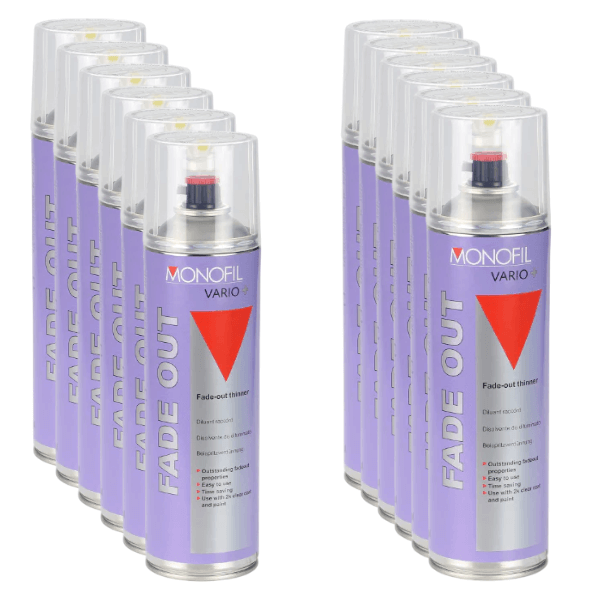
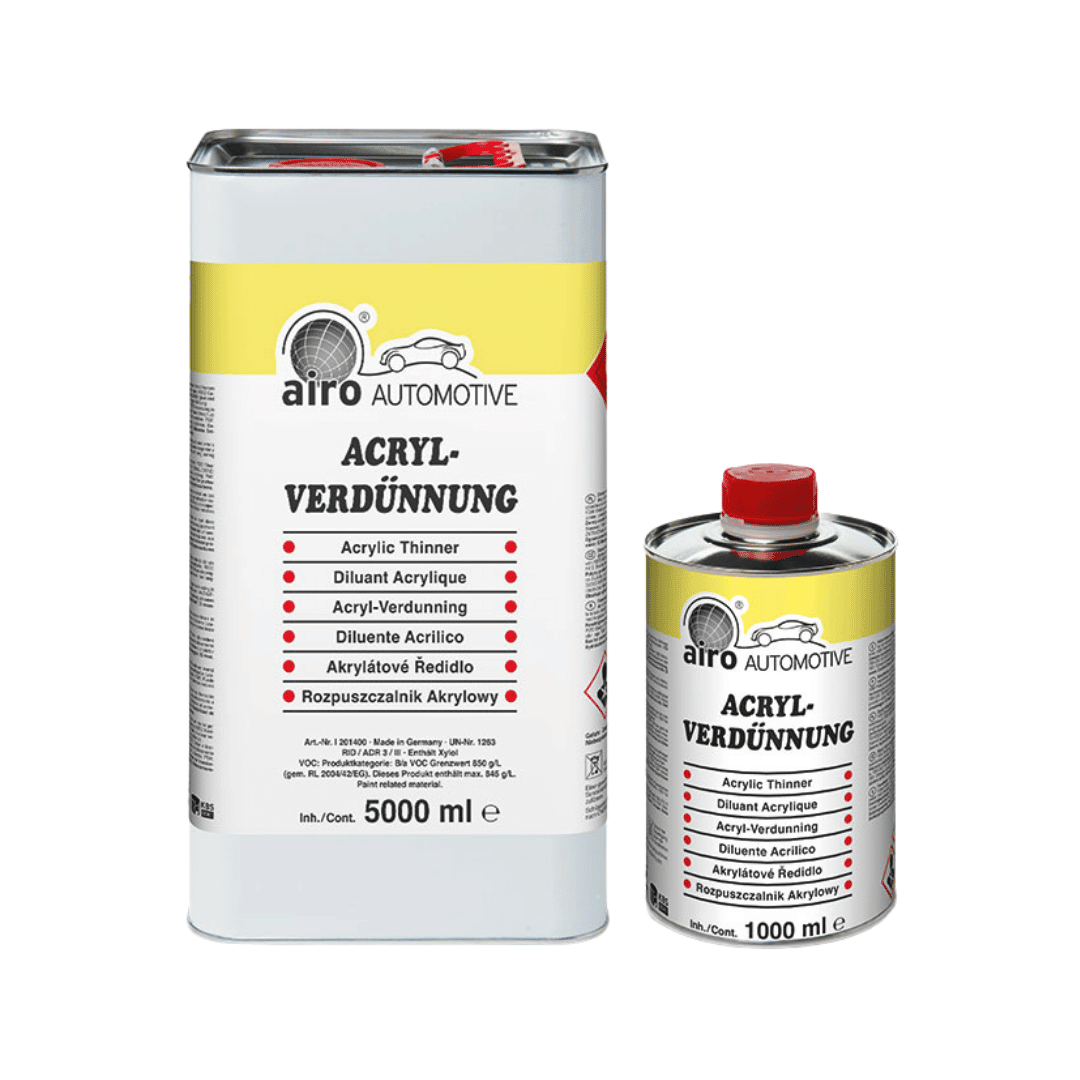
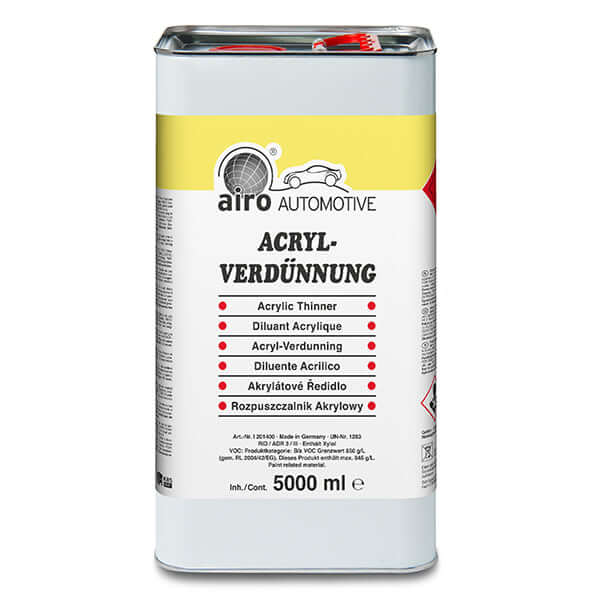
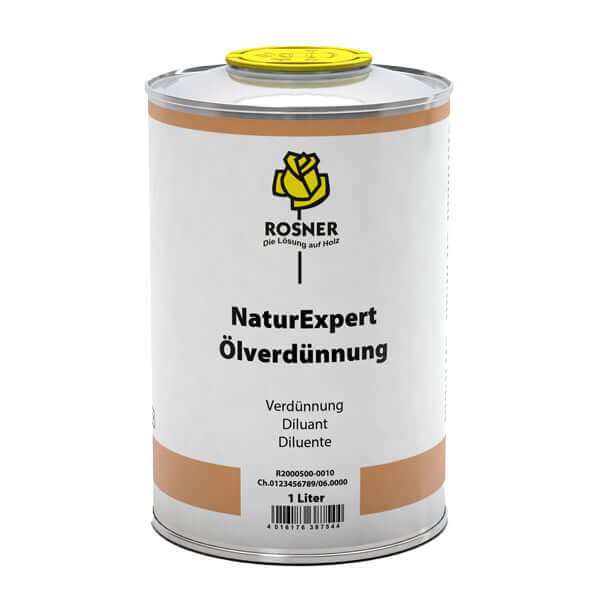
Achieving a professional, glass-smooth paint finish depends on getting the consistency of your material just right. A high-quality paint thinner is the key to controlling viscosity, ensuring perfect performance through a spray gun, and achieving optimal flow on the surface. At Nebula Paints, we are a leading UK distributor of premium coatings and ancillaries, offering a complete range of thinner for Paint to suit any application.
Achieving a professional, glass-smooth paint finish depends on getting the consistency of your material just right. A high-quality paint thinner is the key to controlling viscosity, ensuring perfect performance through a spray gun, and achieving optimal flow on the surface. At Nebula Paints, we are a leading UK distributor of premium coatings and ancillaries, offering a complete range of thinner for Paint to suit any application.
Achieve a Flawless Flow with the Right Paint Thinner
Using the correct thinner is not just about diluting paint; it's about refining its properties to match your environment and equipment. The right product prevents common paint defects such as orange peel, runs, or a dull finish, ensuring the final result is as smooth and impressive as the manufacturer intended. Whether you are working with Automotive clear coats, Industrial enamels, or specialist basecoats, we have the precise thinner you need for a perfect job.
A Thinner for Every Paint System and Environment
Just like paints and Hardeners, thinners are specifically formulated for different chemical systems and temperatures. Using the wrong one can compromise the entire paint job. Our comprehensive selection ensures you can find the perfect match for your project.
-
2K and Acrylic Thinners:
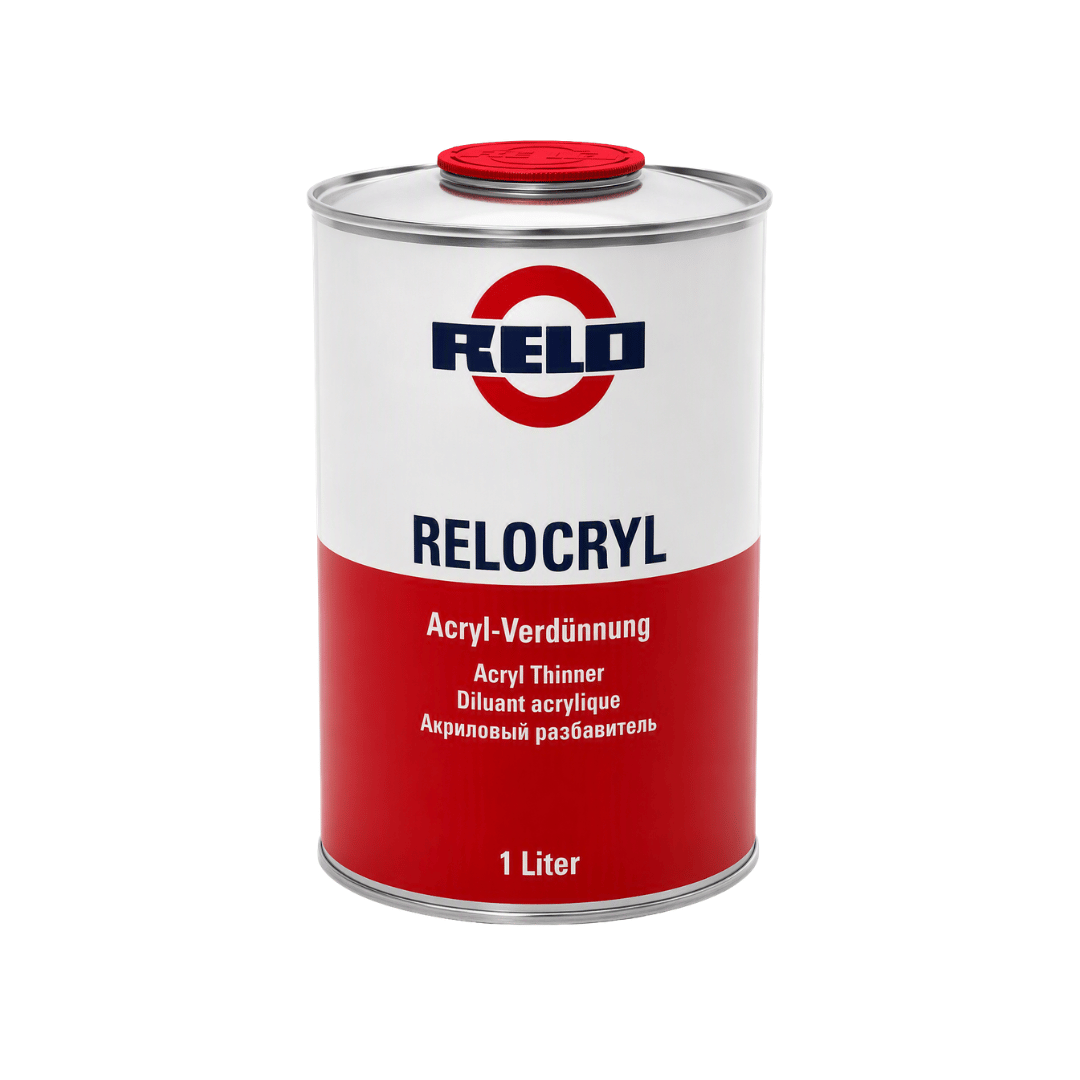
These are specifically designed to work with two-component acrylic and polyurethane paint systems. They are formulated to provide the perfect balance of evaporation and flow for high-gloss topcoats and clear coats.
-
Basecoat Thinners:
Created for use with solvent-based basecoat colours, these thinners ensure excellent metallic and pearl control, preventing patchiness and ensuring colours lay down evenly.
-
Universal Thinners:
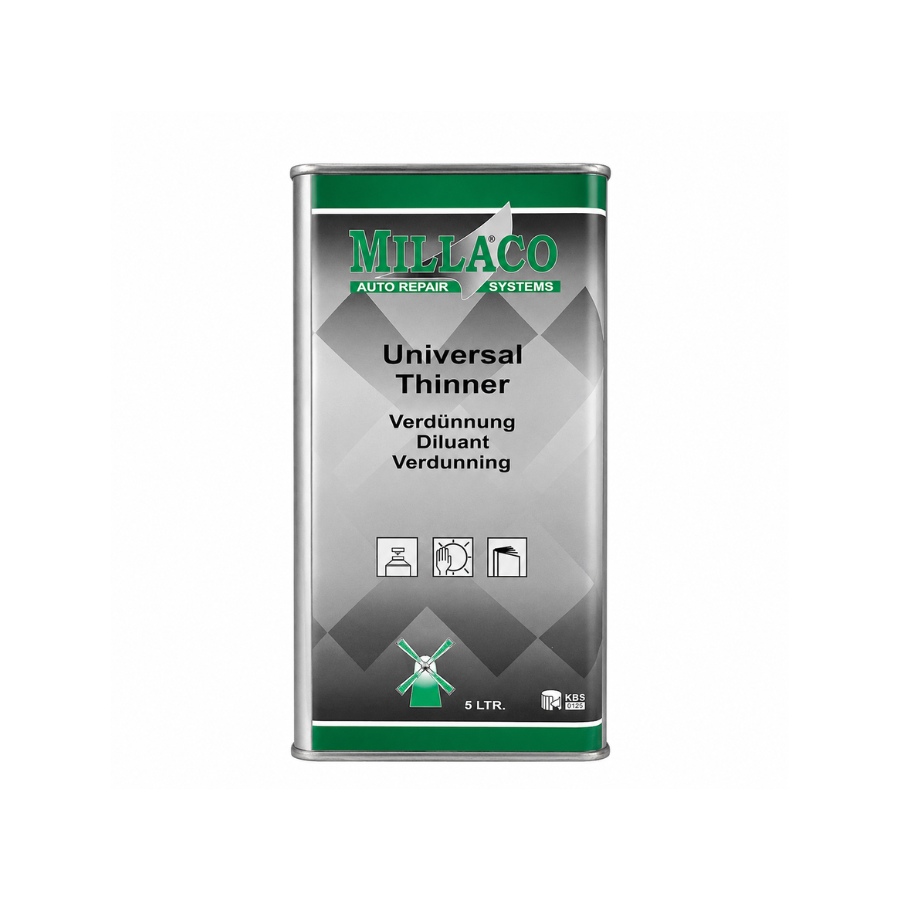
A versatile option for various general-purpose paints and Primers. While not always suitable for high-end 2K topcoats, they are an economical choice for cleaning spray guns and for use with many synthetic and cellulose paints.
-
Panel Wipe and Degreasers:
While not strictly a thinner for paint, surface preparation is crucial. Our degreasers and panel wipes are essential for removing all traces of silicone, wax, and grease before painting, guaranteeing a clean, contaminant-free surface for maximum adhesion.
Control Your Cure with Different Speeds
To give you even greater control over the application process, many of our thinners are available in different speeds. This allows you to adapt to your workshop temperature and the size of the object you are painting.
-
Fast Thinner:
Ideal for cold weather or for small, single-panel repairs. It speeds up the flash-off time between coats.
-
Standard Thinner:
The most common choice for everyday use in a typical workshop environment (around 20°C).
-
Slow Thinner:
The perfect solution for hot summer days or for painting large areas. It slows down the drying time, allowing the paint to flow out smoothly over a larger surface and preventing dry spray.
Explore our complete collection to find the exact paint thinner you need to guarantee a superior, professional-quality finish on your next project.