
Wood Oil Finishes and Coatings
For a finish that enhances the natural character and feel of timber, nothing compares to a high-quality wood oil. A wood oil finish penetrates deep into the grain, nourishing and protecting the timber from within. At Nebula Paints, we are a UK distributor of premium Wood Coatings, offering a curated selection of oils that provide a beautiful, durable, and natural-looking finish.
For a finish that enhances the natural character and feel of timber, nothing compares to a high-quality wood oil. A wood oil finish penetrates deep into the grain, nourishing and protecting the timber from within. At Nebula Paints, we are a UK distributor of premium Wood Coatings, offering a curated selection of oils that provide a beautiful, durable, and natural-looking finish.
The Natural Way to Protect and Beautify Timber
An oil for wood is the perfect choice for anyone who wants to celebrate the true texture and warmth of the material. It creates a subtle, low-sheen lustre that is easy to apply and even easier to maintain, making it a favourite among furniture makers, joiners, and DIY enthusiasts alike.
Why Choose a Wood Oil Finish?
The unique penetrating action of a wood oil offers a range of benefits that surface coatings cannot match. By becoming part of the wood itself, it provides a finish that is both beautiful and practical.
- Enhances Natural Beauty: A wood oil finish accentuates the depth and colour of the natural grain, giving the timber a rich, warm appearance that is impossible to replicate with a surface film.
- Maintains a Natural Feel: Because it doesn't create a thick layer on top, the wood retains its natural texture. The finish feels like real wood, not plastic.
- Easy Spot Repairs: One of the biggest advantages of an oiled finish is its reparability. If an area becomes scratched or worn, it can be easily spot-repaired by lightly sanding and re-applying a small amount of oil, seamlessly blending with the surrounding area.
- Breathable Protection: The finish allows the wood to breathe, preventing moisture from becoming trapped which can lead to cracking or peeling.
An Oil for Every Wood Project
Our range includes a specialist oil for wood suitable for a wide variety of interior and exterior applications, ensuring durable protection wherever it's needed.
-
Interior Furniture & Joinery:
Perfect for tables, chairs, cabinets, and doors, providing a warm, tactile finish that is resistant to spills and stains. -
Kitchen Worktops:
We offer hardwax oils that are specifically designed for kitchen counters. They create a tough, durable, and food-safe surface that is highly resistant to water, wine, and coffee.
-
Flooring:
Hardwax oil is the ideal wood oil finish for both hardwood and softwood floors. It provides a robust, hard-wearing surface that can withstand foot traffic while being easy to clean and maintain.
-
Exterior Wood:
For garden furniture, decking, and cladding, our exterior oils provide excellent weather and UV protection, preventing the wood from drying out, splitting, or turning grey.
Discover the timeless appeal of a traditional wood oil finish. Browse our complete collection today to find the perfect product to nourish, protect, and enhance your next woodworking project.
Sort by
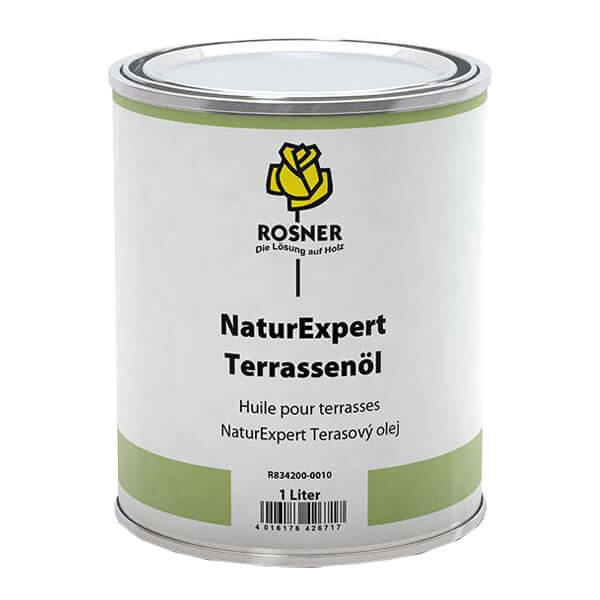
Rosner NaturExpert Terrace Oil (1L)

Rosner Natural Expert Larch Oil (1L)

Rosner NaturExpert MonoProtect Hard Wax Oil (300ml)
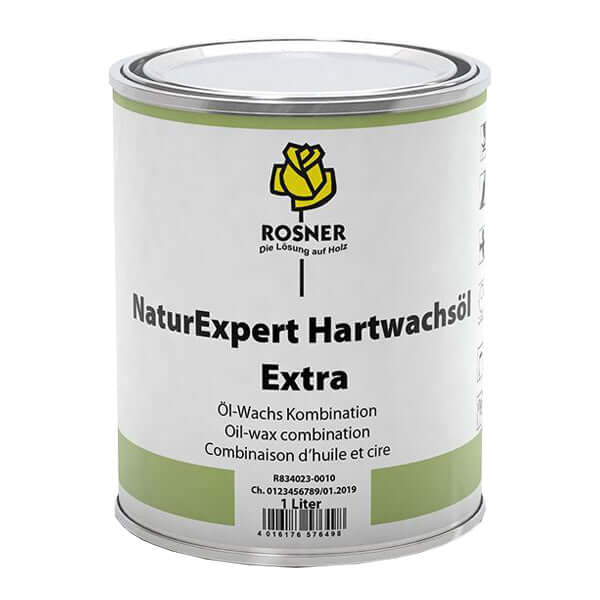
Rosner NaturExpert Hard Wax Oil 1Ltr

Rosner Natural Expert Hard Wax Monoprotect 1ltr
Wood Oil Finishes and Coatings Frequently Asked Questions
What is wood oil and what does it do?
Wood oil is a traditional, natural finish designed to penetrate deep into the fibres of the wood rather than forming a film on top of it. Unlike paints or varnishes that create a surface layer, wood oil works from within to protect and nourish the timber.
Its primary function is to saturate the wood cells, which provides several key benefits:
- Nourishes and Protects: It replenishes the wood's natural oils, preventing it from drying out, cracking, or splitting over time.
- Enhances Natural Beauty: It provides a rich, warm, and natural-looking finish that enhances the depth and colour of the wood grain without creating an artificial, plastic-like sheen.
- Easy to Apply & Maintain: It is exceptionally user-friendly. Application is simple, and repairs are easy because there is no surface film to scratch or peel.
- Water Resistance: By occupying the wood pores, the oil provides good resistance to water and other liquids.
What is the difference between wood oil and varnish?
hoosing between an oil and a varnish depends entirely on the look and type of protection you want. They are fundamentally different types of finishes.
- Wood Oil: This is a penetrating finish. It soaks into the wood and becomes part of it. It leaves a natural, tactile, low-sheen finish where you can still feel the texture of the wood grain. It's incredibly easy to repair scratches – you simply sand the affected area lightly and reapply a small amount of oil. However, it requires more regular maintenance to top up the protection.
- Varnish / Lacquer: This is a film-forming finish. It sits on top of the wood and cures into a hard, protective shell, which can range from matte to high gloss. It generally offers higher initial resistance to scratches and scuffs. However, if this shell gets deeply scratched or damaged, it can be very difficult to repair, often requiring the entire surface to be sanded back and refinished.
In short: Choose oil for a natural look and feel with easy spot-repairs. Choose varnish for a harder, sealed surface that requires less frequent maintenance but is harder to fix if damaged.
How do you apply wood oil correctly?
Applying wood oil is a simple and satisfying process, but the correct technique is crucial for achieving a beautiful, non-sticky finish.
- Preparation: The wood surface must be bare, clean, and smooth. Sand the wood progressively up to a fine grit and ensure all dust is removed.
- Application: Use a clean, lint-free cloth (an old t-shirt or a dedicated rag is perfect). Apply a generous amount of oil to the surface, rubbing it into the wood and working in the direction of the grain.
- Penetration: Allow the oil to soak into the wood for about 15-20 minutes. You will see some areas absorb more oil than others.
- Remove All Excess Oil: This is the most important step. Using a new, clean, dry cloth, wipe off every trace of excess oil from the surface until it feels almost dry to the touch. Any oil left on the surface will not cure properly and will become a tacky, sticky mess.
- Cure and Repeat: Let the piece cure for 12-24 hours. For extra protection and a deeper lustre, you can apply more coats by repeating the process. Two to three coats are usually sufficient.