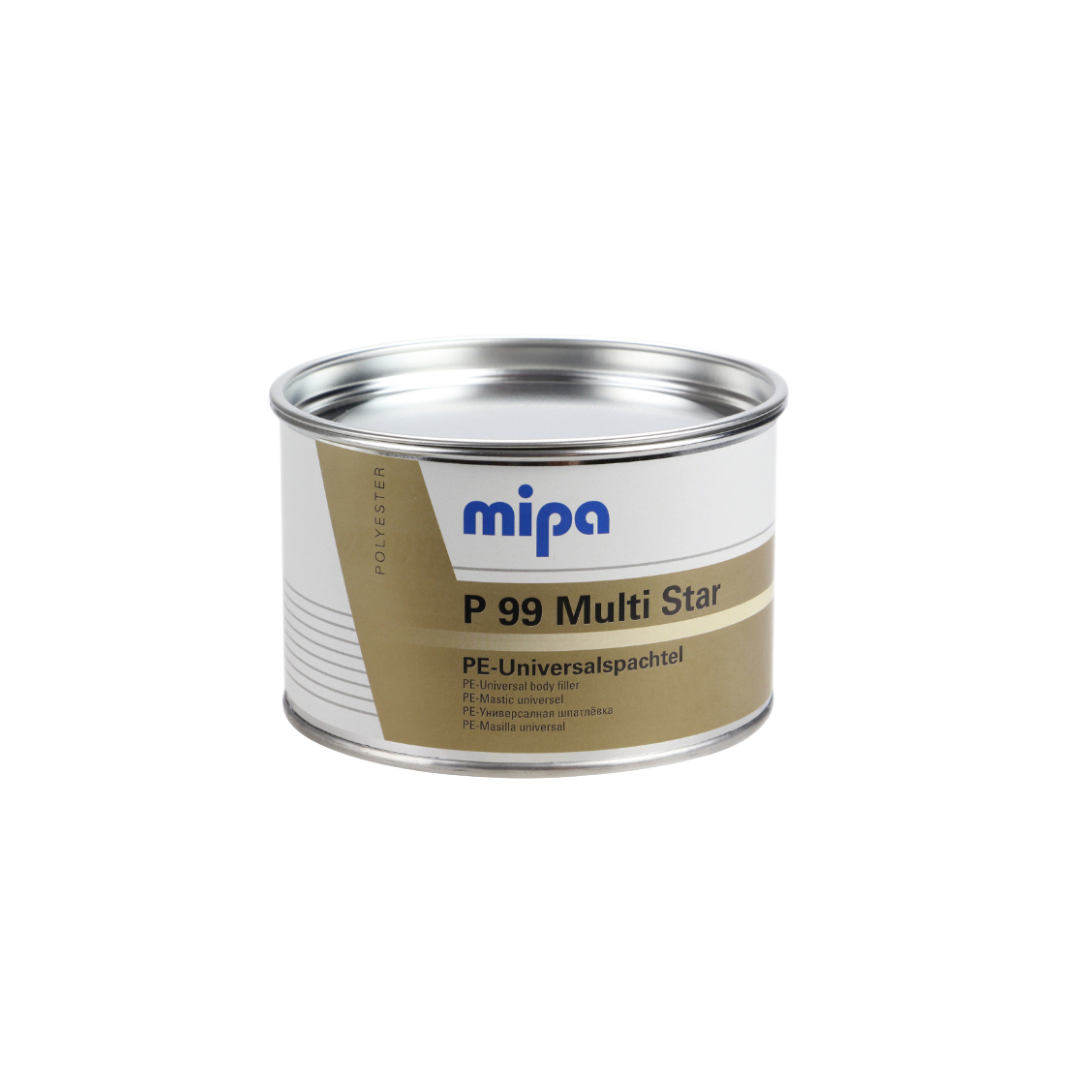
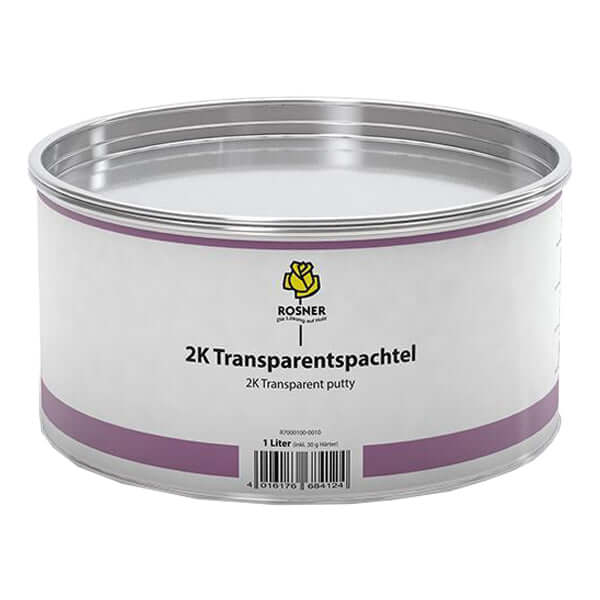
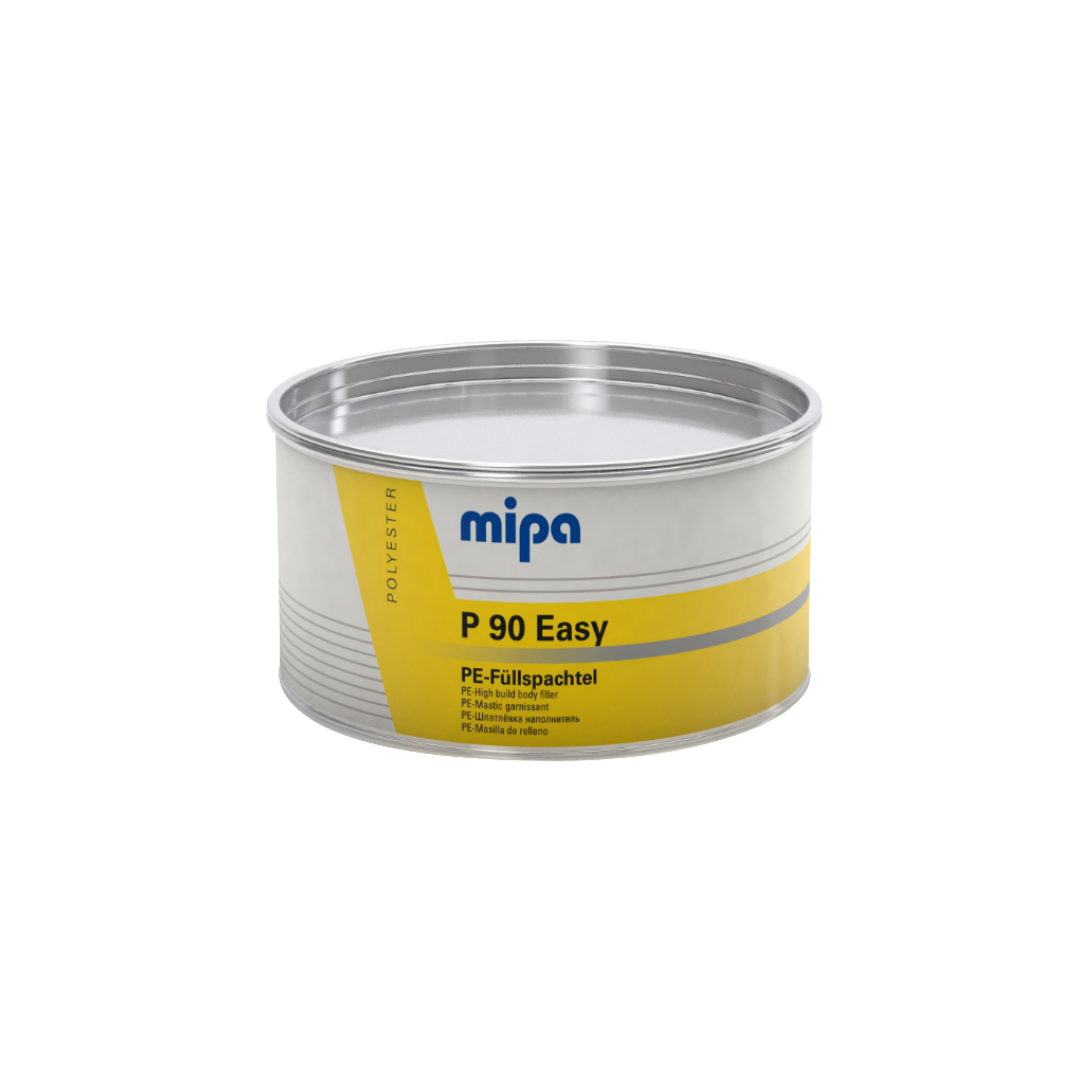
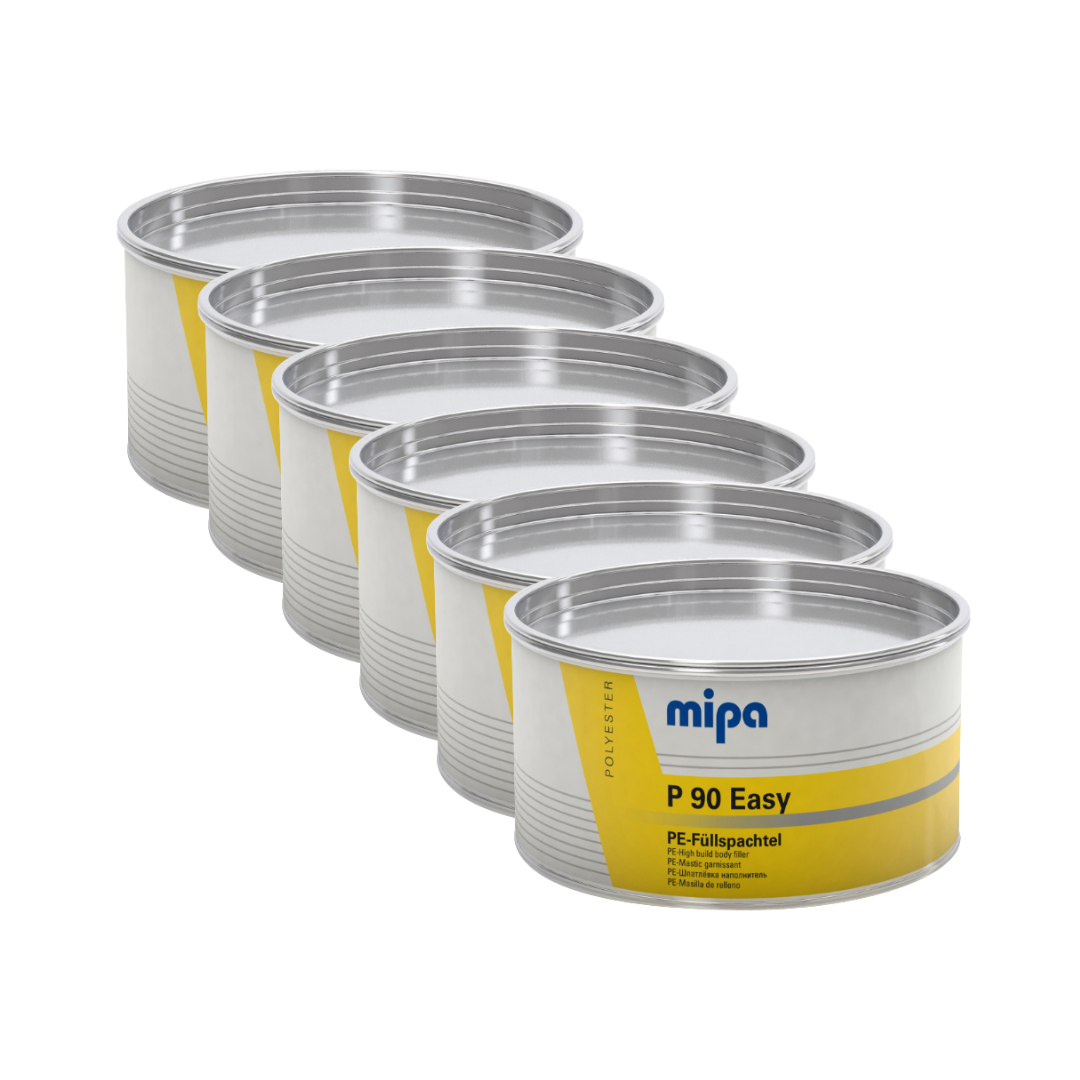
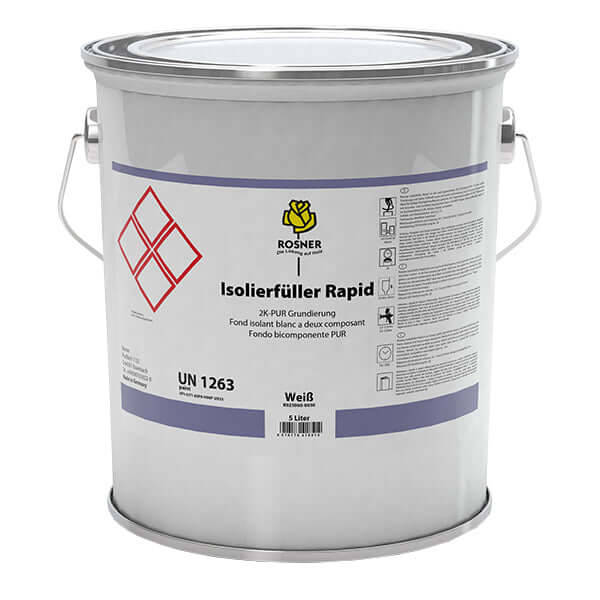
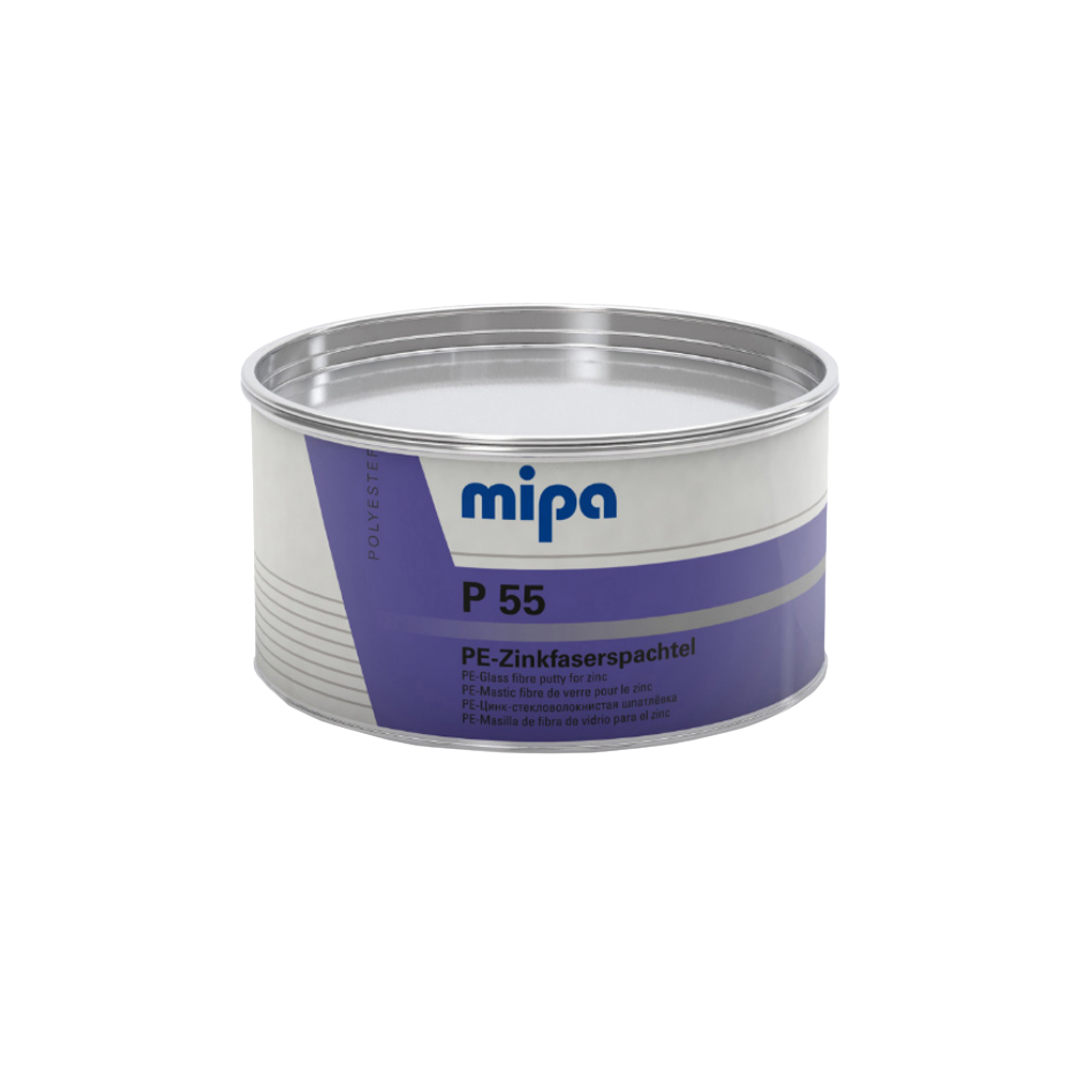
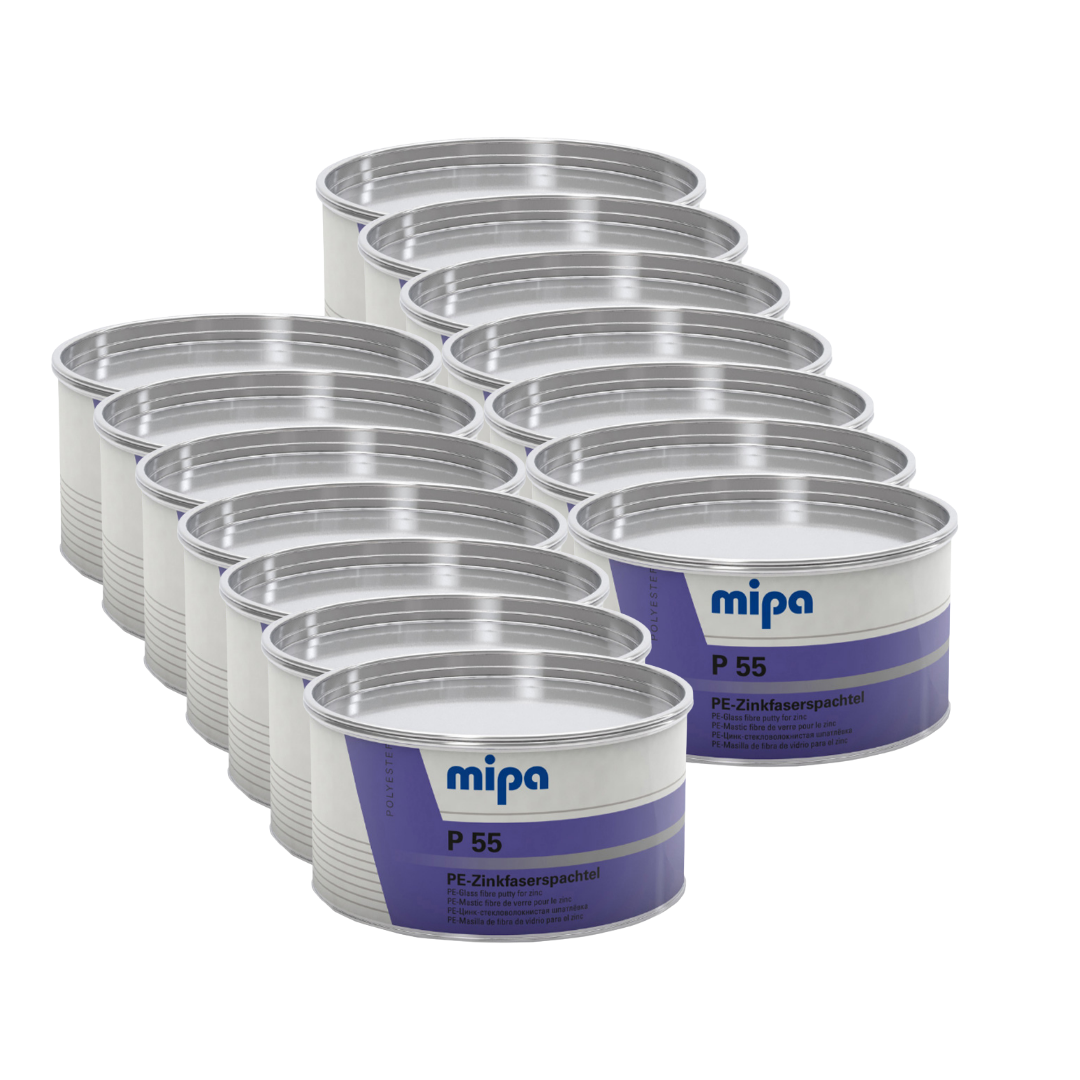
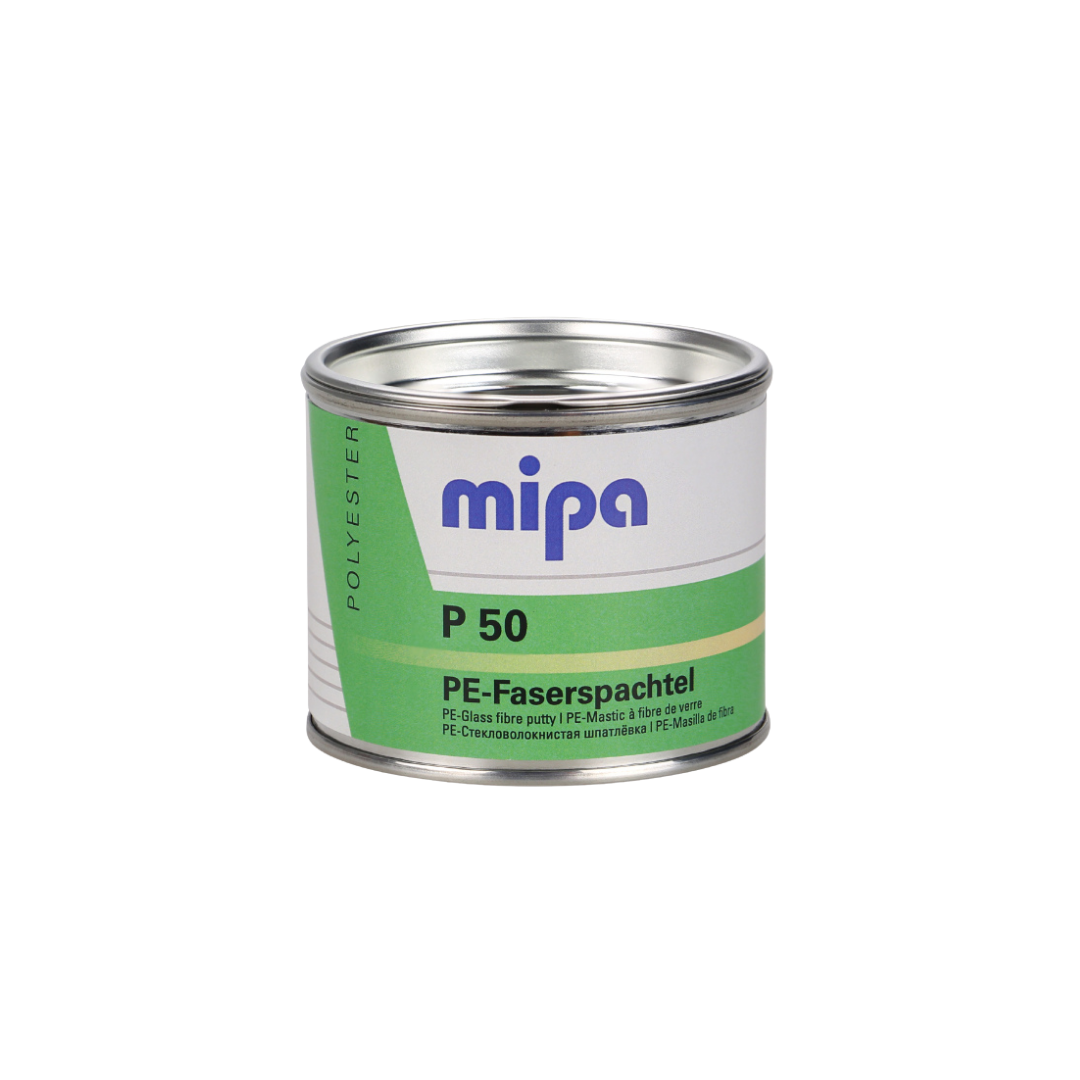
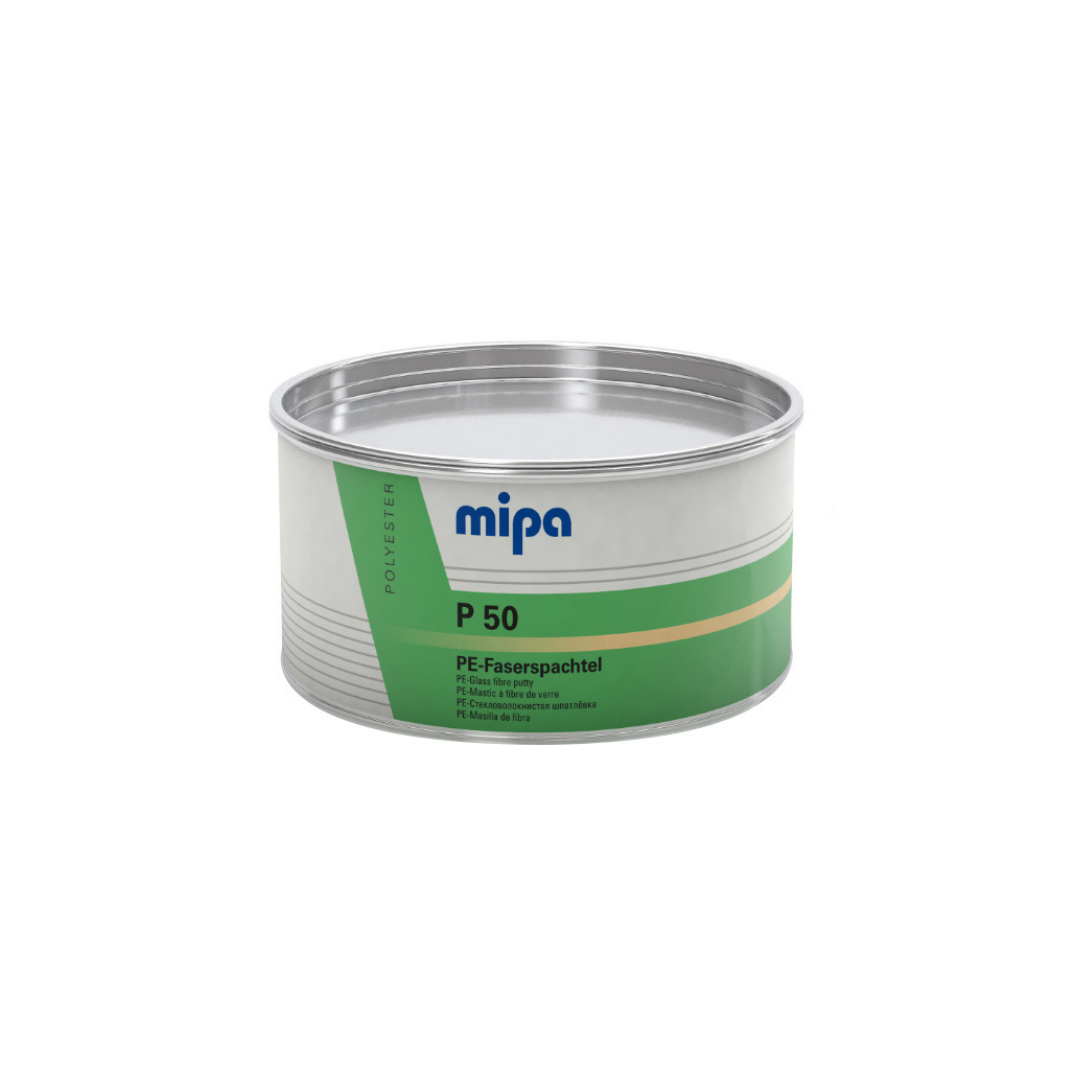
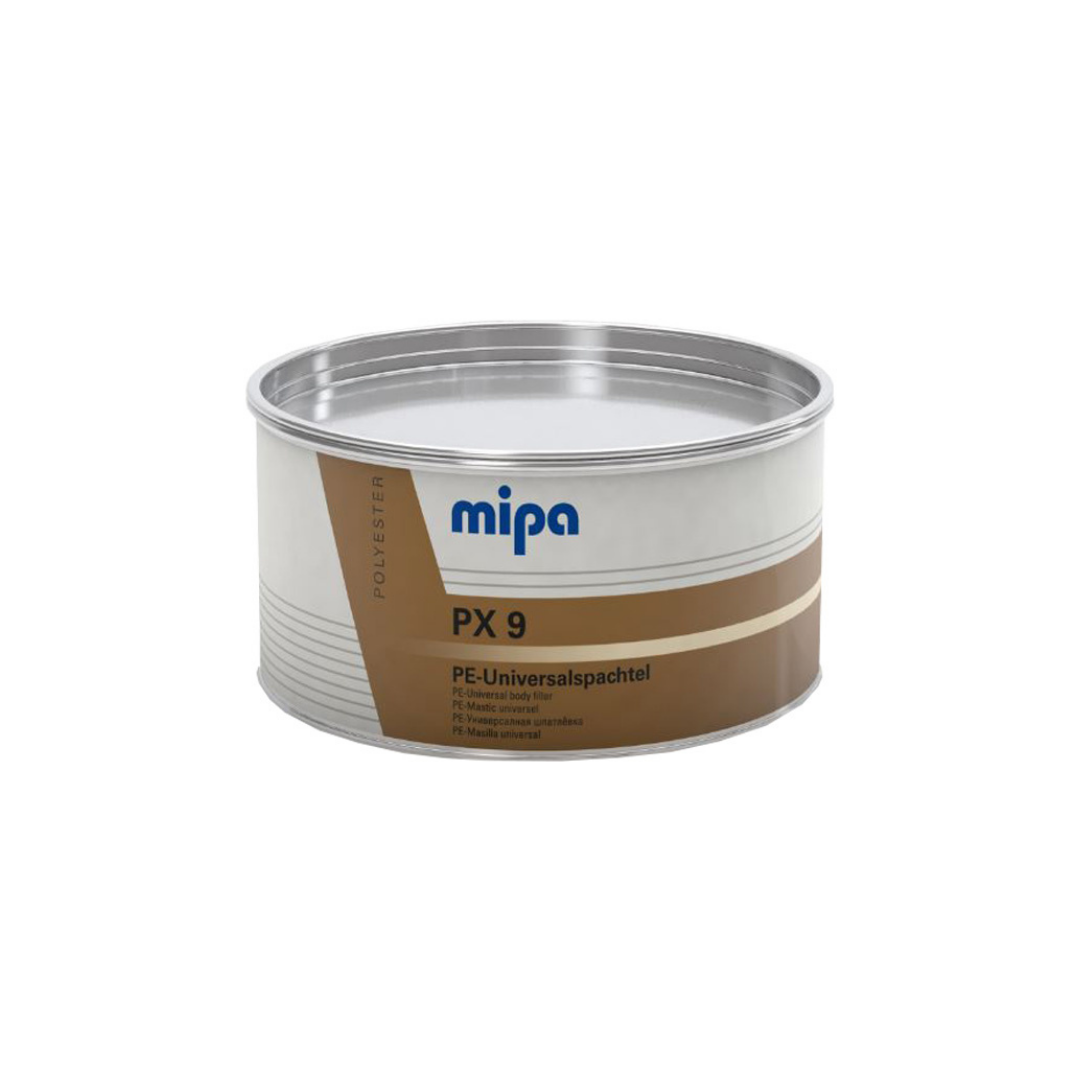
Finding the right wood filler is essential for long lasting timber repairs. Whether you need a robust external wood filler for structural restoration or a reliable outdoor wood filler to protect against the elements, our professional range delivers the strength you require. We also stock premium wood putty for perfecting fine details, ensuring every project achieves a smooth, professional finish that stands the test of time.
Finding the right wood filler is essential for long lasting timber repairs. Whether you need a robust external wood filler for structural restoration or a reliable outdoor wood filler to protect against the elements, our professional range delivers the strength you require. We also stock premium wood putty for perfecting fine details, ensuring every project achieves a smooth, professional finish that stands the test of time.
Wood is a natural material that expands and contracts with moisture and temperature changes, meaning your choice of filler dictates the success of the repair. For projects exposed to the elements, standard interior products often fail, leading to cracking or premature weathering. We specialise in high performance materials that offer exceptional adhesion and flexibility, ensuring your work remains stable and visually perfect.
Our Wood Fillers & Puttys
We offer a curated selection of materials designed to perform in demanding environments. Each product is engineered to serve a specific purpose in your repair workflow:
-
Epoxy Wood Filler: When structural integrity is paramount, this is the industry choice. Unlike simple fillers, an epoxy wood filler provides a robust bond, making it ideal for repairing deep damage, corners, or sections of timber suffering from rot. It cures to a solid state that can be sanded, drilled, and painted to match the surrounding area.
-
External Wood Filler: Specifically formulated to endure the rigours of the British climate, our external wood filler is resistant to moisture, UV radiation, and freezing temperatures. It prevents water ingress, which is the primary cause of future decay.
-
Outdoor Wood Filler: Essential for garden furniture, fences, and cladding. This product is designed for high durability in exposed conditions, ensuring that your repairs remain intact regardless of rainfall or direct sunlight.
-
Wood Putty: For correcting small surface imperfections such as pinholes, nail marks, or grain variations, our wood putty is the ideal solution. It is easy to apply and ensures a perfectly smooth surface before you apply your final stain, varnish, or paint.
Why Choose Nebula for Your Wood Repair Supplies?
Consistency and performance are the benchmarks of a successful project. We understand the unique challenges associated with timber restoration, such as the need for materials that move with the grain. By selecting our professional range, you benefit from products that offer reliable setting times, excellent sanding characteristics, and superior paint compatibility. Whether you are searching for a heavy duty solution for major restoration work or a refined product for final finishing, our catalogue provides the technical reliability necessary to maintain high standards of presentation.