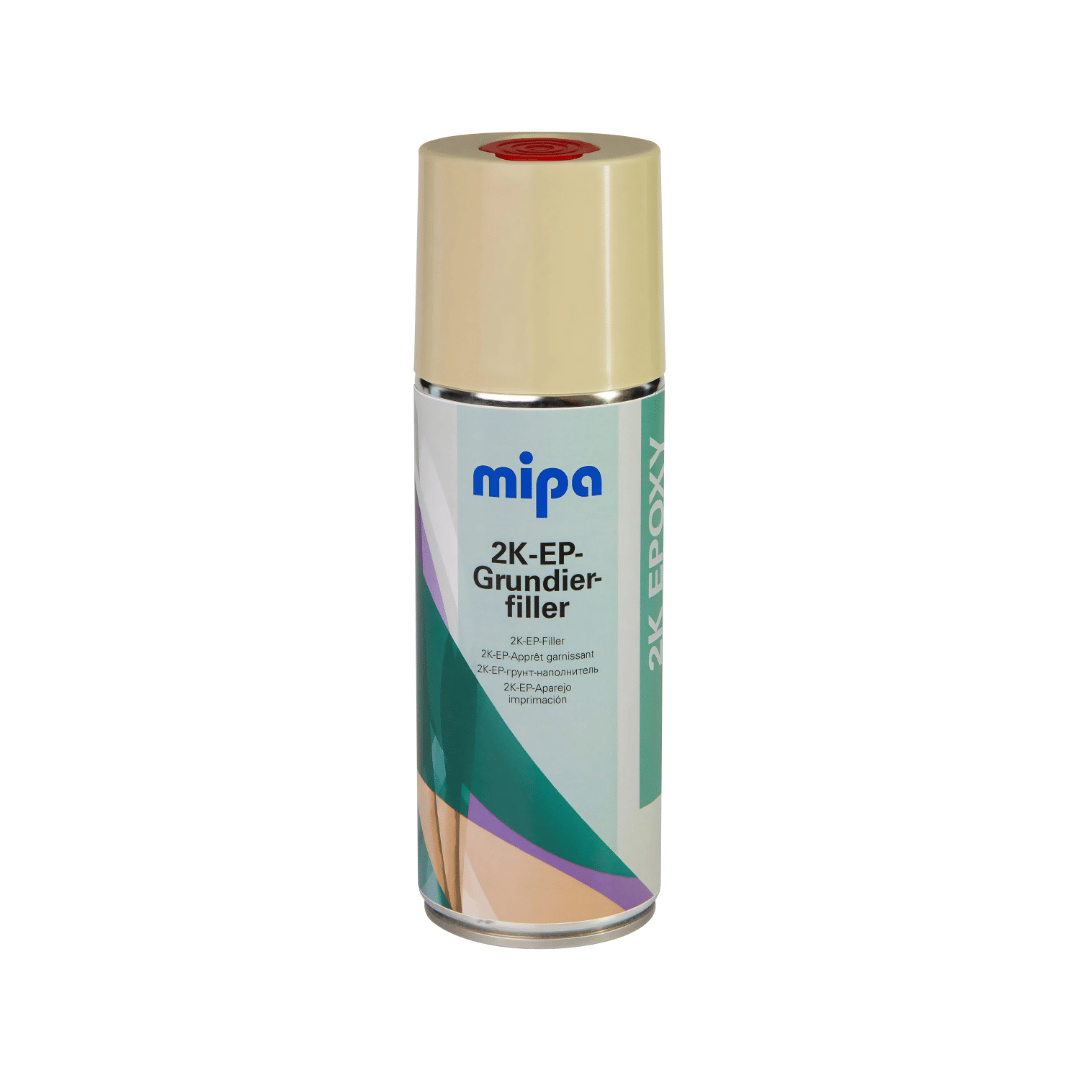
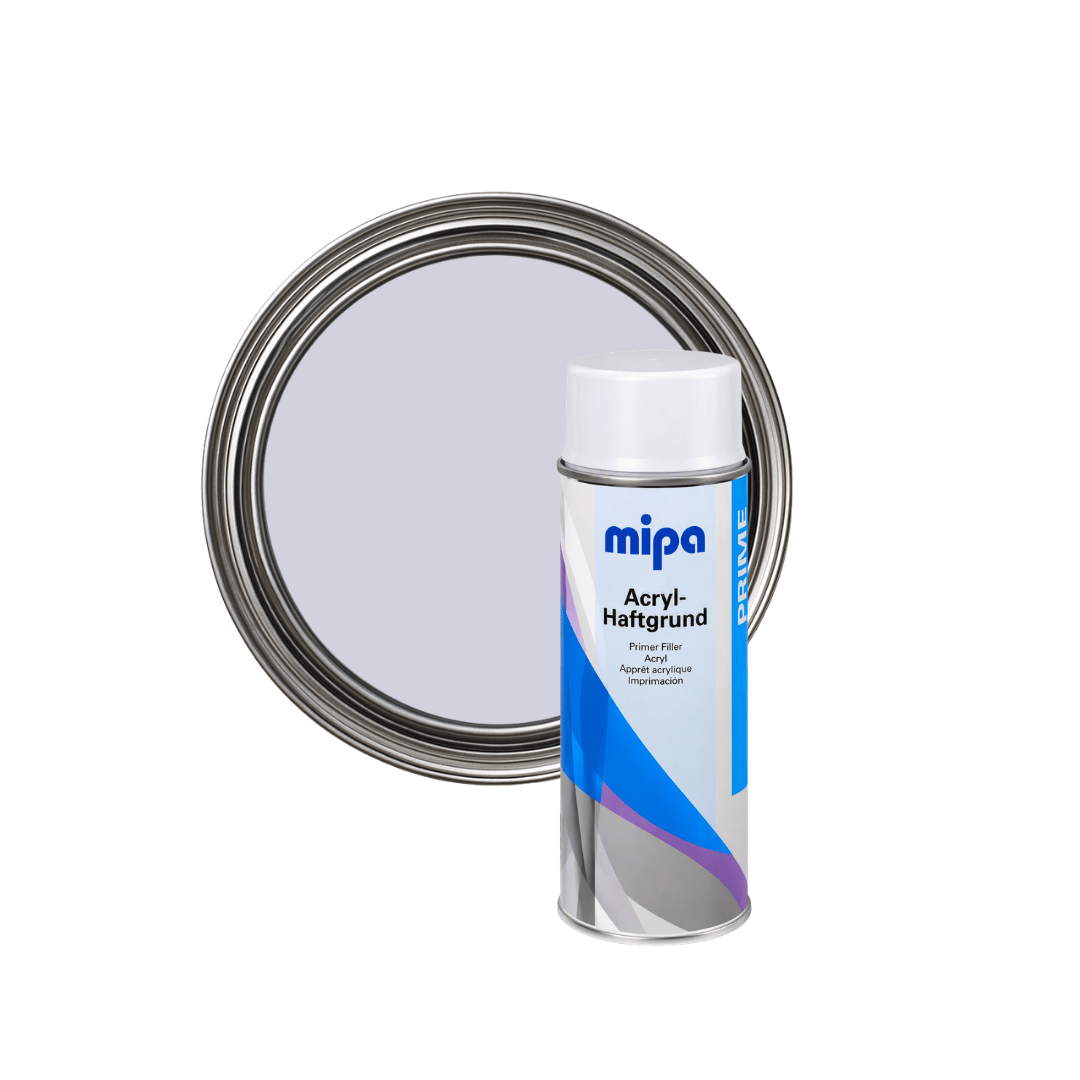
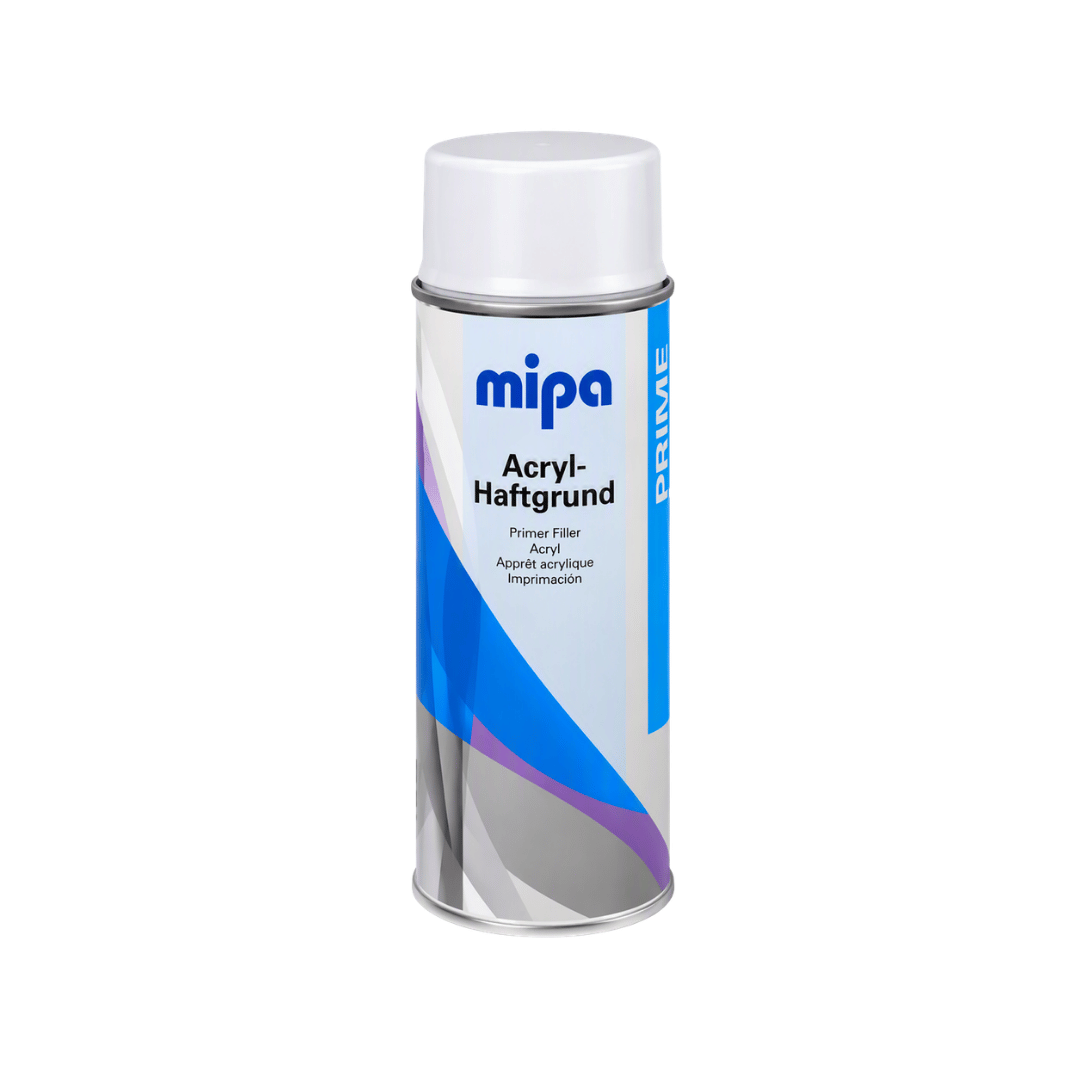
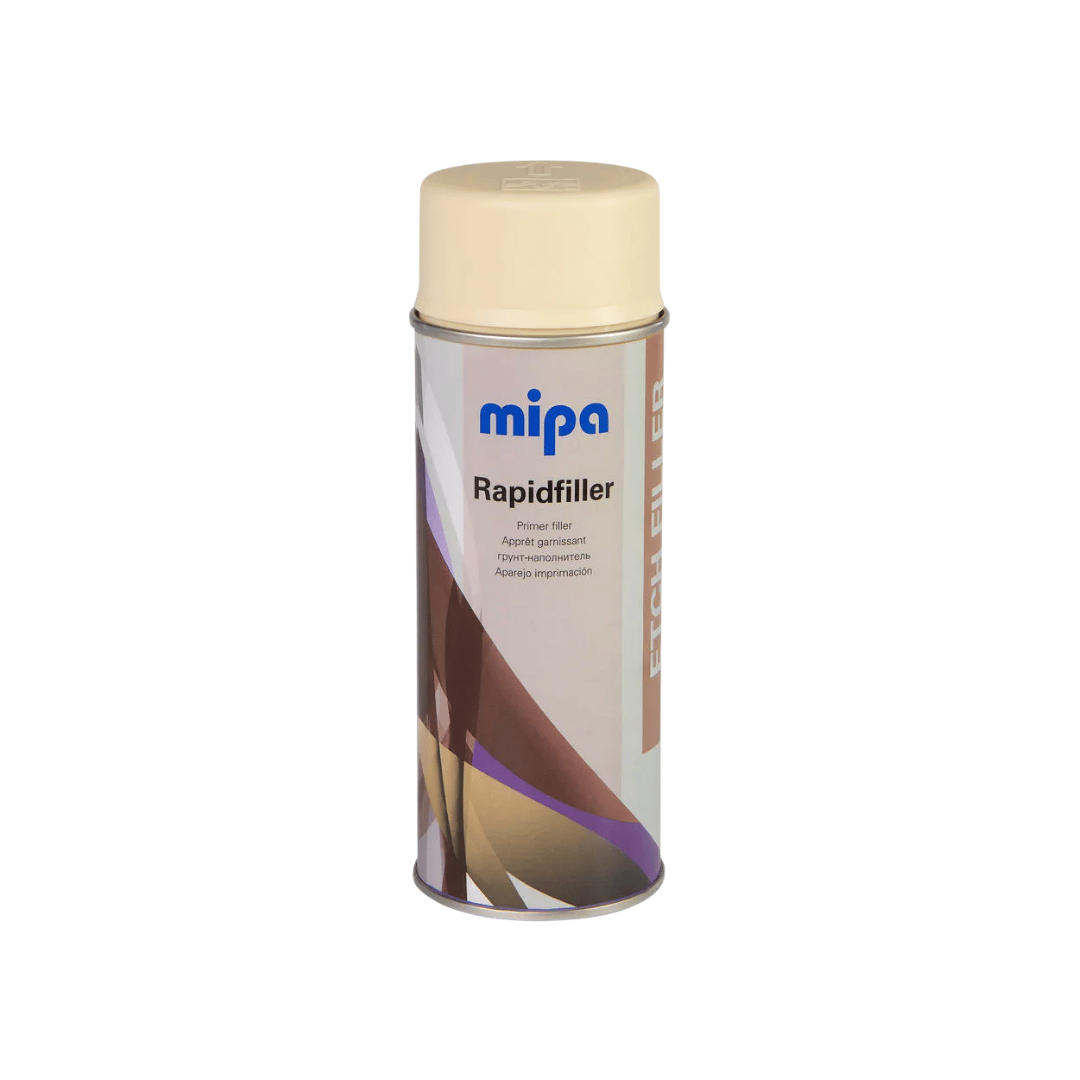
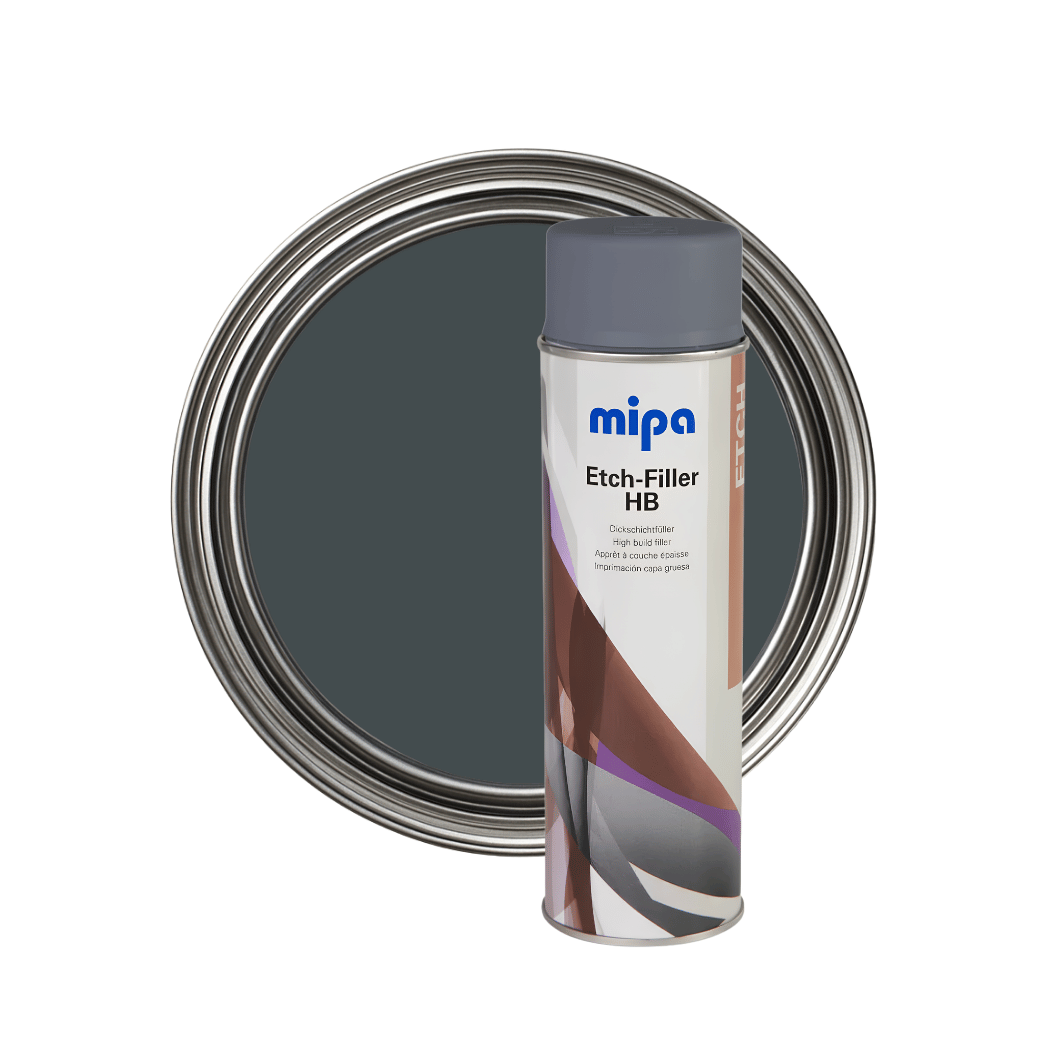
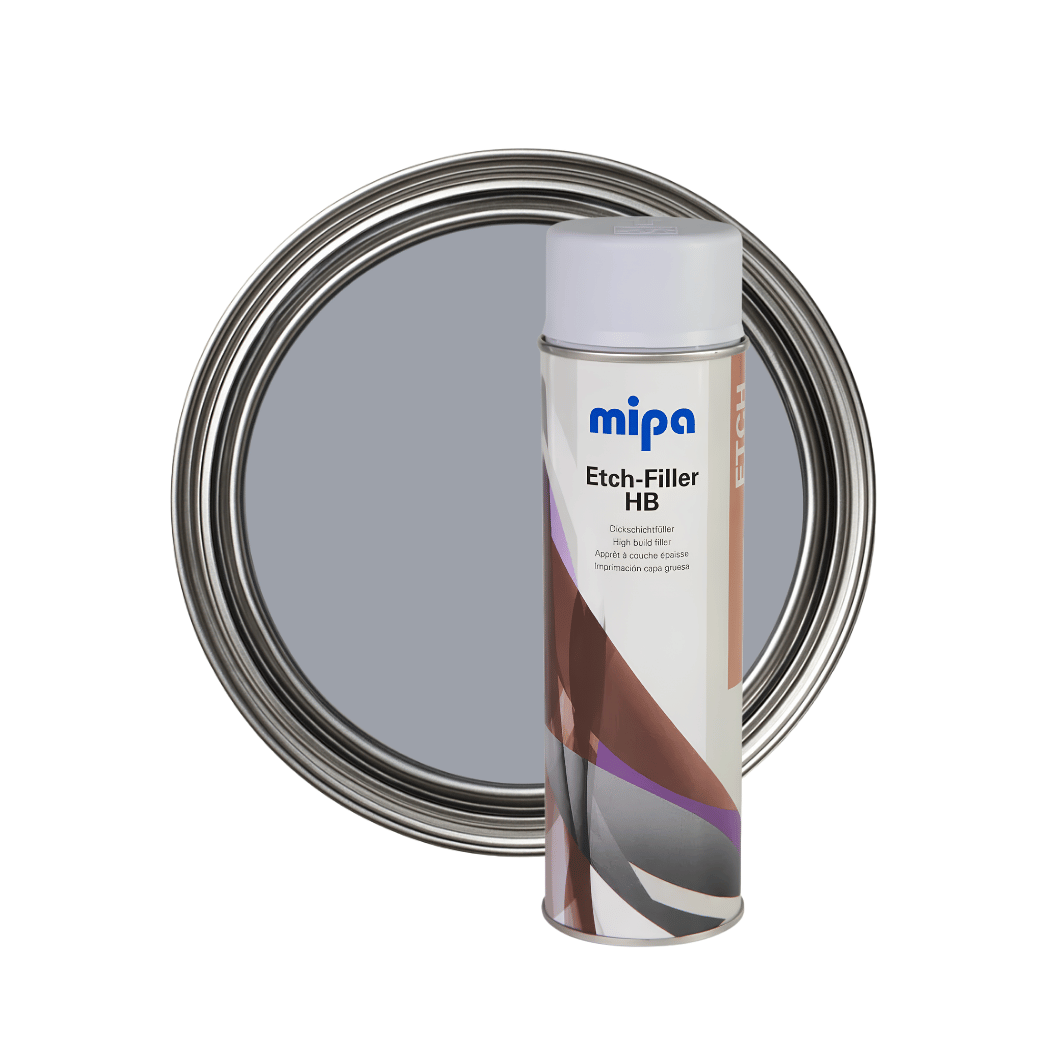
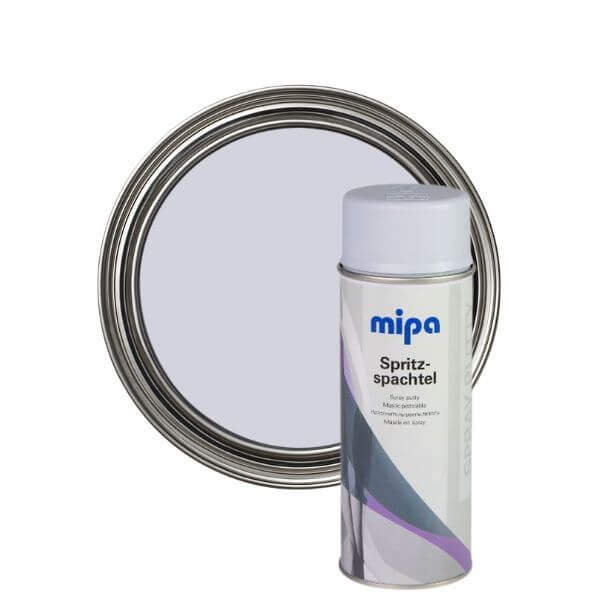
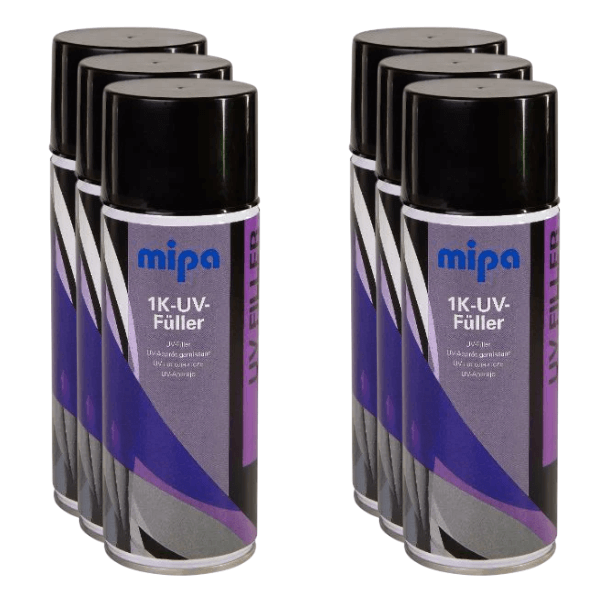
Achieving a perfectly smooth, flawless surface is the foundation of any professional Paint job. Minor imperfections like scratches, pinholes, and sanding marks can compromise the final finish, but with the right preparation, they can be easily eliminated. This is where a high-quality filler primer becomes an essential tool. At Nebula Paints, we provide a premium selection of primer filler spray, engineered to smooth out imperfections and create the ideal substrate for your topcoat.
Achieving a perfectly smooth, flawless surface is the foundation of any professional Paint job. Minor imperfections like scratches, pinholes, and sanding marks can compromise the final finish, but with the right preparation, they can be easily eliminated. This is where a high-quality filler primer becomes an essential tool. At Nebula Paints, we provide a premium selection of primer filler spray, engineered to smooth out imperfections and create the ideal substrate for your topcoat.
Why use a separate primer and filler when you can have the benefits of both in one convenient Aerosol? A primer and filler spray combines the superb adhesion and Corrosion Protection of a traditional primer with the high-build, surface-leveling properties of a Body Filler. Our spray filler products are formulated with a high solids content, which allows them to fill in minor surface defects with each coat, building up a perfectly uniform and smooth base.
This innovative two-in-one solution is a game-changer for Automotive bodywork, Furniture Restoration, and any project that demands a pristine, glass-like finish. The spray paint filler primer saves you valuable time and effort by simplifying the preparation process, allowing you to move from surface prep to final painting faster, without sacrificing quality.
Key Benefits of Using a Filler Primer Spray
For a finish that looks and feels professionally done, starting with a perfectly level surface is non-negotiable. Our primer filler spray paint offers a host of advantages for both professionals and DIY enthusiasts.
-
Exceptional Filling Properties:
The high-build formula effortlessly fills minor scratches, sand marks, and other small surface imperfections.
-
Creates a Flawless Base:
Leaves a super smooth, easily sandable surface that is ready for any topcoat, ensuring an even and professional-looking final finish.
-
Excellent Adhesion:
Provides a strong and durable bond to a variety of surfaces, including bare metal and existing paintwork.
-
Time and Cost Efficient:
Acts as both a primer and filler, streamlining your workflow and reducing the number of products you need to get the job done right.
-
Many of our filler primers also offer excellent anti-corrosion properties, adding an extra layer of protection to metal surfaces.
Your Go-To Supplier for Professional Spray Filler
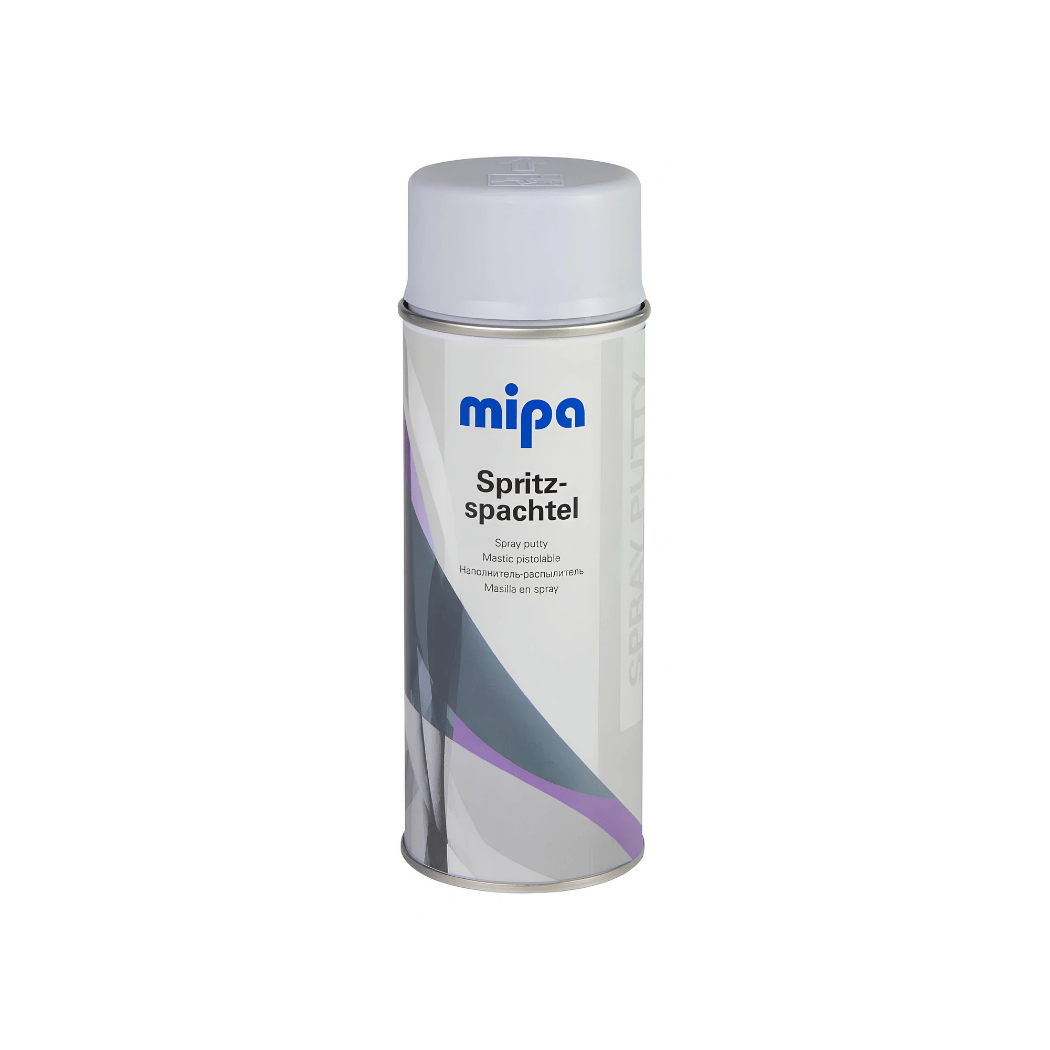
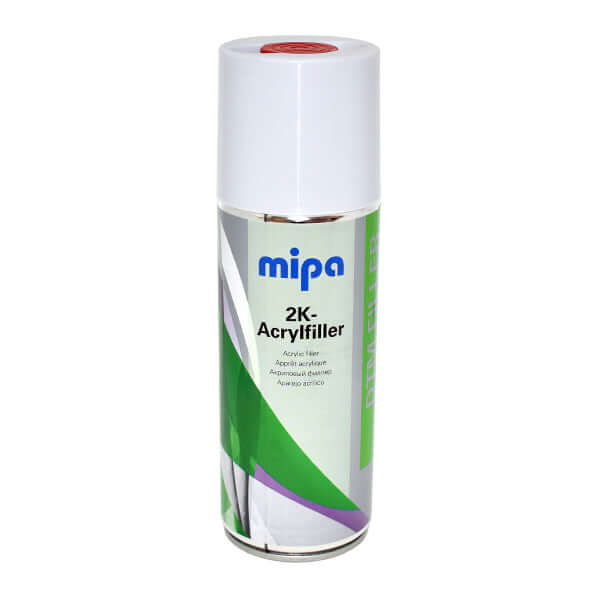
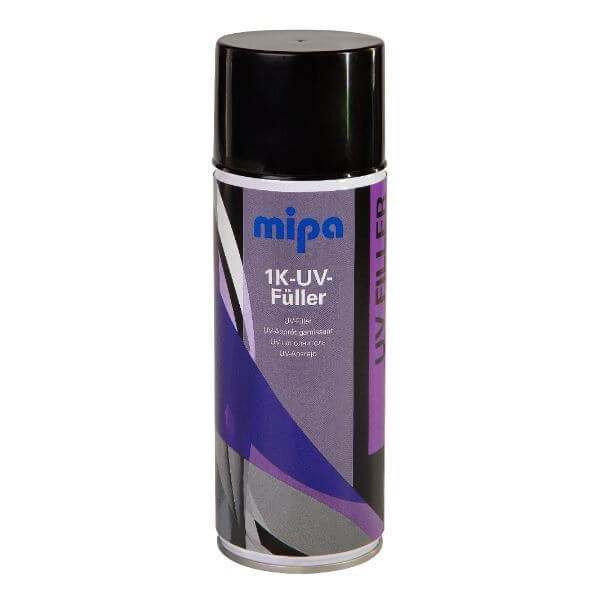
At Nebula Paints, we stock only professional-grade products that you can rely on for outstanding results. Our range of filler primer aerosols from leading brands like Mipa are designed for exceptional performance and ease of use. The convenient spray can application ensures you can lay down a thick, even coat with a smooth, consistent spray pattern, making it simple to achieve a high-build finish.
Whether you're repairing stone chips on a car, restoring an old piece of furniture, or fabricating a new part, our spray filler and primer filler spray paint provide the high-quality, dependable foundation you need for a flawless result. Explore our collection and discover the secret to a truly perfect finish.