Skip to content
  • Cart

    Your cart is empty

    Paint Surface Preparation and Coatings

    For any Paint job to be successful, a flawless finish and long-term durability depend entirely on what you do before the first coat is even applied. The secret to a professional-grade result lies in outstanding coatings and surface preparation and the use of high-performance coatings. Welcome to Nebula Paints, your go-to UK supplier for a complete range of coatings and surface preparation products from the industry's most trusted brands.

    Sort by

    Filters

    Sector
    Product Category
    Product Type
    Brand
    Finish
    Colour Group
    Size
    Surface
    1K/2K

    Filter By

    Sector
    Product Category
    Product Type
    Brand
    Finish
    Colour Group
    Size
    Surface
    1K/2K
    Bestseller
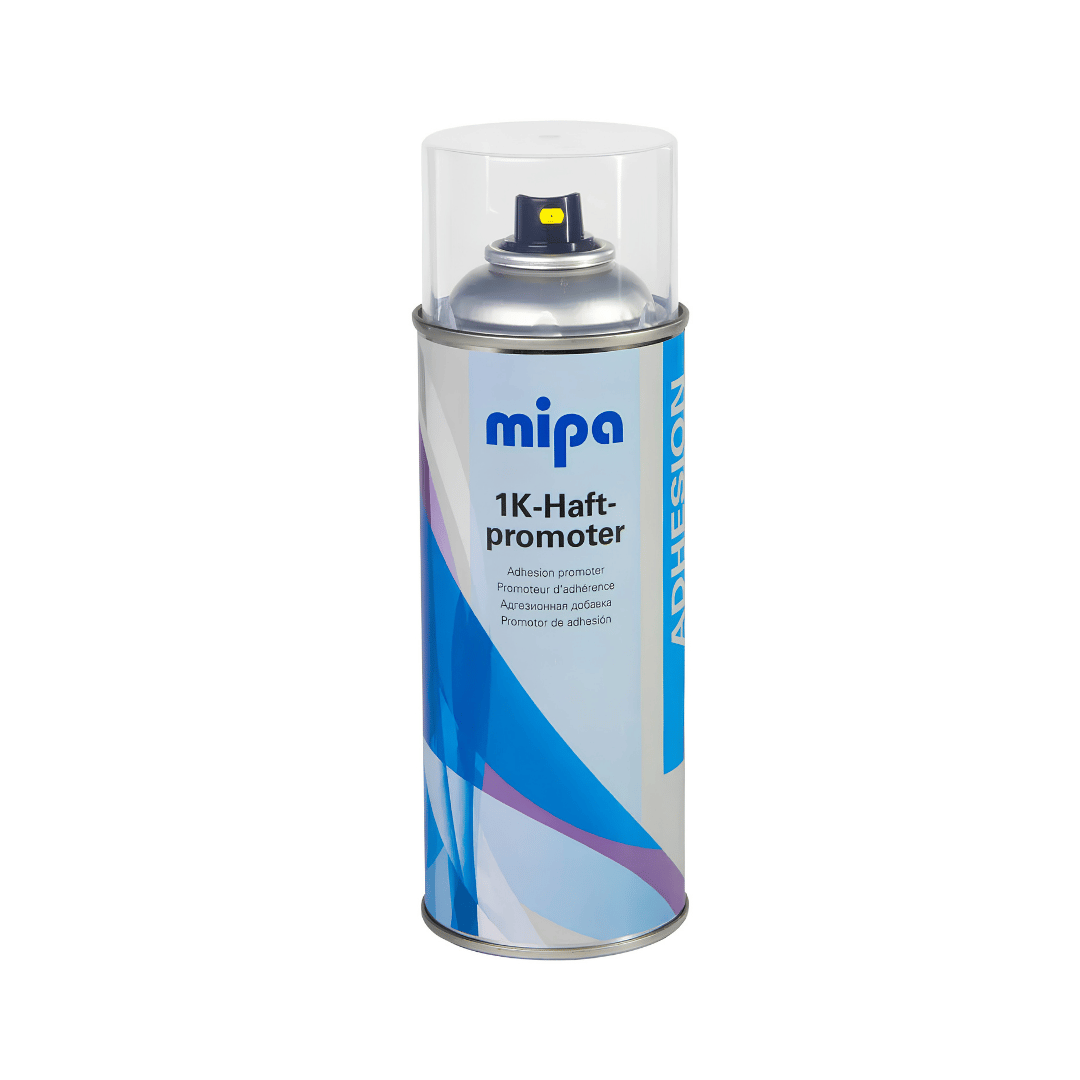
    Mipa 1K Adhesion Promoter (400ML) spray canister for improved paint bonding on surfaces
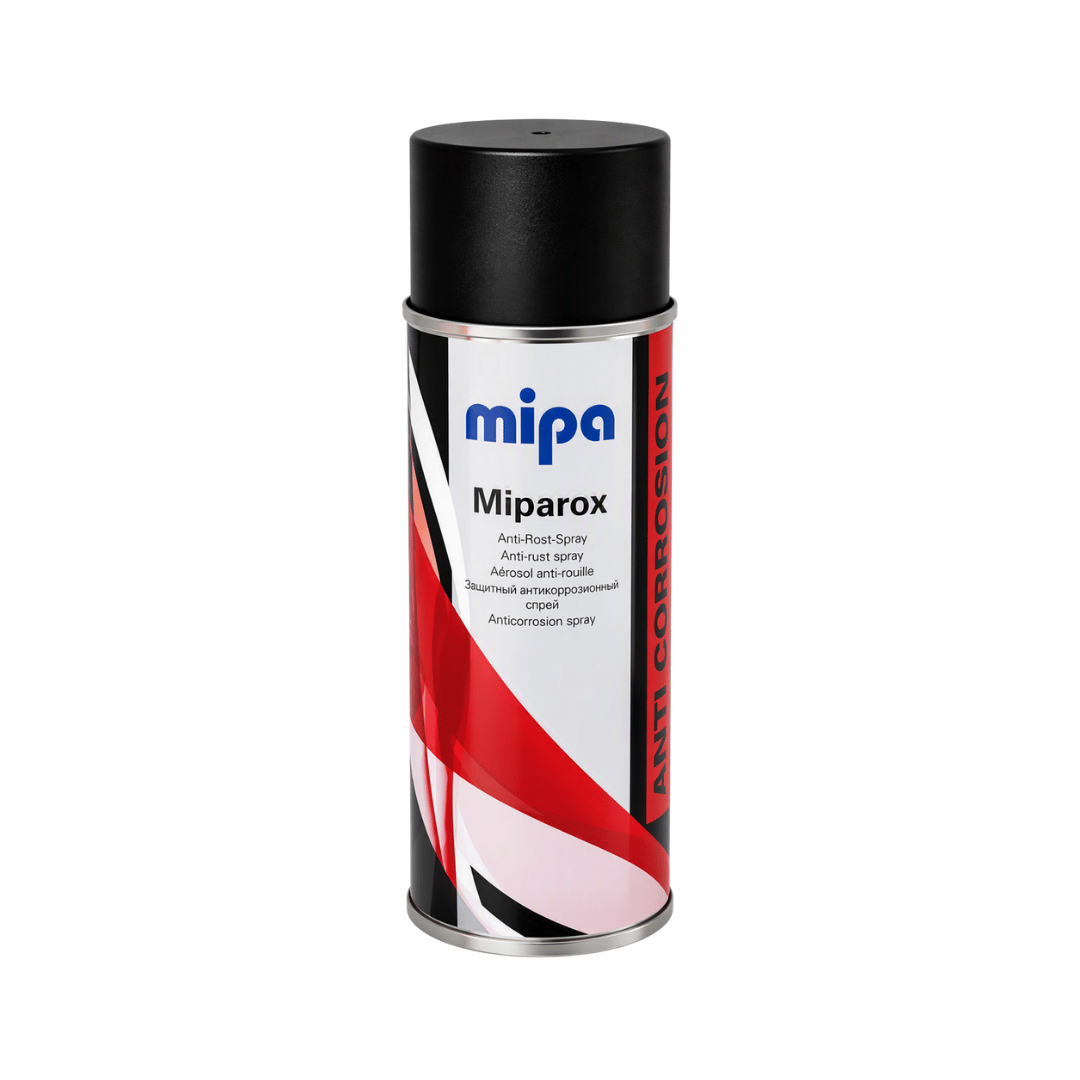
    Miparox Anti Rust Spray (400ml) aerosol can for anti-corrosion protection and rust prevention.
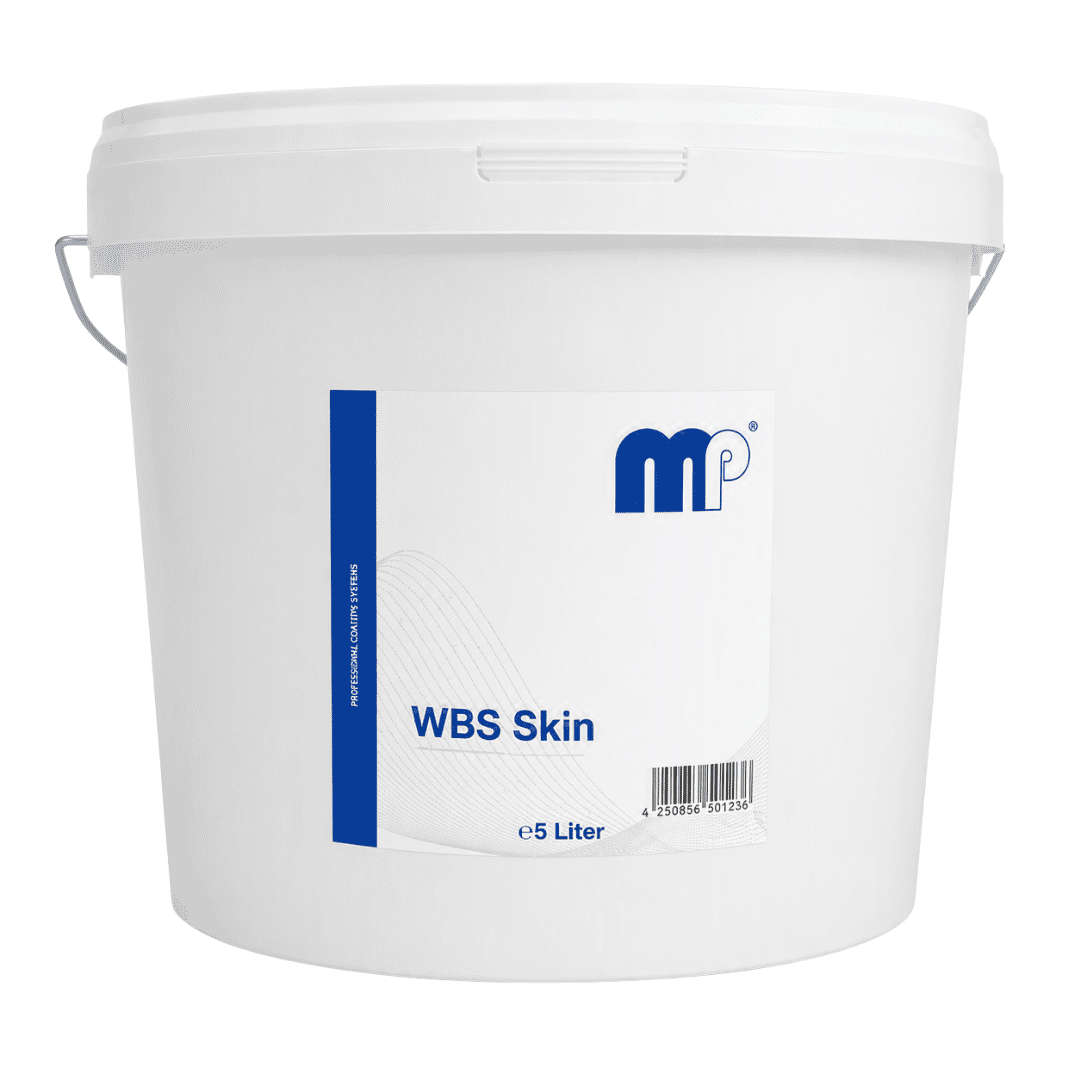
    MP WBS Peelable Booth Coating 5 Litres in a white bucket showcasing brand and product details.
    2 colors available
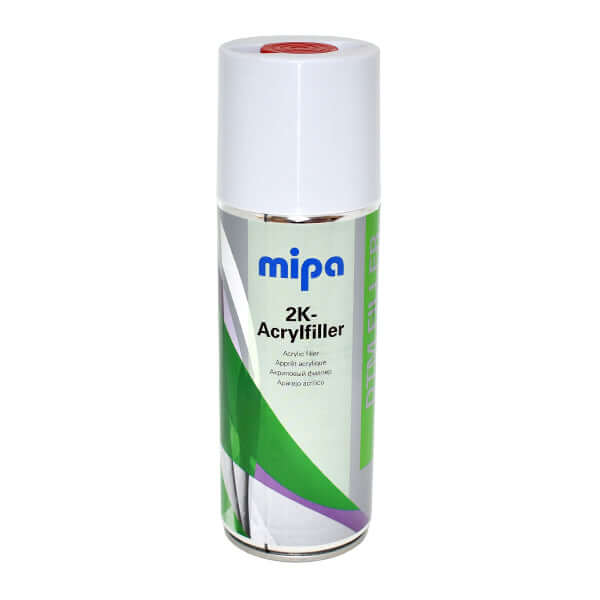
    Mipa 2K Acrylic Filler Spray Including Hardener (400ML) can for high-build fast-drying primer.
    Mipa 2K Primer Kit includes Mipa Silicon Remover & Degreaser Spray for automotive surface preparation.
    MP WBS Booth Coating Anti-Dust 5 Litre water-based spray booth dust control solution.
    Mipa 1K UV Filler Spray (400ML) canister for automotive refinishing and plastic surface repairs.
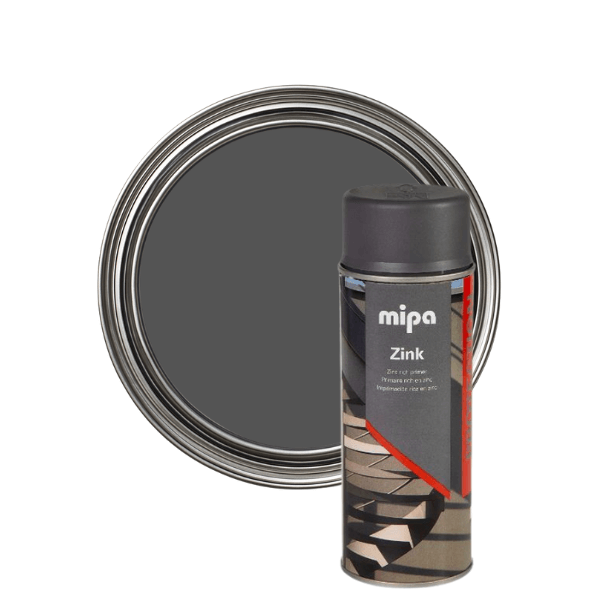
    Mipa Zinc Spray Grey (400ML) can for anti-corrosion protection of ferrous metals, gray color primer spray

    Mipa Zinc Spray Grey (400ML)

    Sale priceFrom £10.42 GBP
    Mipa Guide Coat Aerosol (400ML) for surface irregularity detection in sanding and filler prep.
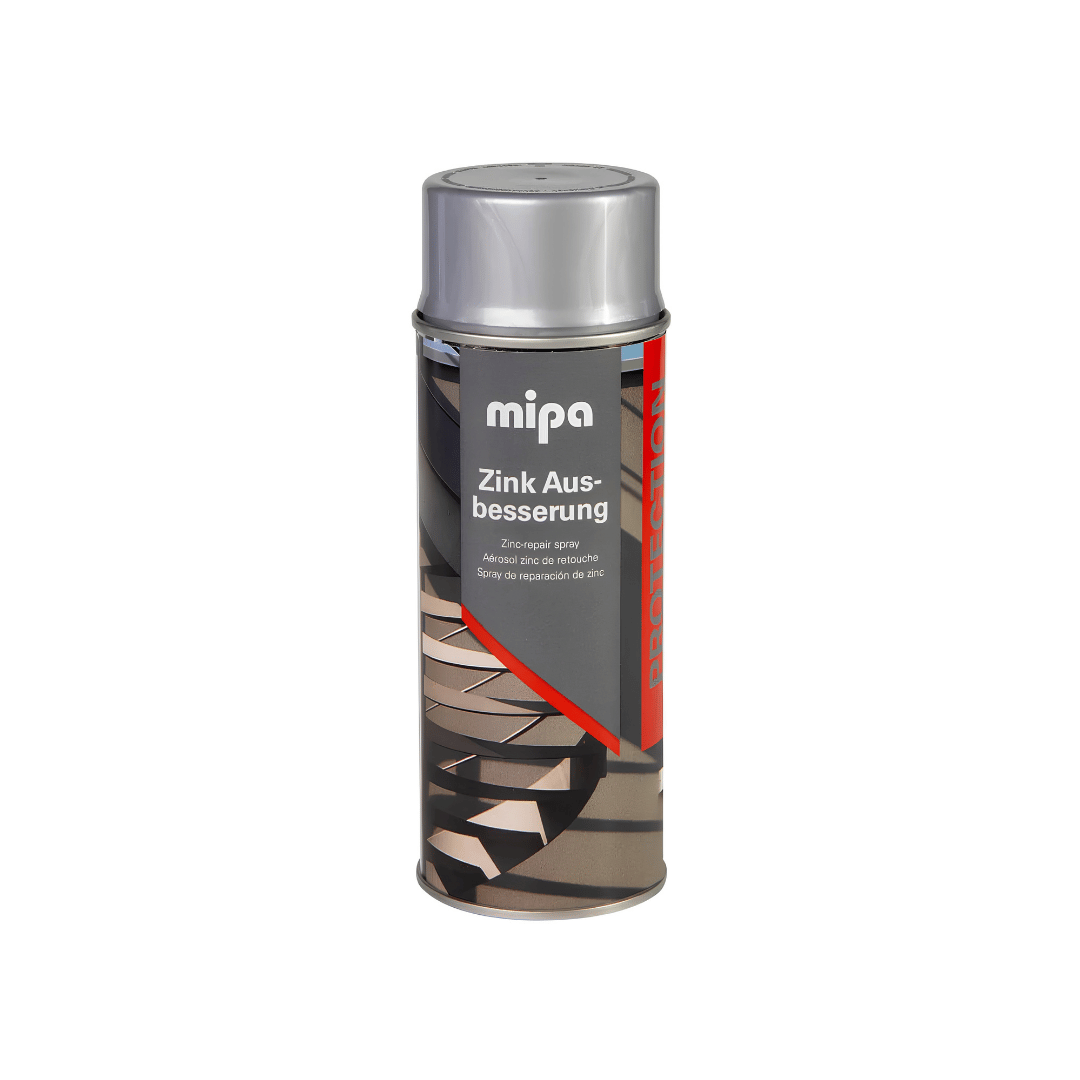
    Mipa Zinc Silver Spray (400ML) canister for fast-drying galvanised surface repair paint.
    Soudal Soudabond 250 Super Tack C&S Contact Adhesive (500ml) in a spray can with Click and Spray feature.
    Soudal Soudabond Easy 1K Gun PU Adhesive (750ml) packaging showing its use for filling and bonding.
    Soudal Trade Decorators Caulk 290ml Sealant tube for professional decorating projects.
    Soudal Trade Multi-Purpose Silicone Sealant (270ml) tube in grey packaging for waterproof sealing.
    5 colors available
    Soudal Multi Spray 8-in-1 Universal Maintenance Spray can with red cap, showcasing essential maintenance solutions.
    Save £65.56Mipa Repair Kit includes various aerosol cans for effective automotive repairs and surface restoration.

    Mipa Repair Kit

    Sale price£49.99 GBP Regular price£115.55 GBP

    Paint Surface Preparation and Coatings Frequently Asked Questions

    Why is surface preparation the most important step in painting?

    Professionals agree that surface preparation is the most critical factor in achieving a durable, long-lasting paint finish. Up to 80% of all paint failures, including peeling, chipping, and blistering, are a direct result of inadequate surface preparation.

    Think of it like building a house: the paint is the final decoration, but the surface preparation is the foundation. If the foundation is weak, the house will not last.

    Proper preparation performs three essential functions:

    • It ensures maximum adhesion. Paint needs a clean, stable, and slightly textured surface to grip onto securely. Without this, it will simply sit on top and will easily peel away.
    • It creates a flawless finish. Preparation removes imperfections like grease, dust, cracks, and old, flaky paint. Painting over these flaws will only highlight them and result in a rough, unprofessional look.
    • It guarantees durability. A well-prepared surface allows the paint to form a strong, protective bond, ensuring the finish can withstand wear and tear for years to come. In short, the time you invest in preparation pays for itself many times over in the quality and longevity of your paint job.

    What are the essential steps for surface preparation?

    While the exact steps can vary slightly depending on the surface, the core process for professional-level preparation remains the same. Following these steps in order will ensure a perfect foundation for your paint.

    1. Clean & Degrease: This is the first and most vital step. The surface must be completely free of all dirt, wax, oils, and other contaminants. Use a quality degreaser or panel wipe and a clean cloth to thoroughly wash the entire area.
    2. Repair & Fill: Carefully inspect the surface for any damage. Fill any cracks, holes, or dents with the appropriate filler and sand it smooth once cured.
    3. Sand / Abrade: This step creates a "mechanical key." By lightly sanding the surface with the correct grit abrasive, you create a microscopic texture that the primer or paint can physically grip onto. This dramatically increases adhesion.
    4. Remove All Dust: After sanding, there will be a layer of fine dust that can ruin your finish. First, vacuum the area, then wipe it down with a damp cloth. For a perfectly clean surface, the final step should be to use a tack cloth, which is a sticky cloth designed to pick up every last particle of dust.
    5. Prime or Seal: Apply the appropriate primer or sealer for the surface. This final preparatory coat ensures maximum paint adhesion, blocks stains, and creates a uniform base for your colour.

    What is the difference between a primer and a sealer?

    The terms "primer" and "sealer" are often used interchangeably, but they are technically different products designed to perform different primary functions. Understanding the distinction is key to choosing the right product.

    • Primer: Its main job is ADHESION. A primer is formulated with special binding agents that allow it to stick strongly to a substrate while also creating the perfect surface for your topcoat of paint to adhere to. Think of it as the ultimate "glue" between the surface and the paint. Many primers also contain pigments to help block stains and create a consistent colour base.
    • Sealer: Its main job is to BLOCK or PROTECT. A sealer's primary function is to create an impermeable barrier. When used as a first coat, it stops porous surfaces like new plaster, concrete, or MDF from soaking up your expensive paint like a sponge. When used as a final coat (as a clear coating), it creates a protective shield over a finish to protect it from moisture, scuffs, or UV rays.

    Simple Analogy: A primer is like double-sided tape, bonding two different surfaces together. A sealer is like a waterproof membrane, stopping anything from getting through.

    Recently viewed