Skip to content
  • Cart

    Your cart is empty

    Paint Tools and Equipment

    Sort by

    On saleMP Disposable Spray Overall 'TechTex' shown on a mannequin, designed for durable and comfortable protection for painters.
    MP

    MP Disposable Spray Overall 'TechTex'

    Sale priceFrom £5.49 Regular price£6.04
    Anest Iwata Maintenance Essential Tool Kit with brushes, cleaning tools, and maintenance products.
    Anest Iwata Three Stage Filter Regulator - Advanced air filtration system for spray guns.
    Viper Guard Mask (AB1P2 Half Face Mask) providing professional respiratory protection against dust and gases.
    Save 5%Anest Iwata AZ1 HTE 2S Suction Spray Gun for precision automotive and industrial coatings.
    Anest Iwata AZ1 HTE 2P Pressure Spray Gun showcasing its professional-grade design and HTE technology.
    ANEST IWATA Side Gravity Gun Holder (1 Gun) – secure storage solution for spray guns
    ANEST IWATA Magnetic Adaptor Holder for PPS and RPS mounted on a spray gun.
    ANEST IWATA Magnetic Spray Gun Tester (Complete Set) usage guide showcasing spray pattern testing instructions.
    ANEST IWATA Magnetic Spray Gun Holder - Durable magnetic stand for organized spray guns and air hoses.
    On saleANEST IWATA W-300 WB Spray Gun with a gravity feed cup and sleek design for precision painting.
    MP Masking Foil Light Roll - 120m x 480cm on a roll, designed for efficient vehicle masking solutions.
    Save 17%MP Spray Gun Cleaning Set – Complete maintenance tools including brushes, needles, and oil flasks in a compact organizer.
    MP

    MP Spray Gun Cleaning Set

    Sale price£16.99 Regular price£20.55
    Save 45%MP Hydro Silver Roll 100m x 600cm - Premium anti-humidity vehicle masking foil roll.
    MP

    MP Hydro Silver Roll 100m x 600cm

    Sale price£34.99 Regular price£64.13
    ANEST IWATA 10M ANTI STATIC HOSE - Blue high-performance air hose for professional spray painting.
    ANEST IWATA Cleaning Needles (Set of 12) – Precision tool for flawless paintwork and touch-ups.

    Paint Tools and Equipment Frequently Asked Questions

    How do you clean paint tools & equipment?

    Properly cleaning your tools immediately after use is the best way to protect your investment and ensure they perform perfectly for your next project. The cleaning method depends entirely on the type of paint you have used.

    For Water-Based Paints (Emulsion, Acrylics):

    1. Remove Excess Paint: Scrape as much paint as possible from brushes and rollers back into the tin.
    2. Wash Thoroughly: Use warm, soapy water. For brushes, work the bristles against the bottom of a bucket to loosen the paint. For rollers, remove the sleeve and wash it until the water runs clear.
    3. Rinse and Dry: Rinse thoroughly with clean water, shake out the excess, and hang brushes or stand rollers on their end to dry completely. A brush comb can help reshape the bristles.

    For Solvent-Based Paints (Oil-Based, Enamels, 2K):

    1. Safety First: Work in a well-ventilated area and wear solvent-resistant gloves.
    2. Use the Right Thinner: Pour a small amount of the appropriate paint thinner or brush cleaner into a jar or old tin.
    3. Clean the Tool: Work the brush or roller in the thinner until the paint dissolves. You may need to repeat this with a second, cleaner batch of thinner for a perfect result.
    4. Final Wash & Dry: Once clean, you can give the tools a final wash in warm soapy water to remove the solvent residue. Shake out the excess and allow them to dry completely before storing.

    What tools and equipment do you need for painting?

    Having the right tools is essential for any painting project, big or small. A good toolkit not only makes the job easier but also drastically improves the quality of your final finish. Here is a checklist of essential equipment:

    1. Surface Preparation (The most important stage):

    • Dust Sheets & Paint Protection: To protect your floors, furniture, and belongings.
    • Masking Tape: For creating sharp, clean lines and protecting edges, windows, and trim.
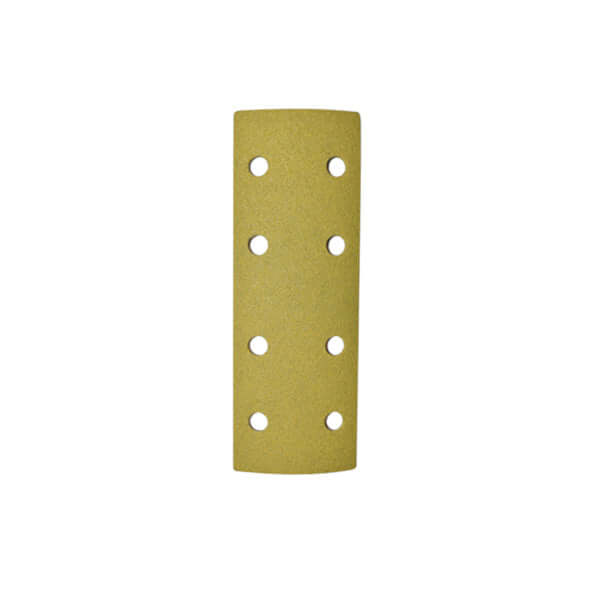
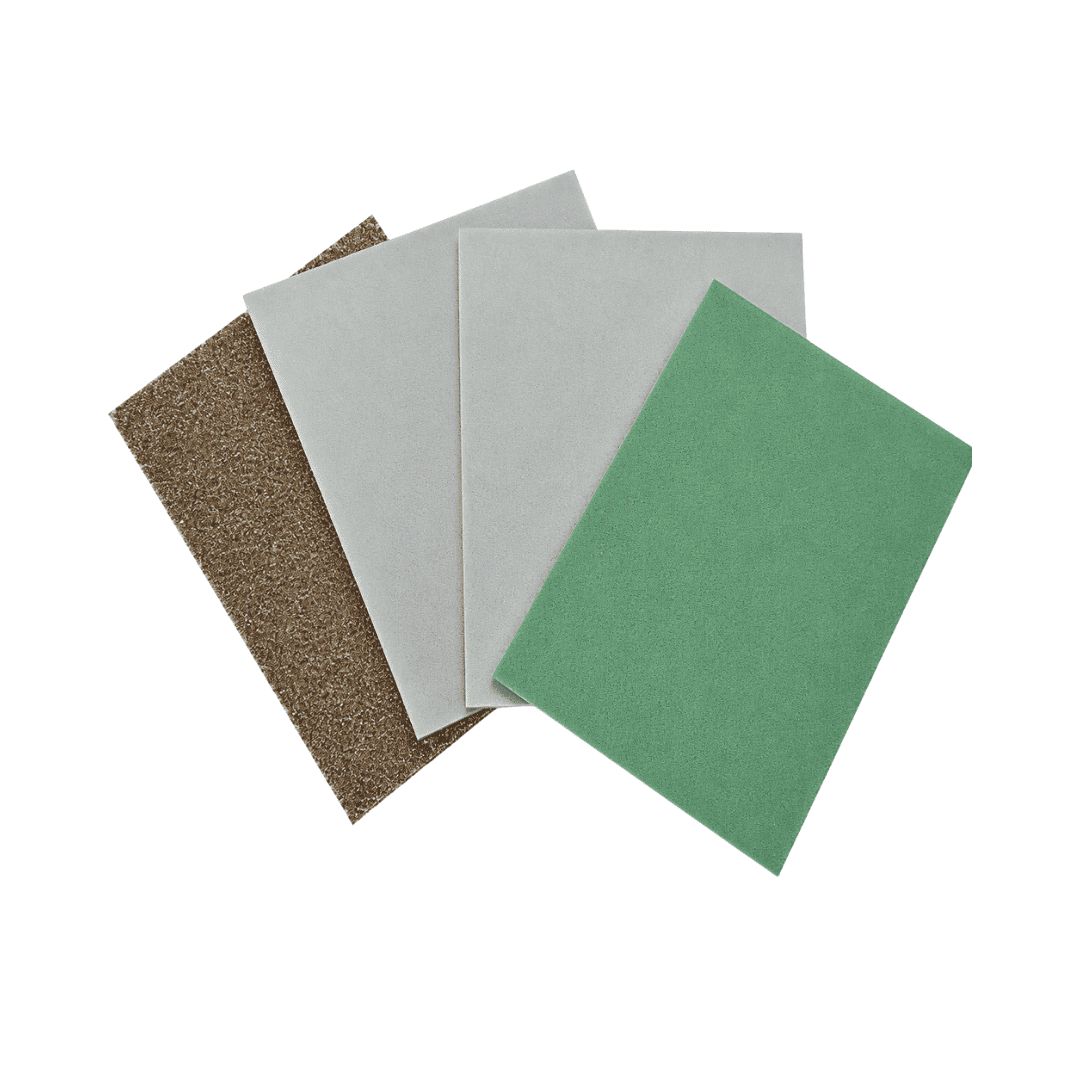
    • Sandpaper or Sanding Blocks: Essential for "keying" the surface for adhesion and smoothing imperfections.
    • Degreaser & Cleaning Cloths: To ensure the surface is completely free of dirt and grease.
    • Filler: For repairing any cracks, holes, or dents before you start.

    2. Paint Application:

    • Paint Brushes: A selection of high-quality brushes in various sizes is crucial.
    • Paint Rollers & Trays: For efficiently painting large, flat surfaces like walls and ceilings.
    • Paint Scuttle or Kettle: For decanting paint to make it easier to work with.
    • Spray Gun Equipment: For larger projects or for achieving the ultimate smooth finish (requires a compressor, hoses, etc.).

    3. Safety & Cleaning:

    • Gloves: To protect your hands from paint and cleaning chemicals.
    • Goggles: To protect your eyes from splashes and fumes.
    • Mask / Respirator: Essential when sanding or spray painting to protect your lungs from dust and harmful vapours.
    • Paint Thinners & Cleaners: For cleaning solvent-based paints from your tools.

    How do you remove spray paint from tools?

    Cleaning spray paint from tools, especially spray guns, is vital for maintaining their performance. The method depends on whether the paint is wet or has already hardened.

    For Wet Spray Paint (Immediately after use):

    This is the easiest time to clean. The cleaning agent depends on the paint you used:

    • Water-Based Spray Paint: Flush the equipment with water until it runs clear.
    • Solvent-Based Spray Paint (including 2K and cellulose): You must use a dedicated gun wash or the appropriate thinner for the paint. Run the thinner through the spray gun until all traces of colour are gone. Disassemble the nozzle and air cap and clean them separately.

    For Cured / Hardened Spray Paint:

    This is more difficult and requires stronger solvents and more time.

    1. Disassemble: Take apart the spray gun nozzle, air cap, and needle. For other tools, remove any plastic or rubber parts that could be damaged by the solvent.
    2. Soak the Parts: Submerge the metal components in a powerful gun wash or a paint stripper. Let them soak for several hours or even overnight. This will soften and break down the hardened paint.
    3. Mechanical Cleaning: After soaking, use a spray gun cleaning kit, which includes small brushes, picks, and needles. Gently scrub and pick away the softened paint from all the small orifices and threads. Never use a hard metal tool that could scratch or damage the delicate parts.
    4. Final Flush: Once all the cured paint is removed, reassemble the tool and give it a final flush with clean thinner to remove any last residue.

    Recently viewed