Skip to content
  • Cart

    Your cart is empty

    Abrasives and Sanding

    Sort by

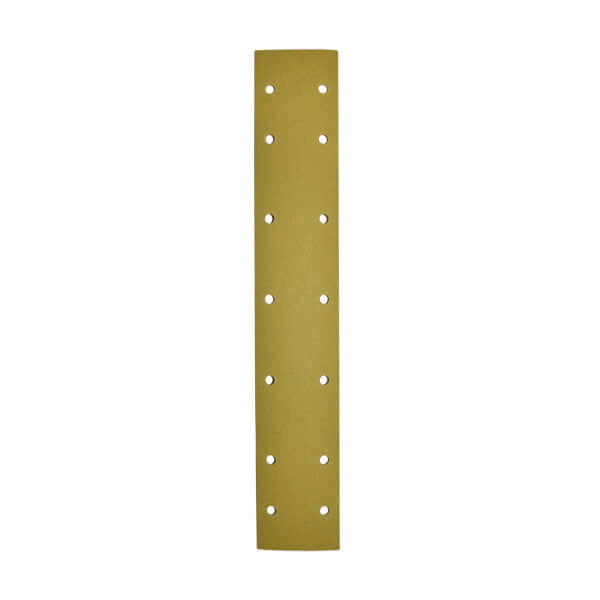
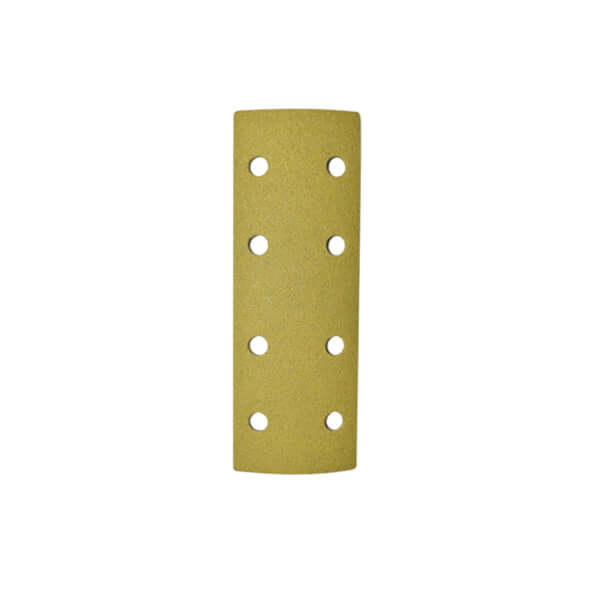
    Save 14%MP Goldfilm 70 x 198mm 8 Hole Velcro P150 MP
    Save 91%MP Finish Pad Soft (Box of 12) (P320-P1500)
    MP

    MP Finish Pad Soft (Box of 12) (P320-P1500)

    Sale price£4.99 Regular price£53.52
    Save 16%MP Finish Polish 1 Litre bottle, high gloss finishing compound for P3000 scratch removal.
    MP

    MP Finish Polish (1L)

    Sale price£22.99 Regular price£27.44
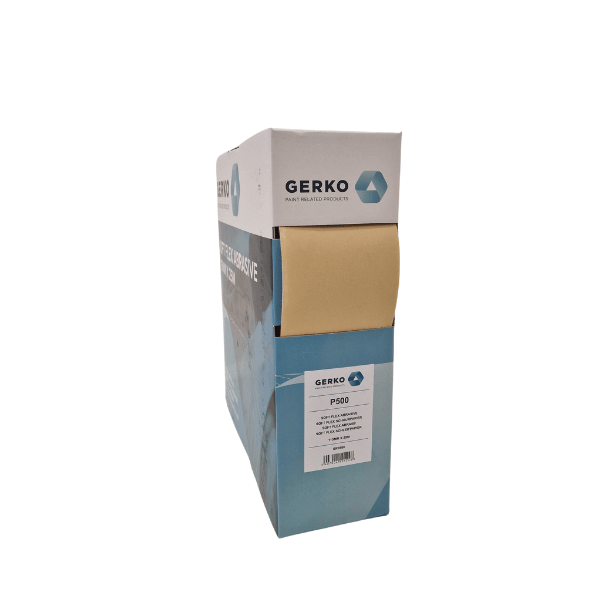
    Gerko Soft Flex 115mm X 25m P500 packaging for foam-backed sanding rolls, showcasing versatility and convenience.
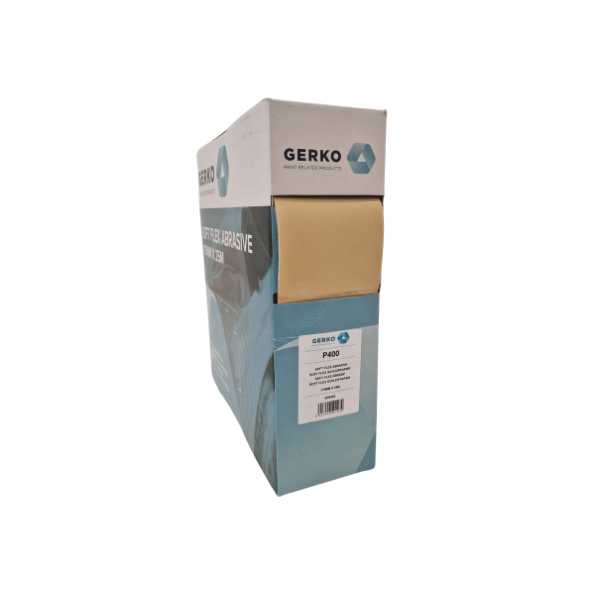
    Gerko Soft Flex Abrasive Pads 115mm x 25m P400 Grit pack side view for versatile sanding.
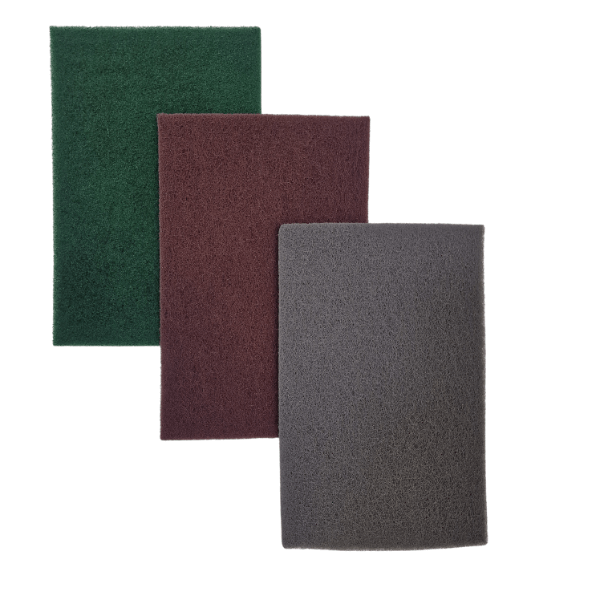
    MP Abrasive Fleece Pad Very Fine 152 x 229 mm (red) - Durable non-woven pad for scuffing non-painted surfaces.
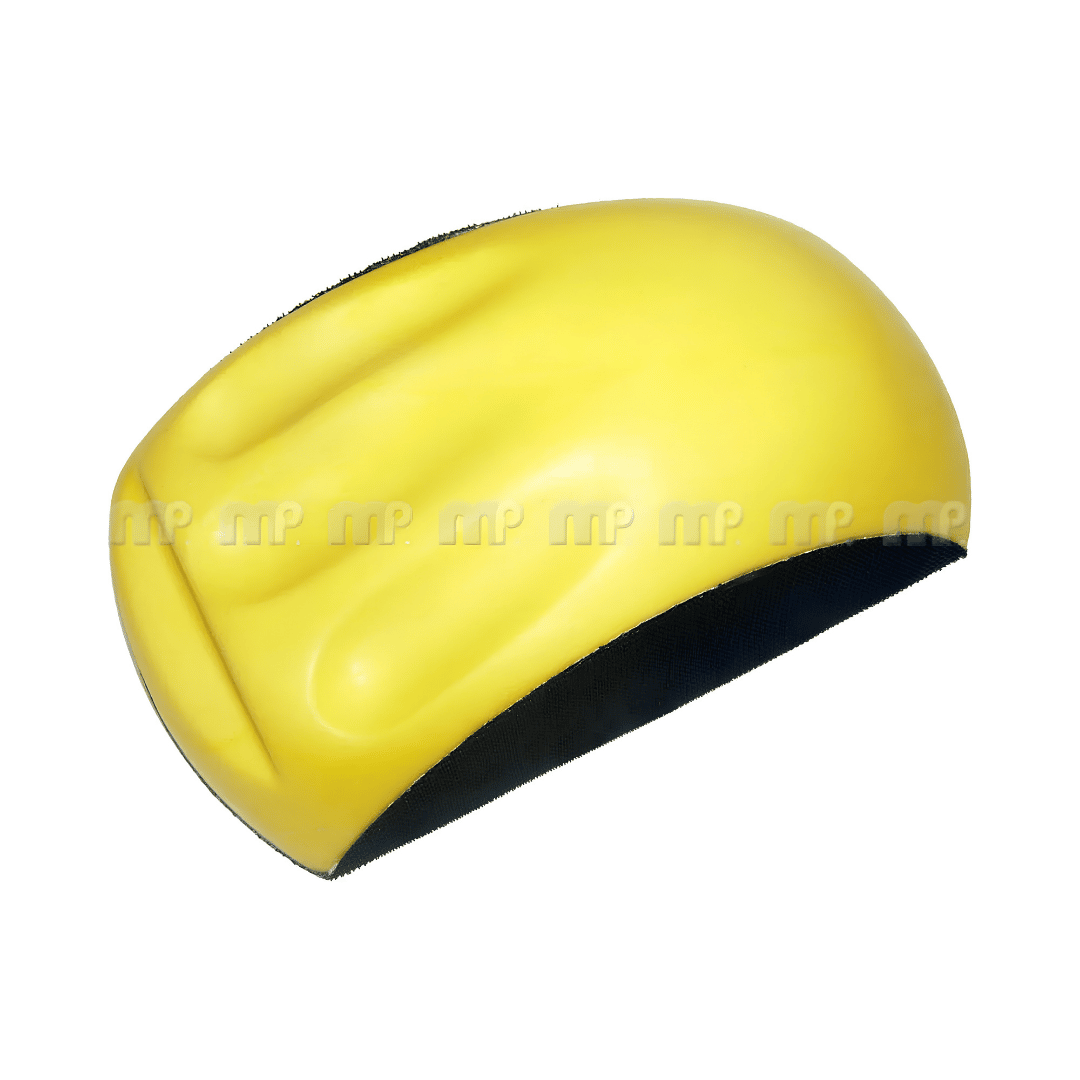
    MP Sanding Block for De-Nibbing in blue, designed for precision and efficiency in automotive coating applications.
    On saleMP P1500 Sanding Patches - Flexible abrasive patches for exceptional finishing results.
    MP

    MP Sanding Patches (Pack of 500)

    Sale priceFrom £44.99 Regular price£87.28
    Gerko Scuff Rolls Ultra Fine 115mm X 10M Grey roll showing flexible non-woven abrasive surface for de-polishing.
    Gerko Scuff Rolls Very Fine 115mm X 10M Red non-woven abrasive tissue roll for sanding surfaces.
    MP Wet & Dry Abrasive Paper 230 x 280mm P800 for precision sanding on delicate surfaces.
    MP Finish Disc P2000 - Flexible abrasive disk for professional finishing, durable for wet or dry use.
    On saleMP Sanding Disc X-act 75mm P3000 - Set of various sanding discs shown in circles with a green surface.
    MP

    MP Sanding Disc X-act (Pack of 25)

    Sale priceFrom £32.99 Regular price£40.00
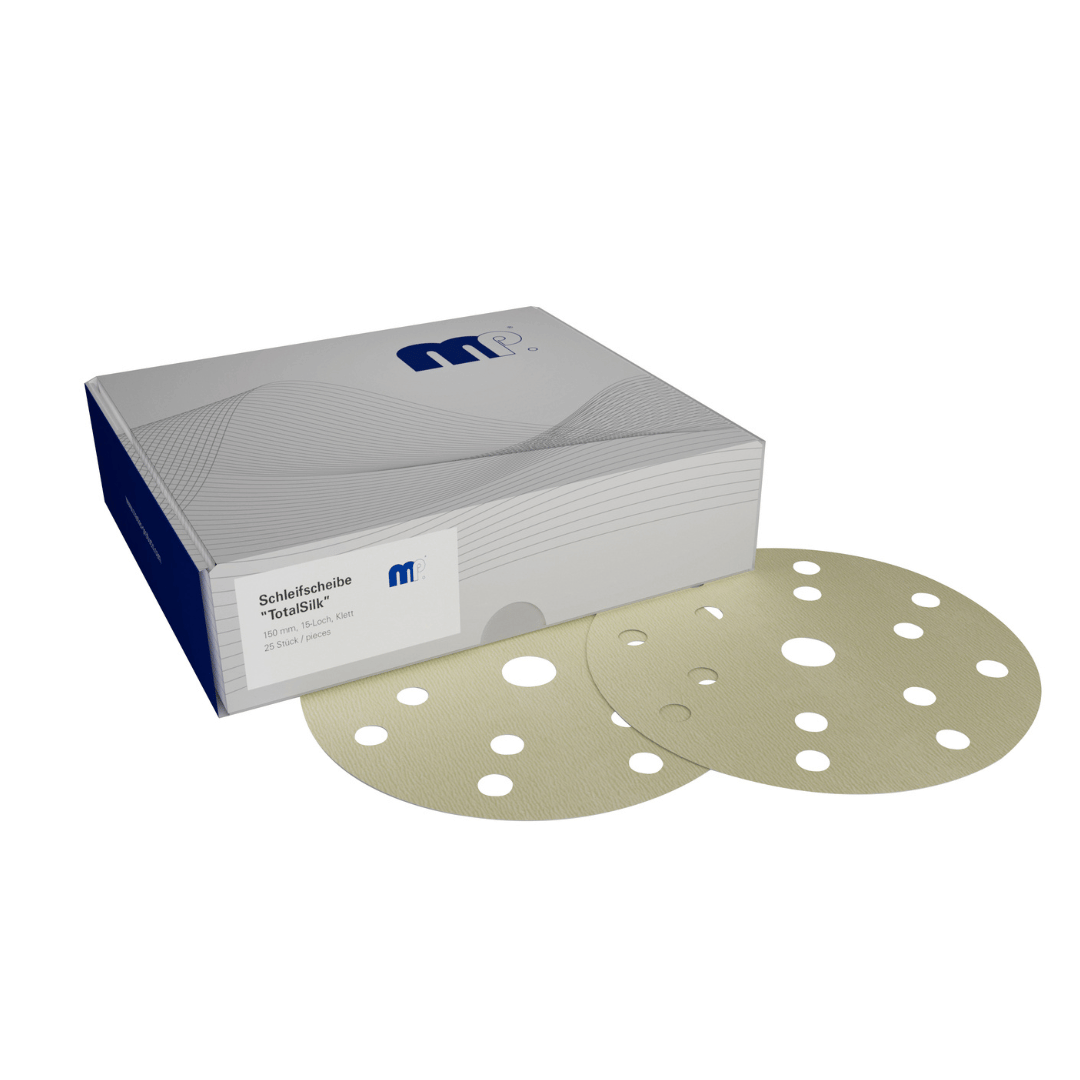
    MP MasterNet Discs 150mm P80 round net abrasive for dust-free performance
    MP Sanding Pad 150mm - Versatile back-up pads in blue and red for all sanding needs.
    Save 23%MP Masternet Discs 150mm Full Dust Extract Velcro P400 MP

    Abrasives and Sanding Frequently Asked Questions

    What types of abrasives are there?

    "Abrasives" is a broad term for materials used to shape, smooth, or clean a surface through friction, such as sanding or grinding. While sandpaper is the most common type, they come in many different forms and materials to suit various tasks.

    Common Forms of Abrasives:

    • Sanding Sheets: The classic form, used for hand sanding or with a sanding block.
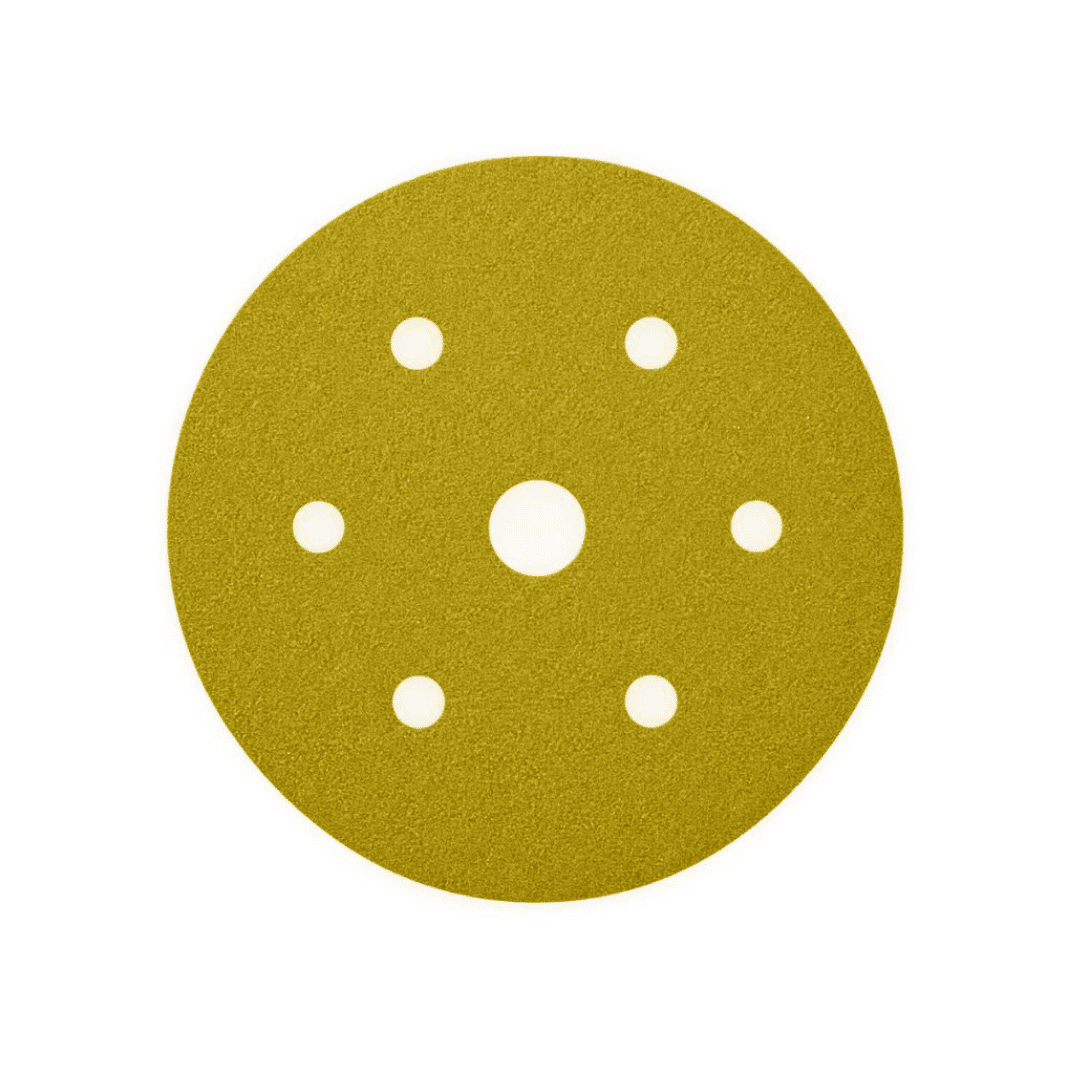
    • Sanding Discs: Designed for use with orbital or random orbit sanders, ideal for quickly sanding large, flat surfaces.
    • Sanding Rolls: A continuous roll of abrasive paper that can be torn to the desired length, making it economical for various jobs.
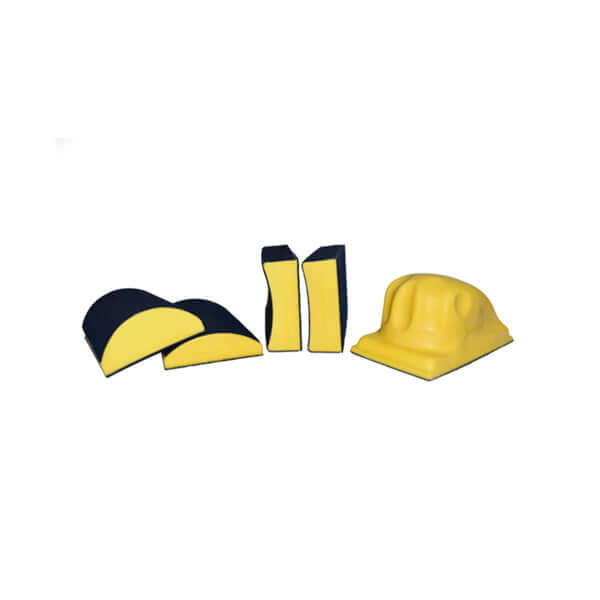
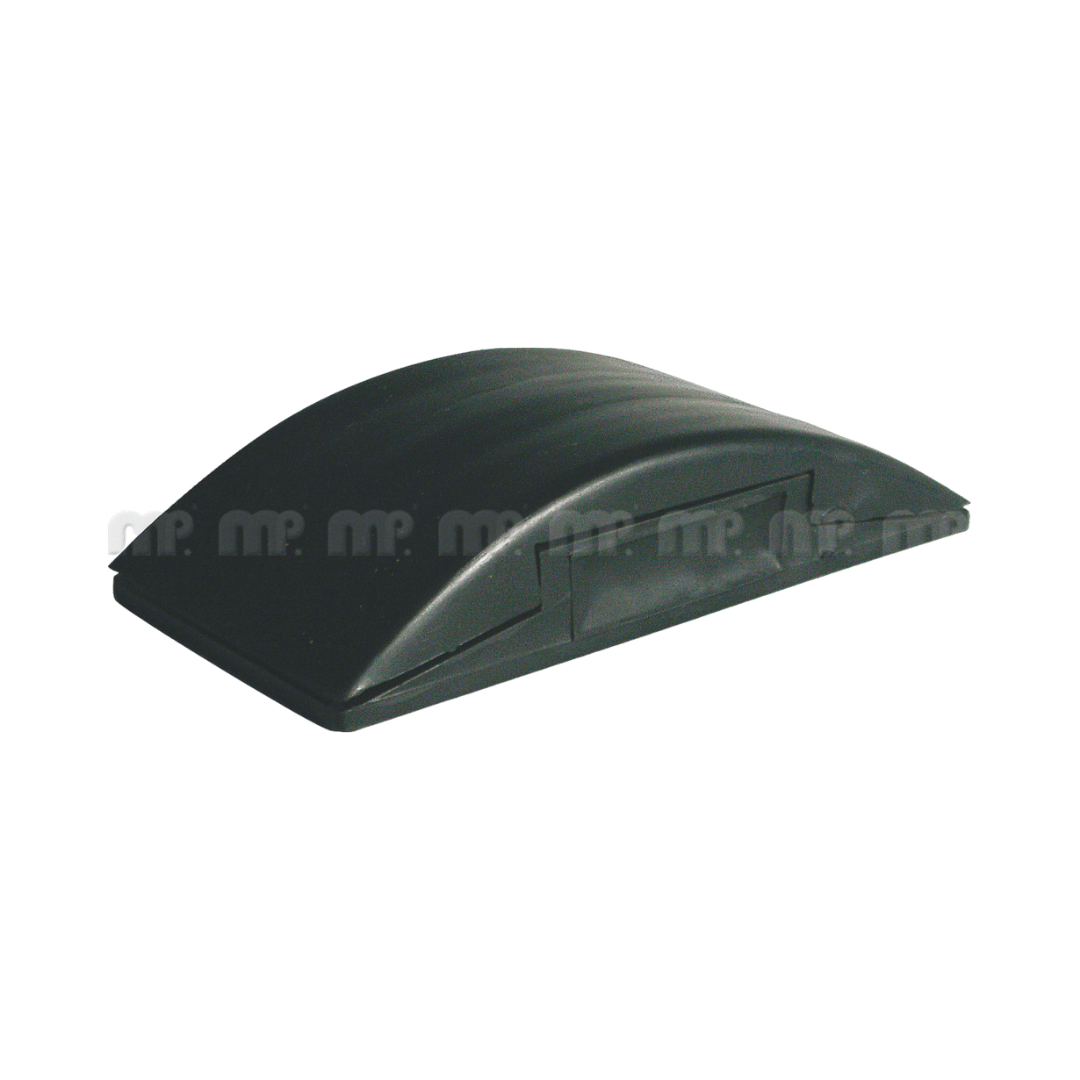
    • Sanding Blocks & Sponges: Flexible foam blocks coated with abrasive grit, perfect for sanding curved shapes, mouldings, and profiles.
    • Scuff Pads: A non-woven abrasive pad (like a heavy-duty kitchen scourer) used for keying surfaces, removing rust, and providing a uniform matte finish.

    Common Abrasive Materials:

    • Aluminium Oxide: The most common and versatile abrasive. It's durable and great for sanding wood, metal, and painted surfaces.
    • Ceramic Alumina: A very tough and sharp synthetic abrasive. It's excellent for aggressive material removal, such as power sanding and shaping body filler.
    • Silicon Carbide: A very sharp abrasive that is ideal for sanding harder materials like metal, plastic, and for wet sanding applications.

    What do the grit numbers on sandpaper mean?

    The number on sandpaper refers to its "grit" level, which indicates the coarseness of the abrasive material. The number is determined by how many abrasive particles can fit into one square inch of the paper.

    It's a simple system to remember: the lower the number, the coarser the sandpaper; the higher the number, the finer the sandpaper.

    Here is a general guide to the different grit levels and their uses:

    Coarse (P40 - P80):

    • Use: Heavy-duty work. Ideal for stripping old paint, removing rust, shaping body filler, and aggressive removal of wood.

    Medium (P100 - P180):

    • Use: General purpose sanding. Perfect for preparing bare wood for its first coat of primer, smoothing out filler, and general surface preparation.

    Fine (P220 - P400):

    • Use: Finishing and preparation between coats. Used for creating a super smooth surface before painting and for lightly sanding ("keying") between coats of primer and paint for maximum adhesion.

    Very Fine (P600 - P1200):

    • Use: Perfecting the finish. Used for de-nibbing final paint coats (removing tiny dust specks) and for wet sanding to achieve a glass-smooth surface.

    Ultra Fine (P1500 and above):

    • Use: Polishing. These grits are used in the final stages of polishing, often with water (wet sanding), to create a high-gloss, reflective shine on clear coats and metals.

    How do I know what type of sandpaper to use?

    Choosing the right sandpaper grit is essential for getting the best result without creating unnecessary work. Using a grit that is too coarse will leave deep scratches, while a grit that is too fine will take forever to get the job done.

    Here’s a simple guide based on your task:

    If you are STRIPPING old paint or heavy rust:

    • Start with: A coarse grit like P60 or P80 to remove the material quickly.

    If you are SANDING BARE WOOD before painting:

    • Use: A medium grit like P120 or P180 to create a smooth, ready-to-prime surface.

    If you are SMOOTHING BODY FILLER:

    • Start with: P80 to shape the filler, then move to P180 and P240 to refine the shape and feather the edges.

    If you are SANDING BETWEEN COATS of paint or primer:

    • Use: A fine grit like P320 or P400. This will create a "key" for the next coat to stick to without being too aggressive.

    If you want a FLAWLESS, GLASS-LIKE FINISH on a final coat:

    • Use: A very fine grit like P800, P1200, or higher, typically with water (wet sanding), to remove any minor imperfections before polishing.

    Always start with the coarsest grit required to complete the job efficiently, then work your way up progressively through the finer grits to remove the scratches from the previous level.

    Recently viewed