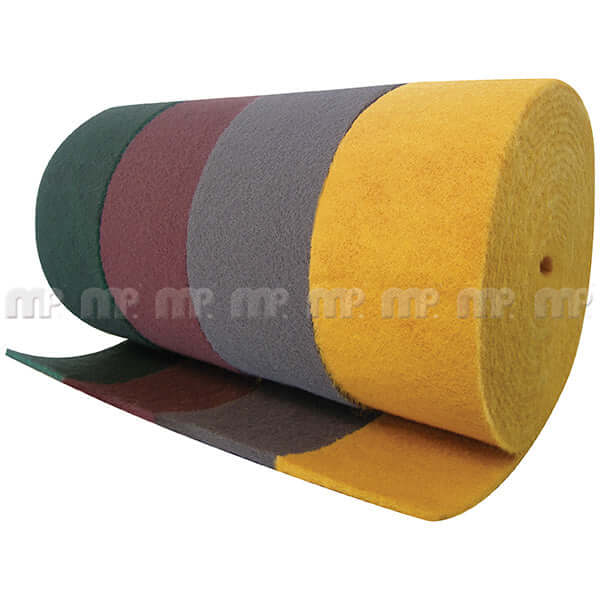
Every professional or expert DIY painter knows that a mirror-smooth finish is impossible without a perfectly prepared surface. High-quality abrasives are the absolute cornerstone of this preparation. At Nebula Paints, we are a UK distributor of professional-grade finishing supplies, offering a complete range of sandpaper, sanding discs, and accessories to ensure your surface is flawlessly smooth and ready for Paint.
Every professional or expert DIY painter knows that a mirror-smooth finish is impossible without a perfectly prepared surface. High-quality abrasives are the absolute cornerstone of this preparation. At Nebula Paints, we are a UK distributor of professional-grade finishing supplies, offering a complete range of sandpaper, sanding discs, and accessories to ensure your surface is flawlessly smooth and ready for Paint.
The Foundation of a Flawless Paint Finish
Using the right abrasives not only makes the job faster and easier but also dramatically improves the adhesion and final appearance of your coatings. From rapid stripping to ultra-fine finishing, we have the tools you need for a perfect result.
Why the Right Sandpaper is Non-Negotiable
Sanding is the most critical step in the entire painting process. It's the difference between a finish that looks incredible and lasts for years, and one that fails quickly.
-
Creates a Mechanical Key:
Sanding creates microscopic scratches on the surface, giving the next layer of primer or paint something to grip onto. Without this 'key', your paint is far more likely to peel or chip.
-
Levels Imperfections:
Whether it's smoothing Body Filler, feathering out a paint edge, or flattening a primer coat, sandpaper is essential for creating a truly flat and even surface.
-
Removes Old Finishes and Defects:
Before you can apply a new coating, the old one must be removed or abraded. The right abrasives make quick work of removing rust, old paint, and other surface contaminants.
The Right Abrasive for Every Stage of the Job
Different stages of a project require different types and grits of abrasive. Starting with a coarse grit for material removal and progressively moving to a finer grit for finishing is the key to an efficient and smooth workflow.
-
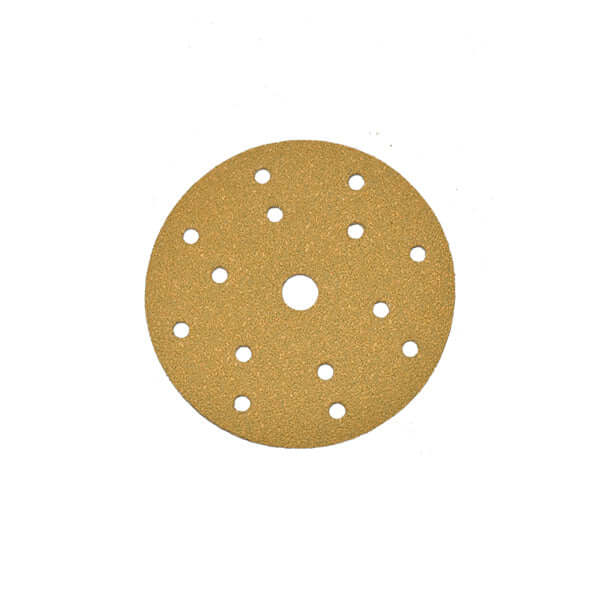
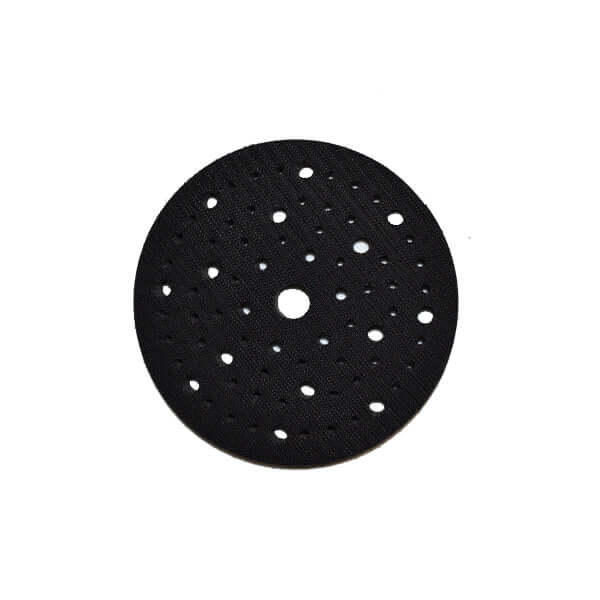
Sanding Discs:
Designed for use with orbital or DA sanders, our sanding discs are perfect for rapid material removal and achieving a uniform finish on larger surfaces. With a convenient hook-and-loop backing, changing grits is quick and easy, making them the number one choice for professional body shops and busy workshops.
-
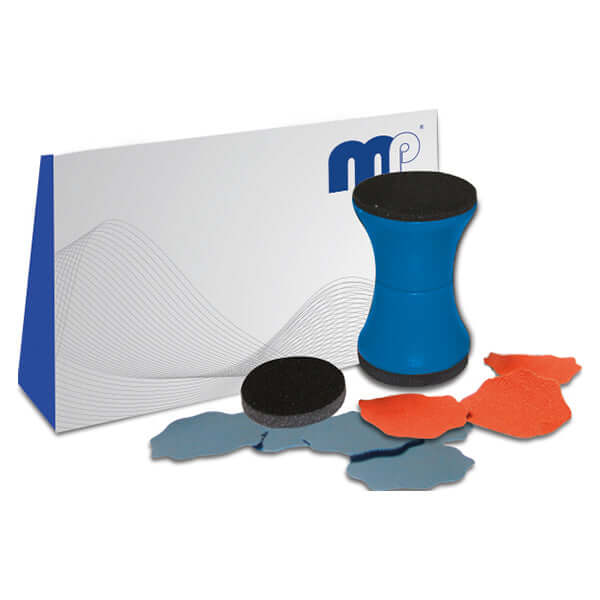
Wet and Dry Sandpaper:
The ultimate tool for a perfect finish. Wet and dry sandpaper can be used with water, which acts as a lubricant to float away dust particles. This prevents the paper from clogging and allows for an incredibly fine, smooth finish, essential for preparing primer coats before applying colour and for flatting clear coats before polishing.
-
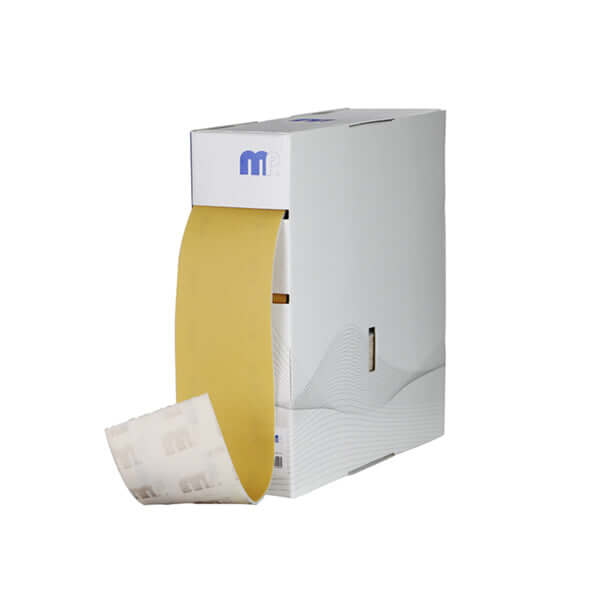
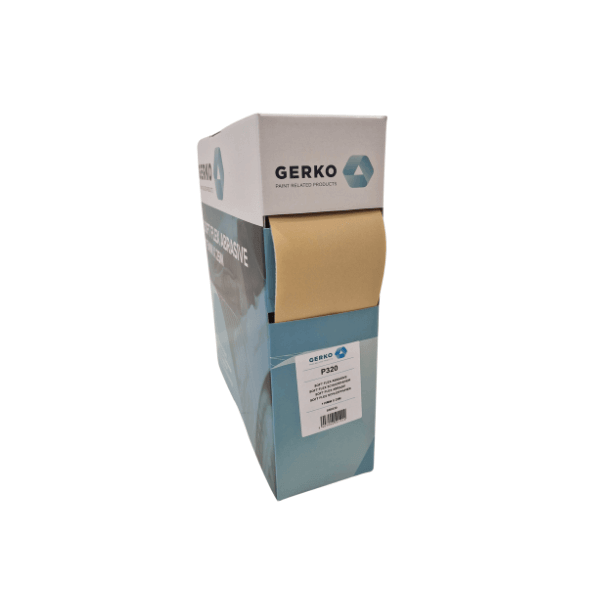
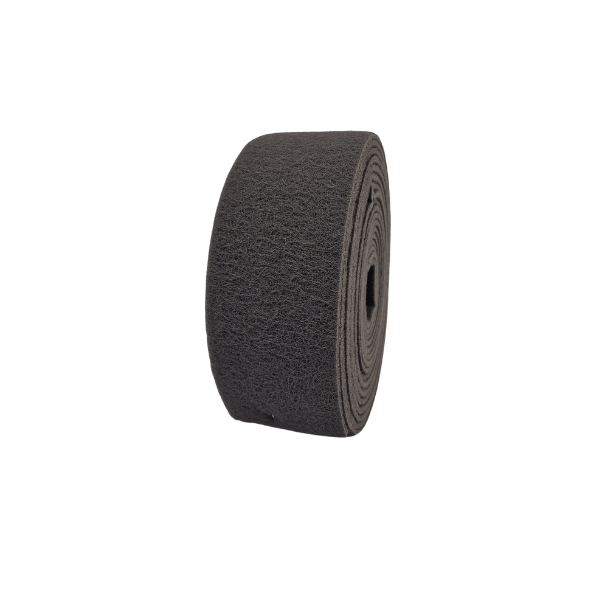
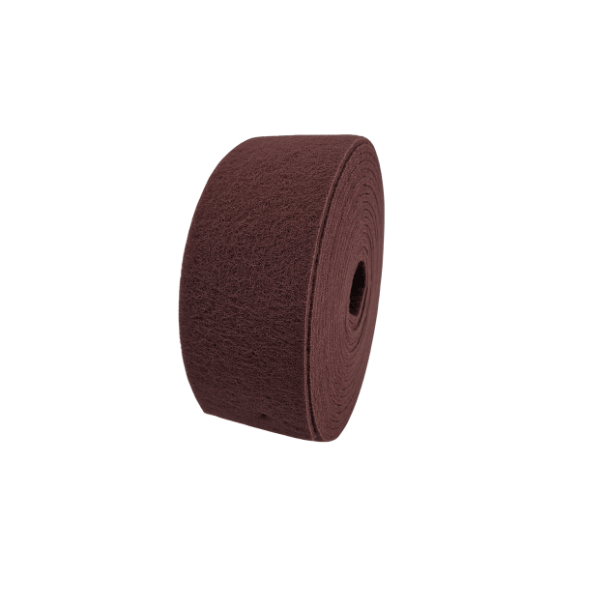
Sandpaper Sheets and Rolls:
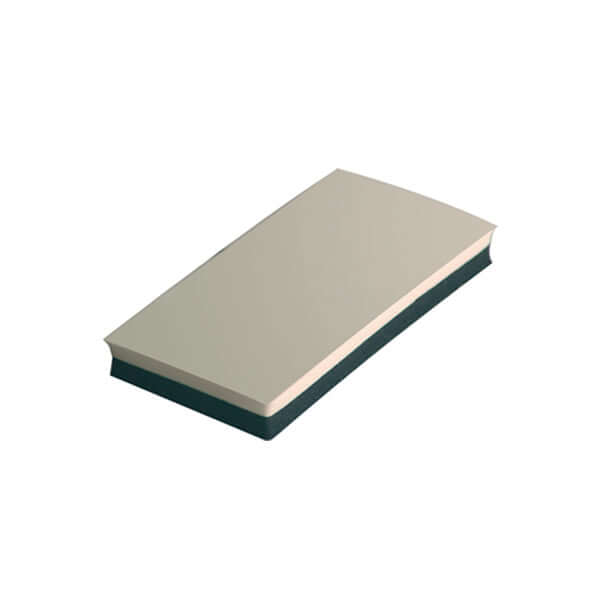
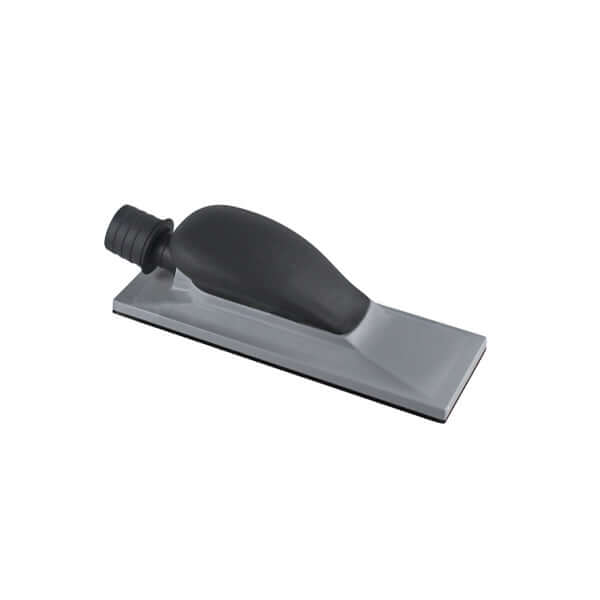
The classic, versatile format. Sheets of sandpaper are ideal for hand sanding with or without a sanding block. They can be cut to any size, making them perfect for sanding intricate shapes, profiles, and areas that power tools can't reach.
-
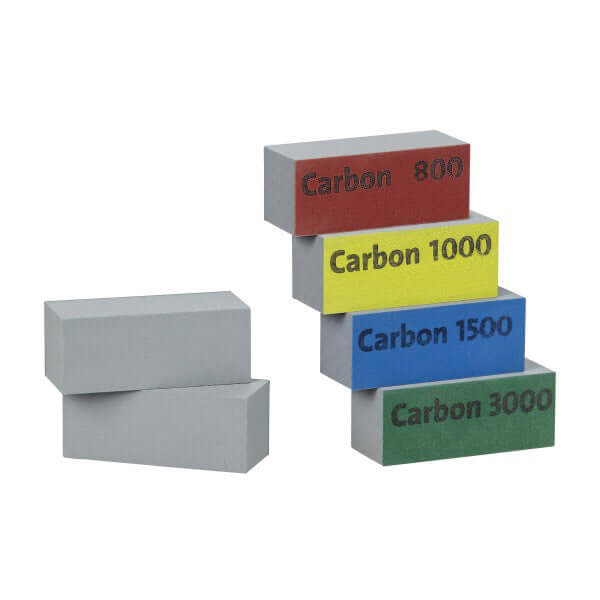
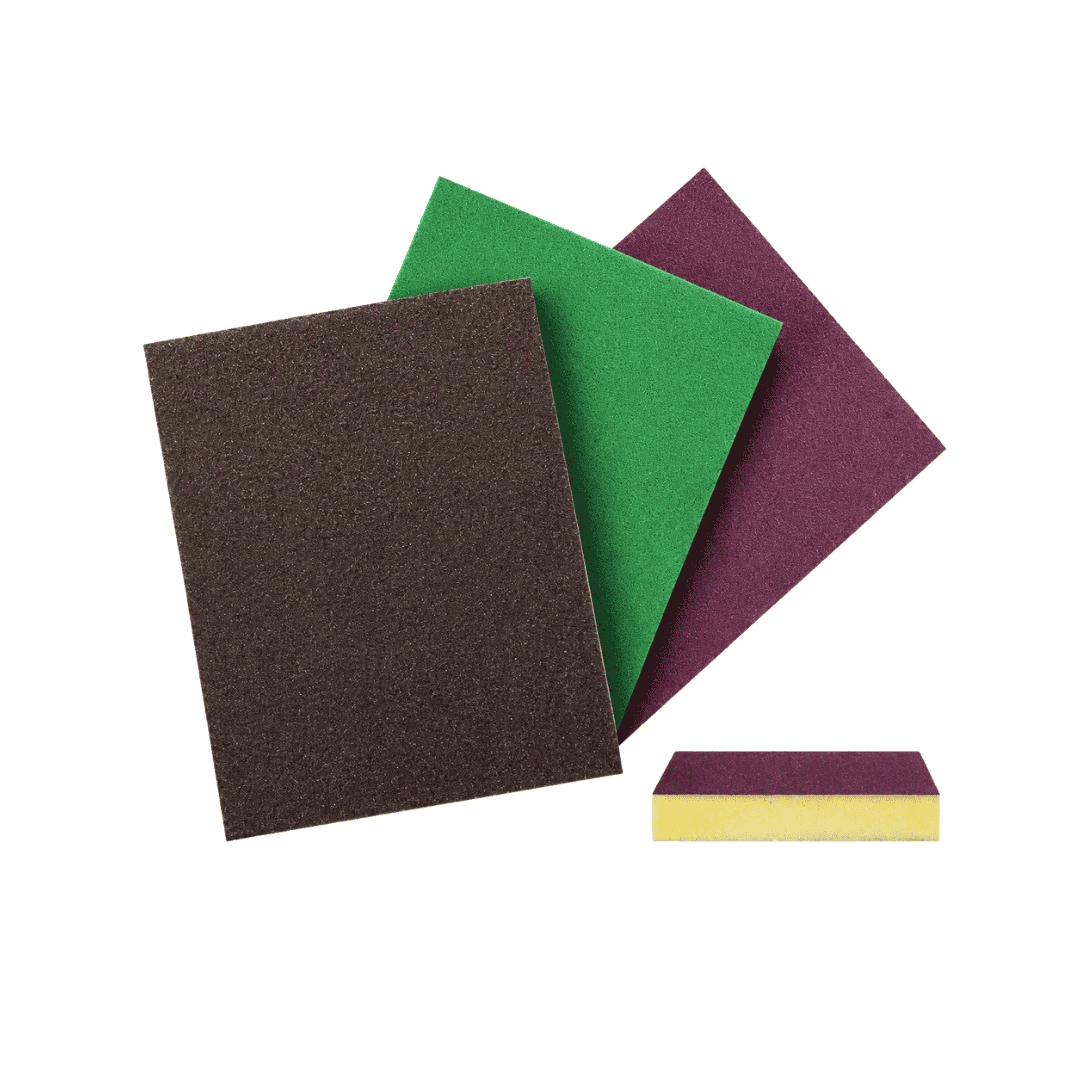
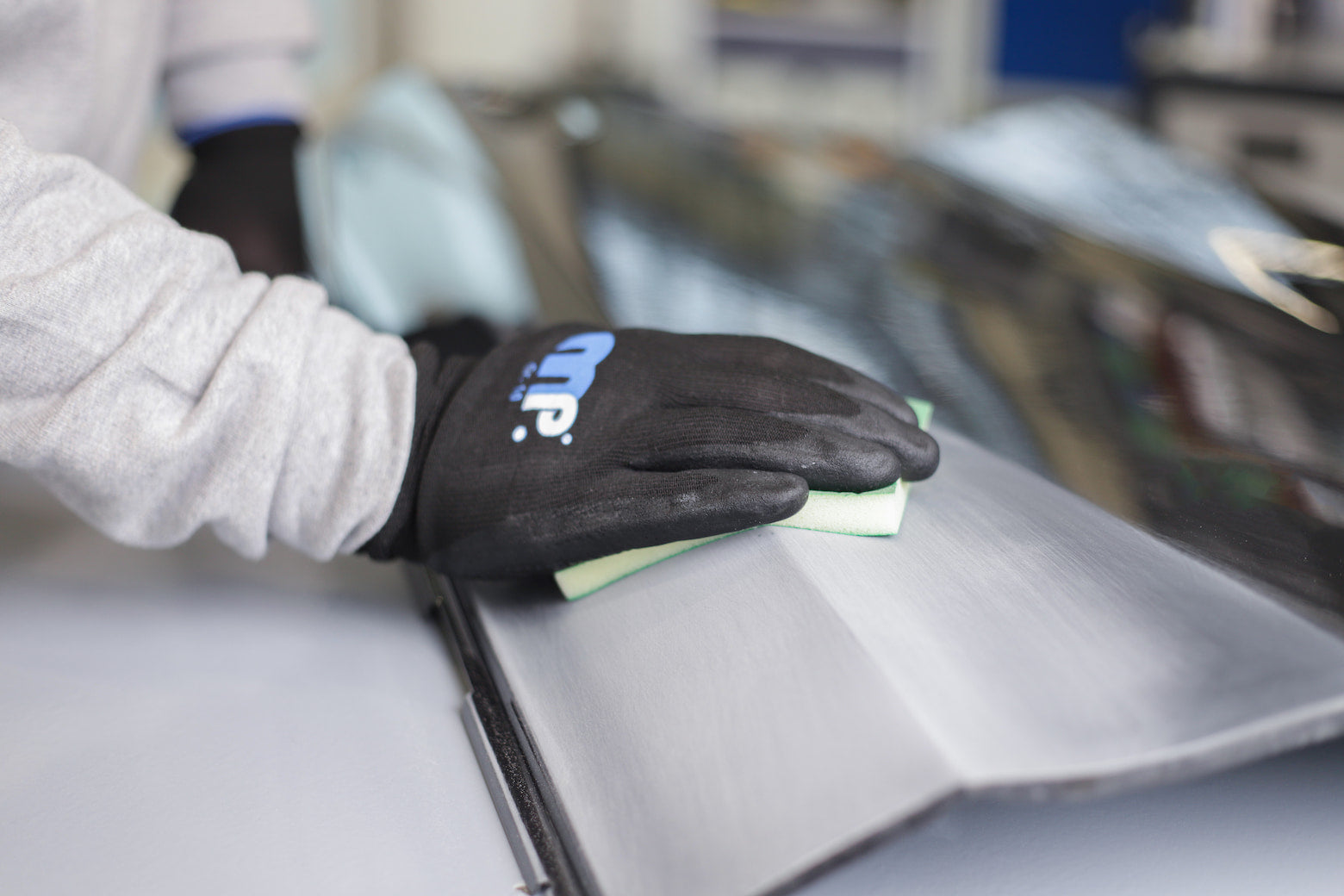
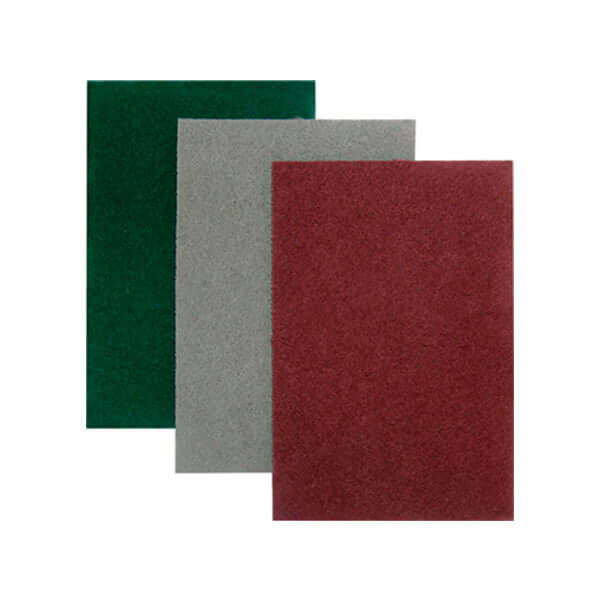
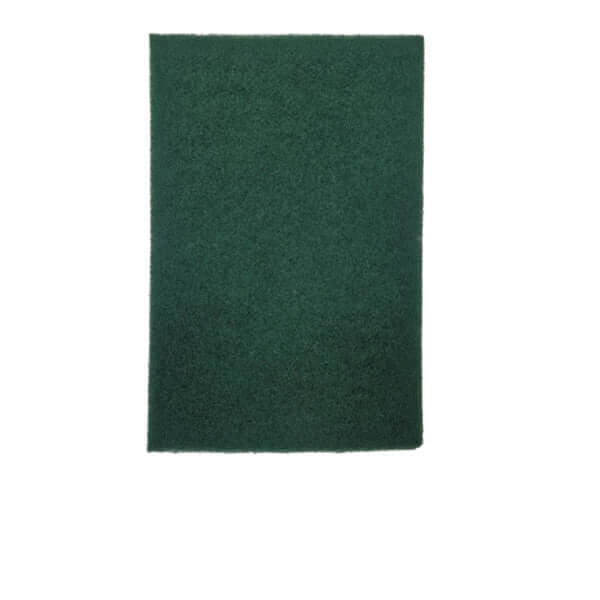
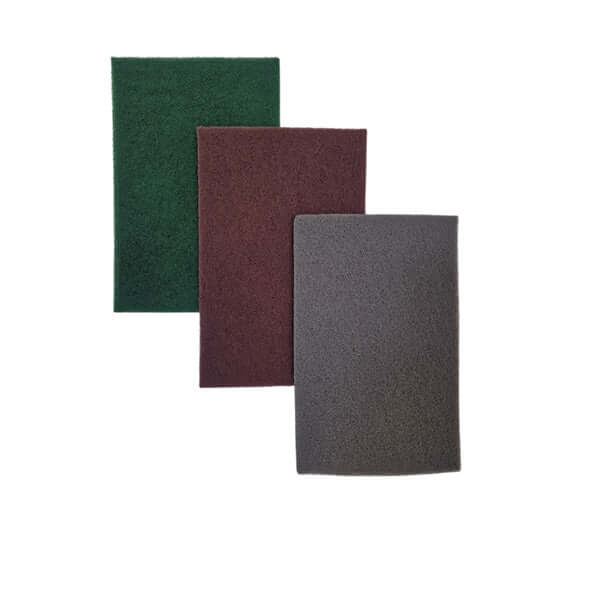
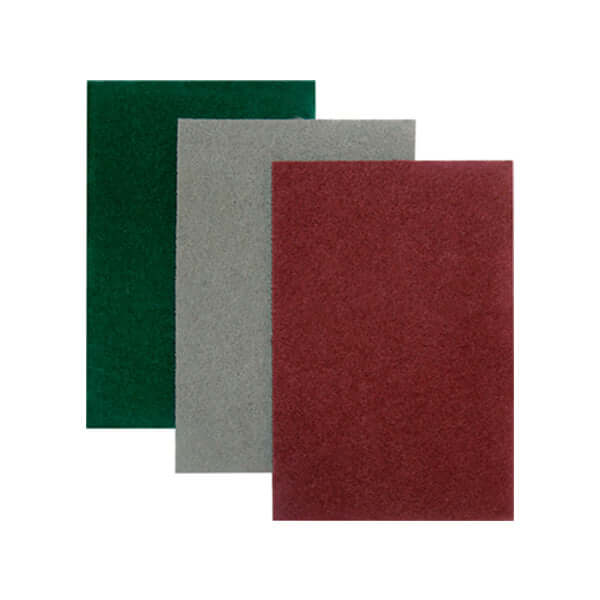
Sanding Pads and Sponges:
For contoured and curved surfaces, a flexible sanding pad or sponge is ideal. It conforms to the shape of the workpiece, ensuring even pressure and preventing flat spots. They are perfect for de-nibbing between coats and for final light sanding before polishing.
Don't compromise on the most important stage of your project. Browse our complete collection of abrasives today and equip yourself with the tools you need for a truly professional finish.