Skip to content
  • Cart

    Your cart is empty

    Sort by

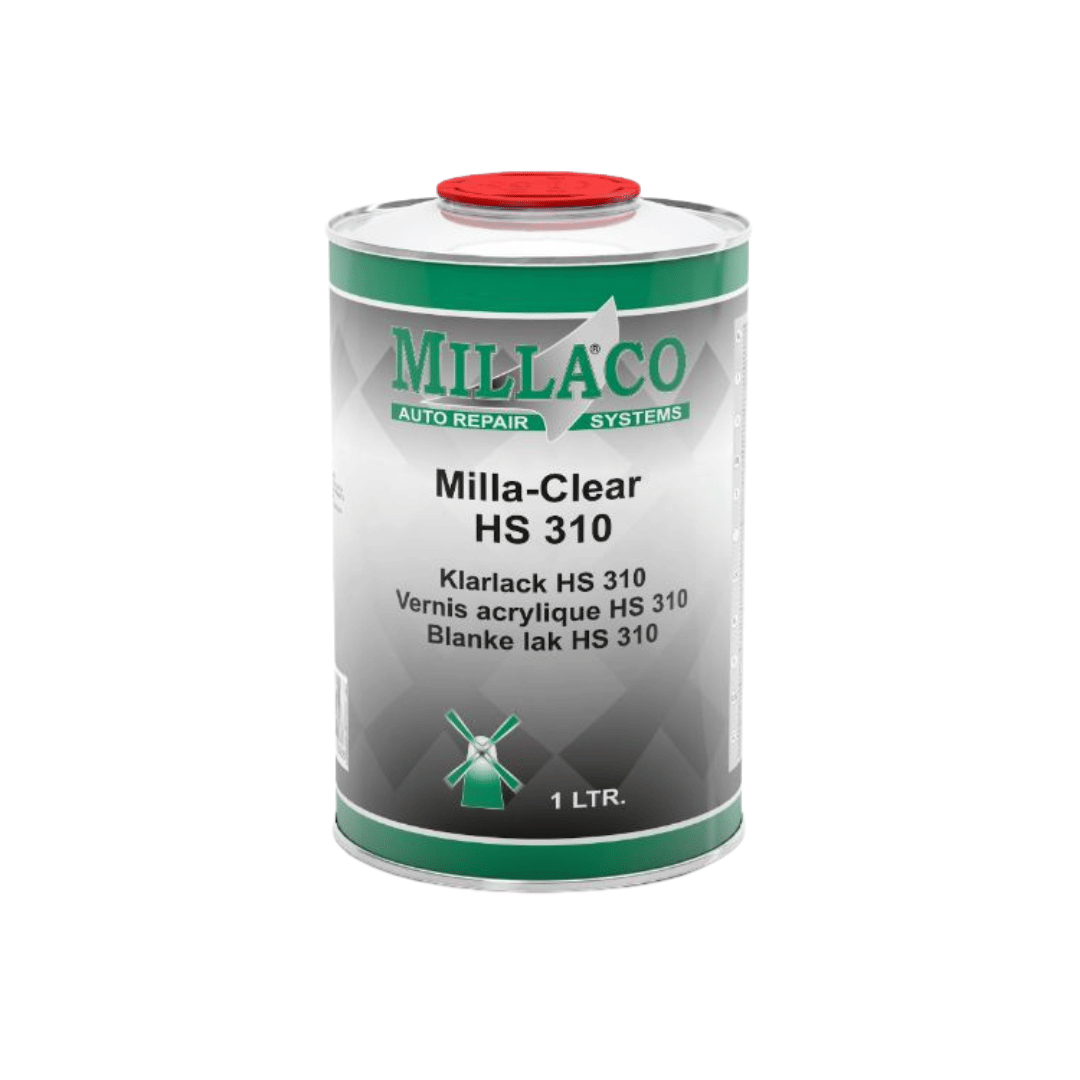
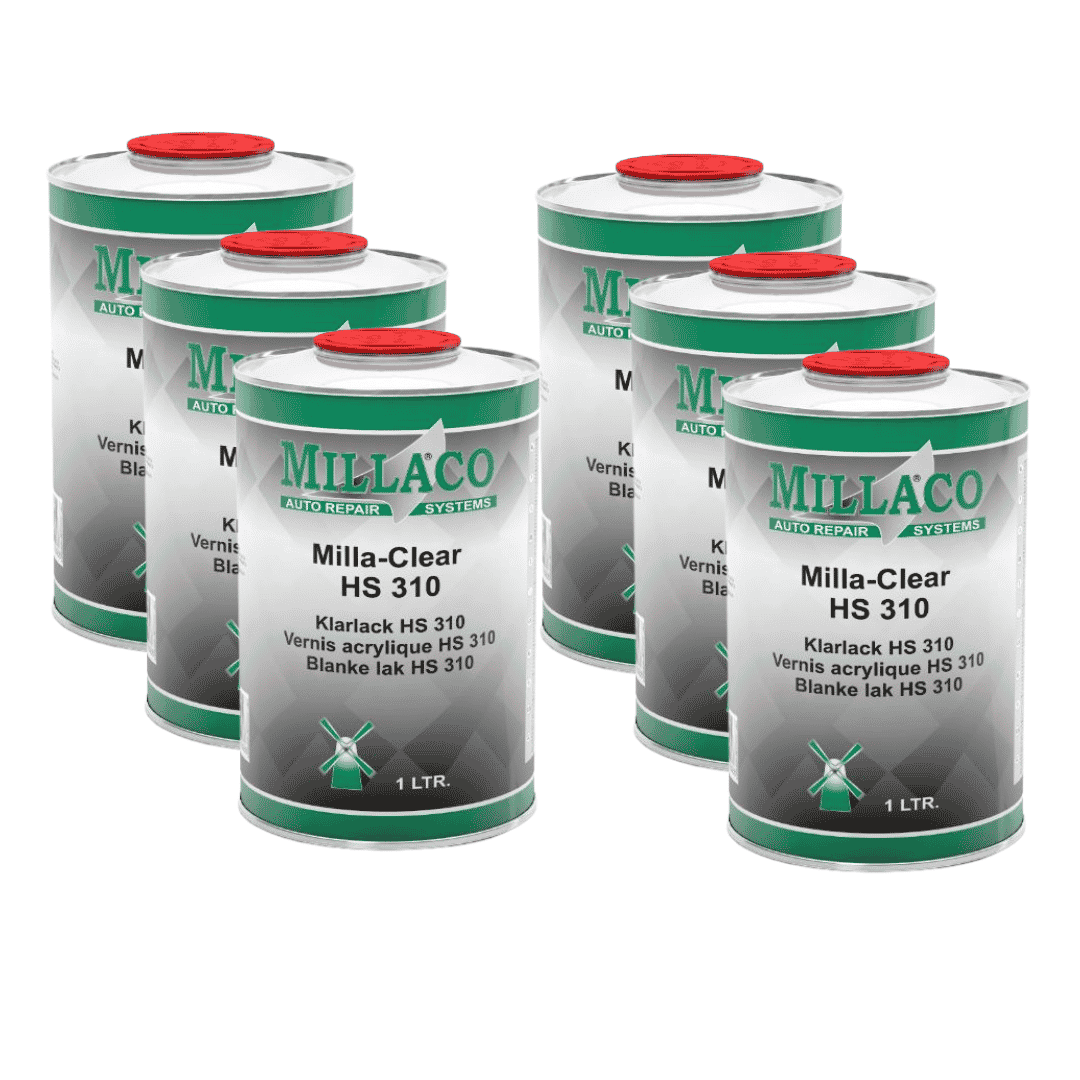
    Millaco HS310 2K Clearcoat (5L) With 220 Normal Hardener (2.5L) Kit
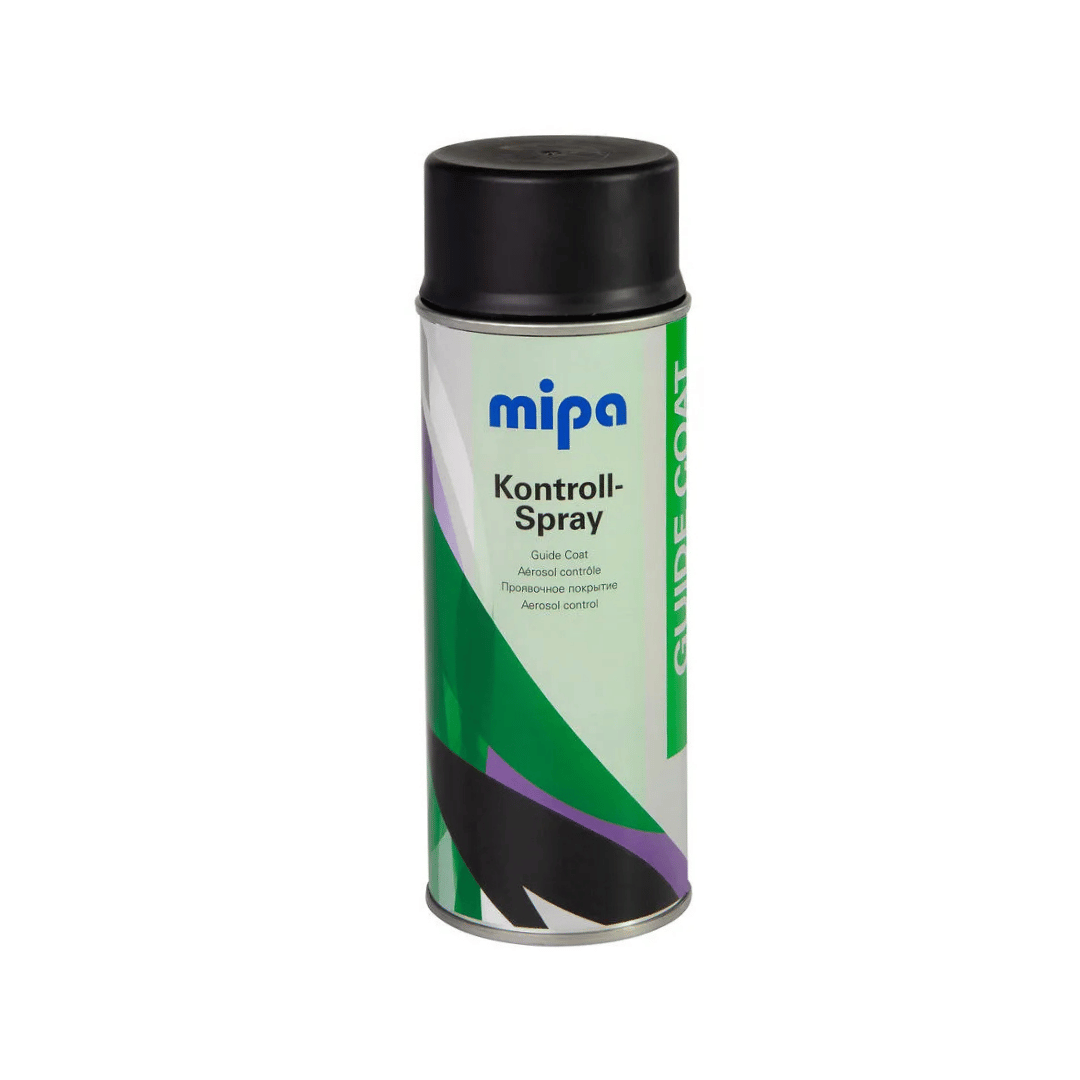
    Mipa Guide Coat Aerosol (400ML) for surface irregularity detection in sanding and filler prep.
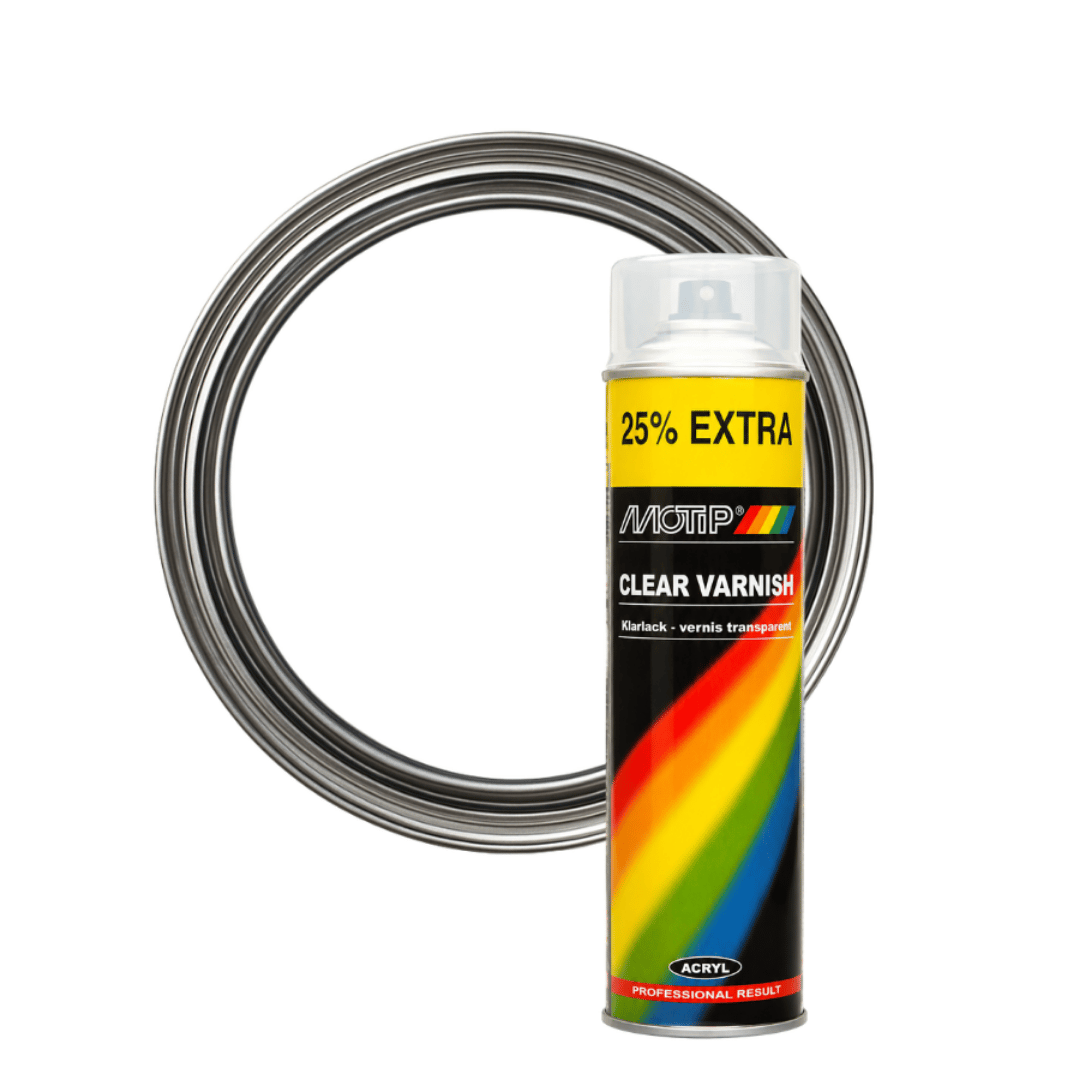
    MOTIP Clear Varnish Aerosol Spray (500ml)
    Save 11%Airo-Chemie Fast 2K UHS Express Clearcoat Hardener Kit
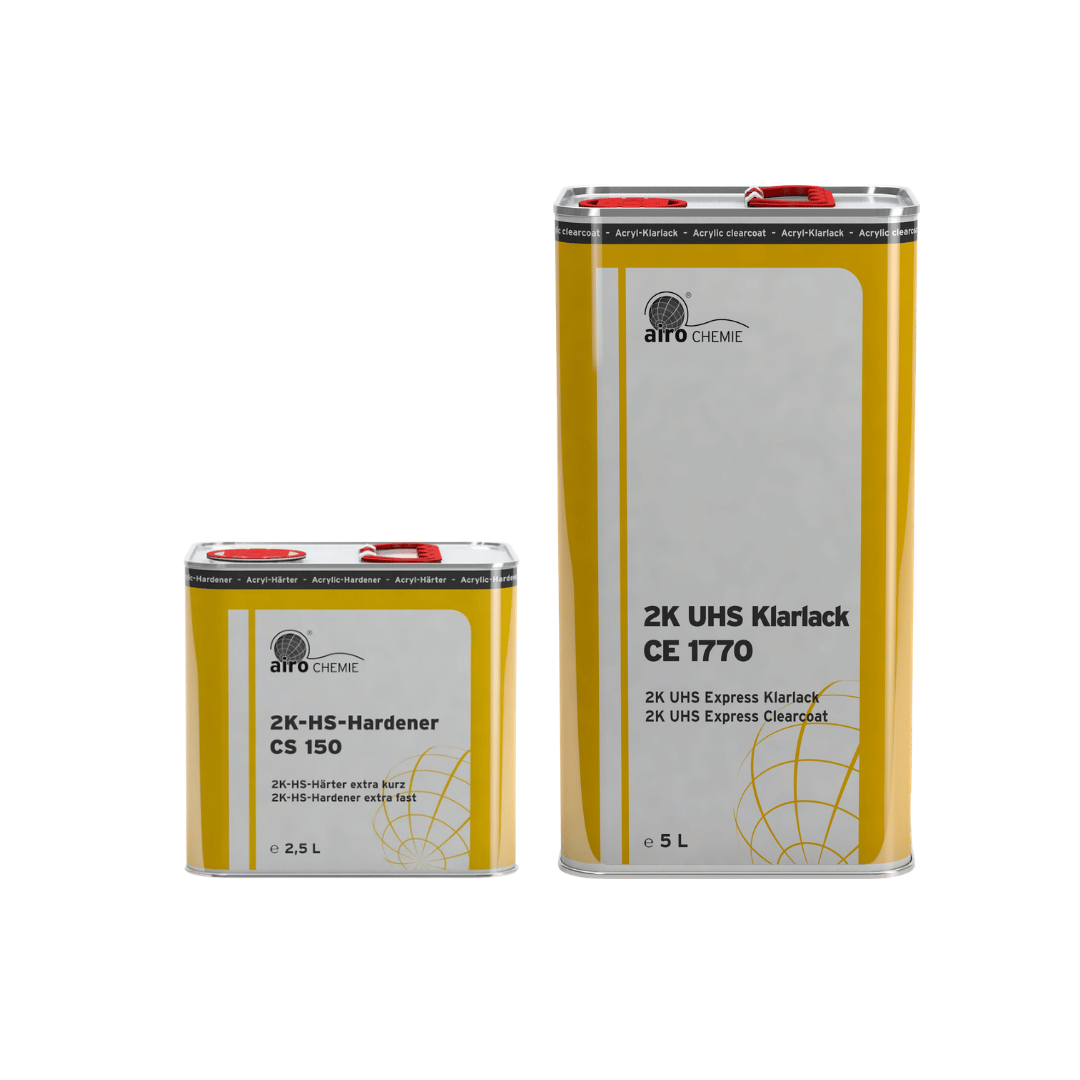
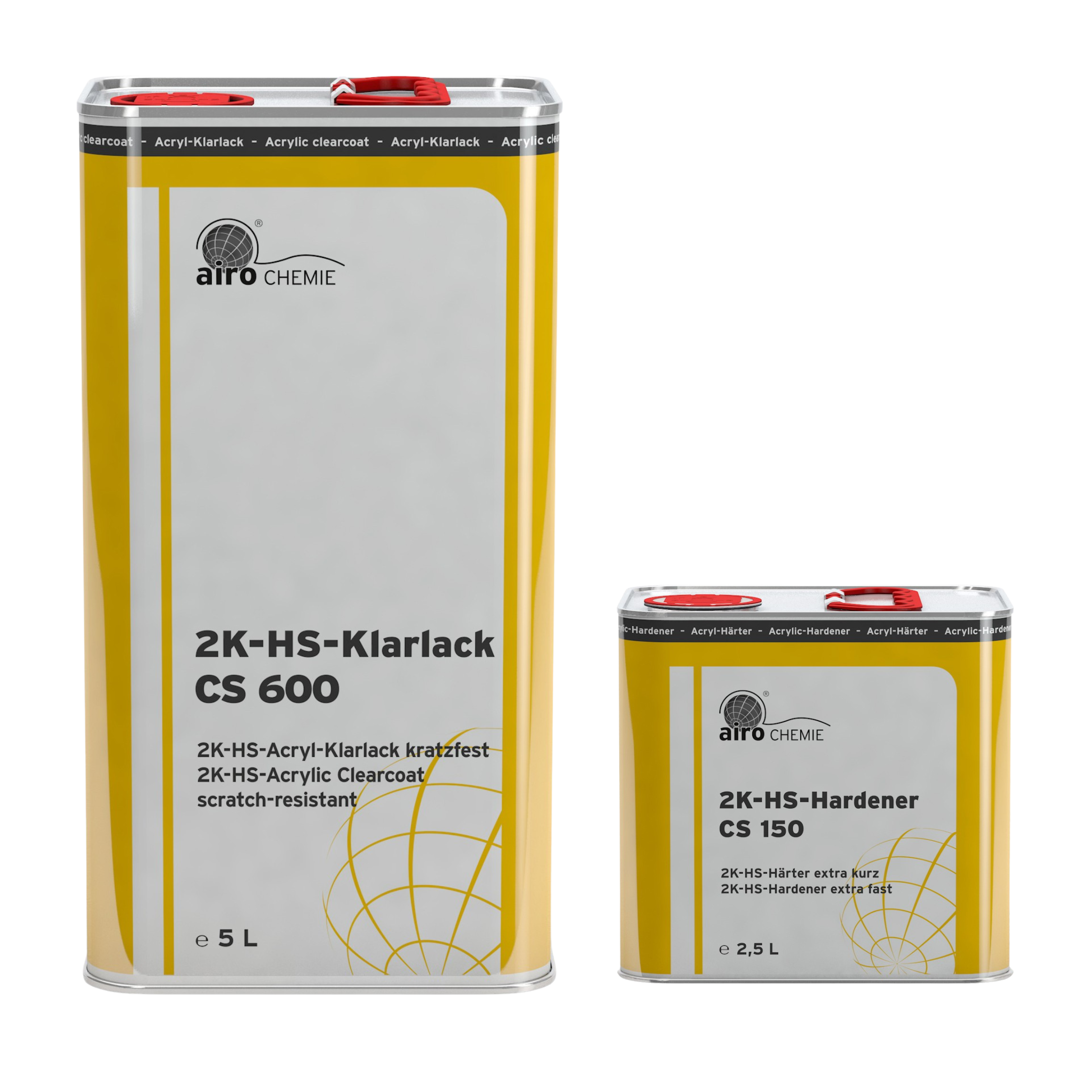
    Save 11%Airo-Chemie Extra Fast 2K UHS Express Clearcoat Hardener Kit
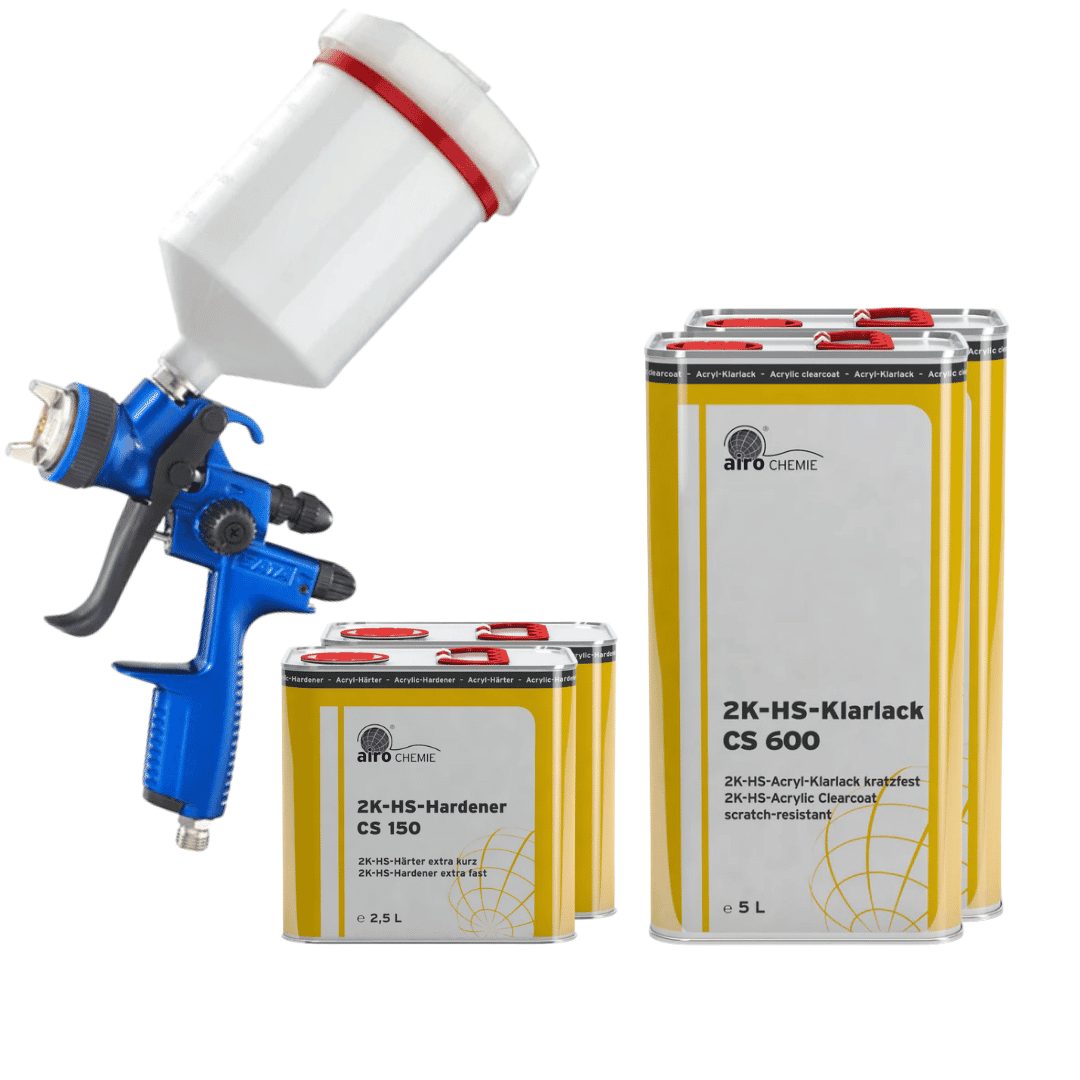
    Save 29%Airo-Chemie Extra Fast 2K HS Clearcoat & Hardener Kit with SATAjet 1500 B Spray Gun
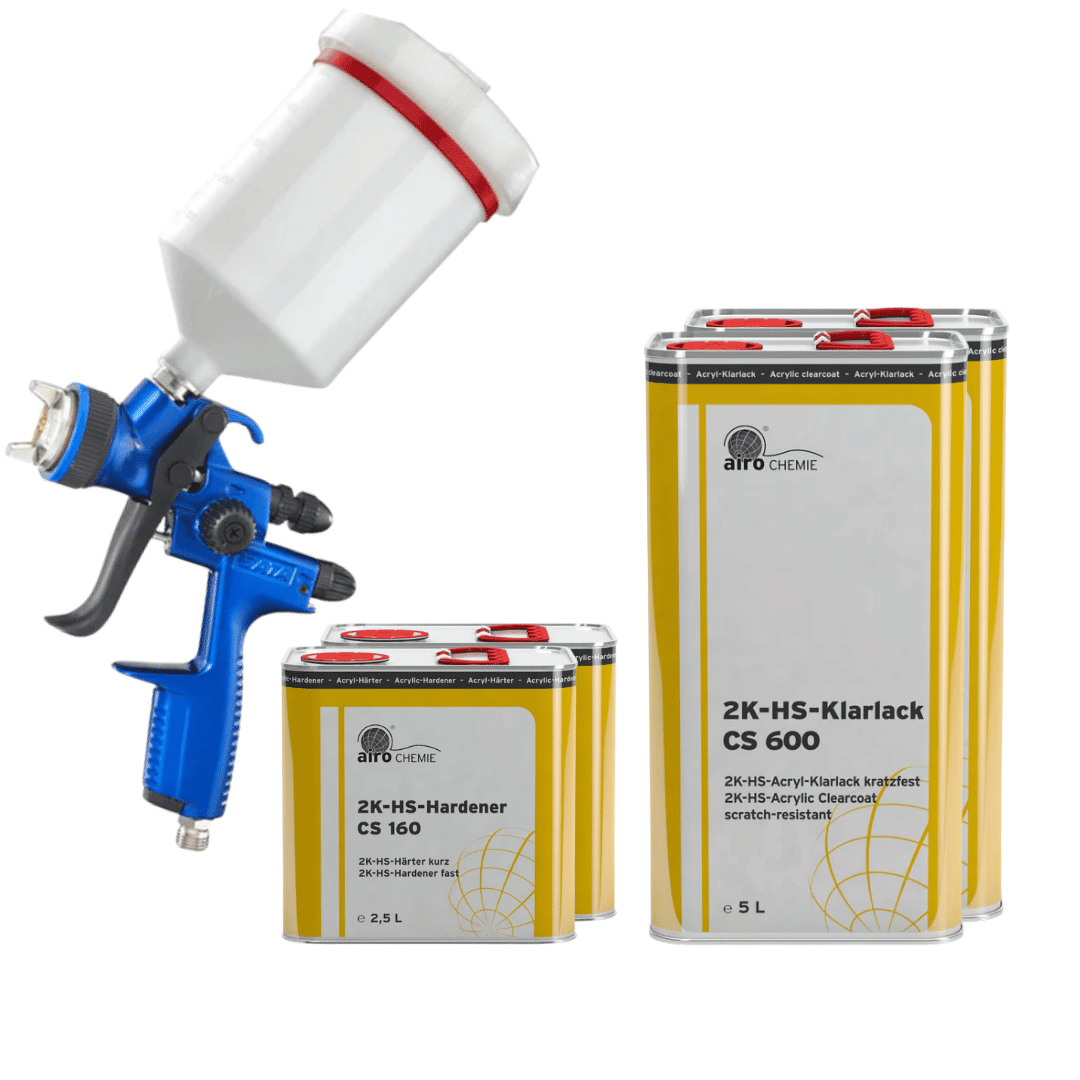
    Save 29%Airo-Chemie Fast 2K HS Clearcoat & Hardener Kit with SATAjet 1500 B Spray Gun
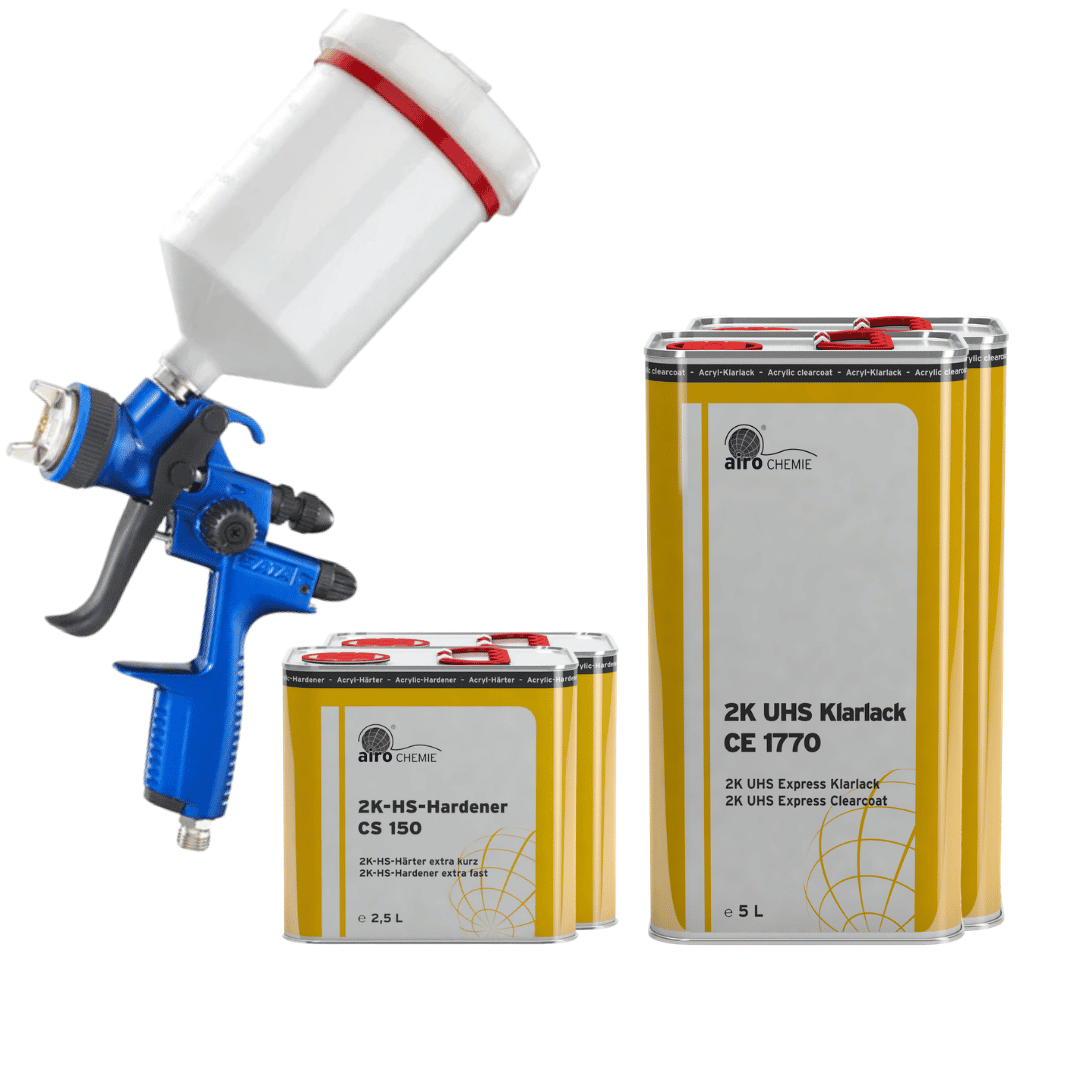
    Save 28%Airo-Chemie Extra Fast 2K UHS Express Clearcoat & Hardener Kit with SATAjet 1500 B Spray Gun
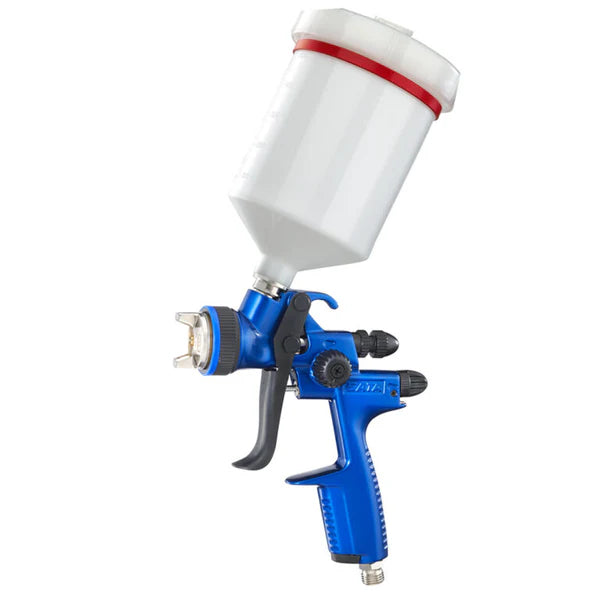
    Save 28%Airo-Chemie Fast 2K UHS Express Clearcoat & Hardener Kit with SATAjet 1500 B Spray Gun
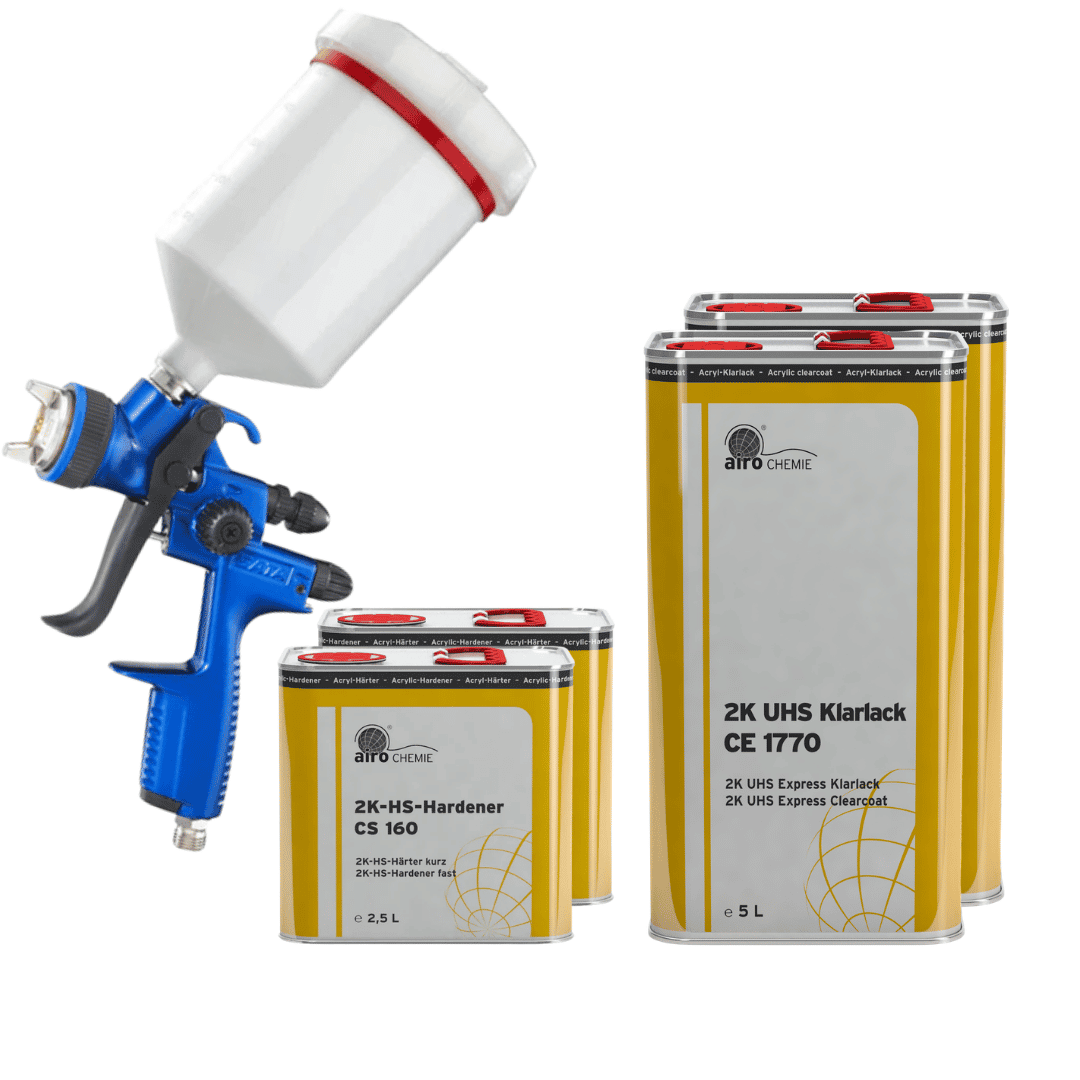
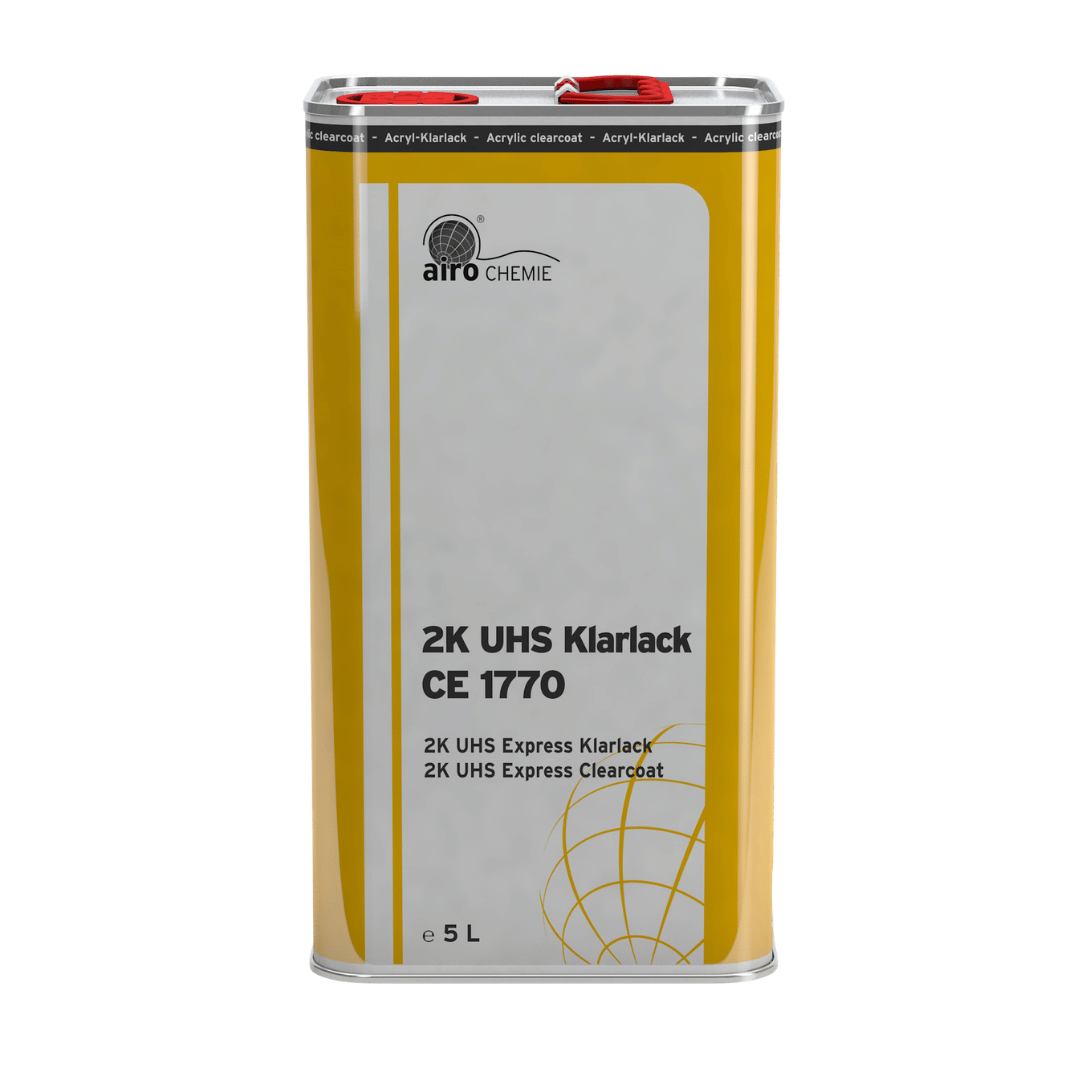
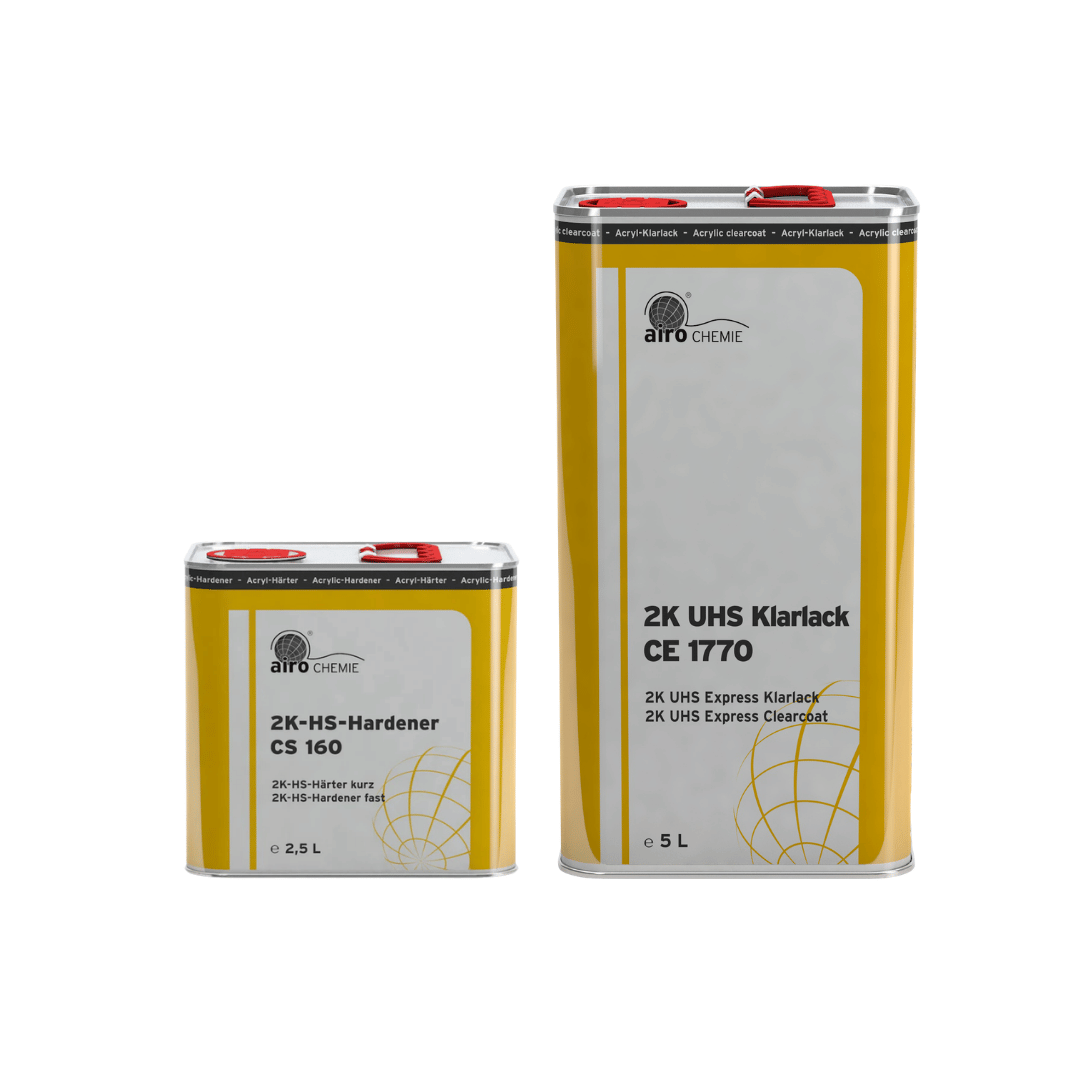
    A 5-liter metal can of aioCHEME 2K UHS Klarlack CE 1770 acrylic clearcoat, featuring a yellow and white label with a red flip-top lid, set against a plain white background.
    Save 11%Airo-Chemie 2K HS Clearcoat Extra Fast Kit
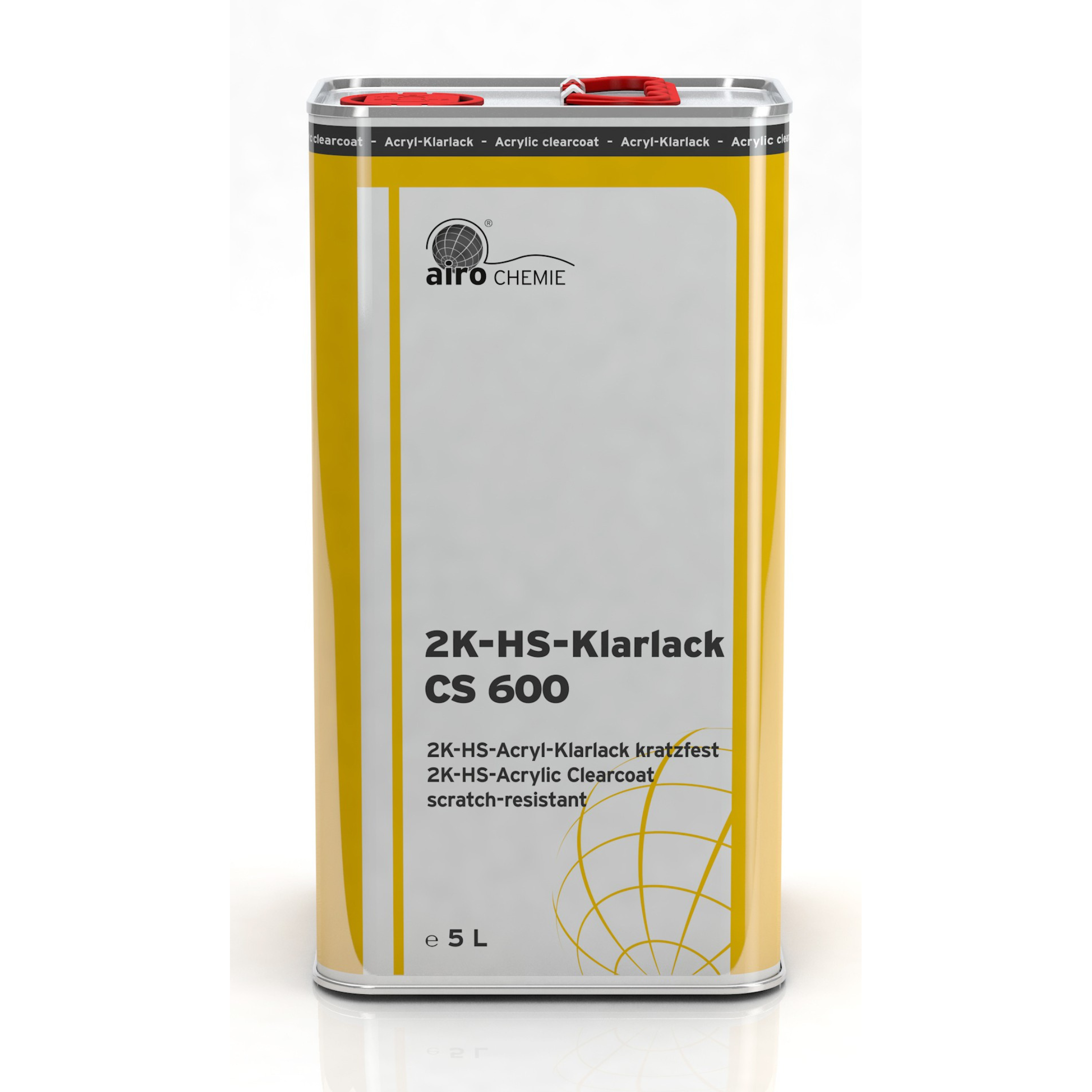
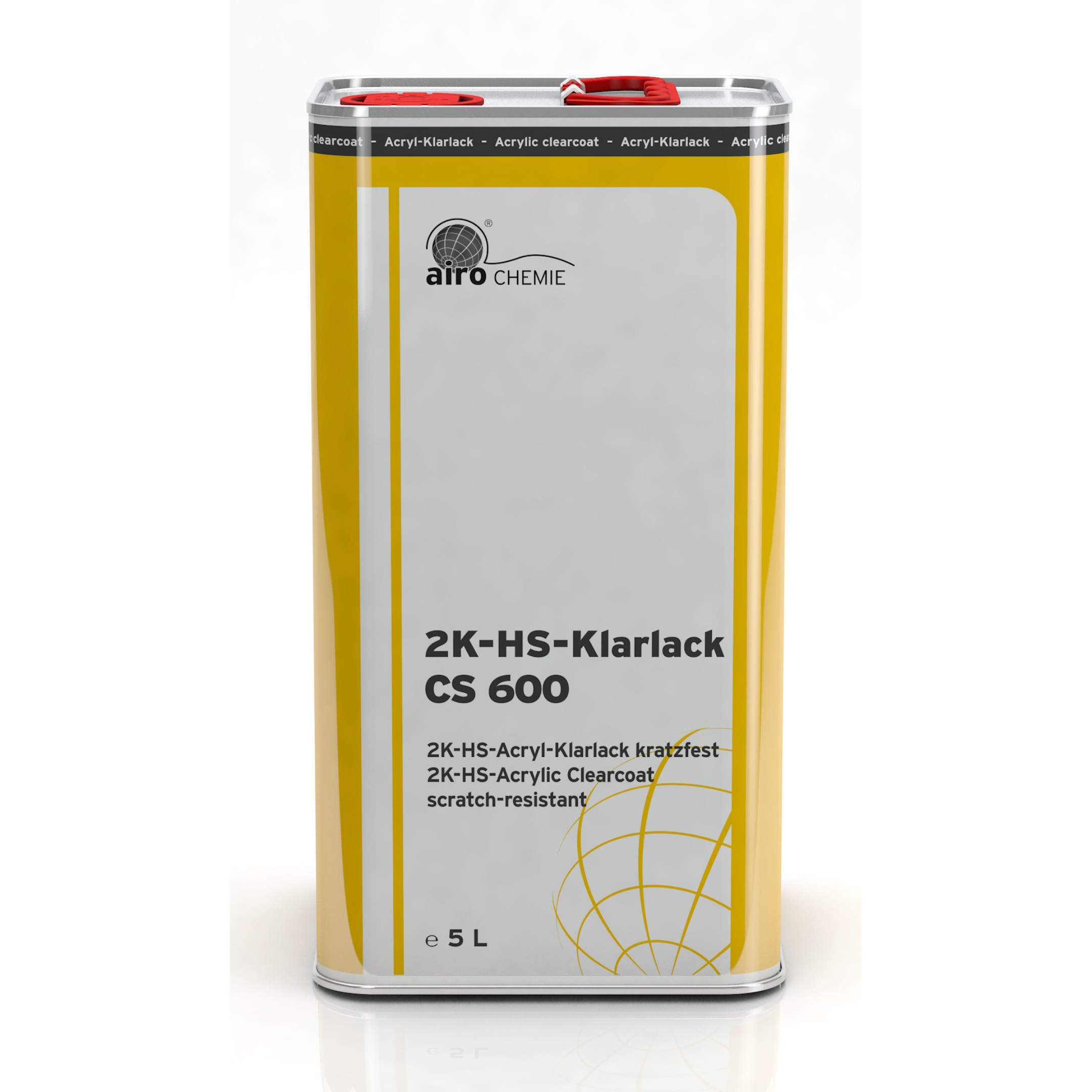
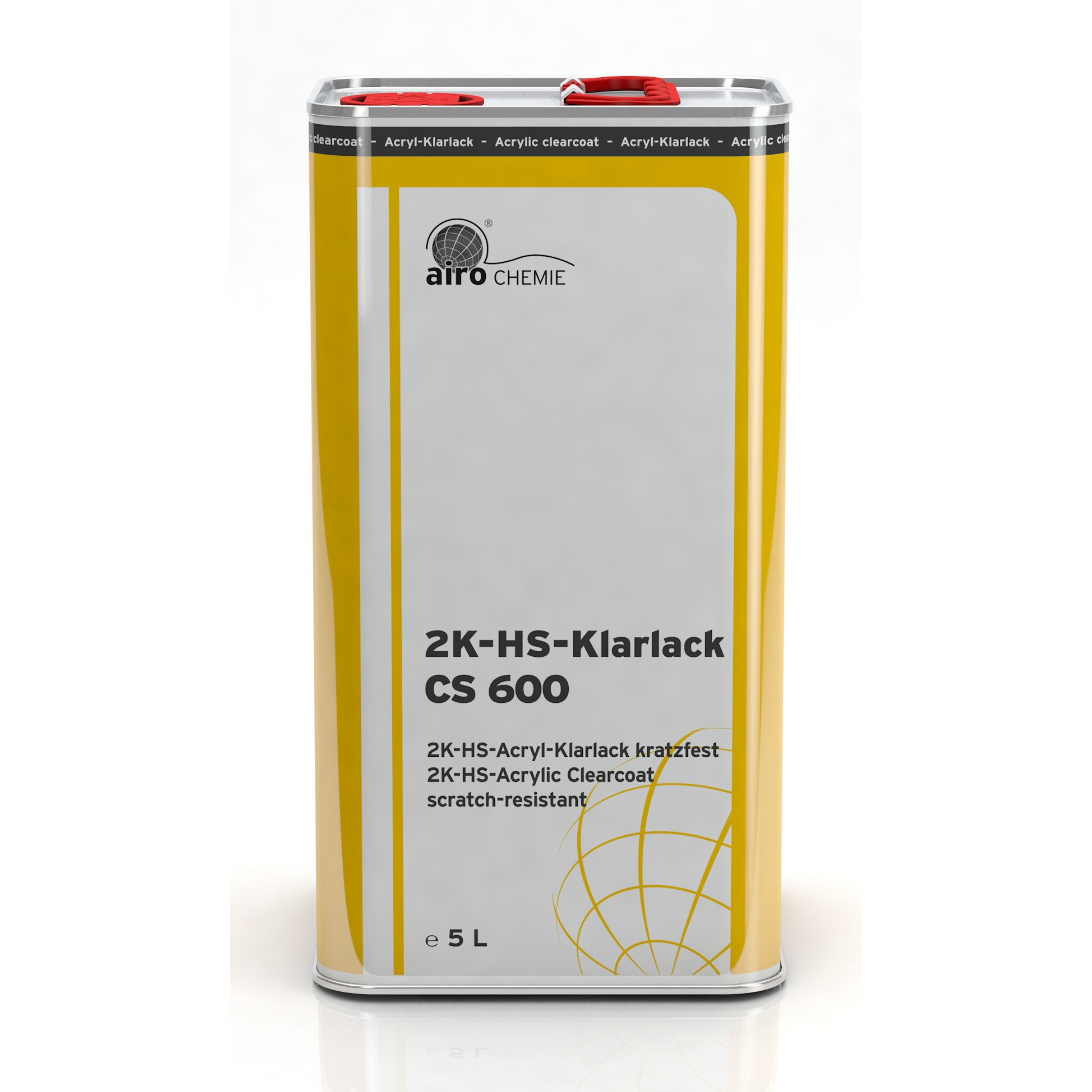
    Airo Chemie 2K-HS-Klarlack CS 600 paint can on a white background
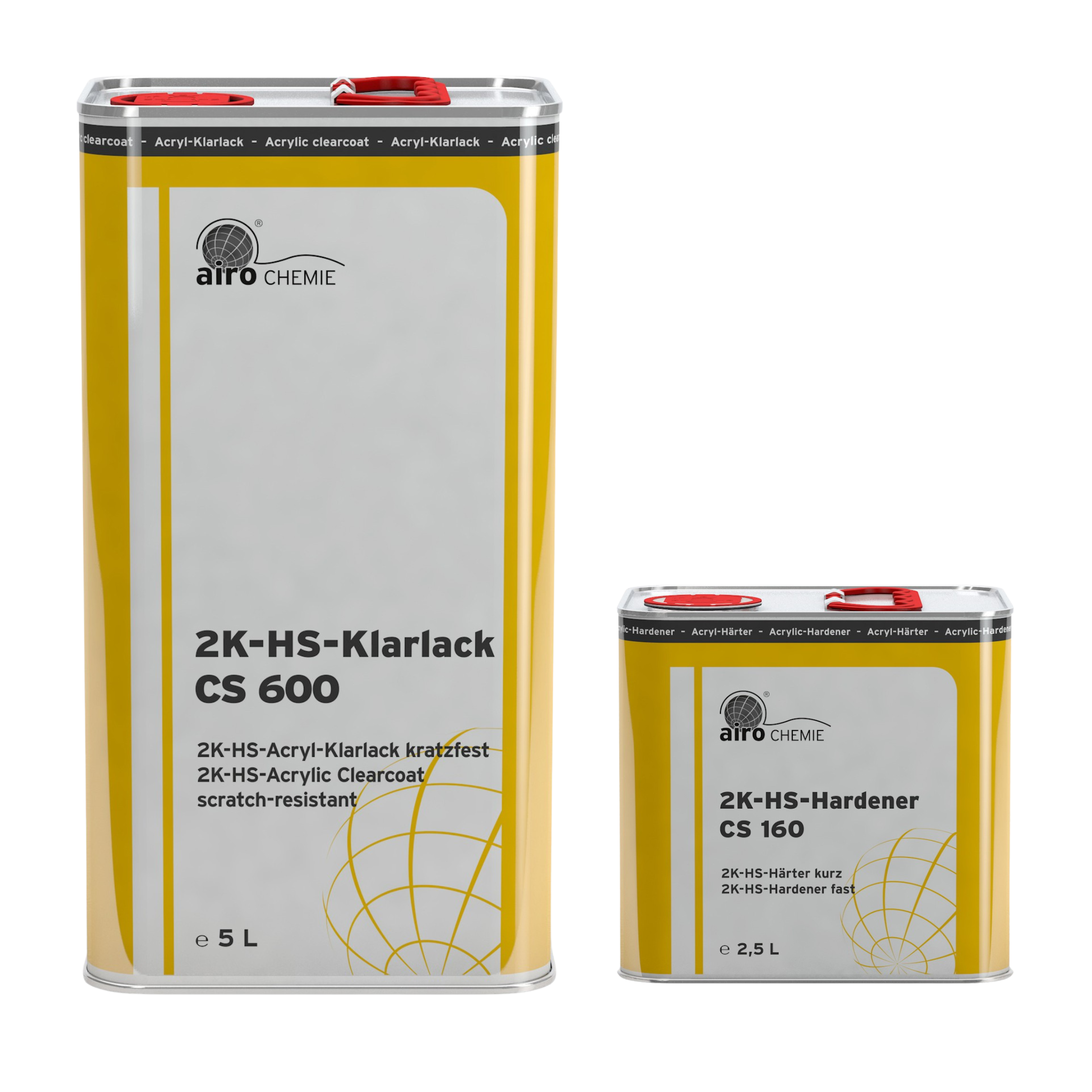
    Save 11%Two containers of airo CHEMIE 2K-HS-Klarlack CS 600 and 2K-HS-Hardener CS 160 on a white background.
    Airo-Chemie

    Airo-Chemie 2K HS Clearcoat Fast Kit

    Sale price£79.99 Regular price£89.98
    Relo Scratch Resistant Clearcoat Kit (Fast)
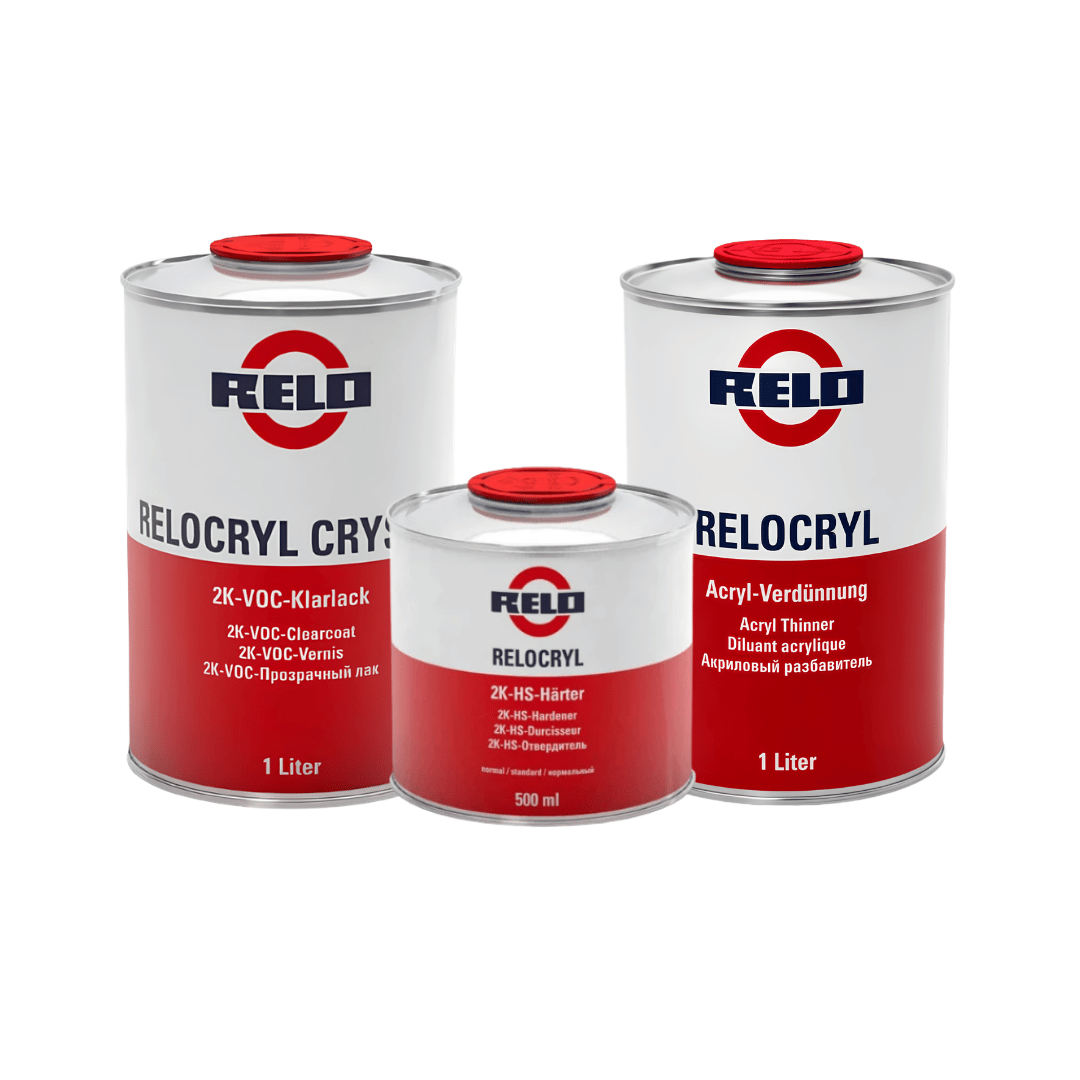
    RELO Crystal Clear Lacquer (VOC) Kit (Fast)
    RELO Crystal Clear Lacquer (VOC) Kit (Standard)

    Clear Coat Frequently Asked Questions

    How long should you wait to clear coat after painting?

    The timing for applying a clear coat is critical for achieving a strong chemical bond and a flawless finish. You should apply the clear coat after the basecoat (your colour coat) has "flashed off," which means it should be tacky to the touch, but not completely dry.

    "Flashing off" is the process where the solvents in the basecoat evaporate from the surface. This leaves the paint film chemically open and ready to fuse permanently with the clear coat.

    • Typical Flash-Off Time: For most basecoats, this is between 15 and 30 minutes at room temperature (around 20°C).
    • Check the Technical Data Sheet (TDS): This is the most important step. The manufacturer of your basecoat will specify the exact flash-off window for their product.
    • What happens if you wait too long? If the basecoat fully dries and cures, the clear coat will not be able to bond chemically. It will just sit on top, leading to poor adhesion and a high risk of delamination (peeling) in the future.
    • What happens if you apply too soon? If the basecoat is still too wet, the solvents will get trapped underneath the clear coat, causing bubbles or "solvent pop" as they try to escape.

    Does 2K paint need a clear coat?

    This depends entirely on the type of 2K paint system you are using. The term "2K" simply refers to a paint that requires a hardener (a second component) to cure chemically. There are two main types of 2K systems:

    1. Basecoat / Clearcoat System: This is the most common system used for modern vehicle and high-quality finishes. The 2K basecoat provides the colour, but it dries to a flat, matte finish with no gloss or protection. In this system, applying a 2K clear coat is absolutely essential. The clear coat's job is to provide the high gloss, UV protection, and resistance to scratches and chemicals.
    2. Direct Gloss (or Single Stage) System: In this system, the 2K paint has the colour, gloss, and hardener all mixed together in one product. When you spray it, it cures to a shiny, durable finish. A direct gloss 2K paint does not require a separate clear coat because the protection and gloss are already built-in.

    How to tell which you have: If your colour coat dries to a matte or satin finish, it's a basecoat that needs a clear coat. If it is designed to dry to a high-gloss finish on its own, it is a direct gloss paint.

    How many coats of clear coat should you apply?

    For a professional and durable finish, the industry standard is two to three medium wet coats of clear coat. Applying the correct number of coats is a balance between achieving a deep gloss and avoiding problems.

    Here’s a typical professional application process:

    • First Coat (The "Tack Coat"): The first pass is often applied slightly lighter than the others. This creates a tacky base layer that helps the subsequent, heavier coats adhere without running.
    • Subsequent Coats (The "Wet Coats"): After allowing the first coat to flash off (typically 10-15 minutes), apply two more full, wet coats. These coats should be applied evenly to build the desired thickness and provide a deep, high-gloss shine.
    • Why not apply more? While it might seem like more coats mean more protection, applying too many can be counterproductive. Excessive thickness can lead to a loss of clarity, increased risk of solvent issues, and can make the finish more prone to cracking or chipping.

    Always follow the guidance on the Technical Data Sheet (TDS) for the specific clear coat you are using, as this will provide the most accurate instructions from the manufacturer.

    Recently viewed