
Exterior Paints
Sort by
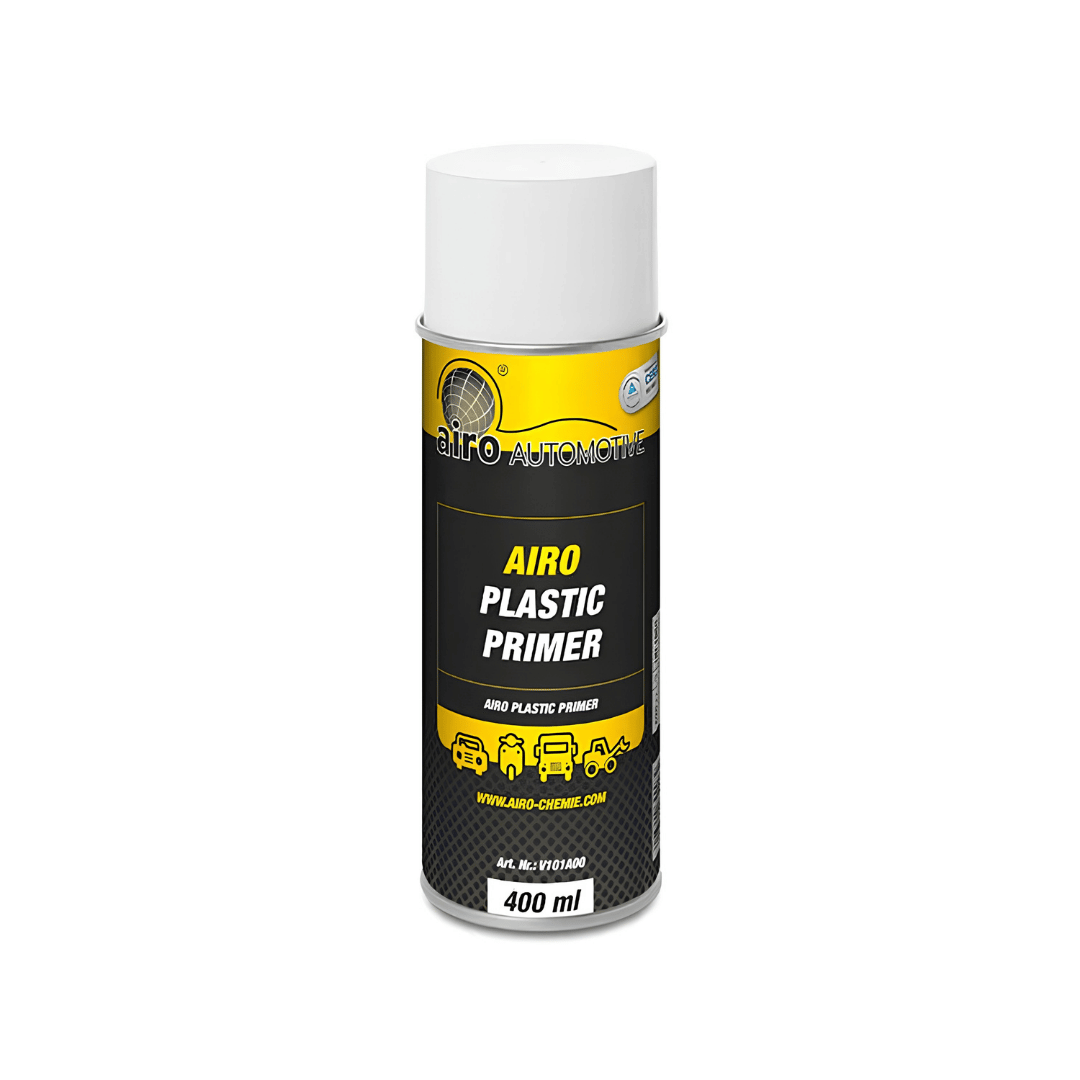
Airo-Chemie 1K Plastic Primer Spray (400ml)
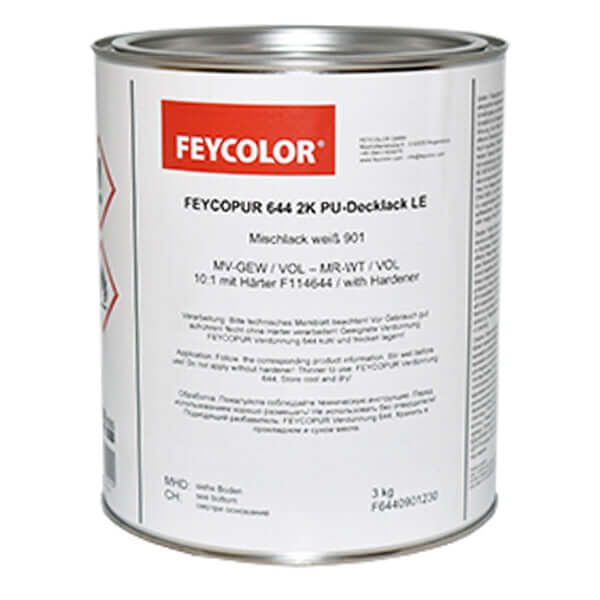
FEYCOLOR 644 2K PU Basecoat Mixed
Exterior Paints Frequently Asked Questions
Should I prime an exterior surface before painting?
Yes, absolutely. For any exterior paint job, priming is arguably the single most important step for guaranteeing a professional, durable, and long-lasting finish. Skipping the primer is a false economy that will almost certainly lead to paint failure in a fraction of the time.
Here are the key reasons why you must prime exterior surfaces:
- Critical Adhesion: Primers are the glue of your paint system. They are formulated to bond tenaciously to weathered wood, bare metal, or previously painted surfaces, creating a stable foundation that your topcoat can securely adhere to. This prevents peeling and flaking.
- Stain Blocking Power: Exterior surfaces are prone to stains. A good exterior primer will block tannins bleeding from woods like cedar and redwood, and prevent rust marks or water stains from ruining your new paint colour.
- Seals Porous Surfaces: Materials like brick, concrete, and bare wood are very porous and will drink up expensive topcoat paint. Primer seals these surfaces, ensuring your paint goes further and has a much more even and consistent sheen.
- Increases Durability: By creating a stronger bond and a sealed surface, the primer dramatically enhances the overall strength and lifespan of your entire paint job, protecting it from moisture, UV rays, and temperature changes.
What is the difference between exterior and interior paint?
While they may look similar in the tin, exterior and interior paints are fundamentally different products, engineered with unique chemical formulations to perform under very specific conditions. Using the wrong type of paint will lead to a poor finish and can even be a safety concern.
Here are the key differences:
1. Binding Resins (The "Glue" that Holds the Paint Together):
- Exterior Paint: Uses softer, more flexible acrylic latex resins. This allows the paint film to expand and contract with temperature fluctuations and moisture changes without cracking or peeling. It's built to withstand the movement that outdoor surfaces experience.
- Interior Paint: Uses more rigid resins. This creates a harder, less flexible paint film that is designed to resist scuffs, be easier to clean, and prevent staining from everyday life inside a home.
2. Performance Additives (The "Special Ingredients"):
- Exterior Paint: Is packed with powerful additives that would be unsafe and unnecessary indoors. These include:
- Interior Paint: Is formulated for indoor air quality and aesthetics. It lacks the harsh outdoor-focused chemicals and instead focuses on low-odour, zero or low-VOC (Volatile Organic Compounds) formulas for safety.
3. Durability & Purpose:
- Exterior Paint Durability = Weather Resistance. Its primary job is to create a protective shield against the elements.
- Interior Paint Durability = Living Resistance. Its job is to withstand cleaning, scrubbing, bumps, and scrapes without being damaged.
In summary: Never use exterior paint indoors due to the harmful off-gassing of its aggressive additives. Likewise, interior paint used outdoors will quickly fail by cracking, peeling, and fading as it lacks the necessary flexibility and protection to survive the weather. Always choose the paint specifically designed for your project's environment.
How can I tell if a paint is for interior or exterior use?
On most of our paint products pages, you will see a product specification table that will tell you whether a paint is suitable for indoor or outdoor use (sometimes both). You can also download the technical datasheet for a product for more information.