Skip to content
  • Cart

    Your cart is empty

    Sort by

    Hardeners Frequently Asked Questions

    What type of paint needs a hardener? (2K Paint Explained)

    The type of paint that requires a hardener is known as 2K (Two-Pack) paint. Unlike standard single-pack (1K) paints that air-dry, 2K products consist of two separate components that must be mixed before use:

    • Part A: The Base Colour. This contains the pigment and the primary paint resin (like acrylic, epoxy, or polyurethane).
    • Part B: The Hardener / Activator. This is the catalyst that initiates a chemical reaction.

    When mixed, the hardener triggers a process called "cross-linking" within the paint's resins. This reaction cures the paint into an extremely durable, non-reversible film. It's not just drying; it's a chemical transformation.

    You must use a hardener with any 2K paint. Without it, the paint will not cure and will remain wet or tacky indefinitely. This system is the standard for applications where maximum toughness is required, such as automotive finishes, industrial coatings, and high-performance primers.

    How do you use a hardener to harden paint?

    Using a hardener is a precise chemical process. Following the correct procedure is essential for the paint to cure properly and achieve its full strength.

    Here is the correct method for using a 2K paint system:

    1. Safety First (Crucial Step): 2K hardeners contain isocyanates, which are harmful if inhaled. You must wear appropriate Personal Protective Equipment (PPE), including a properly fitted air-fed mask or a respirator with isocyanate filters, along with gloves and eye protection.
    2. Check the Mixing Ratio: Every 2K product has a specific mixing ratio which is found on the paint tin or its Technical Data Sheet (TDS). Common ratios are 2:1, 4:1, or 5:1 (base paint to hardener).
    3. Measure and Mix Accurately: Use a graduated mixing cup to measure the components precisely according to the ratio. First, pour in the base paint (Part A), then add the exact amount of hardener (Part B). Stir thoroughly for at least two minutes.
    4. Respect the Pot Life: Once mixed, the chemical reaction begins, and you have a limited time to use the paint before it starts to harden in the pot. This is called the "pot life," and it's also specified on the TDS. Only mix an amount you can confidently use within this timeframe.
    5. Application and Curing: Apply the paint as you normally would. The hardener will then work to cure the paint into its final, tough, and durable state over the specified time.

    What is the difference between filler hardener and paint hardener?

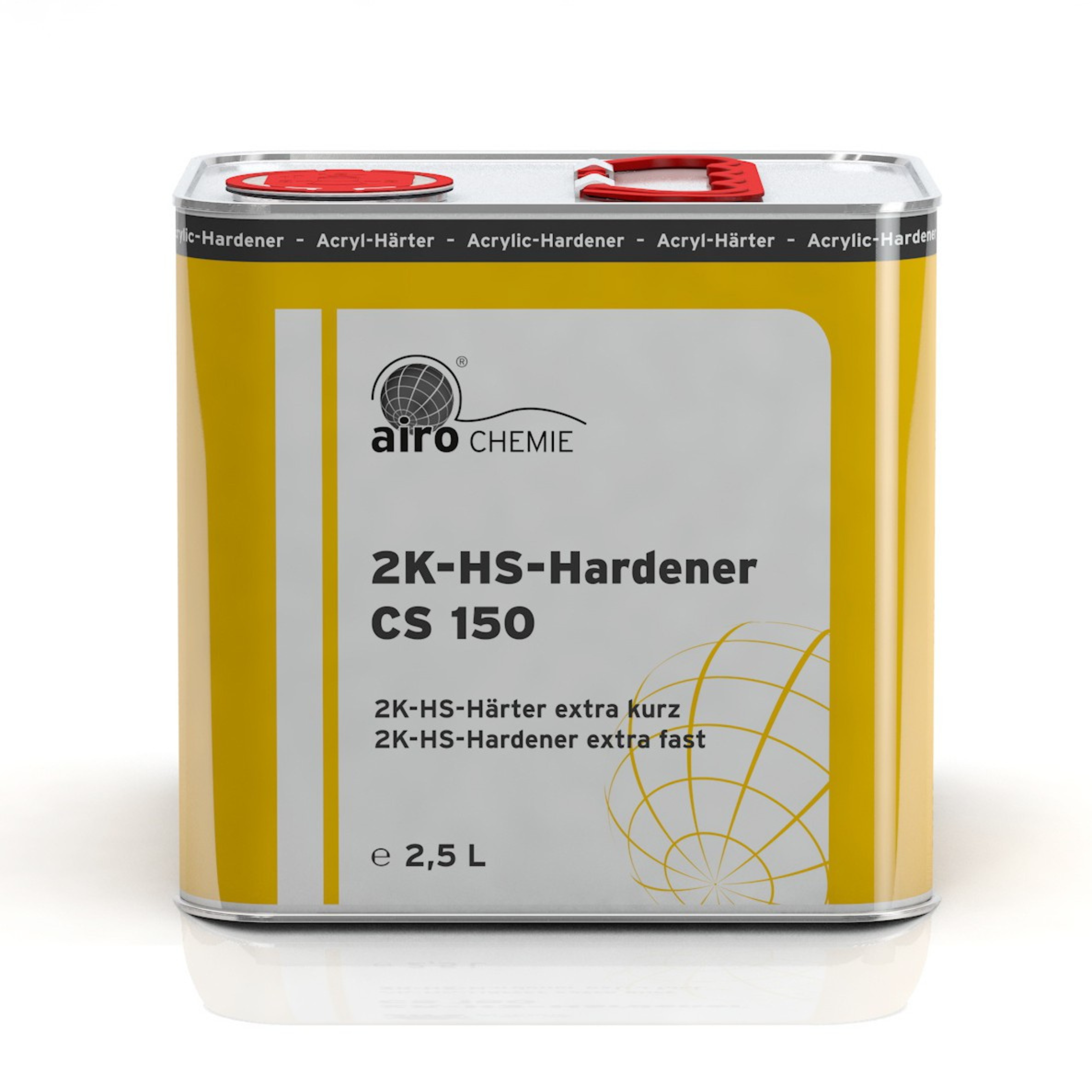
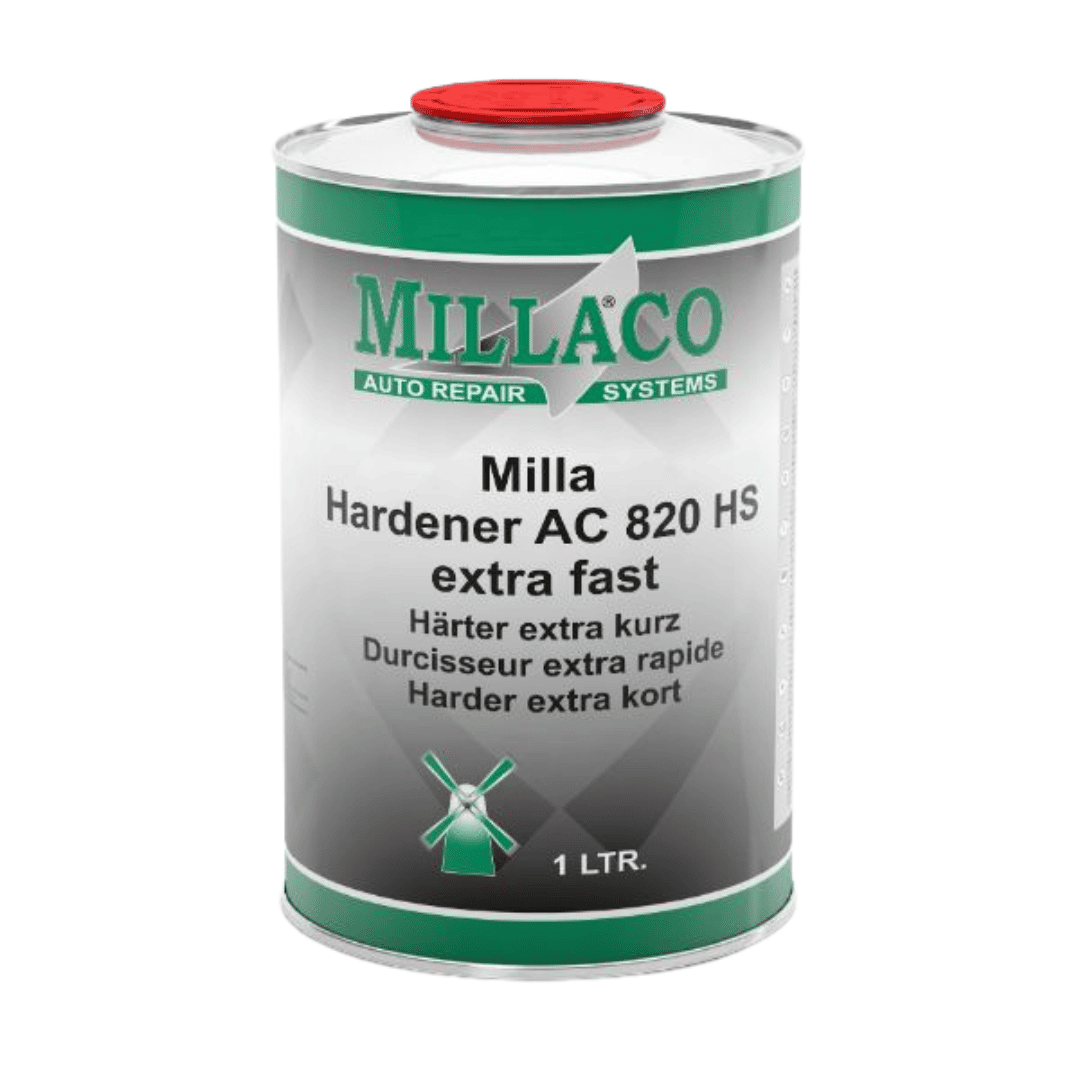
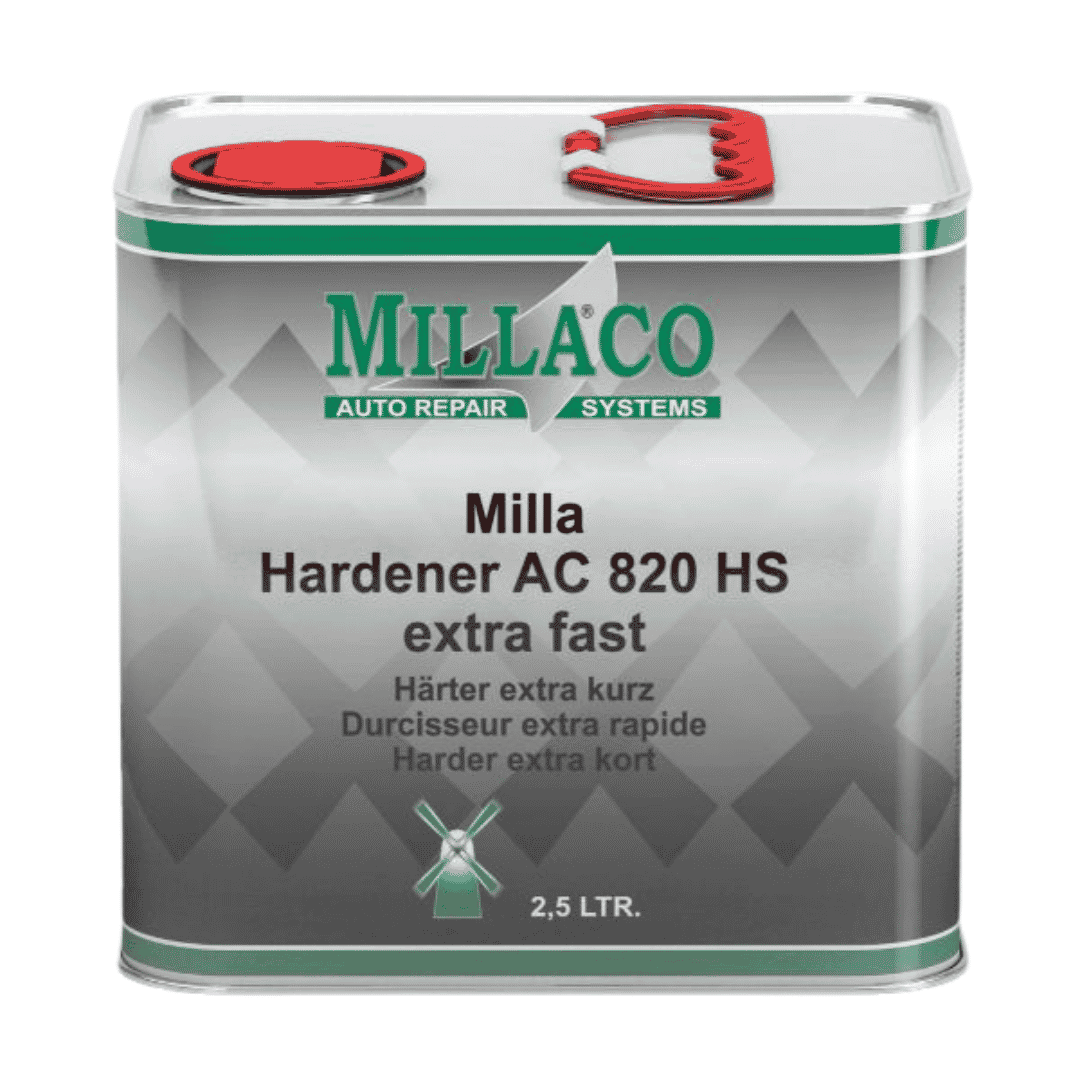
    A filler hardener, often in paste form, is designed to trigger the chemical reaction in polyester resins and putties to make them set solid. A paint hardener is typically a liquid added to clear coats or paints to ensure they harden, provide chemical resistance, and achieve the desired gloss level. They are not interchangeable.

    Recently viewed