Skip to content
  • Cart

    Your cart is empty

    Metal Spray Paint and Coatings

    Sort by

    Metal Spray Paint and Coatings Frequently Asked Questions

    Can you spray paint metal?

    Yes, absolutely. Spray painting is one of the most effective ways to paint metal, providing a durable, professional, and factory-like finish that is difficult to achieve with a brush.

    Modern metal spray paints are specifically formulated to handle the unique challenges of painting metal. They are designed to:

    • Adhere Strongly: With the right preparation, specialised metal paints create a powerful bond with the metal surface, resisting chipping and peeling.
    • Provide Excellent Protection: High-quality metal spray paints create a hard, non-porous barrier that seals the metal from moisture and air, which is the primary defence against rust and corrosion.
    • Offer a Flawless Finish: Spraying atomises the paint into a fine mist, which settles on the surface to create a perfectly smooth and even layer, free from the brush marks that are common with traditional painting methods.

    Whether you are restoring old garden furniture, updating fixtures, or protecting a metal gate, spray painting is an excellent choice for a long-lasting, high-quality result.

    How do I spray paint metal for a durable finish?

    Achieving a durable, rust-proof finish on metal is all about meticulous preparation. Rushing this stage is the number one reason for paint failure. Follow these steps for a professional result every time:

    1. Prepare the Surface (The Most Important Step):
    • Clean Thoroughly: Use a good degreaser to remove all oil, grease, and grime from the metal.
    • Remove All Rust: Use a wire brush, sandpaper, or a chemical rust remover to get rid of every trace of rust. Paint applied over rust will fail.
    • Scuff the Surface: For smooth or previously painted metal, lightly sand the entire surface with medium-grit sandpaper (P180-P240). This creates a "key" that helps the primer grip securely. Wipe away all dust.


    2. Apply the Correct Primer:

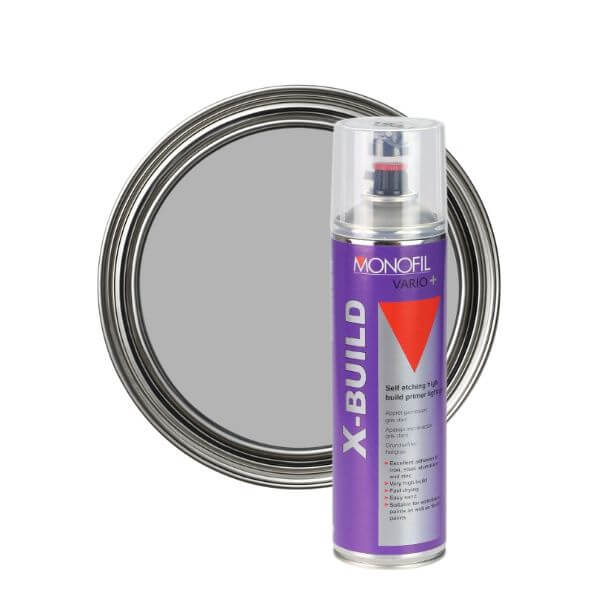
    • For Bare Metal: Use a self-etch primer. This product contains a mild acid that microscopically etches the metal, creating an incredibly strong bond and preventing future corrosion.
    • For Painted Metal: A standard metal primer will work perfectly to create a uniform base.

    3. Apply the Colour Coat:

    • Shake the can vigorously for at least two minutes.
    • Hold the can 10-12 inches from the surface and apply in light, sweeping motions, overlapping each pass by 50%.
    • Apply 2-3 thin coats, allowing 10-15 minutes of drying time between each, rather than one heavy coat.

    4. Cure Fully: Let the item cure for the time specified on the can (typically 24 hours) before exposing it to heavy use. This allows the paint to harden completely, giving it maximum durability.

    Is it better to spray or brush paint on metal?

    Choosing between spraying and brushing depends on the specific project, but for the vast majority of applications, spray painting is the superior method for finishing metal.

    Here’s a direct comparison to help you decide:

    Spray Painting Metal:

    • Finish Quality: Unbeatable. Provides a smooth, even, and professional-grade finish with no brush marks. It's the best way to achieve a "like-new" or factory look.
    • Speed: Significantly faster, especially on large surfaces or items with complex shapes like railings, gates, or intricate furniture.
    • Protection: Multiple thin coats create a consistent, sealed barrier against rust.

    Brush Painting Metal:

    • Control: Can be better for very small, detailed areas or for "cutting in" where precision is needed and masking is impractical.
    • Simplicity: Requires less setup and masking, making it a quick option for tiny touch-ups.
    • Drawbacks: It is very difficult to avoid brush strokes, which can cheapen the look of the final product. It is also a much slower process for anything other than small items.

    Conclusion: If your goal is a high-quality, durable, and professional-looking finish, spray painting is almost always the better choice. For small, quick touch-ups or specific industrial jobs, a brush can be suitable.

    Recently viewed