Skip to content
  • Cart

    Your cart is empty

    Plastic Spray Paint and Coatings

    Sort by

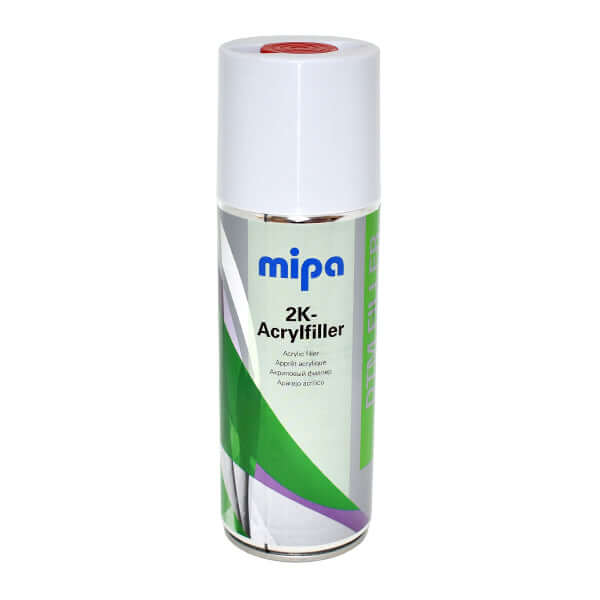
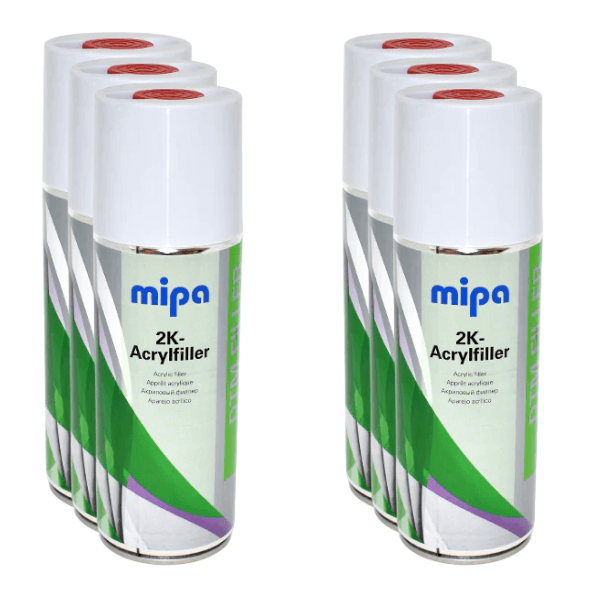
    On saleMipa 2K Acrylic Filler Spray Including Hardener (400ML) can for high-build fast-drying primer.
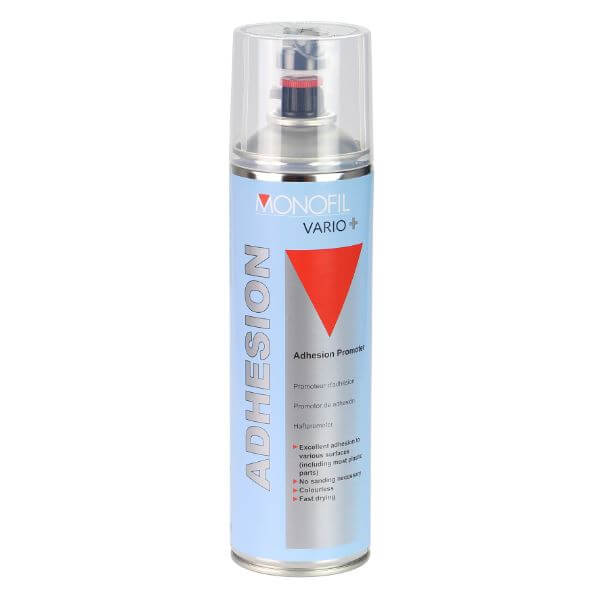
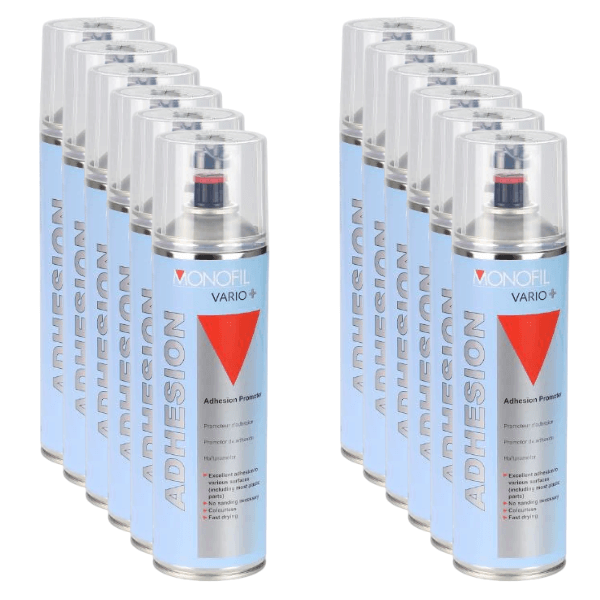
    Monofil Vario+ Adhesion (500ML) colourless fast-drying plastic primer for automotive surfaces.
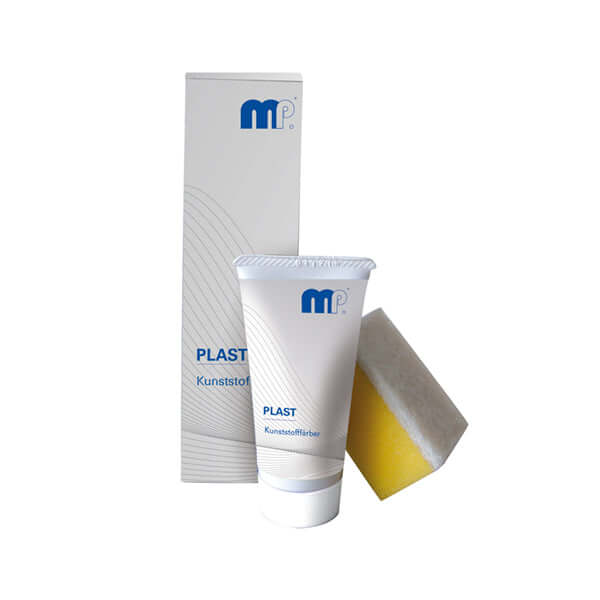
    Save 15%MP Plast (Grey) water-based plastic colourant tube with sponge for restoring faded surfaces.
    MP

    MP Plastic Paint Grey (75ml)

    Sale price£12.99 Regular price£15.25
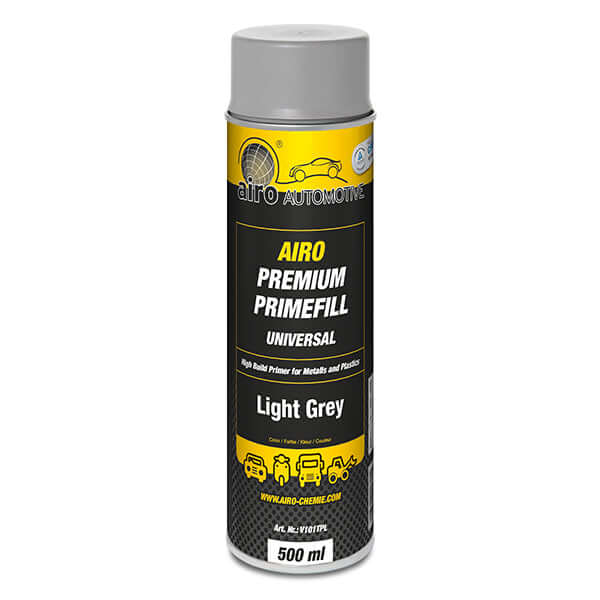
    Airo-Chemie Premium Primefill Aerosol 500ml - Light Grey spray primer for metal and plastic applications.
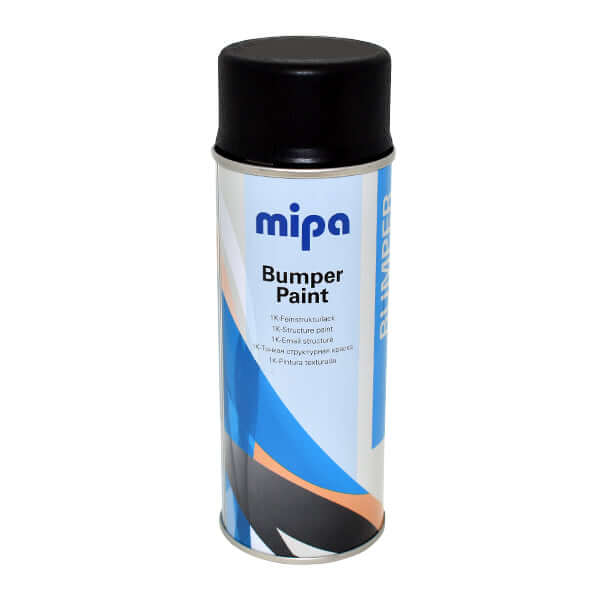
    On saleMipa Bumper Spray (400ML) in a round container with textured black coating for plastic surfaces.
    5 colors available
    RELO Crystal Clear Lacquer (VOC) Kit (Standard)
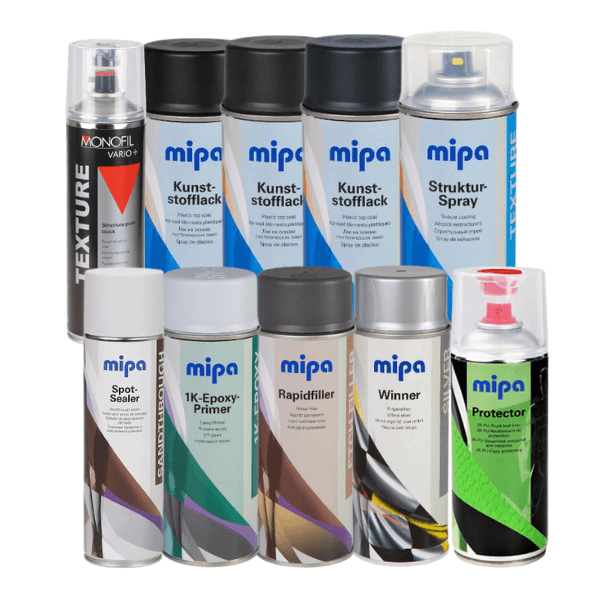
    Save 57%Mipa Repair Kit includes various aerosol cans for effective automotive repairs and surface restoration.
    Mipa Paints Limited

    Mipa Repair Kit

    Sale price£49.99 Regular price£115.55
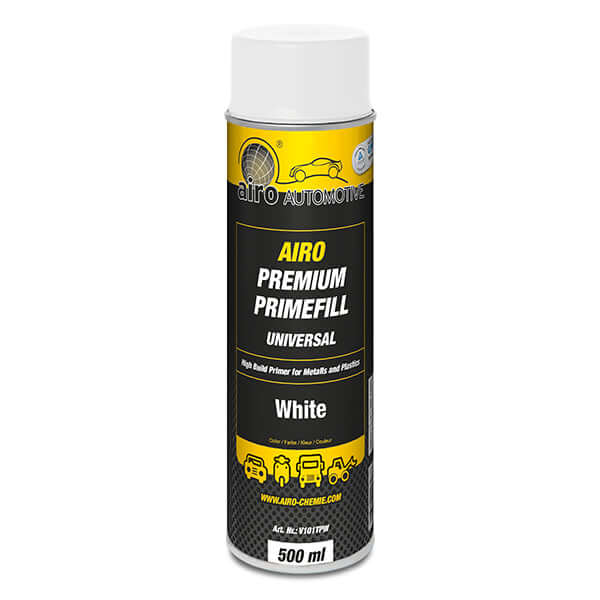
    Airo-Chemie Premium Primefill Aerosol 500ml - White, high build primer in an aerosol can, suitable for metals and plastics.
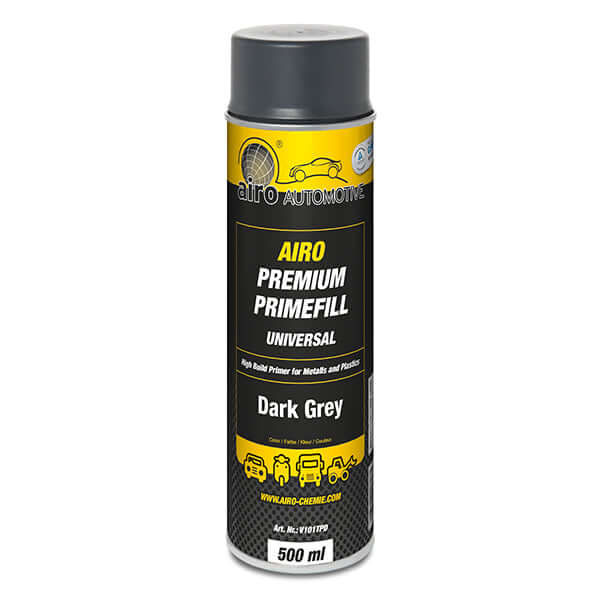
    Airo-Chemie Premium Primefill Aerosol 500ml - Dark Grey spray can for adhesion primer and corrosion protection.
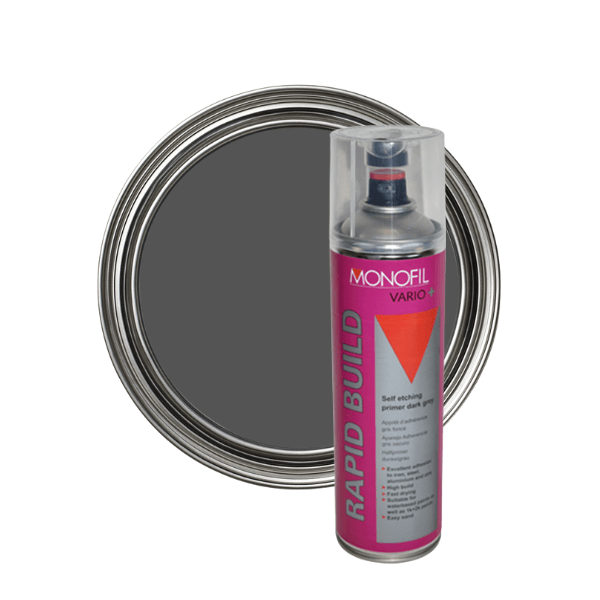
    On saleMonofil Vario+ Rapid Build (500ML) high-performance primer filler for metal and plastic surfaces.
    3 colors available
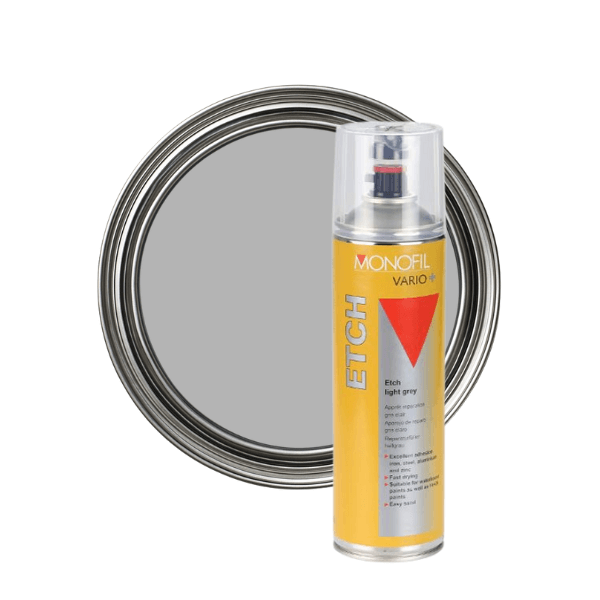
    Spray can labeled 'Moncal Vario Etch' next to a gray paint can on a white background
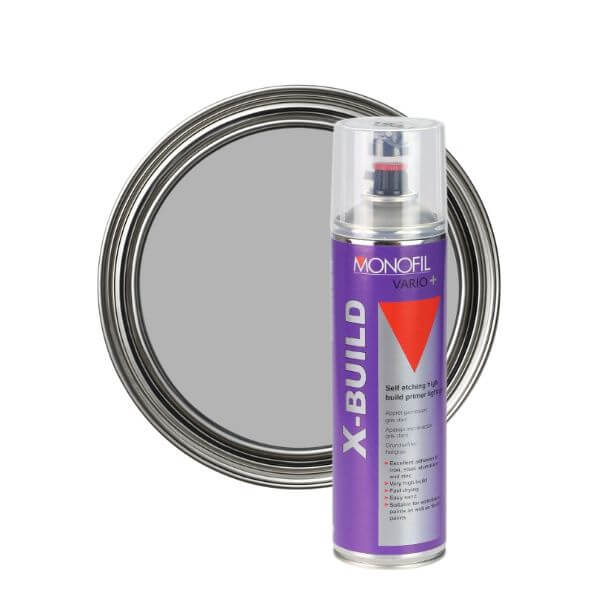
    On saleMonofil Vario+ X Build Light Grey (500ML) filler spray with gray color paint sample.
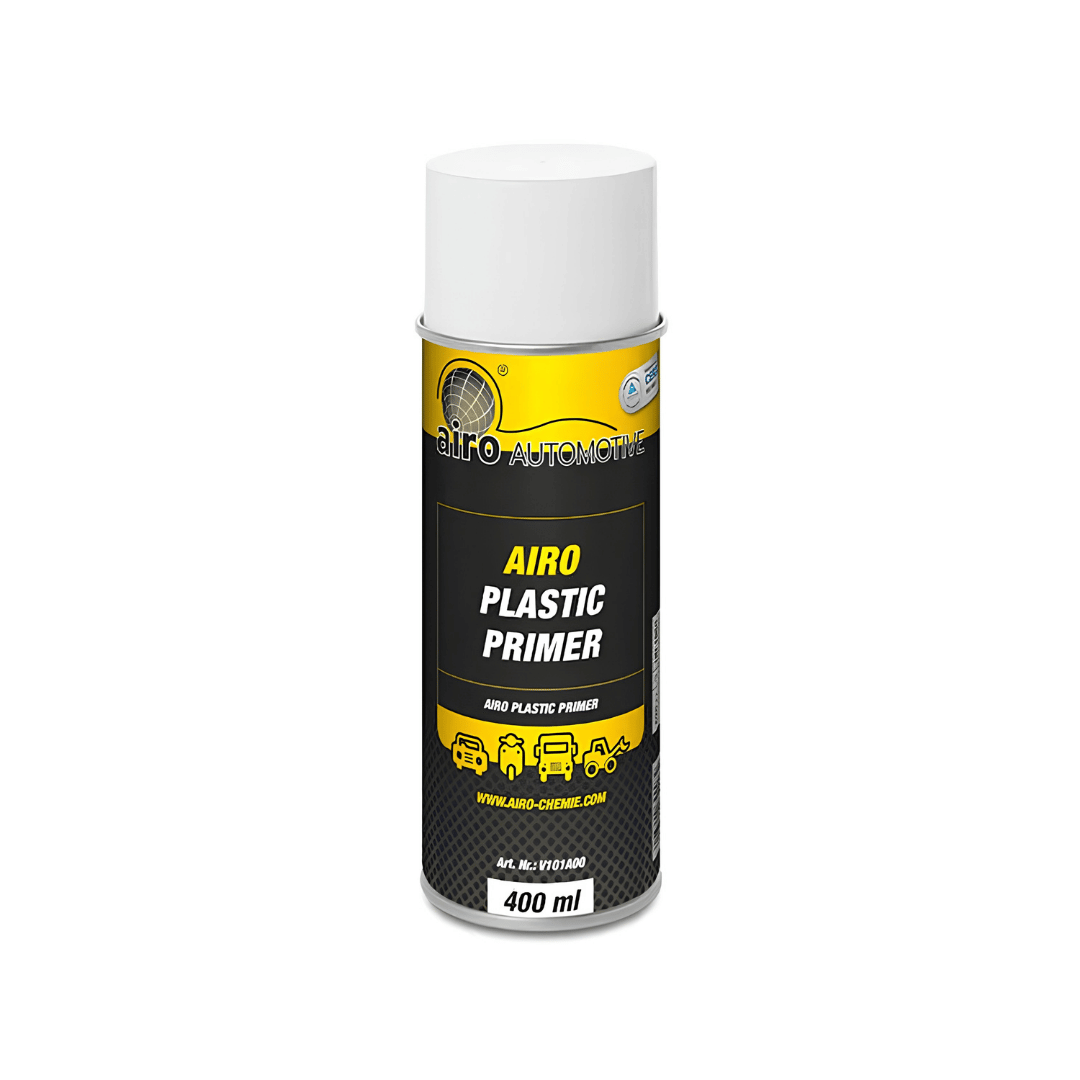
    Airo-Chemie 1K Plastic Primer Spray (400ml)

    Plastic Spray Paint and Coatings Frequently Asked Questions

    Can you spray paint plastic?

    Yes, you can absolutely spray paint plastic and achieve a fantastic, durable finish. However, you cannot use just any standard spray paint.

    Most plastics are flexible, non-porous, and smooth, which makes it very difficult for regular paint to adhere to them properly. Without the right preparation and products, the paint will quickly bubble, chip, or peel off.

    The key to success is using paints and primers specifically formulated for plastic surfaces. These products contain special additives that allow them to:

    • Bond effectively: A dedicated plastic primer or adhesion promoter creates a chemical bond with the plastic, creating a perfect surface for paint to stick to.
    • Remain flexible: Paints designed for plastic are able to flex with the material as it expands, contracts, or bends slightly, preventing cracks from forming.

    With the correct materials, you can permanently change the colour and refresh almost any plastic item.

    How do I spray paint plastic for a perfect finish?

    Achieving a professional, long-lasting finish when spray painting plastic is all about following a proven process. Skipping steps, especially preparation, is the number one cause of paint failure.

    Here is your step-by-step guide:

    1. Thorough Cleaning: This is the most critical step. Clean the plastic meticulously with a degreaser or soapy water to remove all dirt, oils, and mould-release agents from the manufacturing process. Dry it completely.
    2. Light Scuffing: Lightly sand the entire surface with a fine-grit sandpaper or a scuff pad. This removes the surface gloss and creates a microscopic texture, or "key," for the primer to grip onto. Wipe away all dust afterwards.
    3. Apply an Adhesion Promoter: This is the secret ingredient. Apply one or two light coats of a dedicated plastic primer or adhesion promoter. This product chemically bonds to the plastic, creating the ideal foundation for your colour coat.
    4. Apply Your Colour: Once the primer is dry, apply your plastic-compatible spray paint in several thin, even coats. It's better to apply 3 thin coats than 1 thick coat, allowing a few minutes of drying time between each pass.
    5. Add a Clear Coat (Optional): For items that will see a lot of wear, adding a compatible clear coat will provide an extra layer of protection against scuffs, UV rays, and chipping.

    Does spray paint actually stay on plastic?

    Yes, spray paint will create a very durable and permanent bond on plastic, but only if the correct steps are followed. When you see paint flaking or peeling from plastic, it is almost always because the surface was not prepared correctly.

    The reason paint doesn't naturally stick to plastic is due to the material's low surface energy and lack of porosity. Standard paint simply sits on top without anything to grip onto.

    Here’s why a properly applied plastic paint system lasts:

    • The Primer Does the Gripping: A plastic adhesion promoter doesn't just stick to the plastic; it creates a chemical bond. It becomes the perfect anchor layer that the colour coat can easily adhere to.
    • The Paint Provides Flexibility: Paints specifically formulated for plastic are designed to remain flexible after curing. This means they can withstand minor impacts and temperature changes without cracking or delaminating.

    By using the right primer and paint combination, you are creating a complete system that works together to provide a finish that is just as tough and long-lasting as a factory coating.

    Recently viewed