Skip to content
  • Cart

    Your cart is empty

    Polyester Resin Fillers

    Sort by

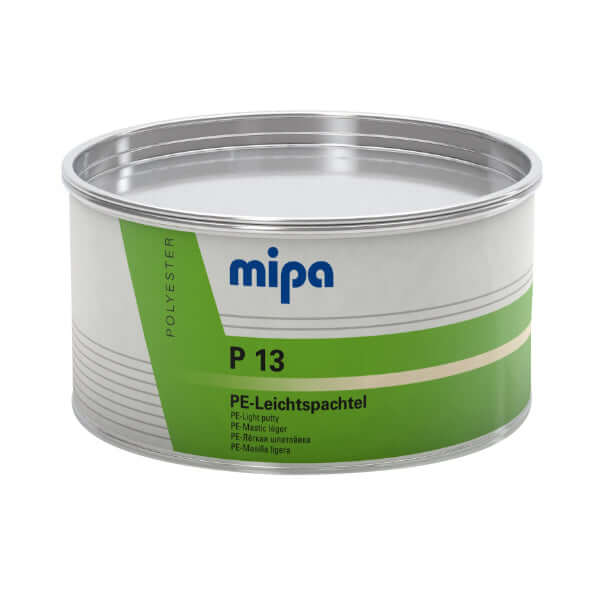
    Mipa P13 PE Light Filler with Hardener 1L - Premium automotive body filler canister.
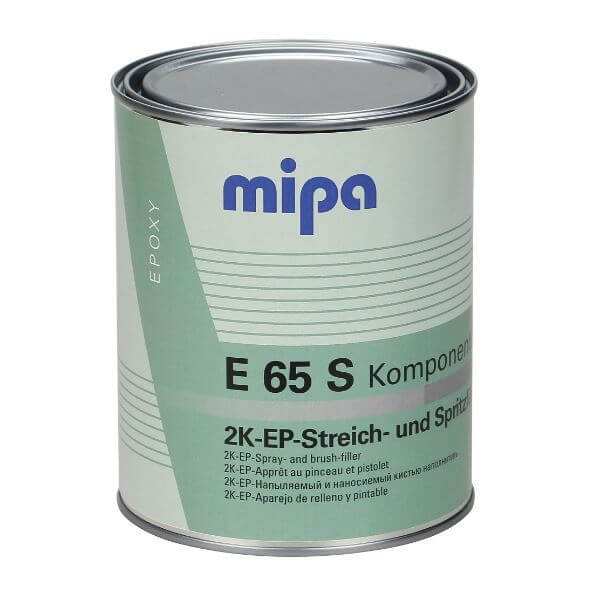
    Mipa E65 S 2K Epoxy Spray Filler 1.5Kg can design with product details and branding.
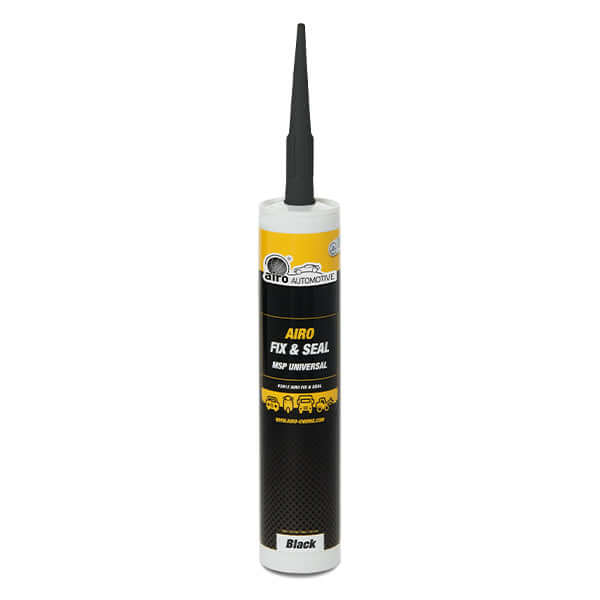
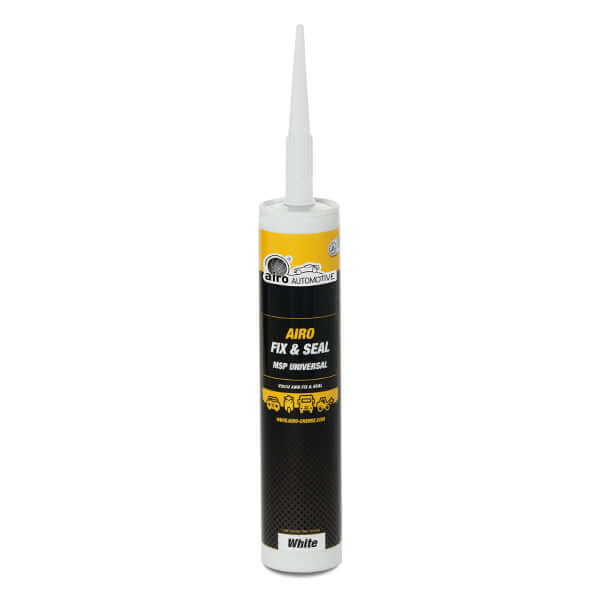
    Save 35%Airo-Chemie FIX & SEAL Polymer Sealant 290ml - Black in a tube, showcasing high flexibility and fast drying features.
    3 colors available
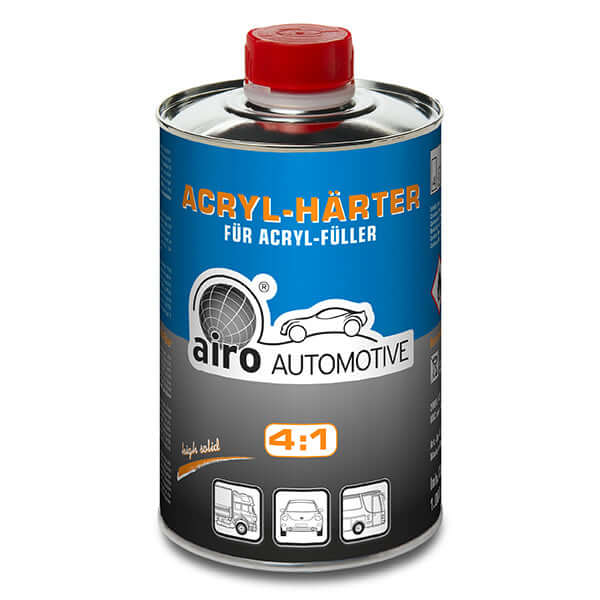
    On saleAiro-Chemie Acrylic Hardener 250ml in a metal canister, designed for use with Acryl-Füller 4:1, high solid content.
    Airo-Chemie

    Airo-Chemie Acrylic Hardener

    Sale priceFrom £6.99 Regular price£10.58
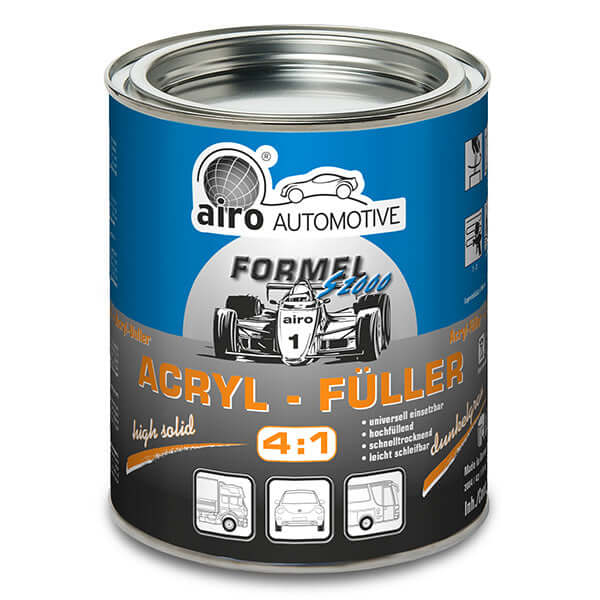
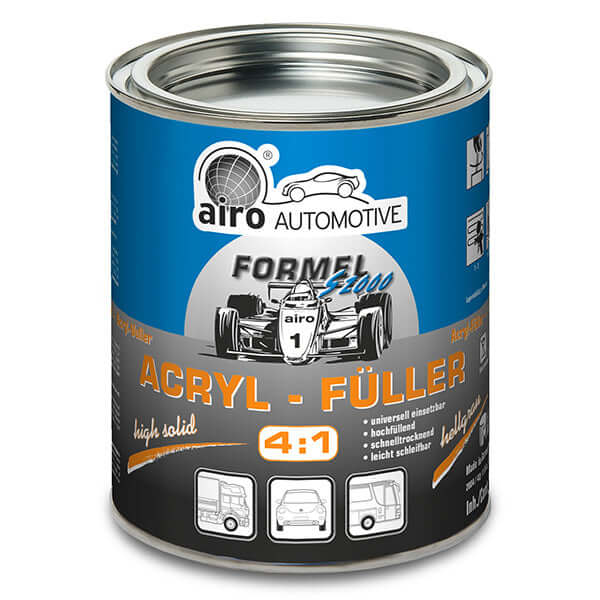
    On saleAiro-Chemie Formel S2000 Acrylic Filler 4:1 1 Litre - Dark Grey canister showcasing high solid content and fast drying properties.
    2 colors available
    Airo-Chemie

    Airo-Chemie Formel S2000 Acrylic Filler 4:1
    Sale priceFrom £16.99 Regular price£27.86
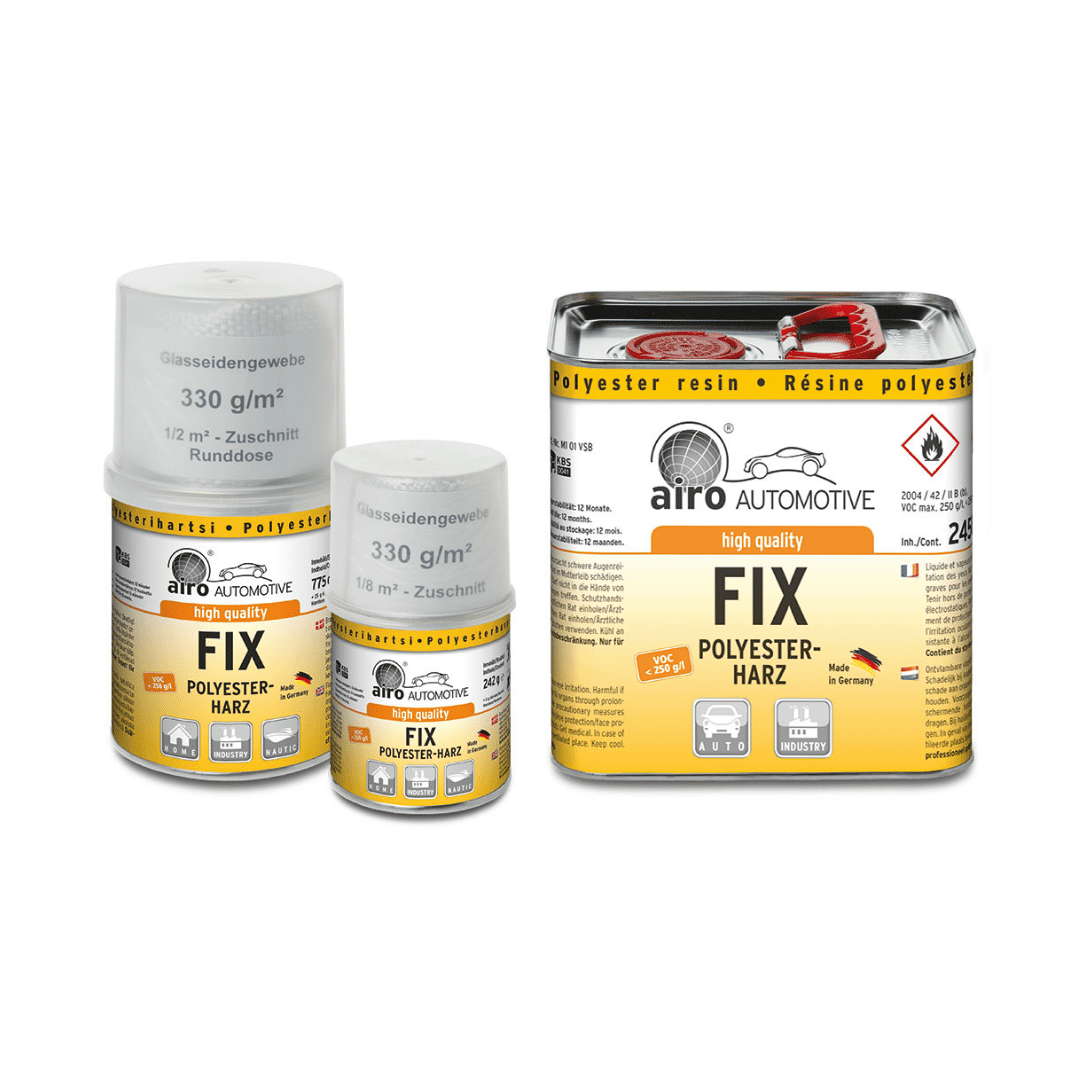
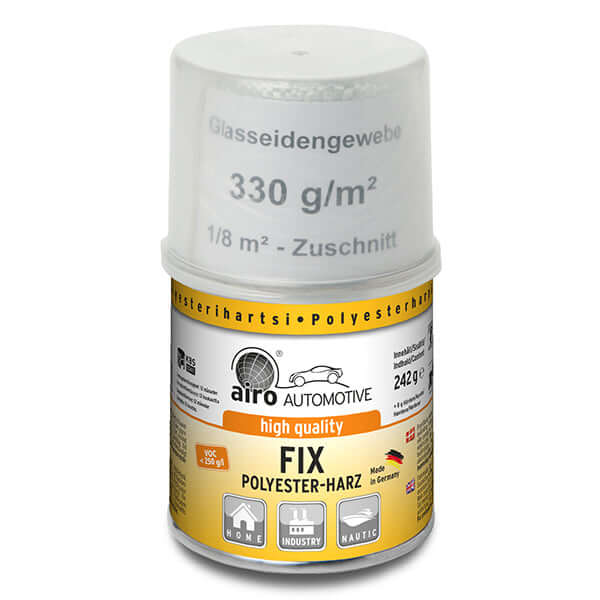
    Save 40%Airo-Chemie FIX Polyester Resin
    Airo-Chemie

    Airo-Chemie FIX Polyester Resin

    Sale priceFrom £4.99 Regular price£8.29
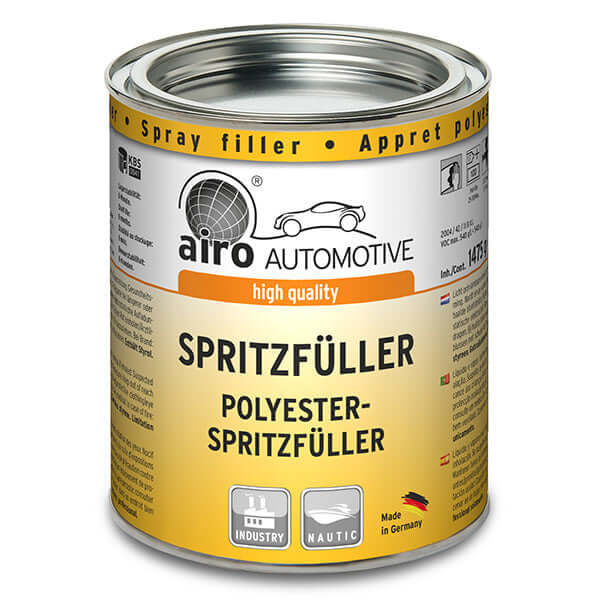
    Save 38%Airo-Chemie Polyester Sprayfiller 1.5kg - Grey can with detailed labeling and spray filler information.
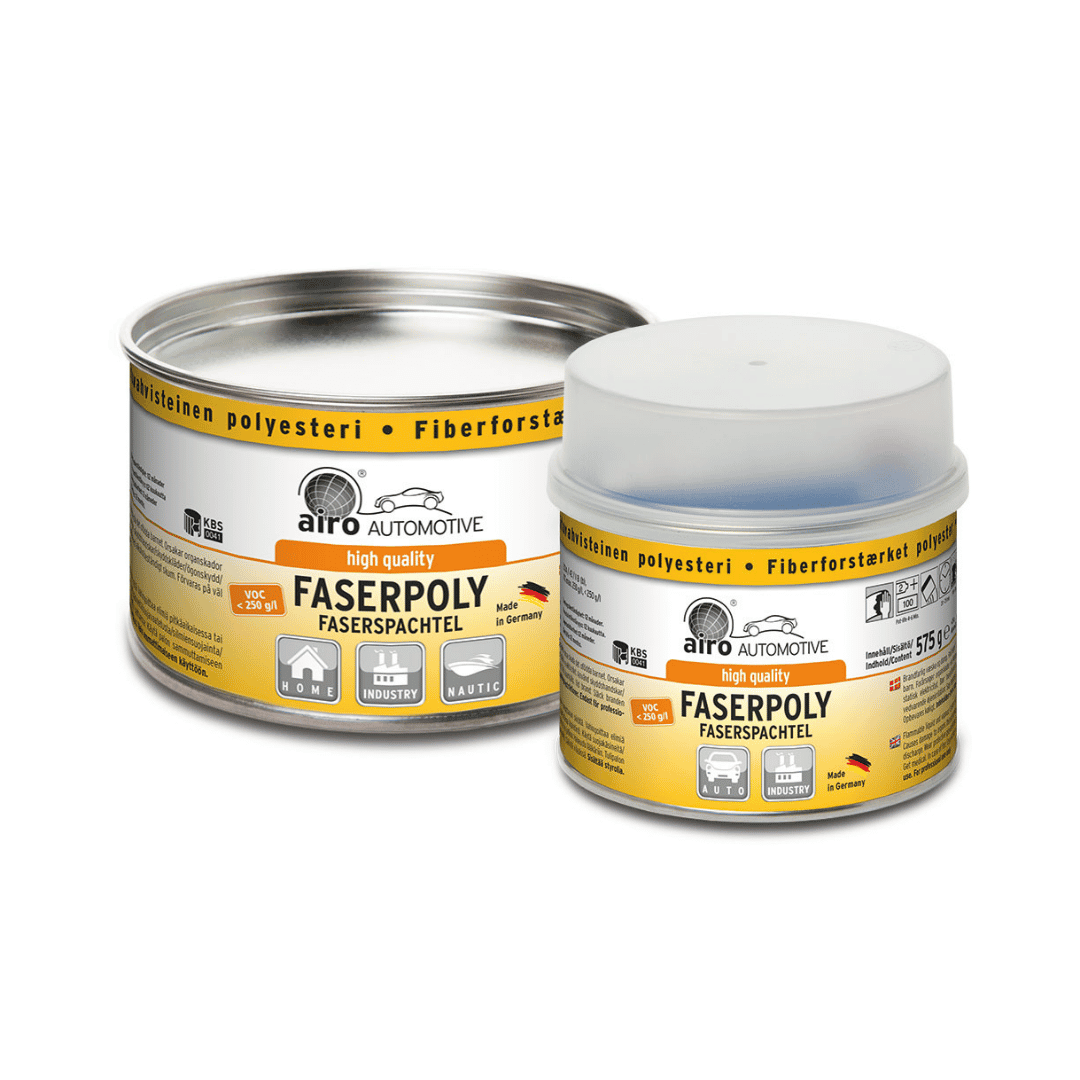
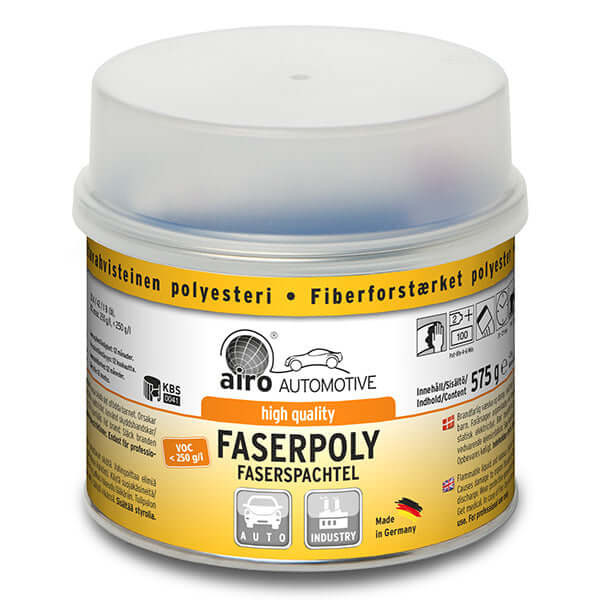
    Save 42%Airo-Chemie Polyester Resin (Faserpoly)
    Airo-Chemie

    Airo-Chemie Polyester Resin (Faserpoly)
    Sale priceFrom £8.99 Regular price£15.59
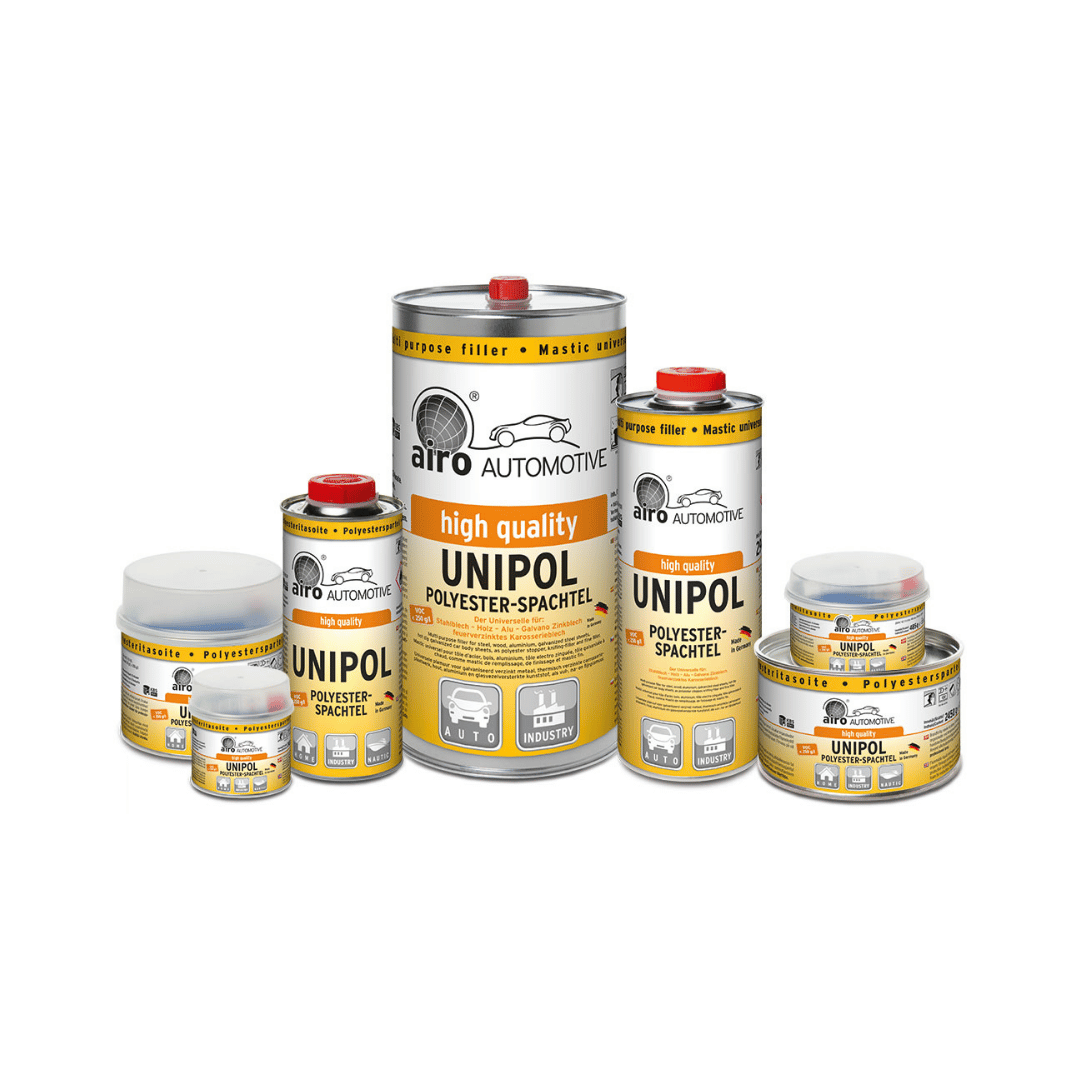
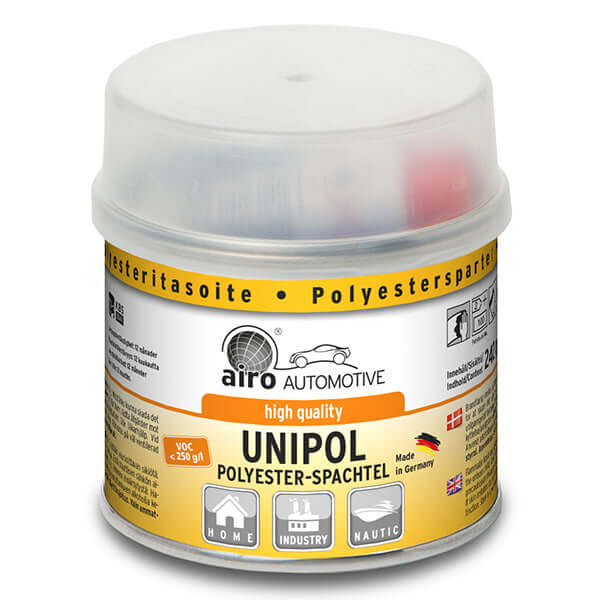
    On saleAiro-Chemie Unipol Polyester Filler (Beige)

    Polyester Resin Fillers Frequently Asked Questions

    What is polyester resin?

    Polyester resin is a durable and fast-curing synthetic polymer that forms the foundation of most high-strength, two-part fillers. It is supplied as a thick paste that, on its own, will not harden.

    To activate it, a catalyst, typically a liquid or cream hardener, must be mixed in. This initiates a chemical reaction (polymerisation) that causes the resin to rapidly cure into an incredibly hard, rigid, and solid material.

    The resulting cured resin is known for its excellent strength, heat resistance, and sandability. It is a cost-effective solution for a huge range of repairs, allowing you to fill significant gaps and reshape damaged areas before sanding them back to a perfectly smooth, paintable finish.

    What is polyester resin used for?

    Thanks to its strength, fast-curing nature, and sandability, polyester resin filler is one of the most versatile repair products available. It is the go-to solution for filling and repairing dents, cracks, and holes in a wide variety of materials.

    Some of its most common applications include:

    • Automotive Body Repair: This is its most famous use. It's perfect for filling dents, scratches, and rusted areas on vehicle body panels.
    • Fibreglass (GRP) Repairs: It bonds exceptionally well to fibreglass, making it ideal for repairing cracks and holes in boats, canoes, caravans, and other composite items.
    • Wood Repair: It can be used to fill large, non-structural holes or rotted sections in timber, providing a very hard and durable repair.
    • Metal Fabrication and Repair: It adheres well to various metals, making it useful for smoothing weld joints or repairing damage on metal fabrications.
    • General DIY: It can be used to repair cracks in certain types of masonry or for creating custom shapes and moulds.

    Can I use polyester resin filler over an epoxy surface?

    Yes, you can apply polyester resin filler over a fully cured epoxy surface, but it is absolutely critical that the epoxy is prepared correctly first.

    The bond between polyester and epoxy is purely mechanical, not chemical. This means the polyester needs a rough surface to physically grip onto.

    The Correct Process:

    1. Ensure the epoxy is fully cured (check the manufacturer's guidelines, this can be 24-72 hours).
    2. Thoroughly sand the entire epoxy surface with a coarse grit sandpaper, typically between P80 and P180. Your goal is to remove all the surface gloss and create a uniform pattern of deep scratches.
    3. Clean the surface to remove all dust before applying the polyester filler.

    Crucial Note: You cannot do this the other way around. Never apply epoxy over a fresh polyester filler. Polyester resins release chemicals (styrene) as they cure, and if you trap these under a layer of epoxy, it will prevent the epoxy from curing properly and will cause it to delaminate and peel off.

    Recently viewed