Skip to content
  • Cart

    Your cart is empty

    uPVC Paints and Sprays

    Sort by

    Soudal Glass Mirror Aerosol Spray Cleaner for a streak-free shine on glass and mirror surfaces.
    2 Sizes Available
    Soudal Multi Spray 8-in-1 Universal Maintenance Spray can with red cap, showcasing essential maintenance solutions.
    2 Sizes Available
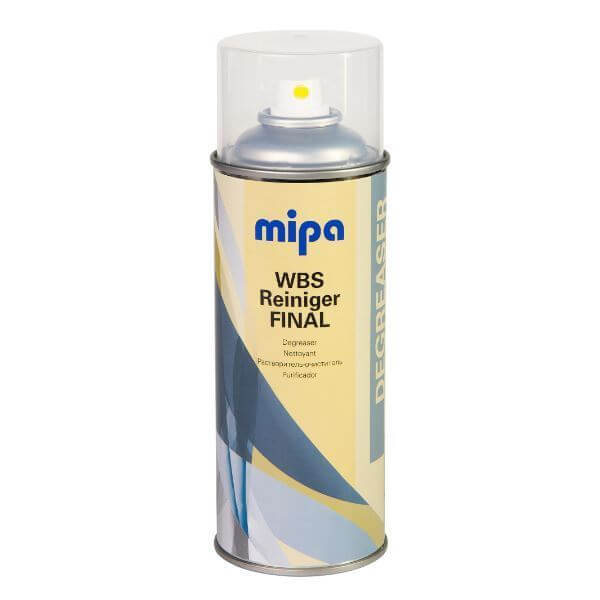
    Mipa Water-Based Degreaser Aerosol (400ML) in a spray can for effective cleaning and degreasing of plastic surfaces.
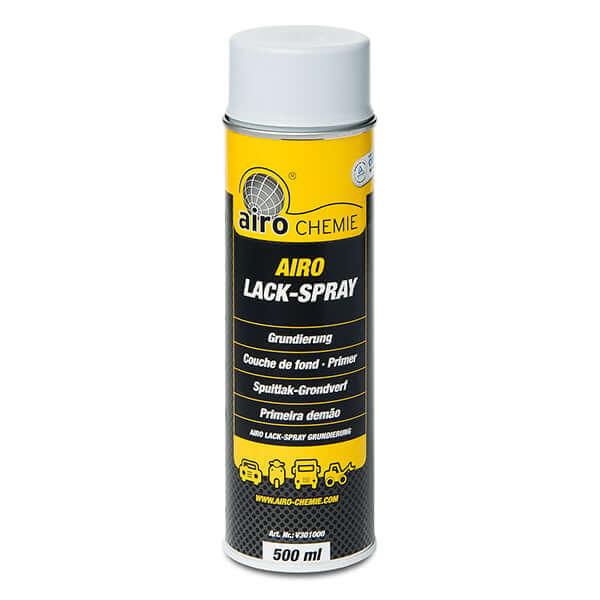
    Airo-Chemie 1K Primer Aerosol 500ml - Grey product image showcasing the fast-drying primer for repairs and DIY.
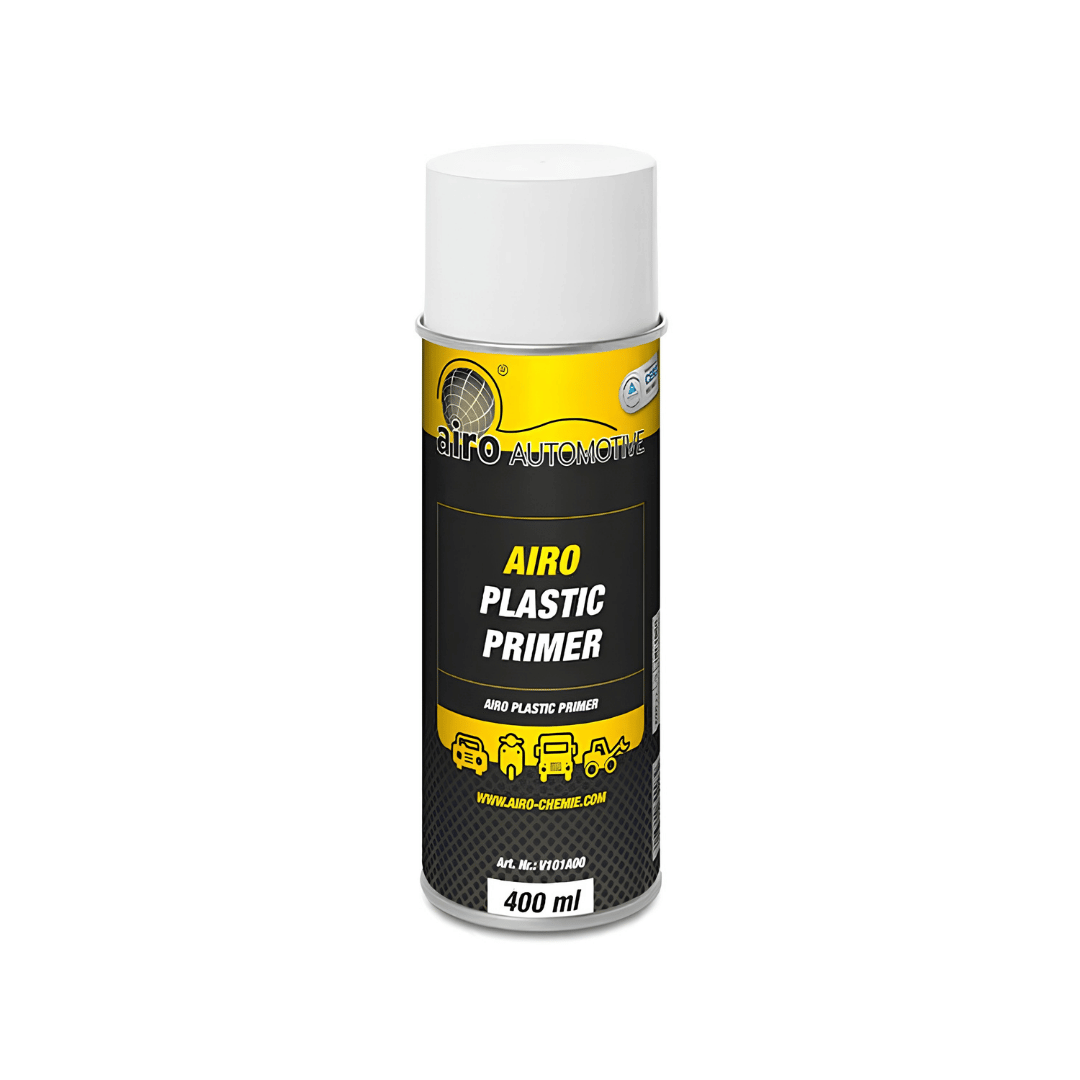
    Airo-Chemie 1K Plastic Primer Spray (400ml)
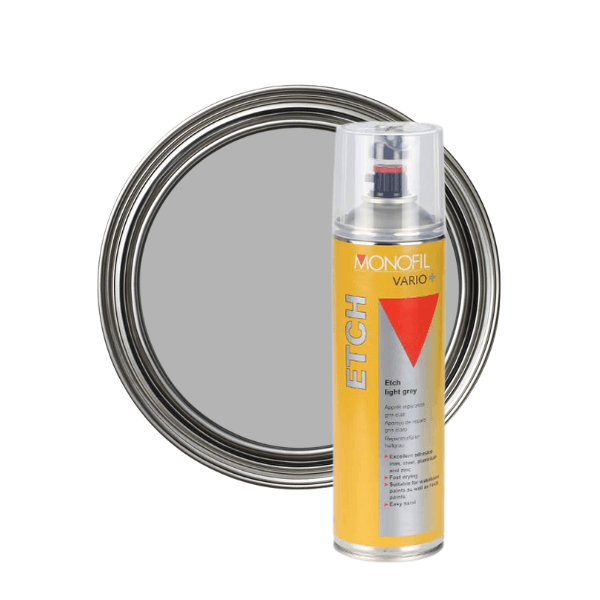
    On saleSpray can labeled 'Moncal Vario Etch' next to a gray paint can on a white background
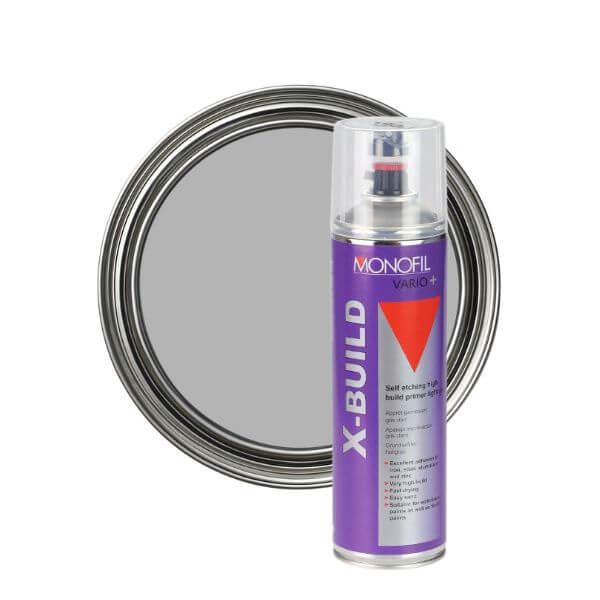
    Monofil Vario+ X Build Light Grey (500ML) filler spray with gray color paint sample.
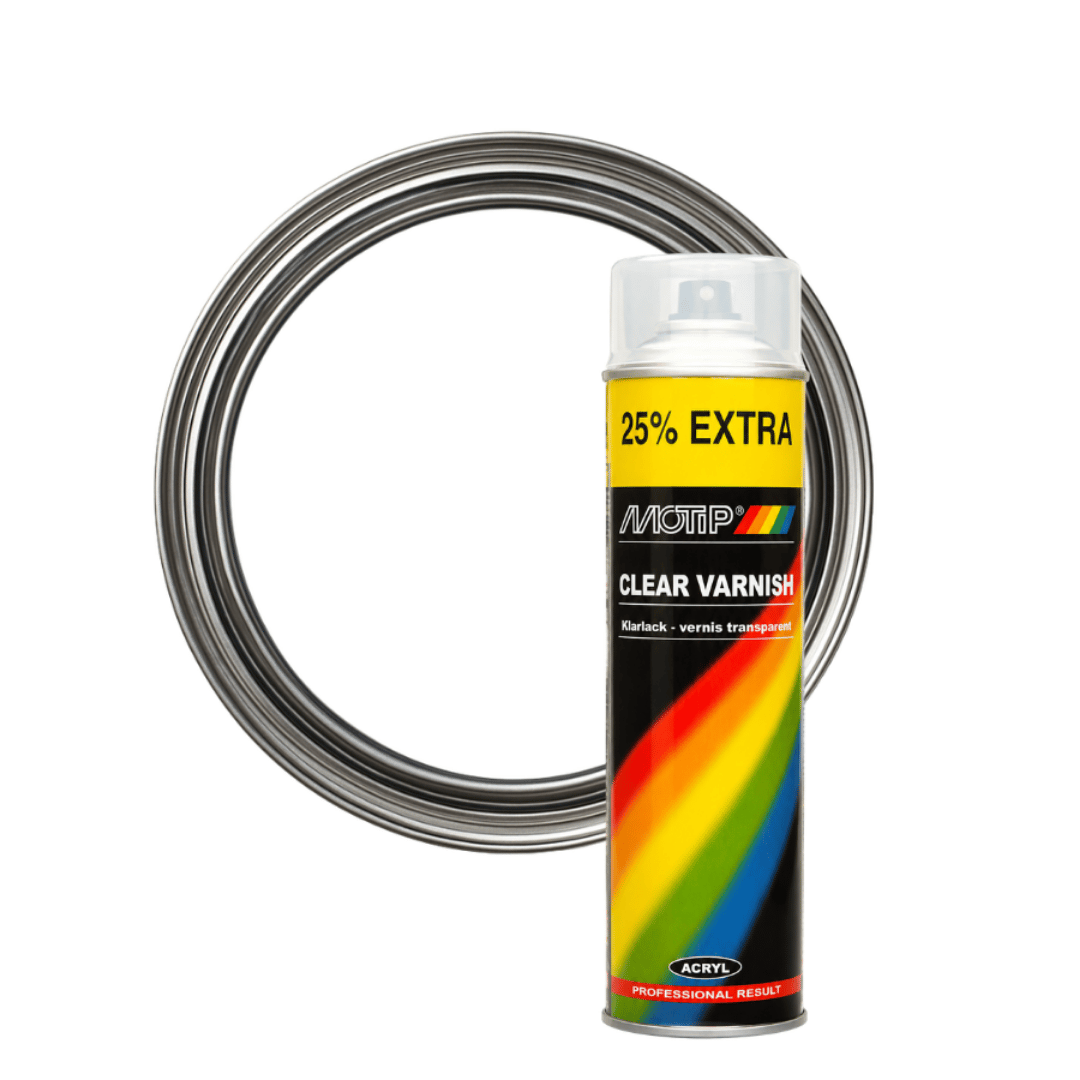
    MOTIP Clear Varnish Aerosol Spray (500ml)
    Nebula Paints Acrylic Topcoat Spray Paint (500 ml) with Satin Black finish and paint can background.
    5 Colours Available
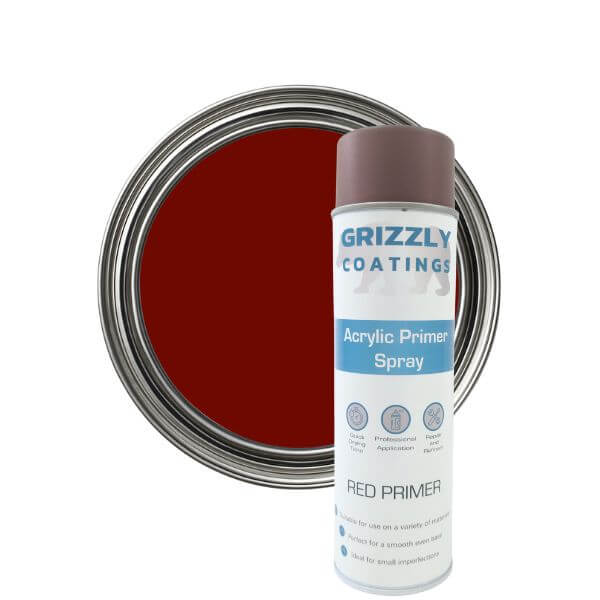
    Grizzly Coatings Acrylic Primer (500ml) spray can with red color background for fast-drying adhesion.
    3 Colours Available
    Nebula Paints Clear Acrylic Lacquer 500ml with protective spray can design on a white background.
    Nebula Paints Acrylic Primer Spray (500ml) with red paint and spray can, showcasing fast-drying adhesion primer.
    3 Colours Available
    Grizzly Coatings Acrylic Topcoat Spray Paint (500ml) in Satin Black against a circular paint can background.
    5 Colours Available

    uPVC Paints and Sprays Frequently Asked Questions

    Can you spray paint uPVC?

    Yes, absolutely. Spray painting is the premier method for refinishing and changing the colour of uPVC (unplasticised polyvinyl chloride) items like window frames, doors, gutters, and fascias. It is the technique used by professionals to achieve a flawless, factory-new look.

    For years, it was thought that once uPVC aged, it had to be replaced. However, modern paint technology has made it possible to create a durable, long-lasting bond with the plastic surface.

    Why spray painting is the best method for uPVC:

    • A Flawless Finish: Spraying provides a perfectly smooth, even coat that is impossible to achieve with a brush or roller. It leaves no marks or texture, resulting in a finish that looks like the uPVC was originally manufactured in the new colour.
    • Exceptional Durability: When done correctly with the right products, the finish is extremely tough, weather-resistant, and will not peel or flake.
    • Cost-Effective Transformation: It is a highly effective way to modernise your property and boost its kerb appeal for a fraction of the cost of replacing windows and doors.

    What spray paint should you use for uPVC?

    You cannot use just any standard spray paint on uPVC. The surface is non-porous and flexible, so it requires a paint with a very specific formulation to create a permanent bond.

    The best and only paint to use is a specialist uPVC paint, which is engineered to work with the unique properties of the plastic.

    Look for a paint that has these key characteristics:

    • Direct Adhesion: A true uPVC paint is formulated to bond directly and chemically with the plastic surface without needing a separate primer. This creates a superior, integrated finish that resists peeling and flaking.
    • Built-in Flexibility: uPVC expands and contracts significantly with changes in temperature. uPVC paint is designed to be flexible, allowing it to move with the plastic and prevent cracks from forming over time.
    • UV Resistance: It must contain high-quality UV blockers. This is essential to protect the new colour from fading in direct sunlight and to protect the plastic underneath from becoming brittle.

    Using a general-purpose spray paint will result in a finish that fails quickly, as it lacks the adhesion and flexibility needed to survive on a uPVC surface.

    How do you spray paint uPVC for a professional finish?

    Achieving a professional, long-lasting finish on uPVC is all about meticulous preparation and correct application. A rushed job will fail, but a properly executed one can last for over a decade.

    Follow this professional step-by-step guide:

    1. Deep Cleaning (The Most Crucial Step):

    • Thoroughly clean the uPVC frames with a specialist uPVC cleaning solvent or degreaser. This removes years of built-up traffic film, dirt, and silicones, which are the enemy of paint adhesion.
    • Wipe the surface down and allow it to dry completely.

    2. Meticulous Masking:

    • Carefully mask off all areas you don't want painted, including the glass, brickwork, and rubber seals/gaskets. Use high-quality masking tape and paper for clean, sharp lines.

    3. Final Surface Preparation:

    • Just before painting, wipe the surface with a panel wipe or isopropyl alcohol on a lint-free cloth. This removes any final traces of grease or contaminants.

    4. Applying the Paint:

    • Shake the uPVC spray can vigorously for at least two minutes.
    • Apply a very light "mist coat" or "tack coat" first. This thin layer acts as the perfect anchor for the following coats.
    • After 10-15 minutes, begin applying fuller, wetter coats. Hold the can 10-12 inches from the surface and use smooth, sweeping motions, overlapping each pass by about 50%.
      Apply 2-3 coats until you have achieved full, even coverage.

    5. Curing:

    • Allow the paint to become touch-dry before carefully removing your masking.
    • The paint will need time to fully cure and harden. Avoid heavy use or harsh cleaning for at least 72 hours.

    Recently viewed