Skip to content
  • Cart

    Your cart is empty

    Plastic Primer

    Painting plastic can be notoriously difficult. Without the right preparation, Paint will easily flake, peel, or crack, ruining your project. At Nebula Paints, we offer specialist plastic coating solutions designed to solve this exact problem. Our range of high-performance Primers ensures a strong, durable bond on even the most challenging plastic surfaces.

    Sort by

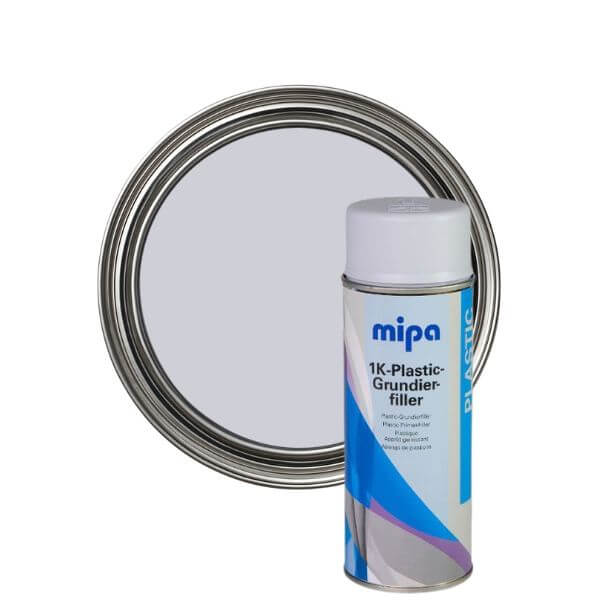
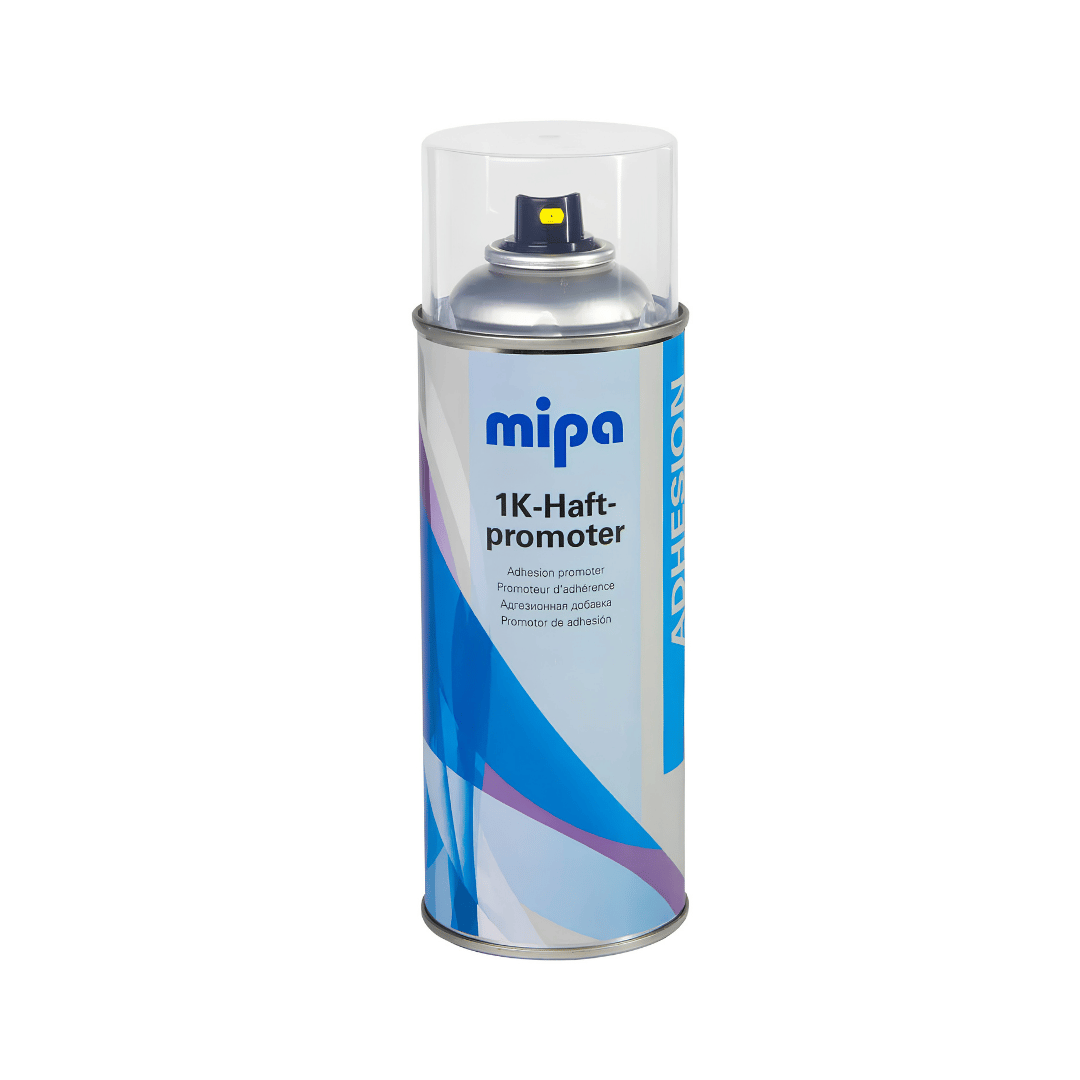
    On saleMipa 1K Adhesion Promoter Spray (400ML)
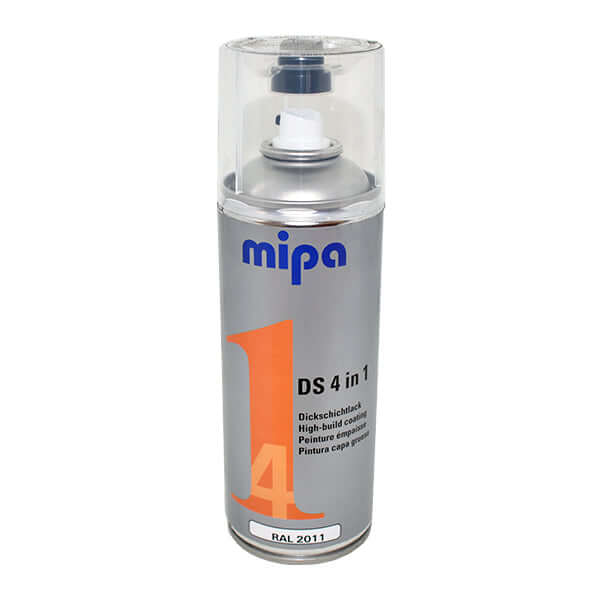
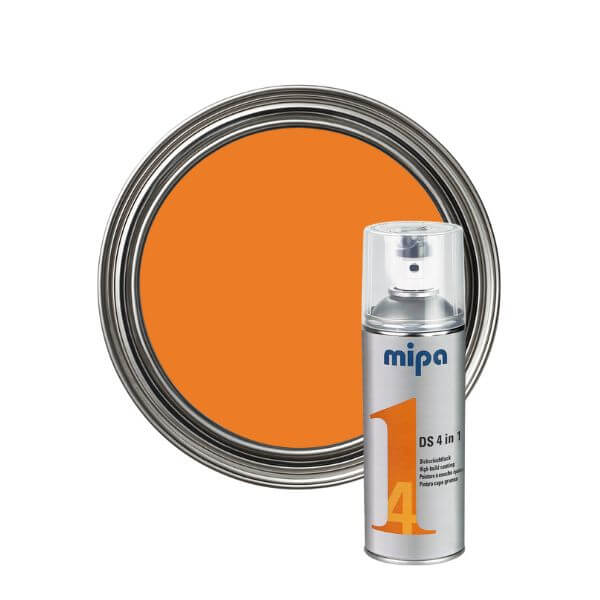
    On saleMipa 4 in 1 DS Spray Paint (400ml) can for high-build acrylic paint suitable for various surfaces.
    17 Colours Available
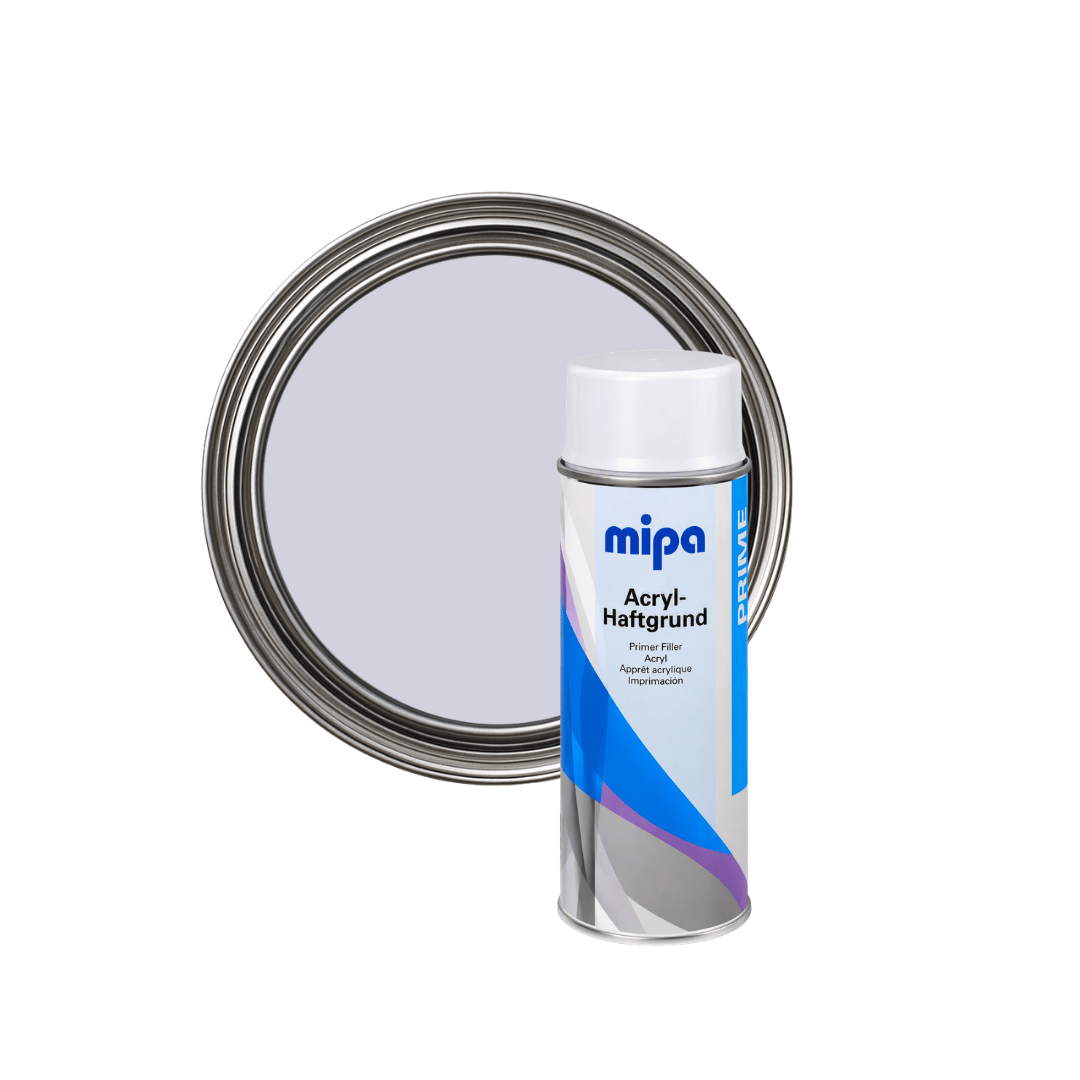
    Mipa High Build Primer Filler (400ML)
    2 Colours Available
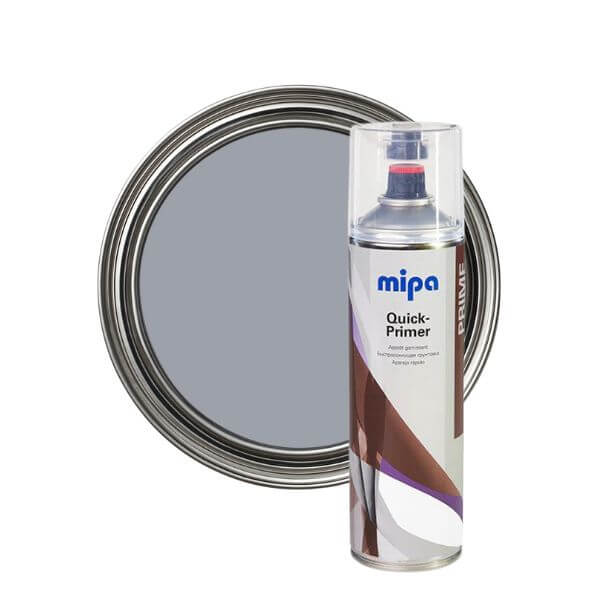
    Mipa Quick Primer Spray (500ML) can with primer surface and metallic lid for automotive repairs.
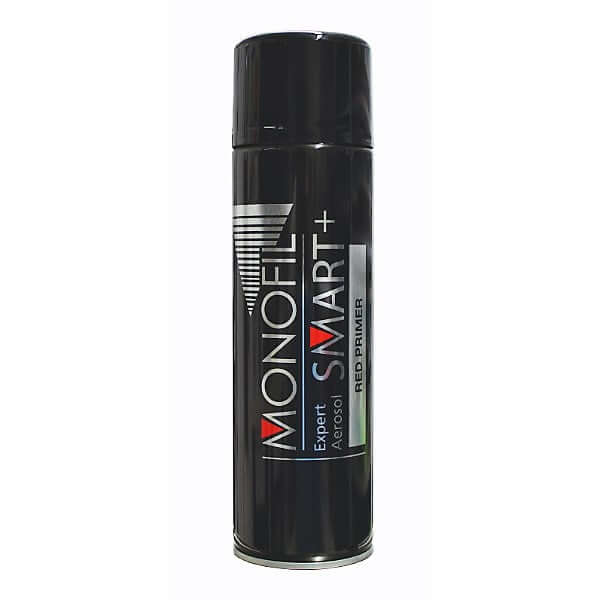
    Monofil Smart+ Spray Primer (500ml) can in red, fast-drying acrylic aerosol primer for automotive work.
    3 Colours Available
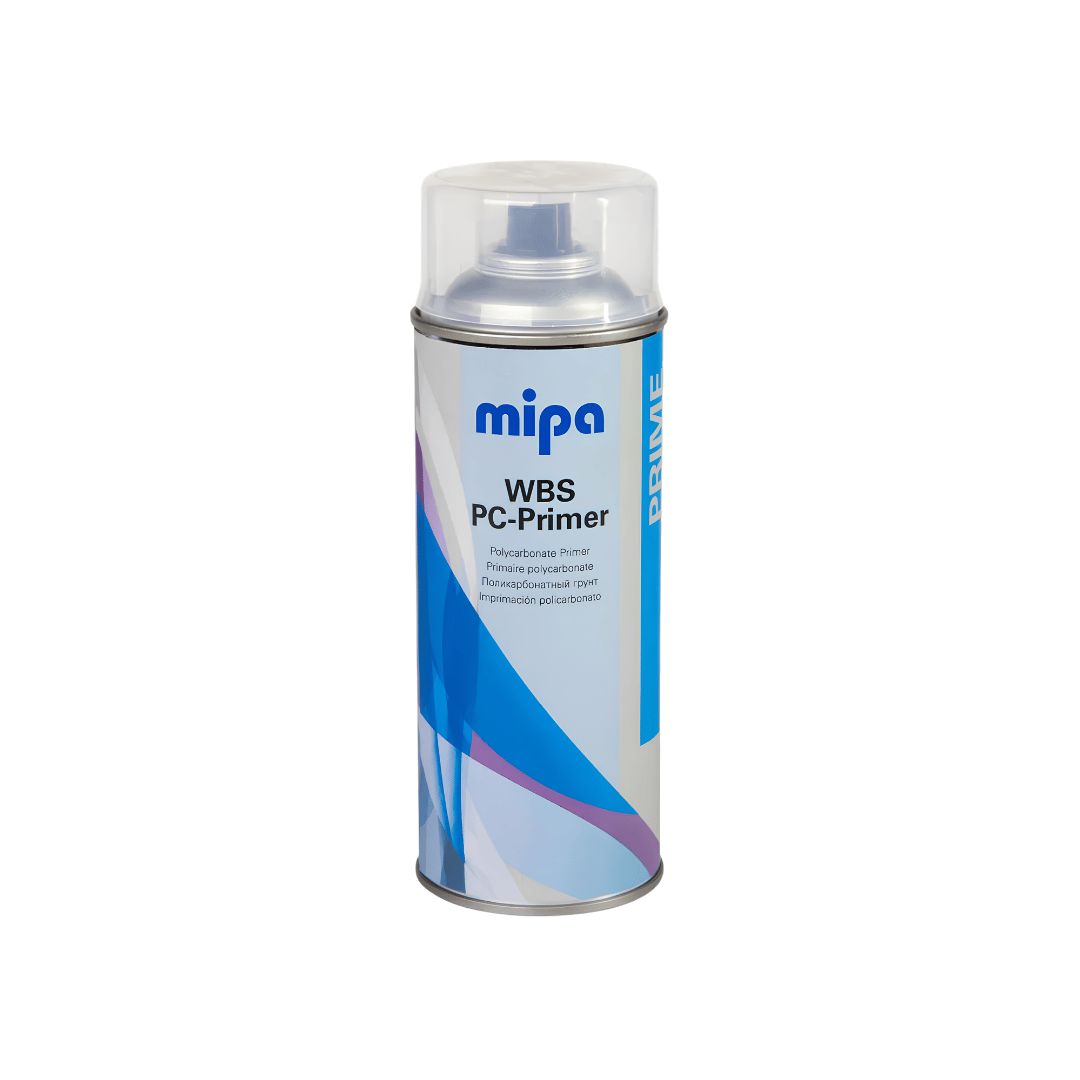
    On saleMipa WBS Polycarbonate Primer Aerosol (400ml)
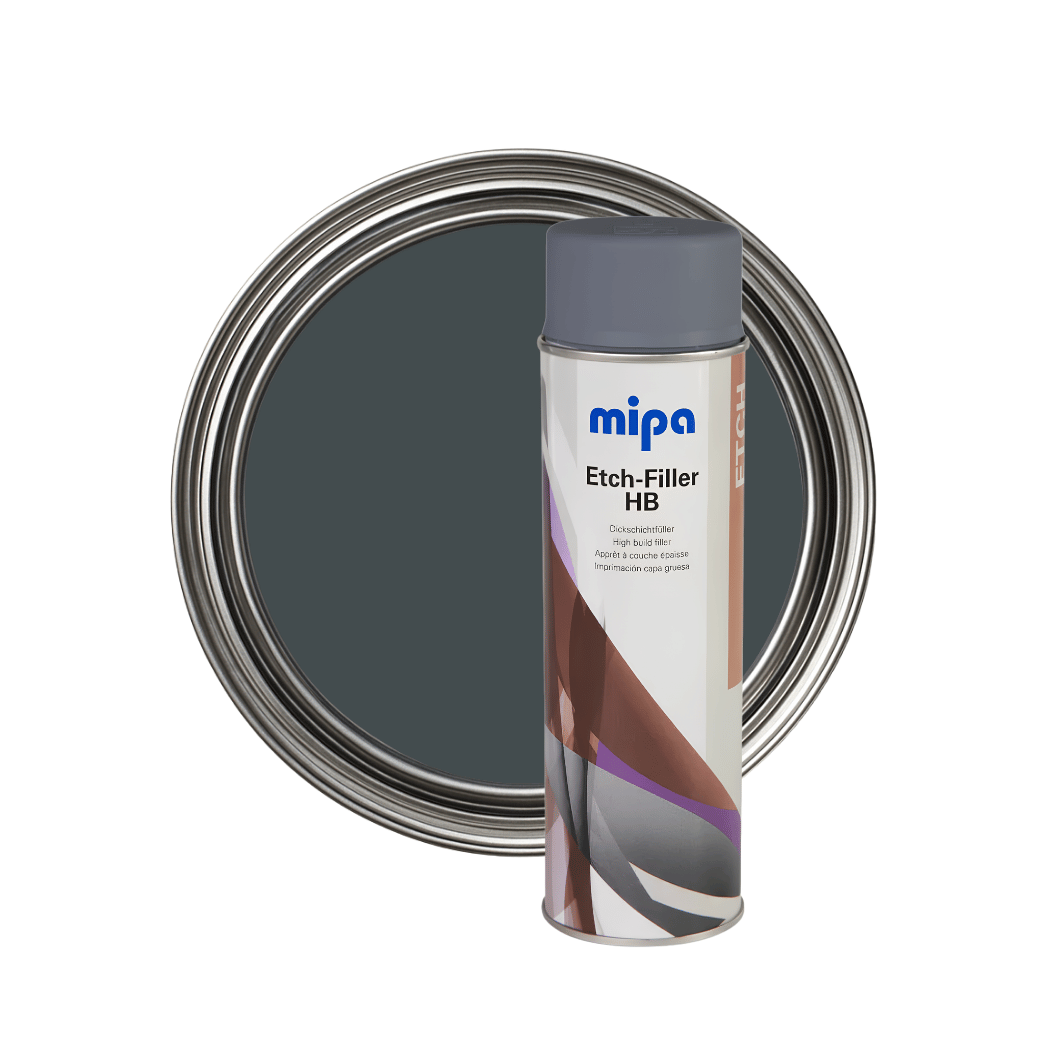
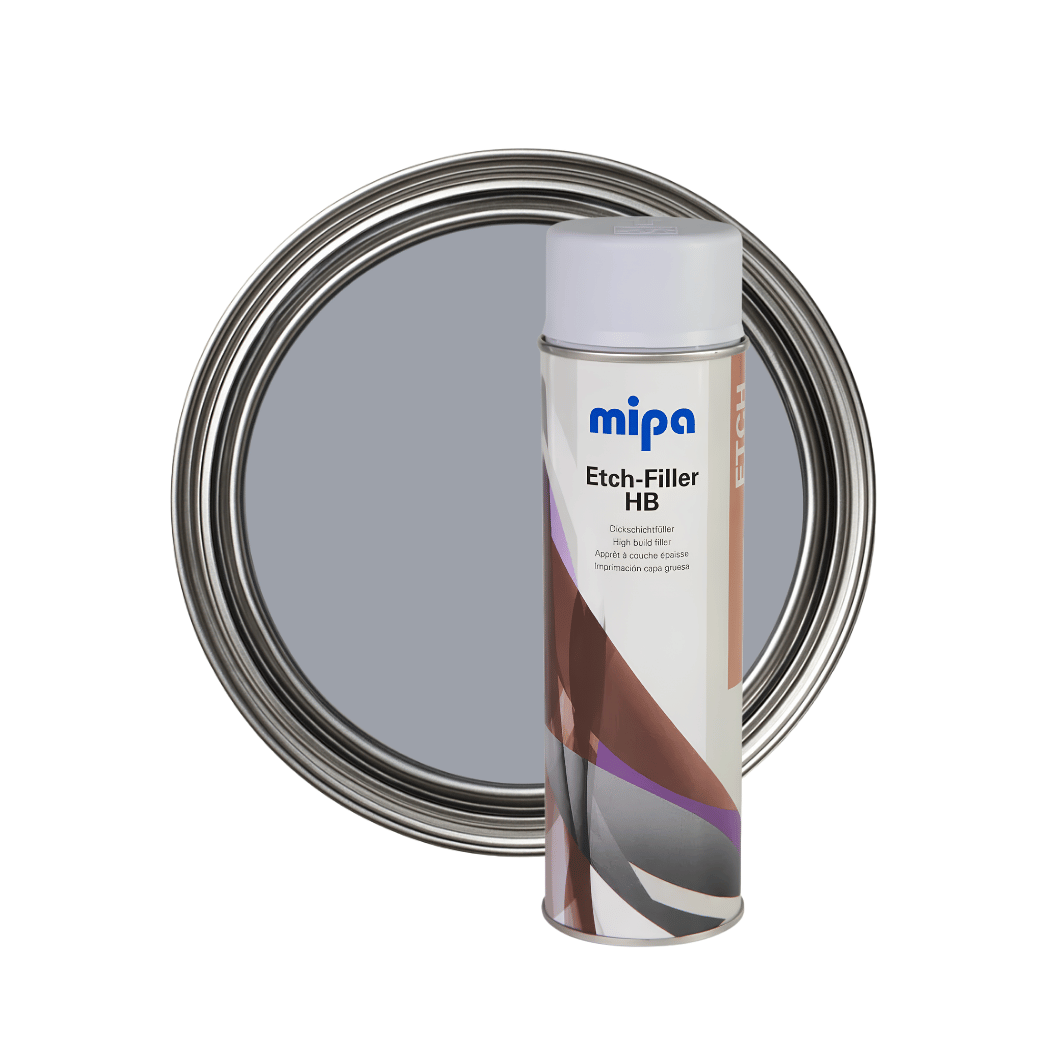
    On saleMipa Etch Filler High Build Spray (500ml)
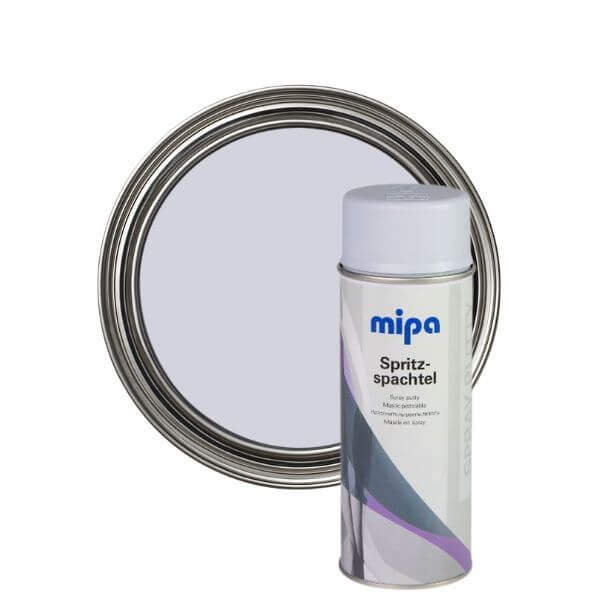
    2 Colours Available
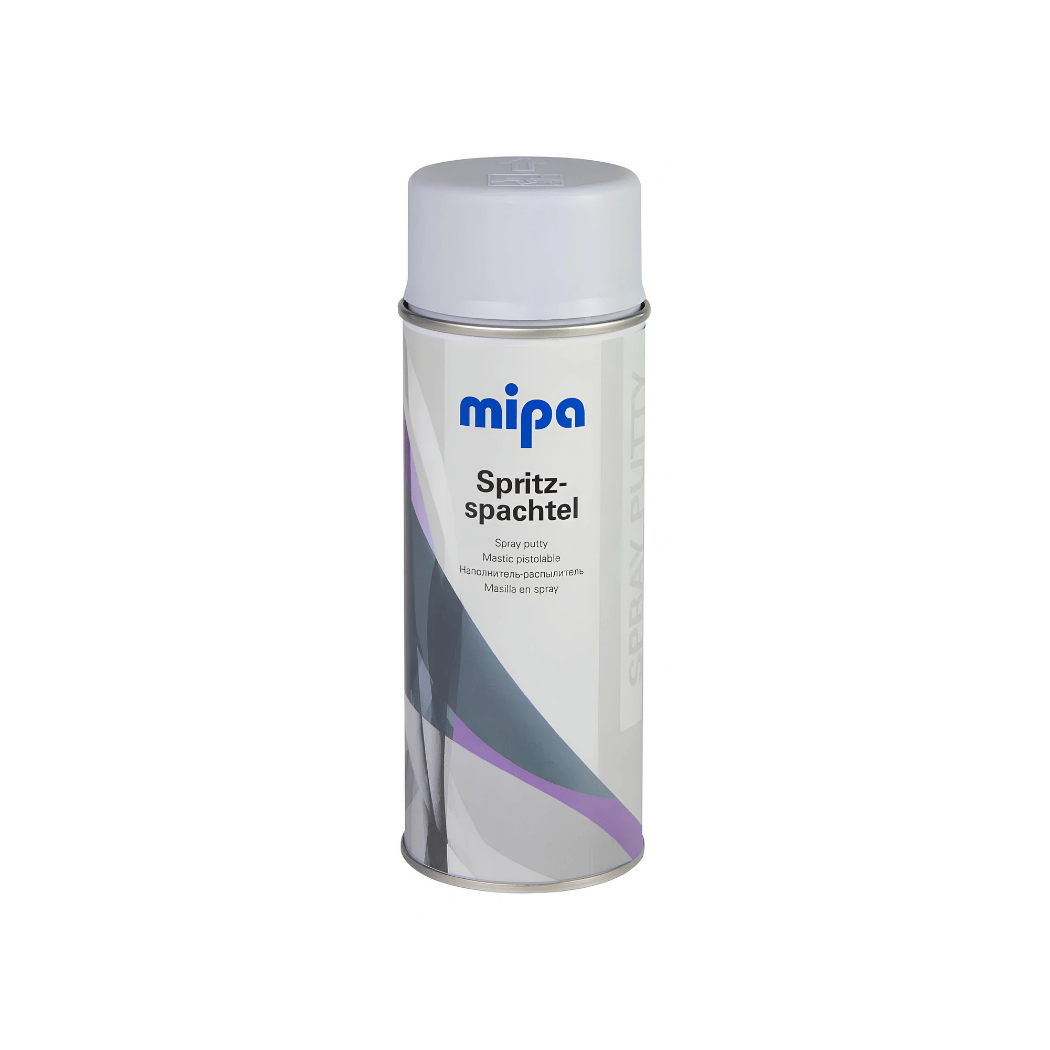
    On saleMipa Spray Putty Grey (400ML) aerosol can next to round mirror for surface smoothing and scratch repair.
    On saleMipa Quick Primer Spray (500ML) next to a circular paint can on a white background.
    3 Colours Available
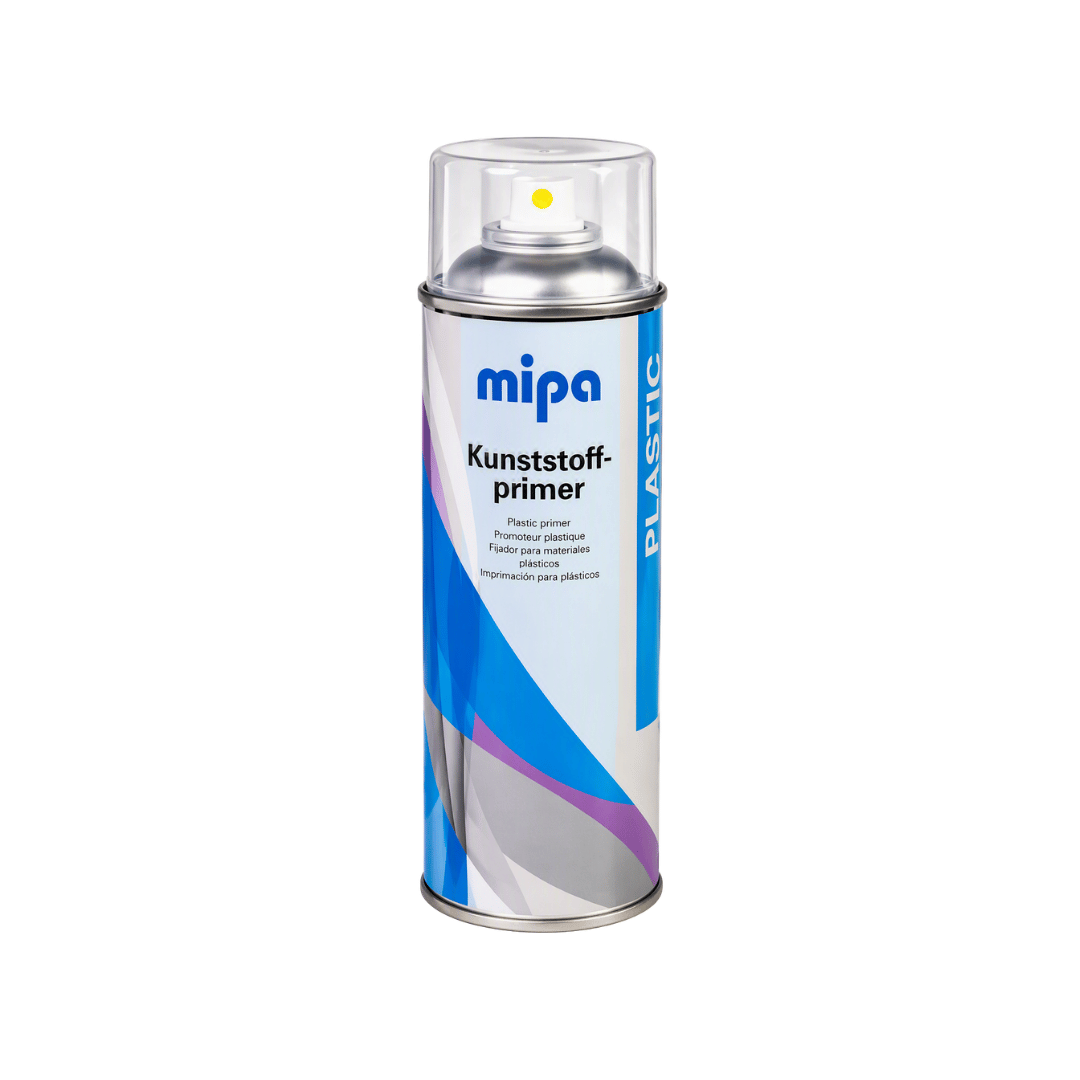
    On saleMipa Plastic Primer Aerosol (400ml)
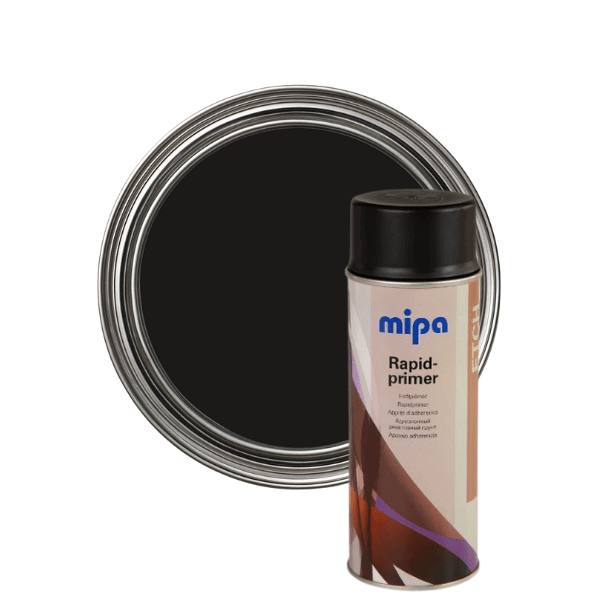
    On saleMipa Rapid Primer Spray (400ML) alongside a black circular surface, showcasing high-quality corrosion protection.
    3 Colours Available
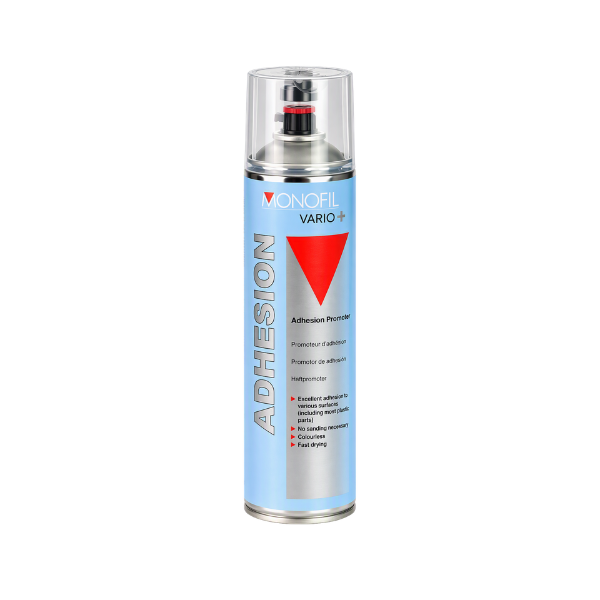
    Monofil Vario+ Adhesion (500ml)
    On saleMipa Spray Filler Plus (400ml)
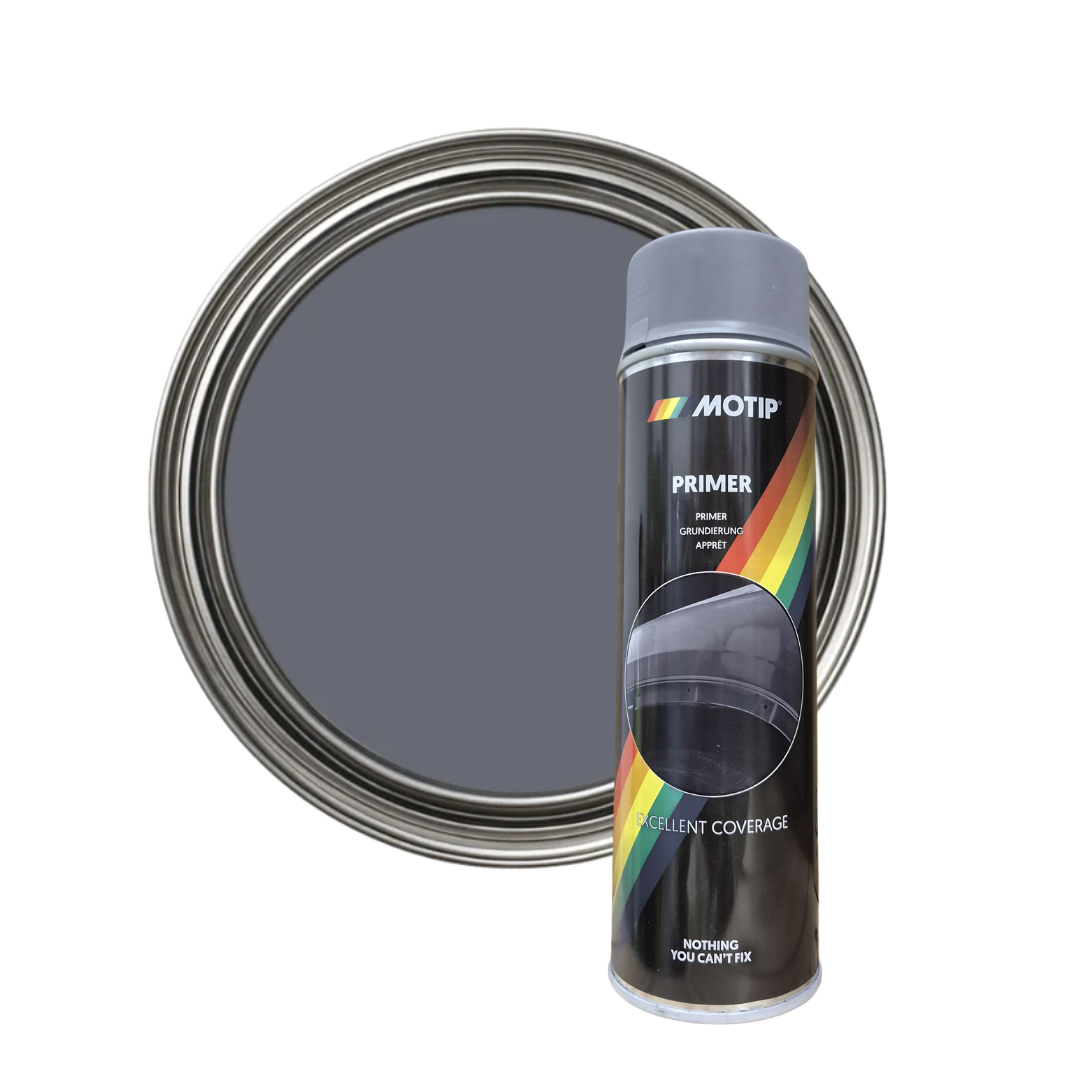
    MOTIP Grey Primer Aerosol Spray (500ml)
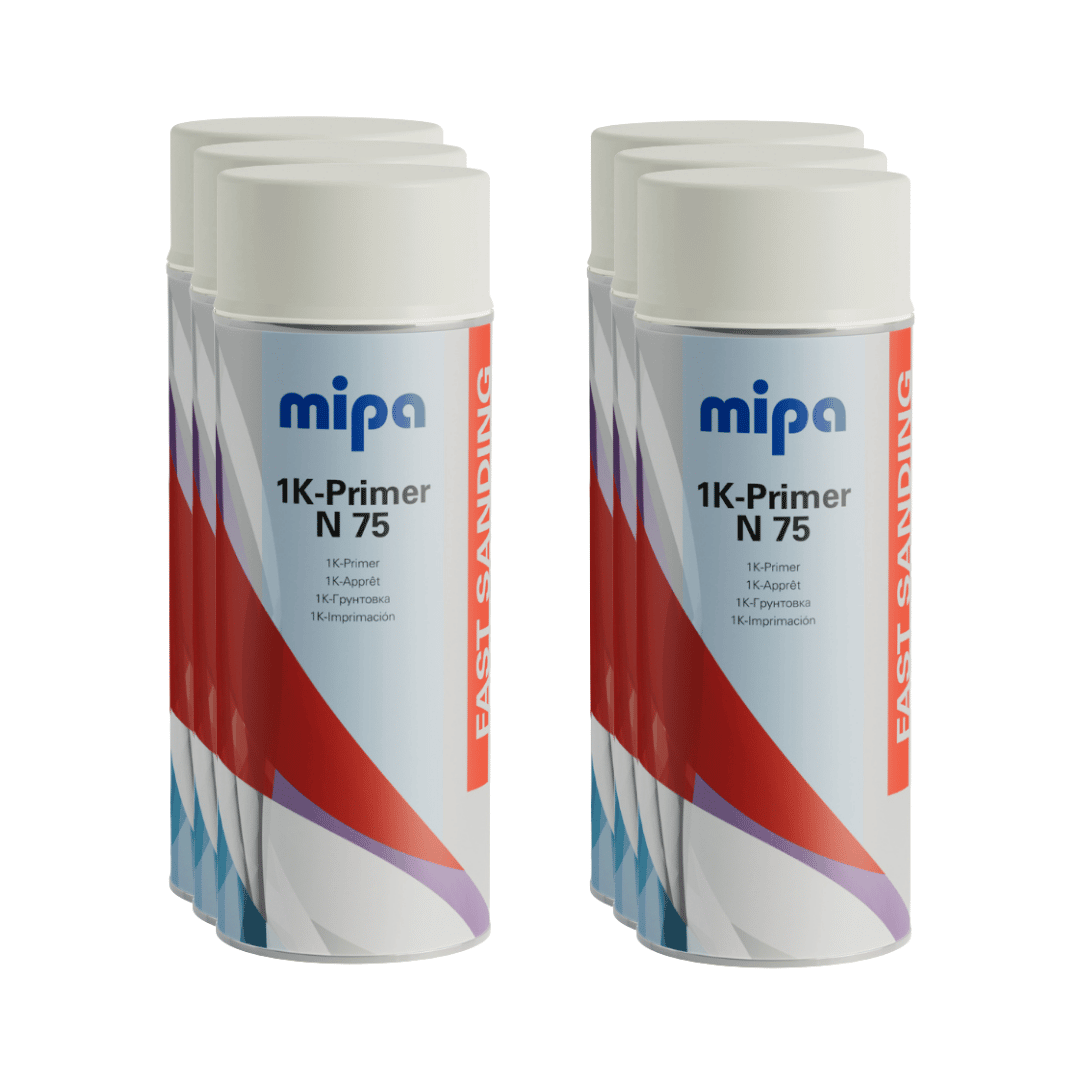
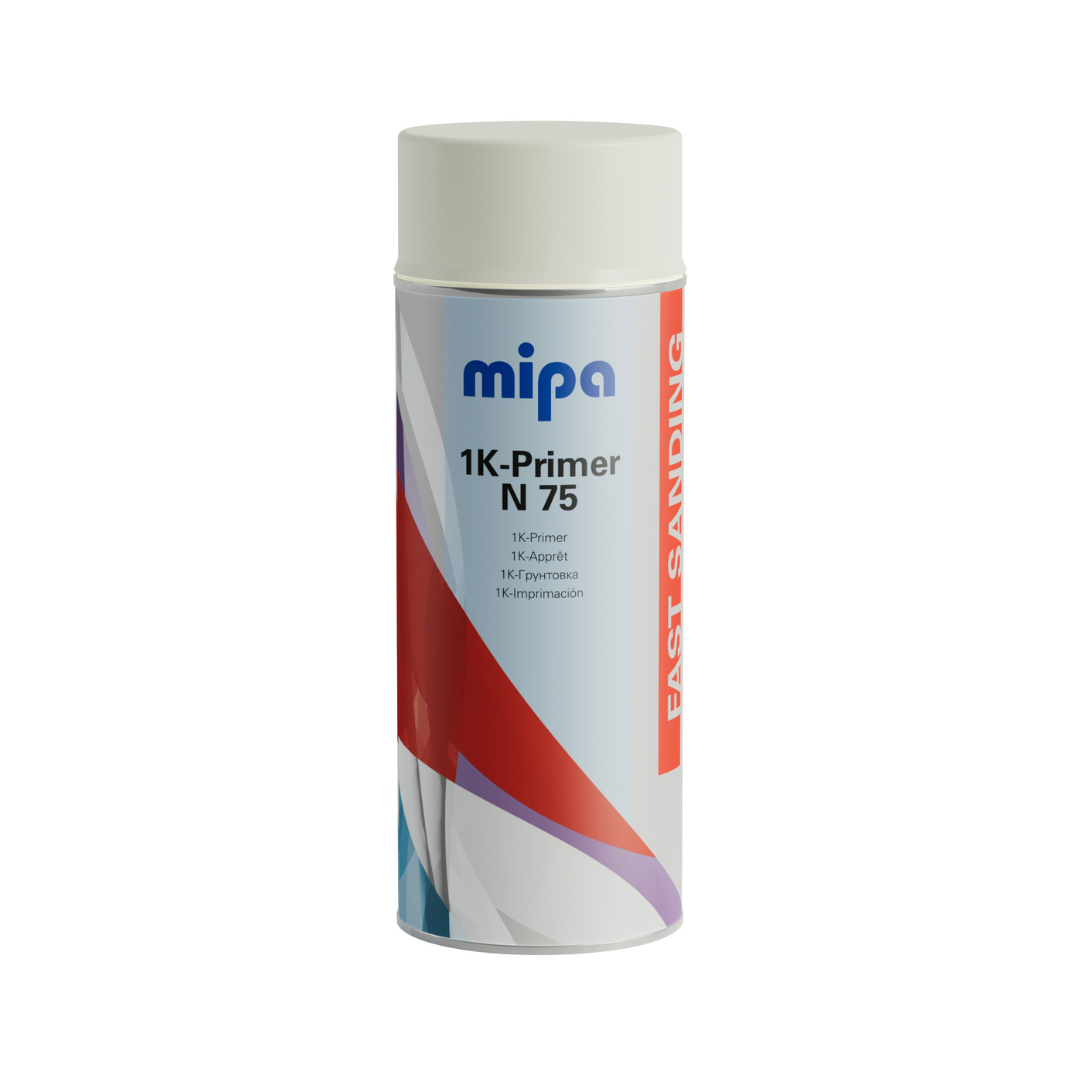
    Mipa 1K Primer Spray N75 (400ml)
    3 Colours Available
    Mipa Winner Primer Filler Spray can next to a circular mirror, showcasing its design and color.
    2 Colours Available

    Plastic Primer Frequently Asked Questions

    Why is a dedicated primer for plastic essential for successful refinishing?

    A dedicated plastic paint primer is chemically engineered to overcome the low surface energy of synthetic materials. Unlike metal or wood, which have a texture that paint can naturally "grip" onto, plastics are often smooth and chemically inert. If you apply paint directly to the surface, it will sit on top rather than bonding, leading to paint lifting or peeling at the first sign of wear. A primer for plastic solves this by acting as a chemical bridge; it modifies the surface energy, allowing the topcoat to anchor itself deeply into the substrate. Whether you are using a primer paint for plastic or a combined paint and primer for plastic system, this base layer is the single most important factor in preventing your finish from failing.

    How does a plastic primer differ from an adhesion promoter?

    While the terms are often used interchangeably, there is a technical difference. A plastic primer is typically a pigmented coating that provides a foundation for the paint, helping to block the colour of the substrate and creating an even base. An adhesion promoter is usually a clear, thin layer designed specifically to alter the surface chemistry of the plastic, allowing paint to stick. Many modern products combine both functions, but it is always worth checking if your chosen product requires a topcoat or acts as a standalone sealer.

    What is the correct preparation process before applying plastic primer?

    Preparation is more critical with plastic than with almost any other material. Because plastic parts are often moulded with release agents, they are frequently contaminated with silicon or oils that are invisible to the naked eye. Before you apply any primer, you must thoroughly clean the part with a high quality degreaser or silicon remover. Failing to remove these surface contaminants is the number one cause of paint failure, as the primer will bond to the grease rather than the plastic itself.

    Recently viewed