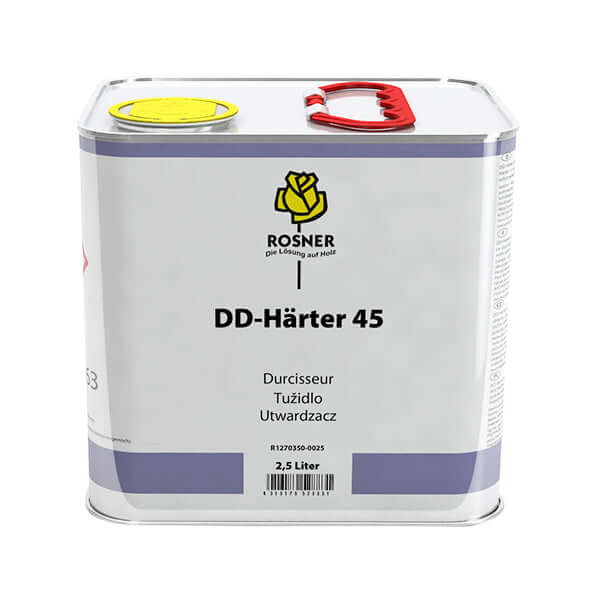
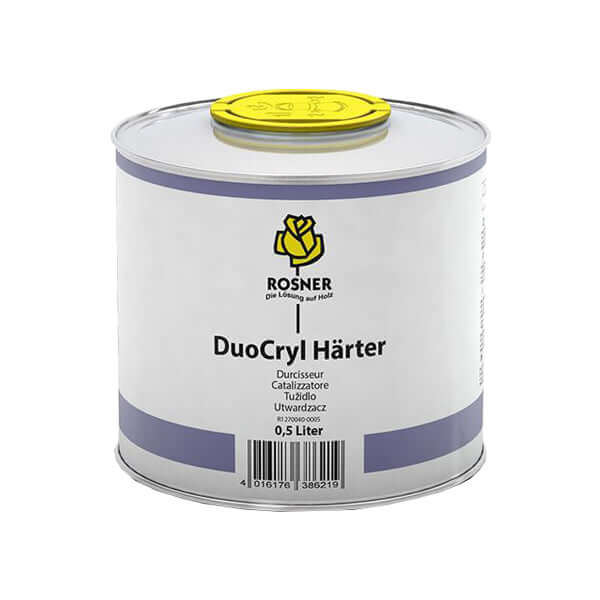
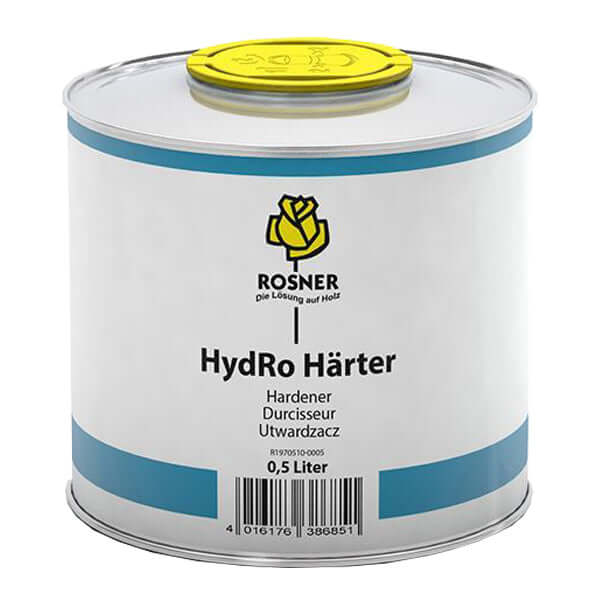
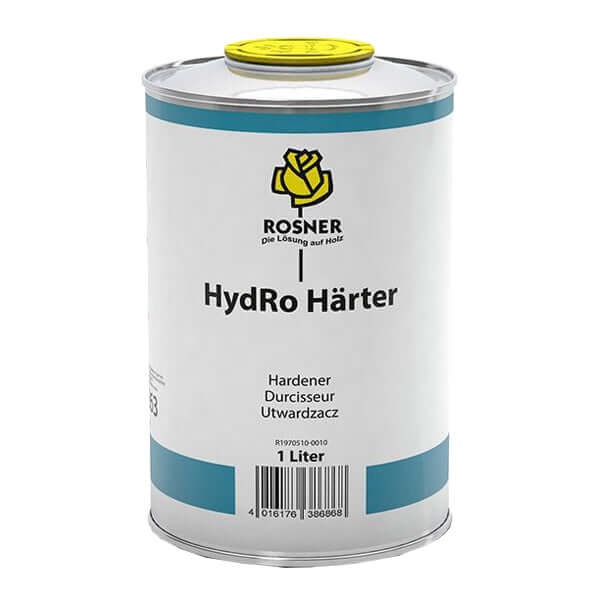
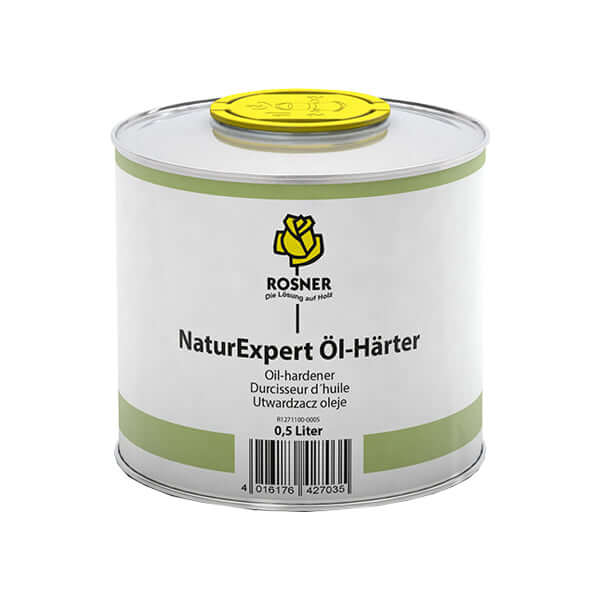
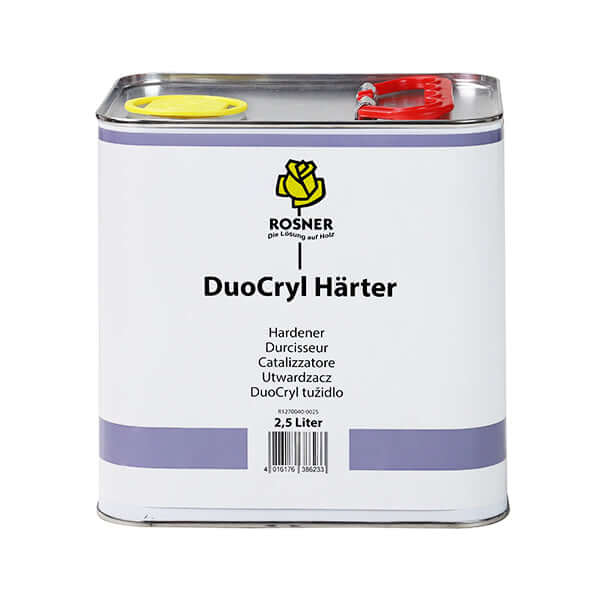
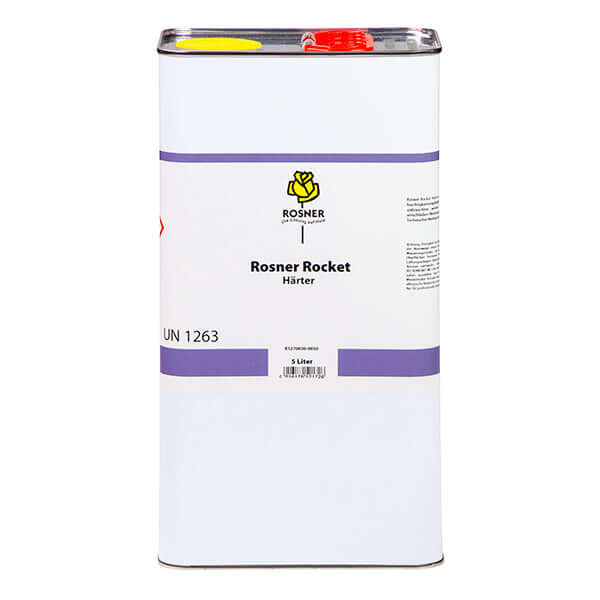
Achieving a truly robust and resilient finish on timber requires a two-component (2K) coating system, and the secret to that system is the wood hardener. At Nebula Paints, we supply professional-grade wood hardeners, the essential catalyst needed to transform a liquid wood lacquer into a glass-smooth, incredibly tough protective film. When you need a hardener wood finish that can withstand scratches, chemicals, and daily wear, a 2K system with its specific hardener is the only choice.
Achieving a truly robust and resilient finish on timber requires a two-component (2K) coating system, and the secret to that system is the wood hardener. At Nebula Paints, we supply professional-grade wood hardeners, the essential catalyst needed to transform a liquid wood lacquer into a glass-smooth, incredibly tough protective film. When you need a hardener wood finish that can withstand scratches, chemicals, and daily wear, a 2K system with its specific hardener is the only choice.
The Professional Key to a Durable Wood Finish
These products are the activator component for high-performance Wood Lacquers and Paints, designed for finishing furniture, joinery, and floors to the highest standard.
The Power of a Two-Component (2K) System
While single-pack Wood Finishes are convenient, a two-component system offers a level of performance that is simply in a different league. The addition of a dedicated wood hardener initiates a chemical reaction within the lacquer, creating a cross-linked molecular structure. This results in a cured surface with vastly superior properties.
-
Unmatched Durability:
A 2K finish is significantly more resistant to scratches, abrasion, and impacts than any single-pack coating, making it the ideal choice for high-traffic surfaces like tabletops, bar tops, and flooring.
-
Superior Chemical Resistance:
The tough, non-porous film is highly resistant to spills from household chemicals, alcohol, and stains, ensuring the finish remains unblemished.
-
A Professional-Grade Finish:
The chemical cure provided by the hardener wood system results in a fuller, deeper gloss and a smoother overall appearance that is the hallmark of professional joinery and furniture making.
Why System Compatibility is Crucial
A hardener wood coating system is a precise chemical equation. Each hardener is specifically formulated to work with a corresponding lacquer or paint. This guarantees a predictable and reliable cure, the correct gloss level, and the maximum durability the product can offer. Using an incompatible hardener can lead to a range of defects, including a soft finish, improper gloss, or complete curing failure.
For a flawless, professional finish on your woodworking projects, always use the dedicated hardener for your chosen coating system.
Explore our full range of wood hardener catalysts and pair them with our premium Wood Coatings for a finish you can trust.