Filler Safety Precautions: Best Practices for a Safe Work Environment
While fillers are an essential part of many repair processes, it's important to remember that they contain chemicals, hardeners, solvents, and dust-producing materials that require proper handling. Following safe working practices helps protect both the technician and the quality of the repair.
Wear Appropriate PPE
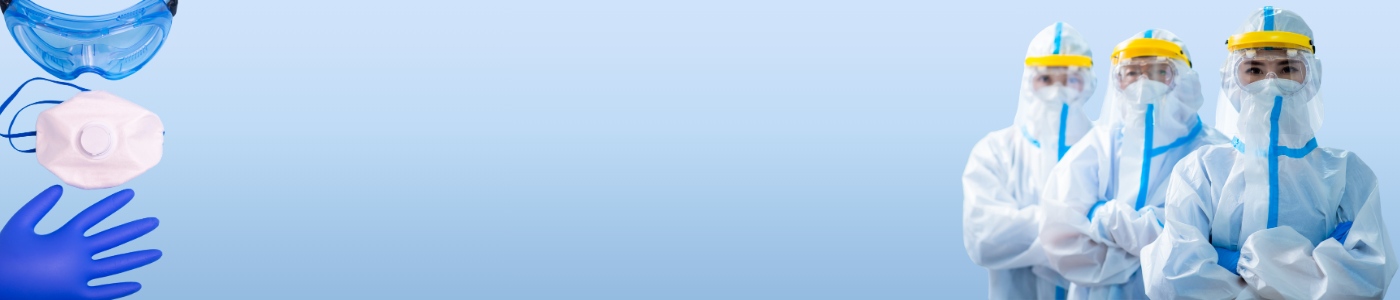
When mixing, applying, and sanding fillers, always wear suitable personal protective equipment (PPE), including:
- Disposable nitrile gloves to prevent skin contact
- Safety glasses or goggles to protect eyes from splashes and dust
- A suitable dust mask or respirator when sanding cured filler
- Protective clothing to minimise skin exposure
Explore Nebula's PPE range: Safety & Personal Protective Equipment
Ensure Good Ventilation
Many fillers and hardeners contain compounds that can release vapours during application and curing. Always work in a well-ventilated area or use extraction systems where available.
This is particularly important when using:
- Polyester fillers
- Spray fillers and aerosol products
- Epoxy-based repair systems
Mix Correctly
Always follow the manufacturer's recommended mixing ratios.
Adding too much hardener can:
- Cause excessive heat build-up
- Lead to poor adhesion
- Increase the risk of cracking or shrinkage
Adding too little hardener can:
- Prevent complete curing
- Leave the repair soft or unstable
- Increase sanding time
Pick up some mixing cups: Pant Mixing Cups
Control Dust During Sanding
Sanding filler generates fine airborne dust that should not be inhaled.
To reduce exposure:
- Use dust extraction systems where possible
- Wear a suitable particulate respirator
- Clean work areas regularly
- Avoid sweeping dust into the air
Protect your eyes and lungs: Painting and Spraying Masks
Be Mindful of UV Filler Safety
UV fillers offer exceptionally fast curing times, but technicians should:
- Avoid looking directly at UV curing lamps
- Follow equipment manufacturer guidance
- Wear suitable eye protection when operating UV curing equipment
Pick up protective handwear: Safety & Painting Gloves
Store Products Properly
To maximise product performance and safety:
- Keep containers tightly sealed
- Store away from direct sunlight and heat sources
- Keep products out of reach of children
- Observe all storage instructions on the product label and technical data sheet
Always Refer to Technical Data Sheets
Different filler technologies have different requirements for application, curing, sanding, and overcoating. Before use, review the relevant Technical Data Sheet (TDS) and Safety Data Sheet (SDS) for the specific product you are using.
Conlusion: Safety First, Quality Second
The best repair starts with safe working practices. Using the correct PPE, working in a ventilated environment, and following manufacturer guidelines helps ensure not only a high-quality finish but also a safer, healthier workplace.