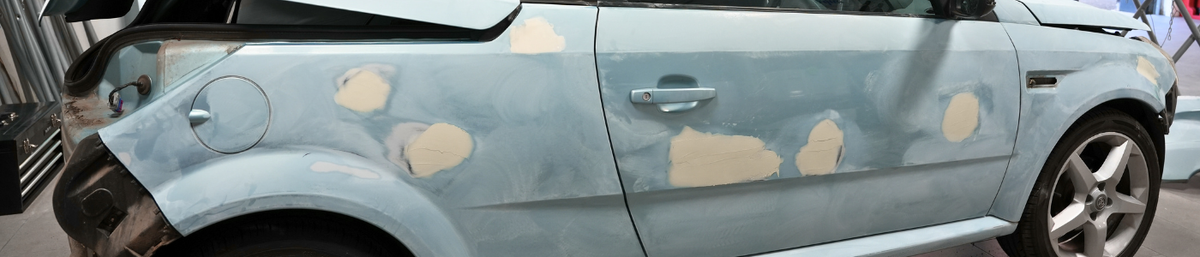
Choosing the Right Filler for Your Project
Whether you're repairing a dented vehicle panel, restoring a boat hull, smoothing a composite surface, or preparing a substrate for paint, choosing the right filler can make the difference between a professional, long-lasting repair and a repair that fails prematurely.
With so many different formulations available, it's important to understand what each filler is designed to do, where it excels, and which substrates it works best with. In this guide, we'll explore the main filler categories available from Nebula Paints and help you identify the best solution for your next project.
Why Choosing the Correct Filler Important?
A filler's primary role is to restore damaged surfaces, fill imperfections, and create a smooth foundation before priming and painting. However, not all fillers offer the same characteristics.
Different filler technologies provide varying levels of:
- Adhesion
- Flexibility
- Water resistance
- Sandability
- Build thickness
- Drying speed
- Structural strength
Selecting the right product ensures better durability, reduced repair time, and a superior finish.
Spray & Aerosol Fillers
![]()
![]()

What Defines a Spray Filler?
Spray fillers are high-build coatings supplied in aerosol cans or for spray gun application. Unlike traditional paste fillers, they are designed to fill:
- Minor scratches
- Sanding marks
- Pinholes
- Surface imperfections
- Fine texture defects
Many spray fillers also incorporate primer technology, allowing the user to fill and prime in a single stage.
When Would You Use a Spray Filler?
Choose a spray filler when:
- Carrying out SMART repairs
- Refinishing panels
- Removing fine sanding scratches
- Spot repairs
- Preparing panels before colour coats
Spray fillers are particularly useful when defects are too small for conventional body filler but too significant for primer alone.
Typical Substrates
Suitable for:
- Steel
- Aluminium
- Existing paintwork
- GRP/Fibreglass
- Plastics (product dependent)
Nebula Recommends
For a fast and convenient aerosol filler designed to build film thickness quickly and eliminate sanding marks or minor defects before topcoating, try: Mipa Spray Filler Plus
For a product that combines filling and priming capabilities, while helping improve productivity during spot and panel repairs, try: Mipa Rapid Filler Primer Spray
For when you need additional adhesion (i.e. metal surfaces) while keeping the filling properties, try: Mipa Etch Filler High Build Spray
For a filler specifically designed for plastic compenents, improving adhesion and flexibility, try: Mipa 1K Plastic Primer Filler Spray
Acrylic Filler

What Defines an Acrylic Filler?
Acrylic fillers are high-build surfacers designed primarily for levelling repaired areas and preparing surfaces for paint.
They offer:
- High solids content
- Excellent sanding performance
- Smooth finish
- Good filling capability
- Fast drying times
Many acrylic fillers can also function as sealers depending on mix ratios and application techniques.
When Would You Use an Acrylic Filler?
Choose acrylic filler when:
- Preparing repaired bodywork
- Building film thickness before paint
- Levelling minor panel imperfections
- Creating a smooth substrate for basecoat application
Typical Substrates
Suitable for:
- Automotive steel panels
- Existing paintwork
- Fibreglass components
- Primed surfaces
Nebula Recommends
For a fast-drying 2K acrylic filler with excellent filling properties and straightforward sanding, that can be used as a primer, high-build filler, or wet-on-wet sealer depending on your application method, try: Airo-Chemie Formel S2000 Acrylic Filler 4:1
For an effective high-build acrylic filler system for car repairs that require speed and productivity, try: RELO 4:1 Acrylfiller Kit (Fast)
Polyester Fillers

What Defines a Polyester Filler?
Polyester fillers are the most widely used body fillers within automotive repair.
They are characterised by:
- Excellent filling capability
- Quick curing
- Easy sanding
- High build thickness
- Cost-effective repairs
Available in multiple grades, polyester fillers range from lightweight finishing fillers to heavy-duty bridging fillers.
When Would You Use a Polyester Filler?
Choose polyester filler when:
- Repairing dents
- Filling deep imperfections
- Restoring body panels
- Creating contours and shapes
- General automotive body repairs
Typical Substrates
Suitable for:
- Bare steel
- Galvanised steel
- Aluminium
- GRP/Fibreglass
- Existing coatings (properly prepared)
Nebula Recommends
For an excellent all-round body filler that is suitable for everyday repair work and finishing applications, try: Relo Super 2K Polyester Body Filler & Finishing Putty
For larger repairs (like filling deeper damage and reinforcing repairs) that require higher strength and briding capabilities are required, try: Monofil Bridging Filler including Hardener
For a sprayable polyester filler that provides exceptional build with rapid defect correction (especially on larger repair areas), try: Mipa P60S Grey Polyester Spray Filler with Hardener
Epoxy Fillers
What Defines an Epoxy Filler?
Epoxy fillers are two-component repair compounds engineered for maximum durability and adhesion.
They offer:
- Exceptional bonding strength
- High moisture resistance
- Minimal shrinkage
- Corrosion resistance
- Structural repair capability
Because epoxy fillers are virtually waterproof once cured, they are often preferred where long-term protection is essential.
When Would You Use an Epoxy Filler?
Choose epoxy filler when:
- Repairing corroded areas
- Marine repairs
- Structural repairs
- GRP and composite repairs
- Areas exposed to moisture
Typical Substrates
Suitable for:
- Steel
- Aluminium
- Fibreglass
- GRP composites
- Marine substrates
- Certain rigid plastics
Nebula Recommends
For a strong, moisture-resistant filler developed for demanding marine and industrial repair applications, try: Airo Nautic Epoxy Filler (Light Grey)
Airo Nautic Ultra Light Epoxy Filler
For a lightweight epoxy solution that offers impressive build with reduced weight, making it particularly useful for marine and composite work, try: Airo Nautic Ultra Light Epoxy Filler
Glass Fibre Fillers
What Defines a Glass Fibre Filler?
Glass fibre fillers combine polyester resin technology with short-strand fibreglass reinforcement.
This provides:
- Exceptional strength
- Bridging capability
- Structural reinforcement
- Improved impact resistance
They are often used as the first stage of larger repairs before applying a finishing filler over the top.
When Would You Use a Glass Fibre Filler?
Choose glass fibre filler when:
- Repairing rust damage
- Rebuilding damaged sections
- Repairing boat hulls
- Fixing fibreglass parts
- Filling large holes
Typical Substrates
Suitable for:
- Steel
- Fibreglass
- GRP
- Composite materials
Featured Products
Airo-Chemie Glass Fibre Polyester Filler (Faserplast)
For a reinforced filler that contains fibreglass strands that will deliver excellent strength and durability for larger repairs and damaged substrates, try: Airo-Chemie Glass Fibre Polyester Filler (Faserplast)
For a product you will use frequently for increased strength and gap-filler before finishing work, try: Monofil Bridging Filler
Marine Fillers

What Defines a Marine Filler?
Marine fillers are specifically engineered to withstand:
- Saltwater exposure
- High humidity
- UV exposure
- Temperature fluctuations
These fillers generally utilise epoxy technology due to its excellent waterproofing and adhesion characteristics.
When Would You Use a Marine Filler?
Choose marine filler when:
- Repairing boat hulls
- Maintaining yachts
- Working on GRP vessels
- Filling damage below or above the waterline
- Restoring marine equipment
Typical Substrates
Suitable for:
- GRP
- Fibreglass
- Marine composites
- Aluminium boats
- Steel vessels
Nebula Recommends
For marine repairs that require strength, adhesion, and water resistance, try: Airo Nautic Epoxy Filler (Light Grey)
For a fwhen reduced weight and easy sanding are your priority without compromising marine durability, try: Airo Nautic Ultra Light Epoxy FillerUV Fillers

What Defines a UV Filler?
UV fillers cure using ultraviolet light rather than traditional chemical hardeners.
Their key benefits include:
- Extremely fast curing
- Minimal waiting times
- Reduced process times
- Excellent finishing characteristics
- Increased workshop productivity
When Would You Use a UV Filler?
Choose UV filler when:
- Carrying out rapid cosmetic repairs
- SMART repairs
- Small area damage correction
- High-throughput bodyshop work
Typical Substrates
Suitable for:
- Steel panels
- Aluminium panels
- Existing painted surfaces
- Certain composite substrates
Nebula Recommends
For a UV repair solution that dramatically reduces repair cycle times, try: Mipa 1K UV Filler (Spachtel)
For a UV repair solution that reduces repair cycle times and is in an easy aerosol application, try: Mipa 1K UV Filler Spray
Conclusion
No single filler is right for every repair. Polyester fillers remain the go-to choice for everyday automotive work, while glass fibre fillers add strength, epoxy fillers provide maximum durability and moisture resistance, marine fillers protect against harsh environments, and UV fillers help accelerate repair times.
By matching the filler to the substrate and repair type, you'll achieve a stronger repair, smoother finish, and a better final paint result. For professional-grade filler solutions across automotive, marine, industrial and decorative applications, Nebula Paints offers a comprehensive range to suit virtually every repair scenario.
FAQ
-
Can filler be applied directly to bare metal?
Many polyester, epoxy and glass fibre fillers can be applied directly to properly prepared bare metal. Always follow the manufacturer's technical data sheet for the specific product being used.
-
Which filler is best for fibreglass?
For structural repairs, glass fibre fillers and epoxy fillers provide the best adhesion and durability on fibreglass substrates.
-
What filler should I use on aluminium?
Epoxy fillers generally provide the best adhesion and corrosion resistance on aluminium, though many polyester fillers are also suitable when correctly prepared.
-
Can I use body filler on plastic bumpers?
Standard body fillers can be too rigid for flexible plastics. Dedicated plastic fillers or plastic primer fillers are usually the better solution.
-
What is the difference between polyester and epoxy filler?
Polyester filler is easier to sand, cures quickly and is commonly used for general body repairs. Epoxy filler offers superior adhesion, moisture resistance and structural strength.
-
Which spray gun is best for sprayable filler?
For sprayable polyester and high-build fillers, many professionals use:
- 1.8mm nozzle setups for high-build primers
- 2.0mm to 2.5mm nozzle setups for thicker spray fillers
- Pressure-fed systems for very high-viscosity materials
Always check the product technical data sheet for the manufacturer's recommended setup.
-
Can filler be applied to galvanised steel?
Yes, but the surface should be thoroughly cleaned and prepared. The filler selected should also be approved for galvanised substrates.
-
Do I need primer over filler?
In most cases, yes. Even when using high-build filler products, a suitable primer system helps improve adhesion, sealing and final finish quality.
-
What safety precautions are necessary with filler products?
At minimum, gloves, eye protection and an appropriate mask/respirator are required. However, each type of filler contains different versions of solvents, chemicals, and atomise differently. Always read product Safety Data Sheets (SDS). For further safety information, read our blog on Filler Safety Precautions here: Filler Safety Precautions and Best Practices for a Safe Work Environment