Textured Paint: Applications and Where To Use Them
How do I Create Texture with Paint?
Creating texture with paint involves applying a coating in a way that leaves a raised, patterned, or structured finish rather than a smooth surface. The final effect can range from a subtle fine-grained texture to a heavy coarse finish. This depends on the product used, application method, coating thickness, and spray settings. By adjusting these factors, you can create a wide range of finishes tailored to specific automotive, commercial, or industrial applications. Textured paints offer a versatile solution that combines visual appeal with long-lasting practical benefits.
Roller Application:
For larger surfaces such as truck beds, trailer floors, storage compartments, and commercial vehicle load areas, using a roller can help create a durable textured finish. Different roller types can be used to achieve varying texture levels, from fine to coarse.
The coating should be applied evenly with overlapping passes until full coverage is achieved. If required, a second coat can be applied after the recommended flash-off time (leave to cure/dry) to enhance both texture and protection. This method is popular for creating a robust finish, products such as the Mipa Protector, offer a tough, textured finish with excellent resistance on surfaces exposed to heavy wear and impact.

Spray Gun Application:
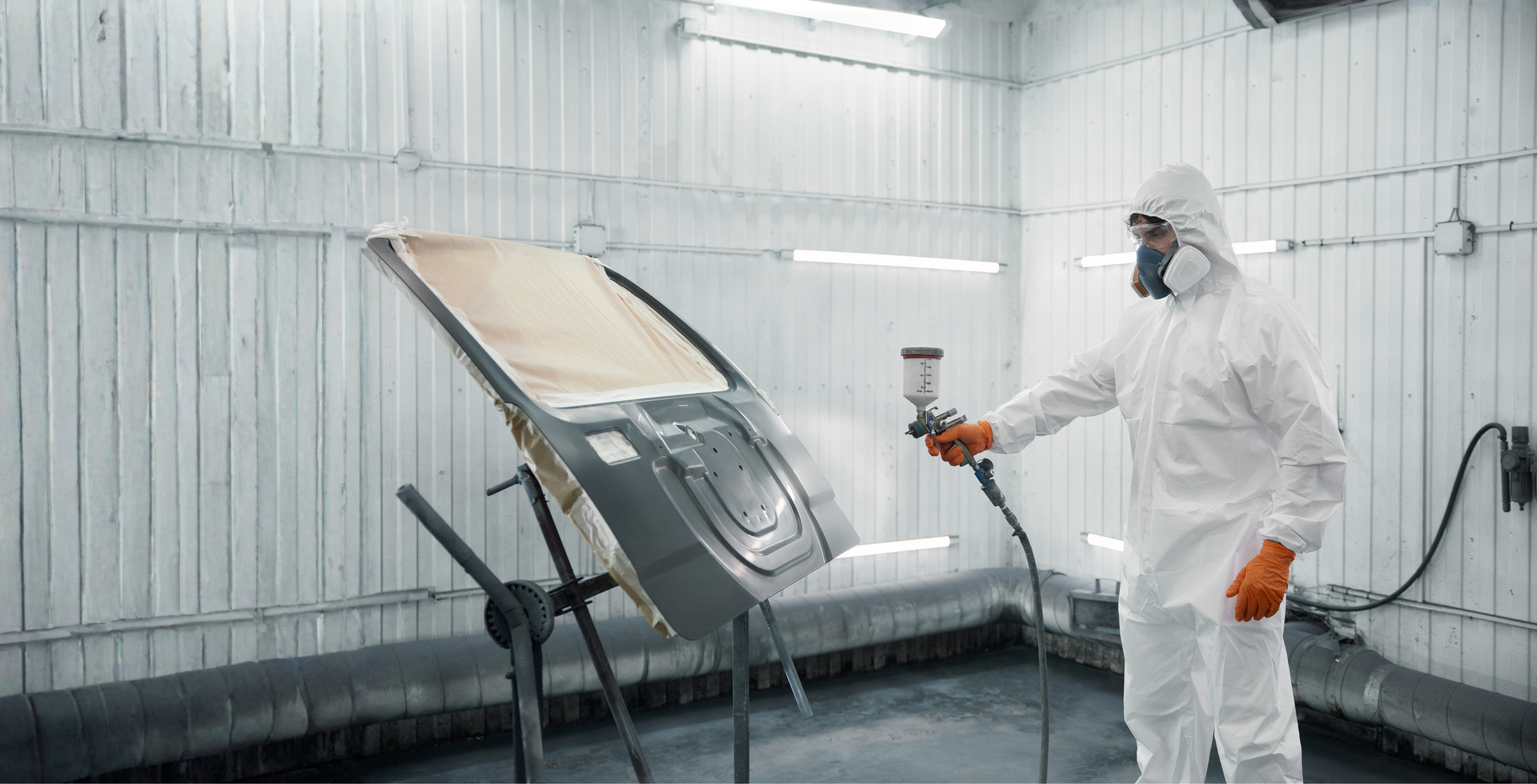
Spray gun application is the perfect tool to achieve textures ranging from a fine grain structure to a coarse pearl effect. The finish achieved does depend on factors such as film thickness, spray equipment, and application technique. You can also change the appearance of the texture through air pressure and the thinner ratios. Please check the product data sheet beforehand for more detail on application methods.
Warnex WB 74-2 Textured Lacquer fast-drying formulation supports high application speeds, making it particularly suitable for manufacturing environments and professional finishing applications. Spray application provides excellent control over the final appearance, allowing you to tailor the texture to your specific project requirements.

Aerosol Application:
For automotive repairs and refinishing work, aerosol application offers a convenient solution for restoring textured plastic components, metal and more. After preparing the surface, the aerosol is applied from approximately 20-30 cm away using two to three coats, with a short flash-off period (Drying time) between your applications.
This process helps recreate the original textured appearance found on bumpers and spoilers, while also allowing smooth surfaces to be transformed into textured finishes. Products like Mipa's Bumper Spray are a popular choice for automotive repair as the aerosol format makes it ideal for small repairs, spot refinishing, decorative finishes and texture matching.

How do I Choose the Right Textured Paint for my Project?
Choosing the right textured paint starts with understanding the finish you want to achieve and the environment it will be used in. For example, a fine texture may be ideal for equipment housings or decorative panels, while a coarse finish is often preferred for truck beds, commercial vehicles and heavy-duty industrial surfaces.
Another important factor is surface compatibility. Not all textured coatings are designed for the same surfaces, so it is essential to select a product that works with the material being coated. Common substrates include plastic vehicle components, wood, steel, aluminium and other metal surfaces.
Proper surface preparation and choosing the correct coating system will help ensure strong adhesion, long-lasting performance and a consistent finish. It's also worth considering whether the coating will be used indoors or outdoors, as exterior applications typically require additional resistance to UV exposure, moisture and changing weather conditions.
By considering the finish, substrate, environment and end use, you can select a textured coating that delivers both the appearance and performance to your project demands.

How do I Get the Best Finish with Textured Paint?
Achieving a professional textured finish starts with the correct surface preparation. The surface should be clean, dry and free from dust, grease, oil, and any loose dirt before applying the product. You should take time to prepare the surface correctly as this helps promote adhesion, improves durability and ensures a more consistent texture across the entire surface. Whether you're coating plastic, metal or wood, good preparation is the foundation of a high-quality finish.
Environmental conditions and application technique also play a significant role in the result. Applying the coating within the recommended temperature range helps ensure even drying and texture development, while maintaining the correct film thickness is essential for achieving the desired finish. Applying too little material may reduce texture definition, whereas excessive build can affect appearance and curing performance.
Once applied, allow sufficient curing time before handling or placing the coated surface into service, ensuring the paint reaches its full durability and protective properties. Always read the technical data sheets before applying the product.
Why Are Textured Paints Ideal for Protection?
Scratch Resistance
Textured coatings create a durable protective layer that helps minimise new scratches, making them ideal for surfaces that experience frequent use and contact.
Stone Chip Protection
Commonly used on vehicles and equipment, textured coatings help absorb impacts from stones, gravel and road debris, reducing surface damage and paint chipping.
Increased Durability
For demanding environments, textured coatings provide a more robust finish than conventional paint, helping surfaces withstand everyday wear and tear.
Harsh Operating Environments
Whether exposed to moisture, dirt, UV rays, or changing weather conditions, a range of textured coatings offer reliable protection in challenging environments. For example, the Mipa Protector, which also protects from chemical exposure.
Long-Term Maintenance Savings
By protecting surfaces from damage, textured coatings can help reduce the repair costs of repainting over time.
Extended Surface Longevity
The added protective barrier helps preserve the condition of the substrate beneath, extending the service life of vehicles, machinery and equipment.
Ideal for High-Traffic Areas
Textured coatings perform particularly well in areas that experience regular footfall, handling or loading activity, helping maintain appearance and functionality.
Need Some Project Inspo?
View our textured paints collection!


FAQs –
Can textured coatings improve durability?
Yes, many industrial and automotive textured coatings are designed to resist scratches, abrasion, impacts and daily wear, making them suitable for demanding environments.
Do textured coatings help hide surface imperfections?
Yes, one key feature of textured paint is the ability to disguise minor scratches, sanding marks, repairs, and surface irregularities that might otherwise be visible under a smooth paint finish.
What is the difference between a textured coating and standard paint?
Standard paint is designed to create a smooth finish, whereas textured coatings create a patterned or structured surface. Textured coatings are often chosen when additional durability, protection, or visual impact is required.