
Epoxy Repair Filler
Some repairs require more than a simple cosmetic fix. When you're dealing with rot, major damage, or high-stress areas, you need a solution that provides absolute structural integrity, standard Fillers are sometimes not enough. This is where a high-performance epoxy filler becomes the only professional choice. At Nebula Paints, we supply premium two-part epoxy systems designed to deliver unparalleled strength and a permanent, indestructible repair.
Some repairs require more than a simple cosmetic fix. When you're dealing with rot, major damage, or high-stress areas, you need a solution that provides absolute structural integrity, standard Fillers are sometimes not enough. This is where a high-performance epoxy filler becomes the only professional choice. At Nebula Paints, we supply premium two-part epoxy systems designed to deliver unparalleled strength and a permanent, indestructible repair.
The Unmatched Power of Epoxy Filler
What sets an epoxy filler apart from all other types? The secret lies in its two-component system. By mixing a resin and a hardener, you initiate a chemical reaction that creates a new, incredibly strong and stable material. This isn't just a patch; it's a structural bond that becomes an integral part of the item being repaired.
Unlike air-drying fillers, an epoxy filler cures without shrinking, cracking, or losing volume. It forms a rock-solid, 100% waterproof mass that is impervious to chemicals, solvents, and temperature extremes. This phenomenal resilience makes it the go-to solution for the most demanding applications in marine, automotive, construction, and restoration, bonding tenaciously to almost any substrate, including wood, metal, concrete, stone, and fibreglass.
Key Benefits of Using Epoxy Filler
When a repair absolutely cannot fail, an epoxy filler is the only product to trust. Its properties offer a level of performance that other products simply cannot match.
-
Incredible Structural Strength:
This is more than just a filler. It's strong enough to rebuild and reshape missing sections of wood, metal, or concrete. It can be drilled, tapped, sanded, and machined just like the original material. -
Waterproof & Chemical Resistant:
Once cured, epoxy creates a completely non-porous, waterproof seal, making it the perfect choice for exterior repairs, boat hulls, and areas exposed to moisture or harsh chemicals. -
Zero Shrinkage, Zero Cracking:
The chemical curing process ensures that the filler holds its exact shape and size. It will not shrink back or crack over time, ensuring a stable repair. -
Bonds to Virtually Anything:
An epoxy filler provides a powerful, permanent bond to an exceptionally wide range of materials, creating a seamless and integrated repair. -
Ultimate Durability:
It is designed to withstand extreme stress, impacts, and environmental conditions, ensuring your repair lasts.
Your Solution for the Toughest Repairs
From restoring rotted window sills and rebuilding damaged concrete steps to repairing boat hulls and Automotive Bodywork, epoxy filler provides a level of strength and durability that gives you complete confidence in your work. It is the definitive problem-solver for repairs that seem impossible.
Don't settle for a temporary fix. For a permanent, structural solution, choose a professional-grade epoxy filler from Nebula Paints. Browse our collection today and arm yourself with the ultimate repair product.
Sort by
Filters
Filter By
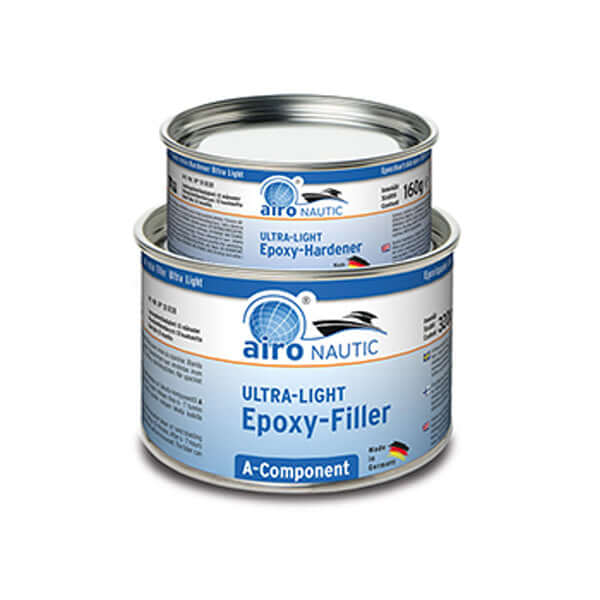
Nautic Ultra Light Epoxy Filler
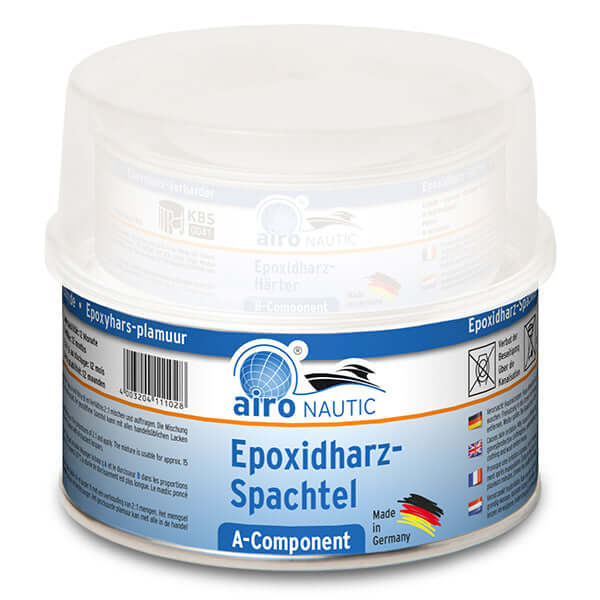
Nautic Epoxy Filler Light Grey + Spatula
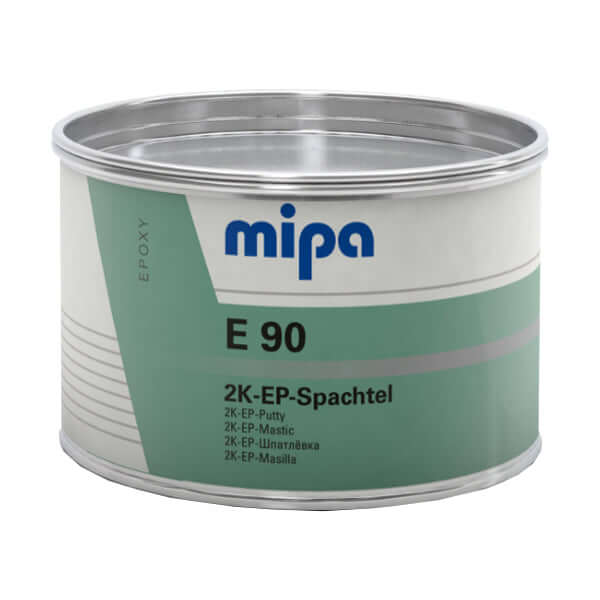
E90 2K Epoxy Putty 1 Kg
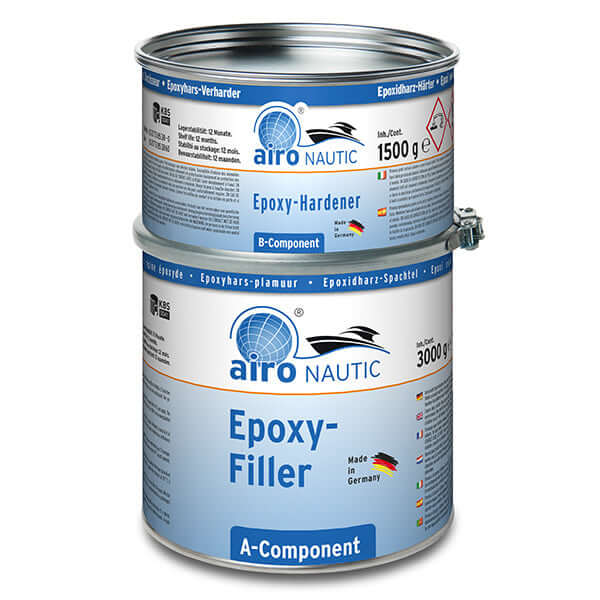
Airo-Chemie Nautic Epoxy Filler 4.5kg - Light Grey
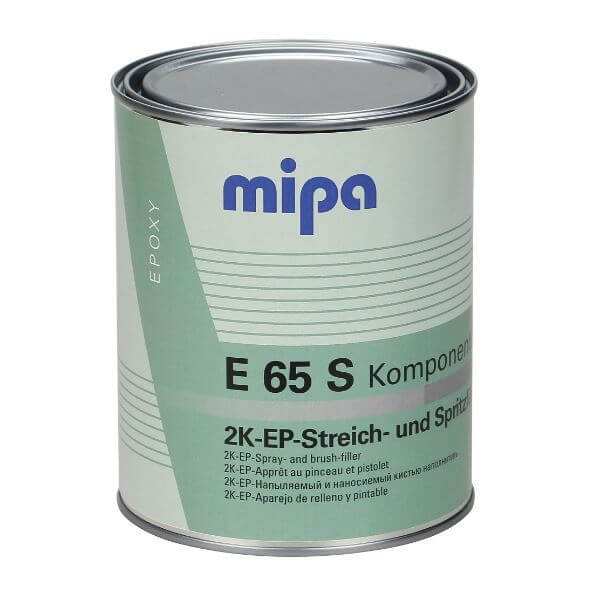
Mipa E65 S 2K Epoxy Spray Filler 1.5Kg
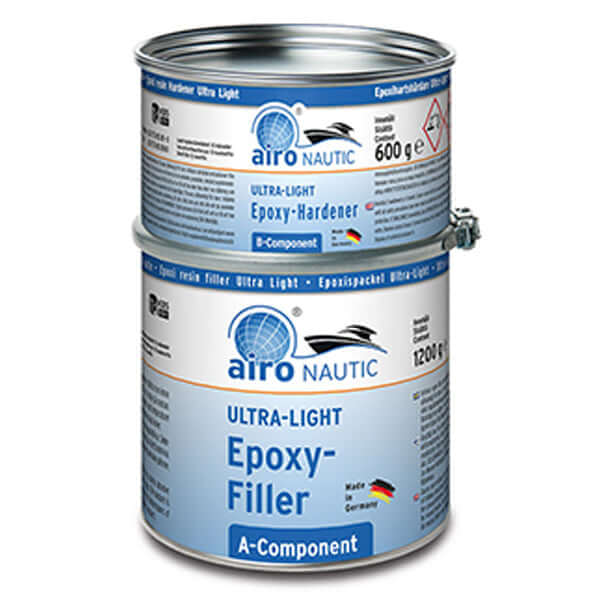
Airo-Chemie Nautic Ultra Light Epoxy Filler Light Grey 1.8kg
Epoxy Repair Filler Frequently Asked Questions
What is epoxy filler?
Epoxy filler is a high-performance, two-part adhesive compound used for structural repairs where incredible strength and durability are required. Unlike standard fillers, it's not just a cosmetic paste; it's a structural adhesive system.
It consists of two separate components:
- Part A: An epoxy resin.
- Part B: A co-reactant hardener.
When these two parts are mixed in their precise ratio, they begin an exothermic chemical reaction that causes them to cure into an exceptionally hard, solid plastic material. This resulting material is waterproof, resistant to chemicals, and has minimal shrinkage. It bonds with phenomenal strength to a wide range of materials, including wood, metal, concrete, and fibreglass, effectively becoming a permanent, structural part of the original substrate.
How do you use epoxy filler?
Using epoxy filler correctly is a straightforward process, but it requires careful attention to the preparation and mixing stages to ensure it achieves its maximum strength.
1. Surface Preparation: The surface must be completely clean, dry, and free of all grease, oil, and loose debris. For best results, sand the repair area with a coarse grit sandpaper (like P80) to create a rough texture, or "key," for the epoxy to grip onto tenaciously.
2. Mixing: This is the most critical step. Using a clean, non-porous mixing board and a putty knife, dispense the resin and hardener according to the exact ratio specified by the manufacturer (often 1:1). Mix the two components thoroughly for 2-3 minutes until you achieve a single, uniform colour with no streaks. Only mix an amount you can use within the product's "pot life" (the working time before it starts to harden).
3. Application: Apply the mixed filler firmly into the repair area, ensuring you press it into all corners and crevices to avoid air pockets. You can shape the filler as needed while it's still pliable. Leave the filler slightly "proud" (raised) of the surrounding surface.
4. Curing & Finishing: Allow the filler to cure for the time specified in the instructions. Once fully hardened, it can be treated just like the original material—it is strong enough to be sanded, drilled, tapped, and painted over.
When should I use epoxy filler instead of a standard filler?
While standard fillers are great for cosmetic fixes, you should choose a high-performance epoxy filler when the repair demands superior strength, waterproofing, or structural integrity.
Use epoxy filler for:
- Structural Wood Repairs: It is the number one choice for repairing rotted wood in window sills, door frames, or boats. After removing the soft, rotted material, epoxy filler will consolidate the wood fibres and rebuild the area with incredible strength.
- Waterproof Applications: Because it cures into a 100% waterproof solid, it is essential for any repairs below the waterline (marine use) or for exterior applications that are constantly exposed to weather.
- High-Stress Areas: Use it to repair concrete steps, anchor bolts into masonry, or fix cracks in fibreglass. Its immense bond strength ensures the repair will not fail under load.
- Rebuilding Missing Parts: Epoxy filler is strong enough to be shaped and sanded to reform missing corners on wood or to fill large holes where a structural fix is needed.
In short, if the repair is more than just a surface-level imperfection, an epoxy filler is the correct professional choice.