Skip to content
  • Cart

    Your cart is empty

    Paint Tools and Equipment

    Sort by

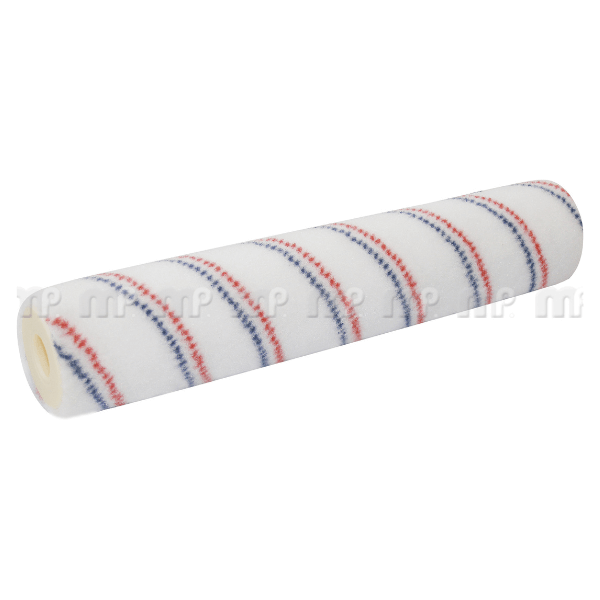
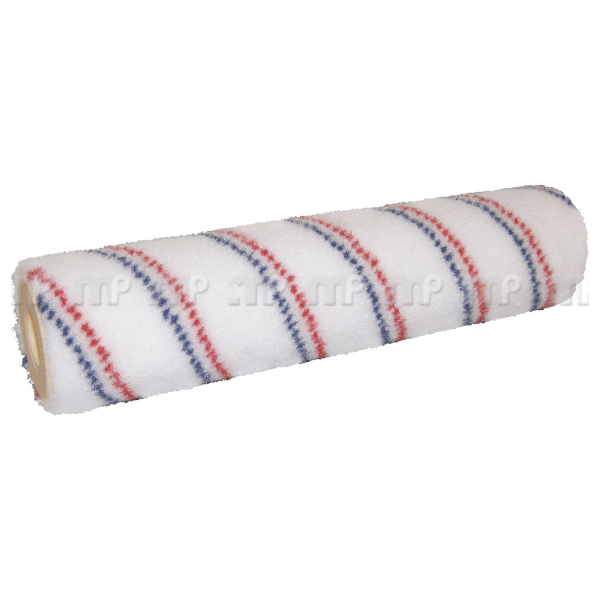
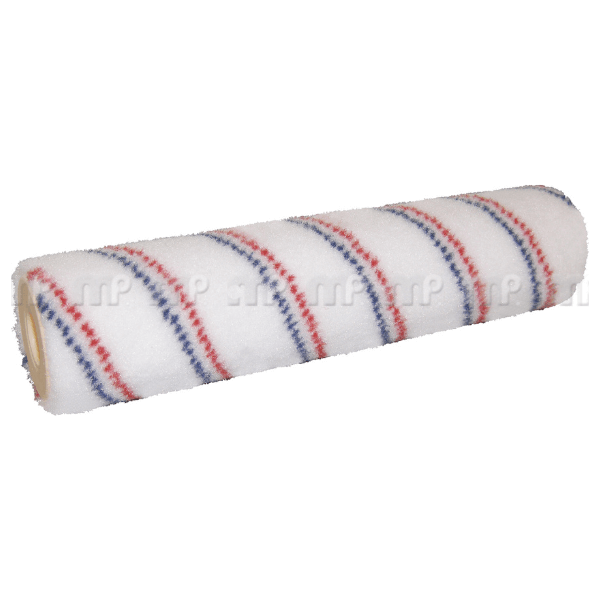
    MP Painting Roller Professional 18cm x 4mm Velour for achieving spray-like finishes on furniture and cabinets.
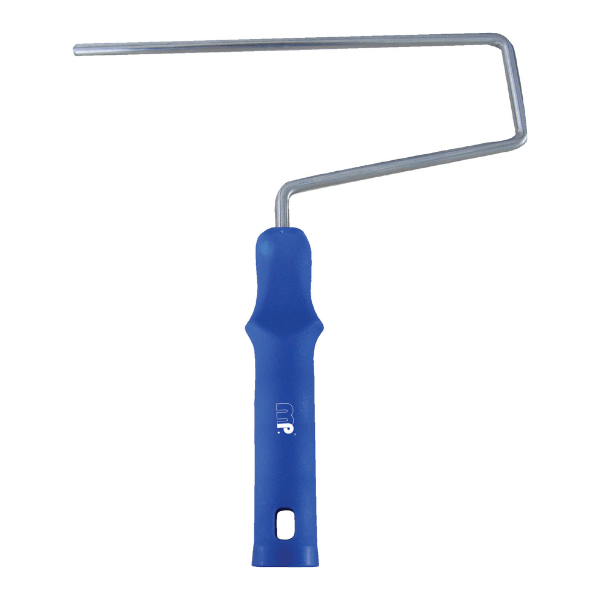
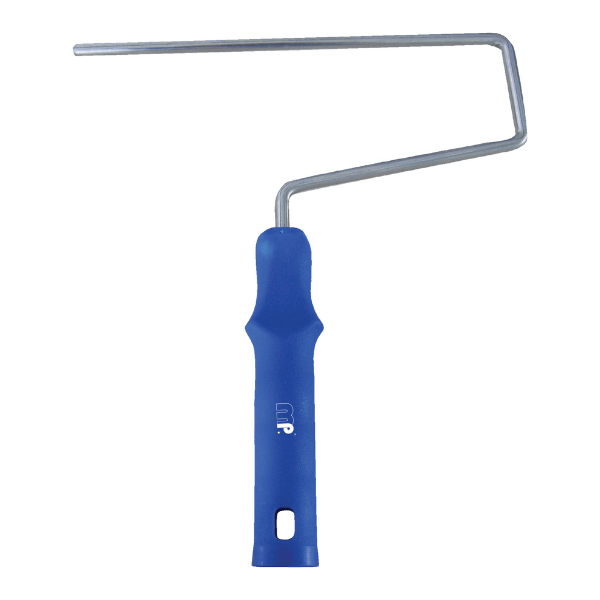
    MP Premium Roller Handle 25cm 27cm Ergonomic Frame for large surface projects with ergonomic grip.
    MP Professional Paint Tray 18cm x 30cm Heavy-Duty with large capacity for efficient paint application.
    MP Professional Paint Tray 23cm x 30cm Heavy-Duty for efficient wall and ceiling painting projects.
    MP Professional Paint Tray 32cm x 34cm Heavy-Duty in blue, ideal for efficient painting and easy coverage.
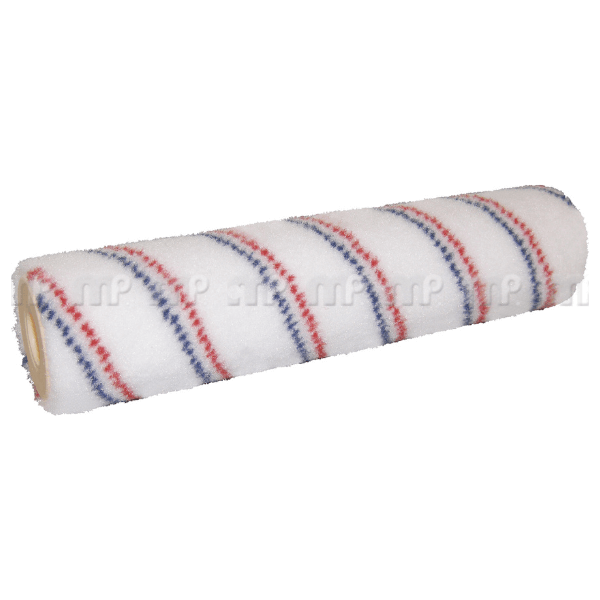
    MP Paint Roller Aurora 18 cm Polyamide Fl 7 mm painting roller with red and blue stripes for smooth finish.
    MP PCS Dispenser for 200ml, 400ml, 650ml and 850ml
    MP Abrasive Fleece Pad Very Fine 152 x 229 mm (red) - Durable non-woven pad for scuffing non-painted surfaces.
    Devilbiss Cleaning Brushes - Kit Of 3
    MP Finish Disc P2000 - Flexible abrasive disk for professional finishing, durable for wet or dry use.
    MP Abrasive Fleece Pad Ultra Fine 152 x 229 mm (Grey) for precision scuffing and surface preparation.
    Anest Iwata Aquadry Set (Stand, Hoses, Plus 2 Dryer Guns) with two dryer guns mounted on a stand.
    Save 16%MP Hand Held Water Based Paint Dryer (Hydro Jet) blue nozzle attachment for paint applications.
    MP Cordless Mini Polisher in durable case, perfect for precision polishing with variable speed and extra battery.
    MP Hexagon Shaped Aluminium Paint Depth Gauge showing precise coating thickness measurement from 0 to 2000 μm.
    MP Tripod Set Including 2 x Drytech Air Blowing Guns on adjustable stand for rapid paint drying.

    Paint Tools and Equipment Frequently Asked Questions

    How do you clean paint tools & equipment?

    Properly cleaning your tools immediately after use is the best way to protect your investment and ensure they perform perfectly for your next project. The cleaning method depends entirely on the type of paint you have used.

    For Water-Based Paints (Emulsion, Acrylics):

    1. Remove Excess Paint: Scrape as much paint as possible from brushes and rollers back into the tin.
    2. Wash Thoroughly: Use warm, soapy water. For brushes, work the bristles against the bottom of a bucket to loosen the paint. For rollers, remove the sleeve and wash it until the water runs clear.
    3. Rinse and Dry: Rinse thoroughly with clean water, shake out the excess, and hang brushes or stand rollers on their end to dry completely. A brush comb can help reshape the bristles.

    For Solvent-Based Paints (Oil-Based, Enamels, 2K):

    1. Safety First: Work in a well-ventilated area and wear solvent-resistant gloves.
    2. Use the Right Thinner: Pour a small amount of the appropriate paint thinner or brush cleaner into a jar or old tin.
    3. Clean the Tool: Work the brush or roller in the thinner until the paint dissolves. You may need to repeat this with a second, cleaner batch of thinner for a perfect result.
    4. Final Wash & Dry: Once clean, you can give the tools a final wash in warm soapy water to remove the solvent residue. Shake out the excess and allow them to dry completely before storing.

    What tools and equipment do you need for painting?

    Having the right tools is essential for any painting project, big or small. A good toolkit not only makes the job easier but also drastically improves the quality of your final finish. Here is a checklist of essential equipment:

    1. Surface Preparation (The most important stage):

    • Dust Sheets & Paint Protection: To protect your floors, furniture, and belongings.
    • Masking Tape: For creating sharp, clean lines and protecting edges, windows, and trim.
    • Sandpaper or Sanding Blocks: Essential for "keying" the surface for adhesion and smoothing imperfections.
    • Degreaser & Cleaning Cloths: To ensure the surface is completely free of dirt and grease.
    • Filler: For repairing any cracks, holes, or dents before you start.

    2. Paint Application:

    • Paint Brushes: A selection of high-quality brushes in various sizes is crucial.
    • Paint Rollers & Trays: For efficiently painting large, flat surfaces like walls and ceilings.
    • Paint Scuttle or Kettle: For decanting paint to make it easier to work with.
    • Spray Gun Equipment: For larger projects or for achieving the ultimate smooth finish (requires a compressor, hoses, etc.).

    3. Safety & Cleaning:

    • Gloves: To protect your hands from paint and cleaning chemicals.
    • Goggles: To protect your eyes from splashes and fumes.
    • Mask / Respirator: Essential when sanding or spray painting to protect your lungs from dust and harmful vapours.
    • Paint Thinners & Cleaners: For cleaning solvent-based paints from your tools.

    How do you remove spray paint from tools?

    Cleaning spray paint from tools, especially spray guns, is vital for maintaining their performance. The method depends on whether the paint is wet or has already hardened.

    For Wet Spray Paint (Immediately after use):

    This is the easiest time to clean. The cleaning agent depends on the paint you used:

    • Water-Based Spray Paint: Flush the equipment with water until it runs clear.
    • Solvent-Based Spray Paint (including 2K and cellulose): You must use a dedicated gun wash or the appropriate thinner for the paint. Run the thinner through the spray gun until all traces of colour are gone. Disassemble the nozzle and air cap and clean them separately.

    For Cured / Hardened Spray Paint:

    This is more difficult and requires stronger solvents and more time.

    1. Disassemble: Take apart the spray gun nozzle, air cap, and needle. For other tools, remove any plastic or rubber parts that could be damaged by the solvent.
    2. Soak the Parts: Submerge the metal components in a powerful gun wash or a paint stripper. Let them soak for several hours or even overnight. This will soften and break down the hardened paint.
    3. Mechanical Cleaning: After soaking, use a spray gun cleaning kit, which includes small brushes, picks, and needles. Gently scrub and pick away the softened paint from all the small orifices and threads. Never use a hard metal tool that could scratch or damage the delicate parts.
    4. Final Flush: Once all the cured paint is removed, reassemble the tool and give it a final flush with clean thinner to remove any last residue.

    Recently viewed