Skip to content
  • Cart


    Paint Tools and Equipment

    Sort by

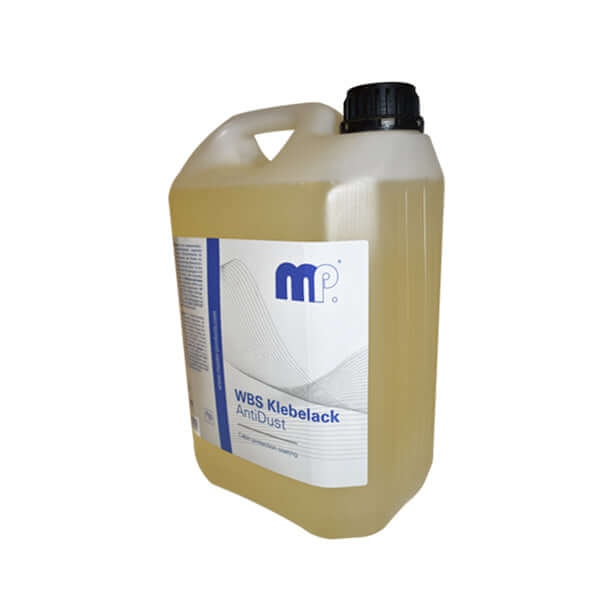
    Save 31%MP WBS Booth Coating Anti-Dust 5 Litre water-based spray booth dust control solution.
    MP

    MP WBS Booth Coating Anti-Dust (5L)

    Sale price£25.83 Regular price£37.30
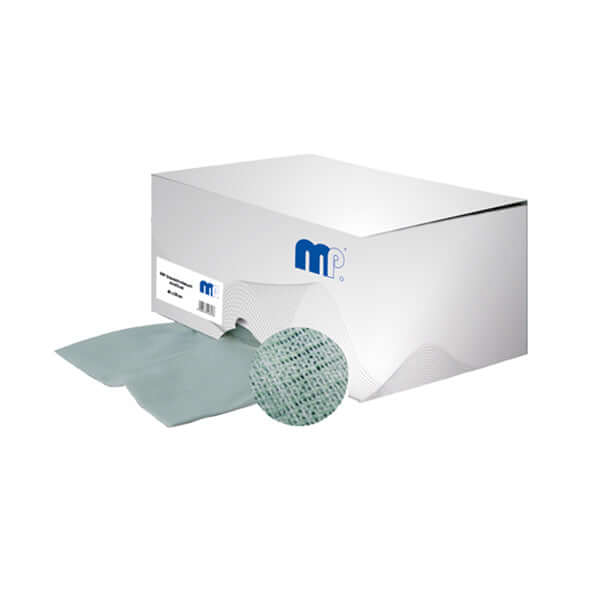
    Save 28%MP Anti-dust Sticky Tack Rag dispenser box with lint-free cloths for painting.
    MP

    MP Anti-dust Sticky Tack Rag (Pack of 50)

    Sale price£22.91 Regular price£31.74
    MP Dusting Cloth Surface packaging with anti-dust tack rag for flawless paint finishes.
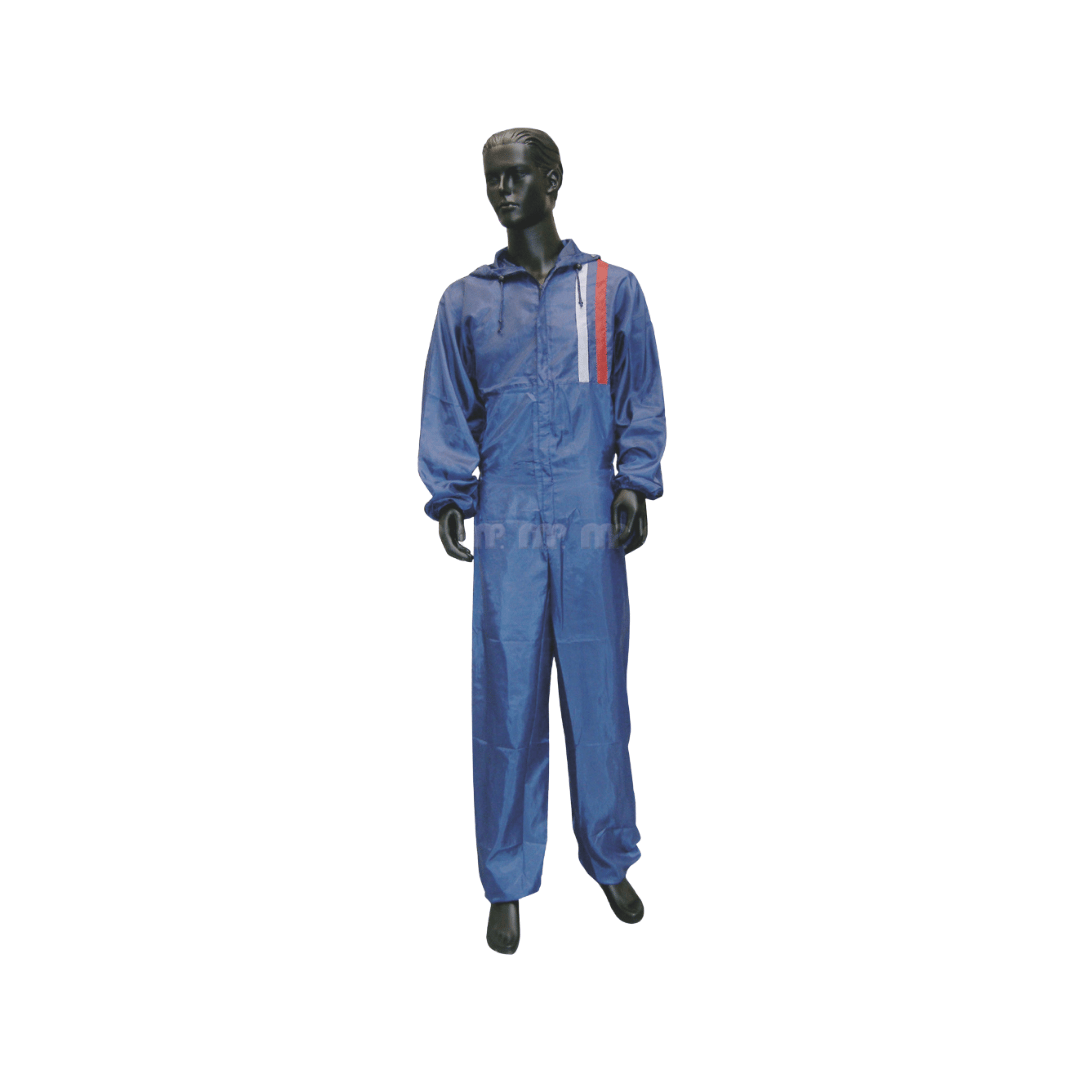
    Superior Nylon Overall XL displayed on a mannequin, offering protection and comfort for professional use.
    2 Sizes Available
    StarChem Lids for Polypropylene Paint Mixing Cup - durable, white lid designed for paint mixing applications.
    4 Sizes Available
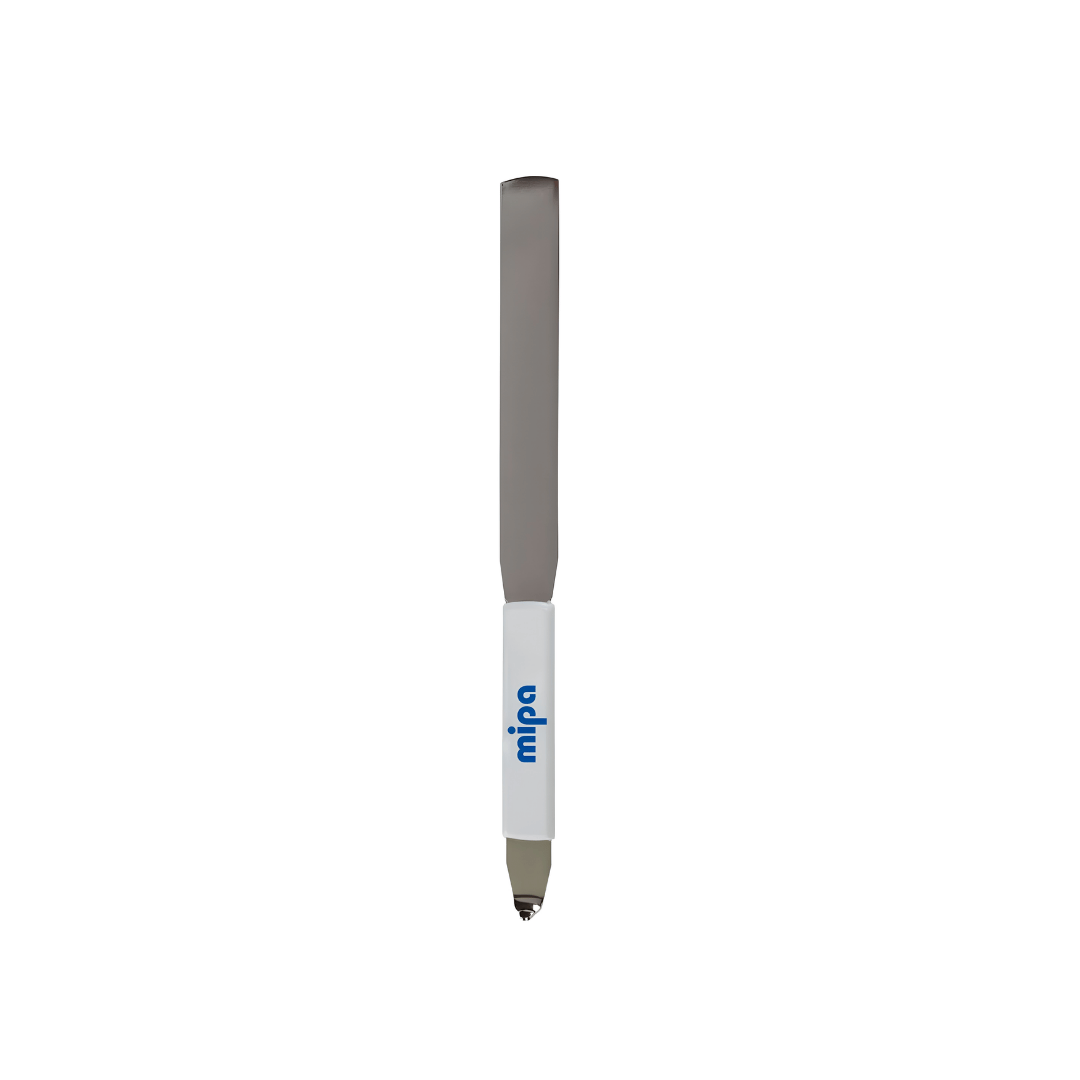
    Mipa Can Opener and Mixing Stick
    MP Paint Coverall Trilobal
    5 Sizes Available
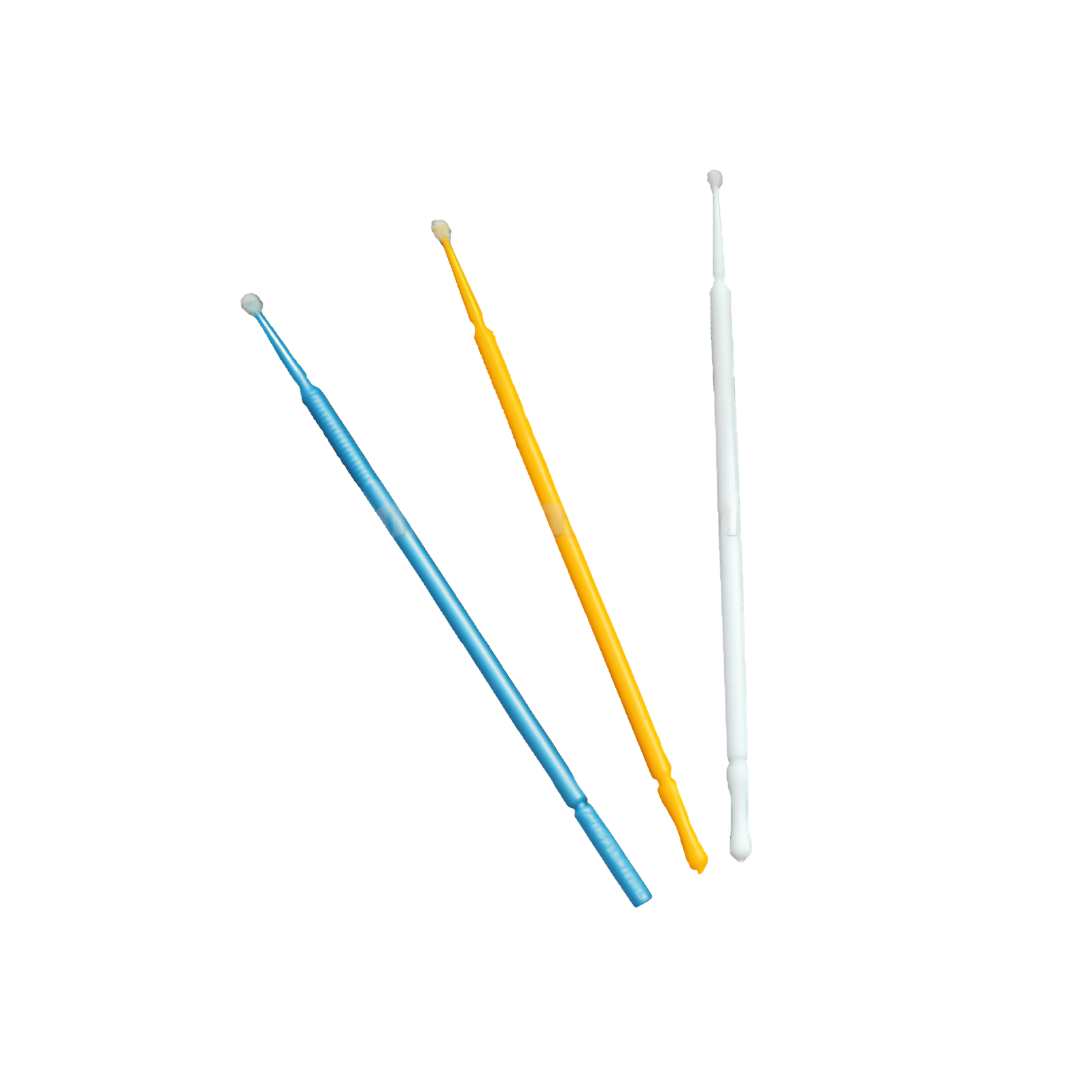
    MP MicroSoft Touch-Up Tips (Pack of 100)
    2 Colours Available
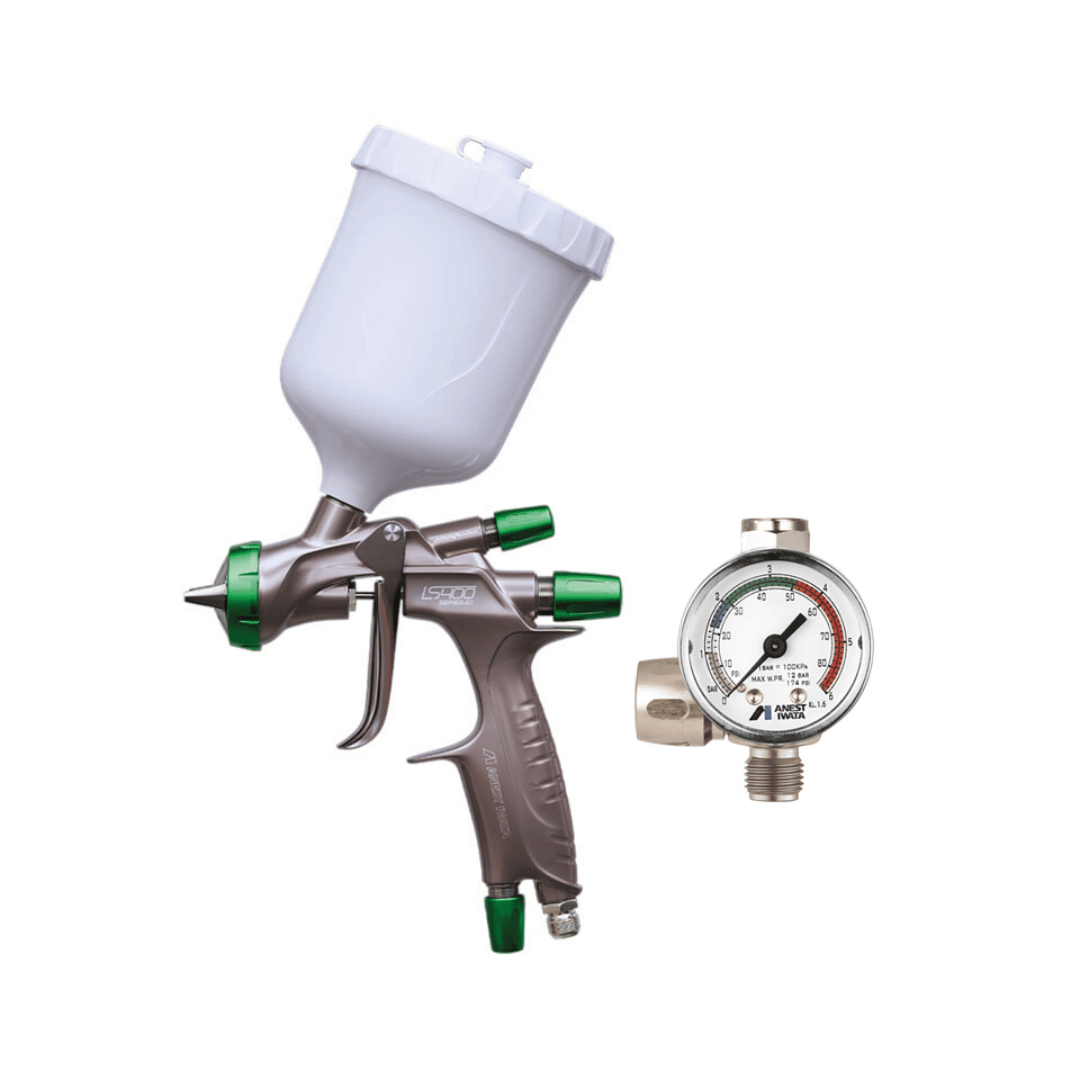
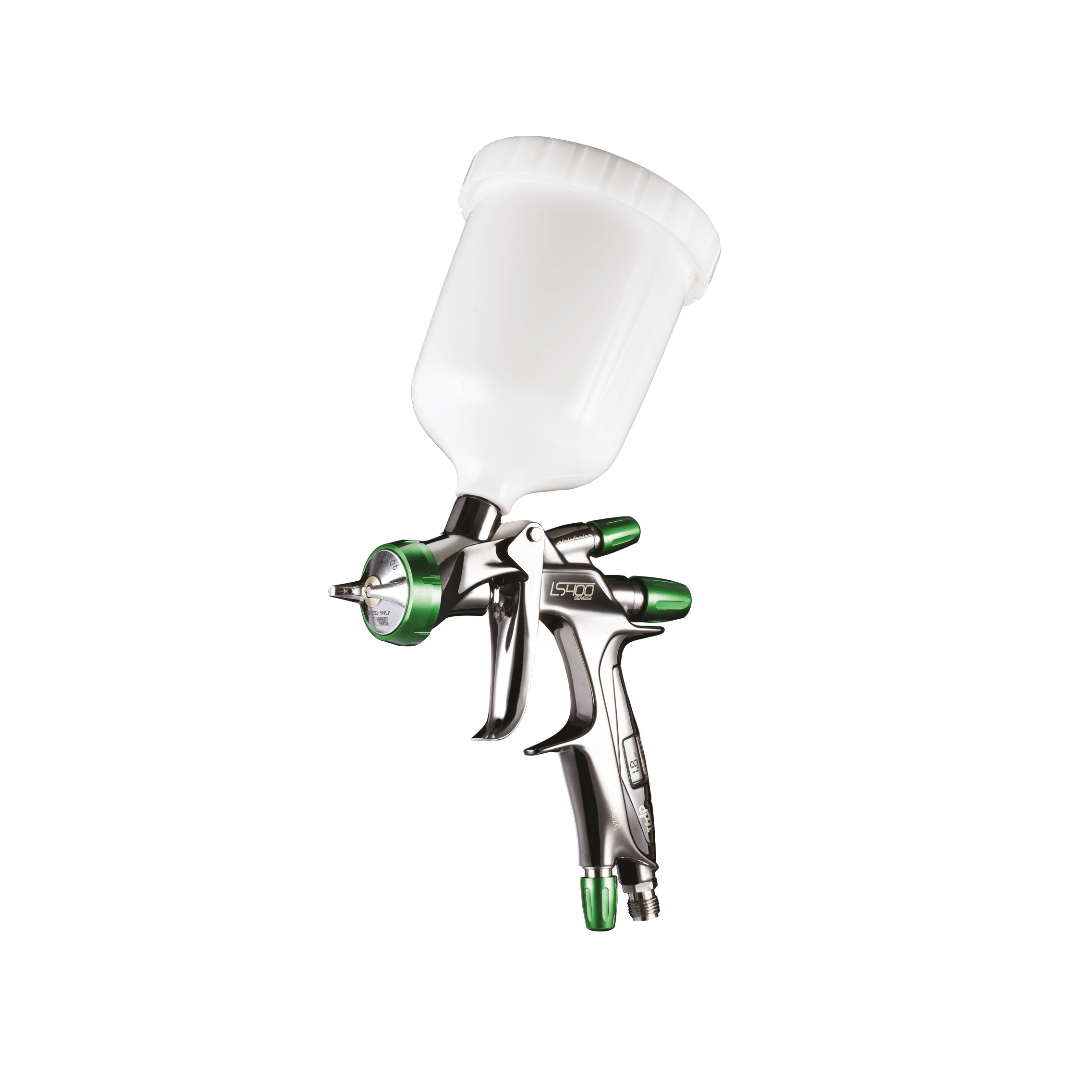
    Anest Iwata LS-400 Series 2.1 Basecoat (HVLP) Spray Gun (Digital/Non Digital) (1.2-1.5mm, ET/ETS Nozzle + 600ml Cup)
    4 Sizes Available
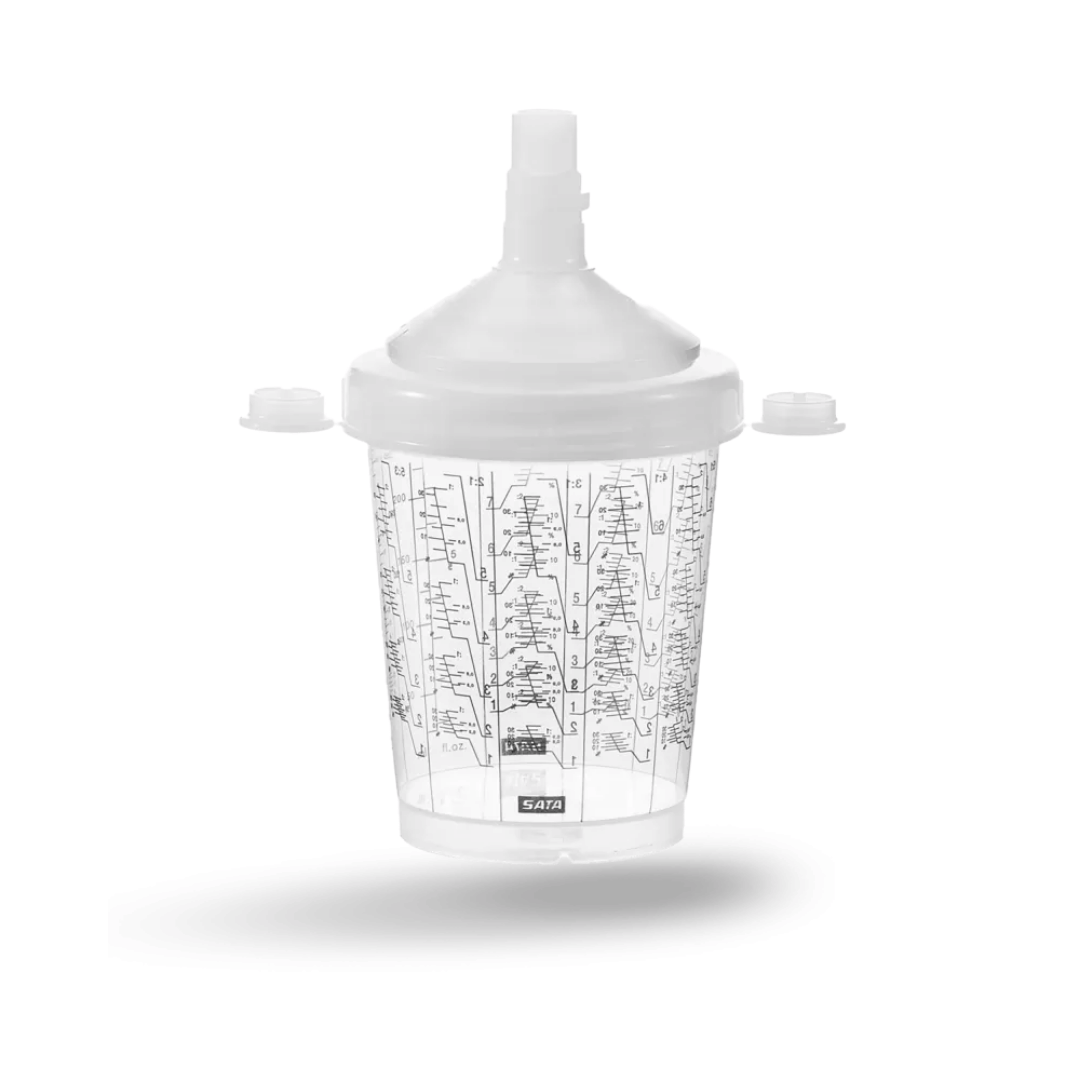
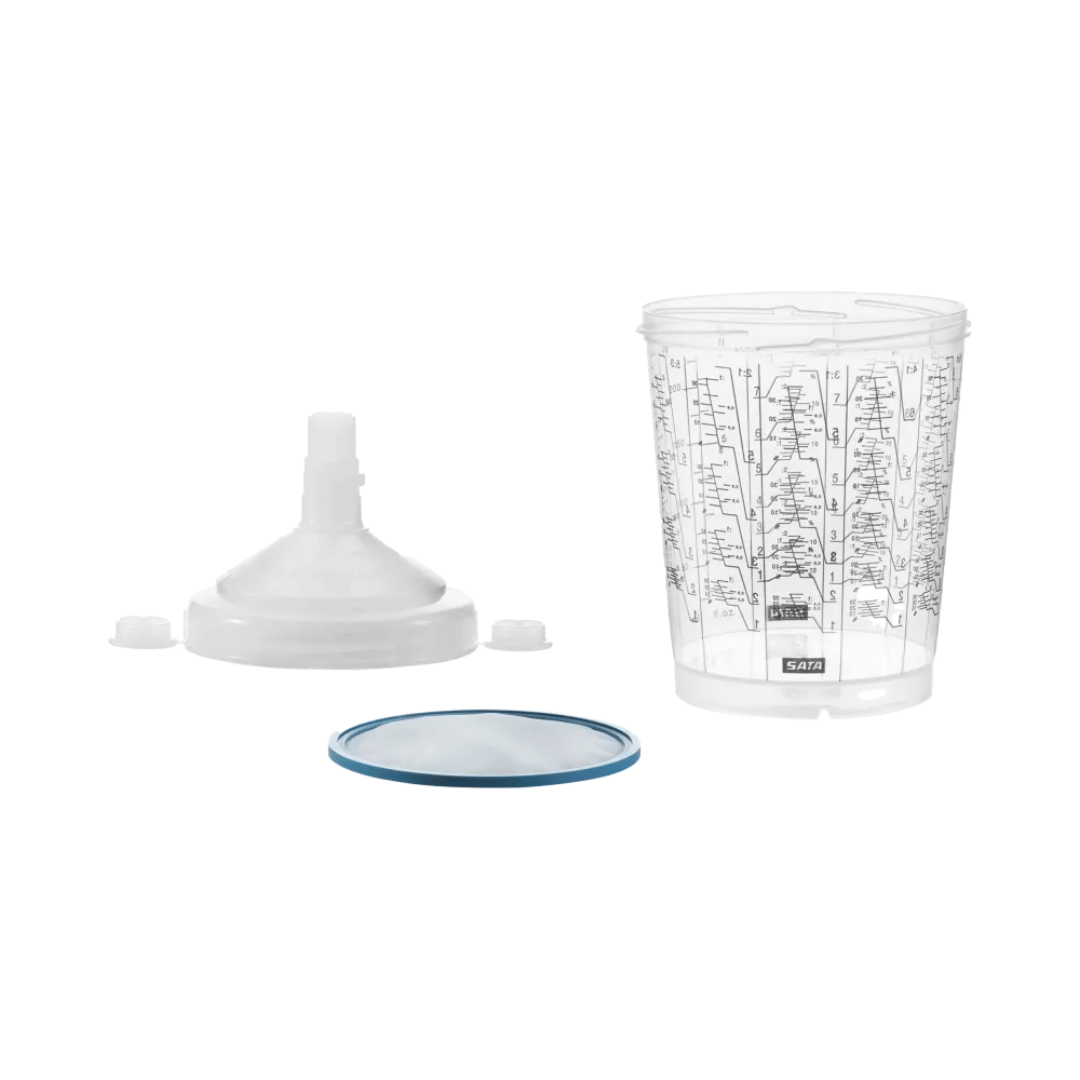
    SATA RPS Multi Purpose Spray Cup System (Pack of 50)
    2 Sizes Available
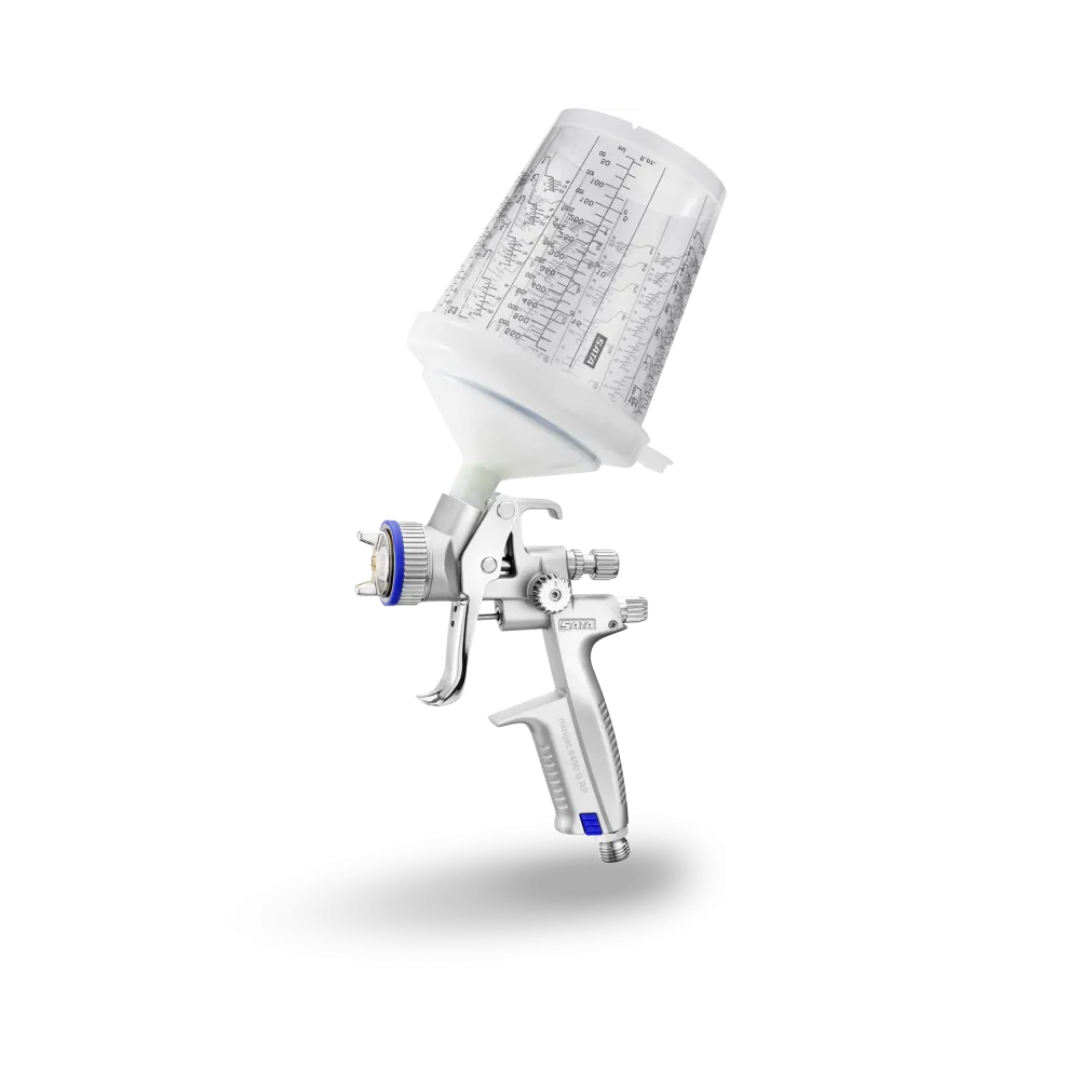
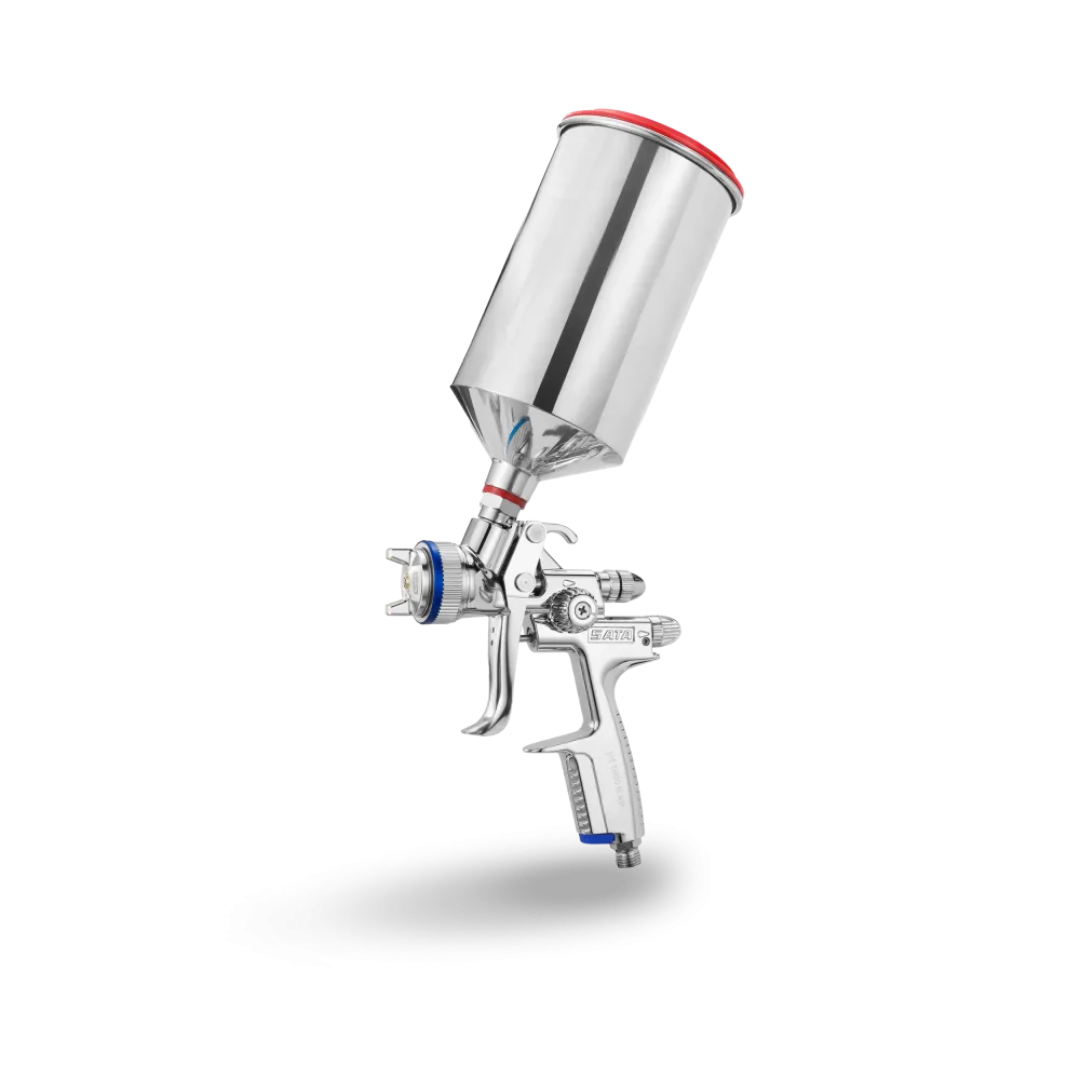
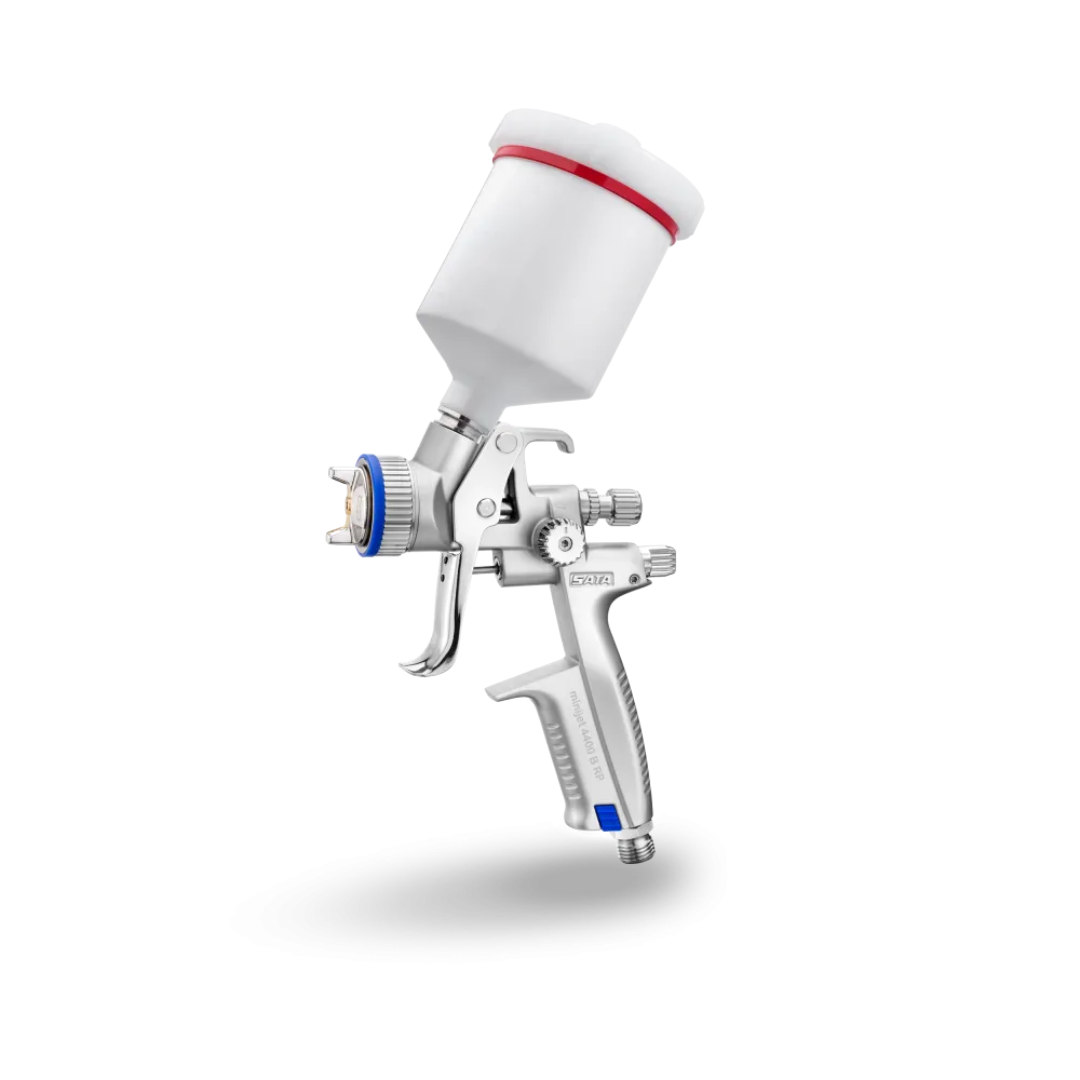
    On saleSpray gun with white cup and silver body on a white background
    5 Sizes Available
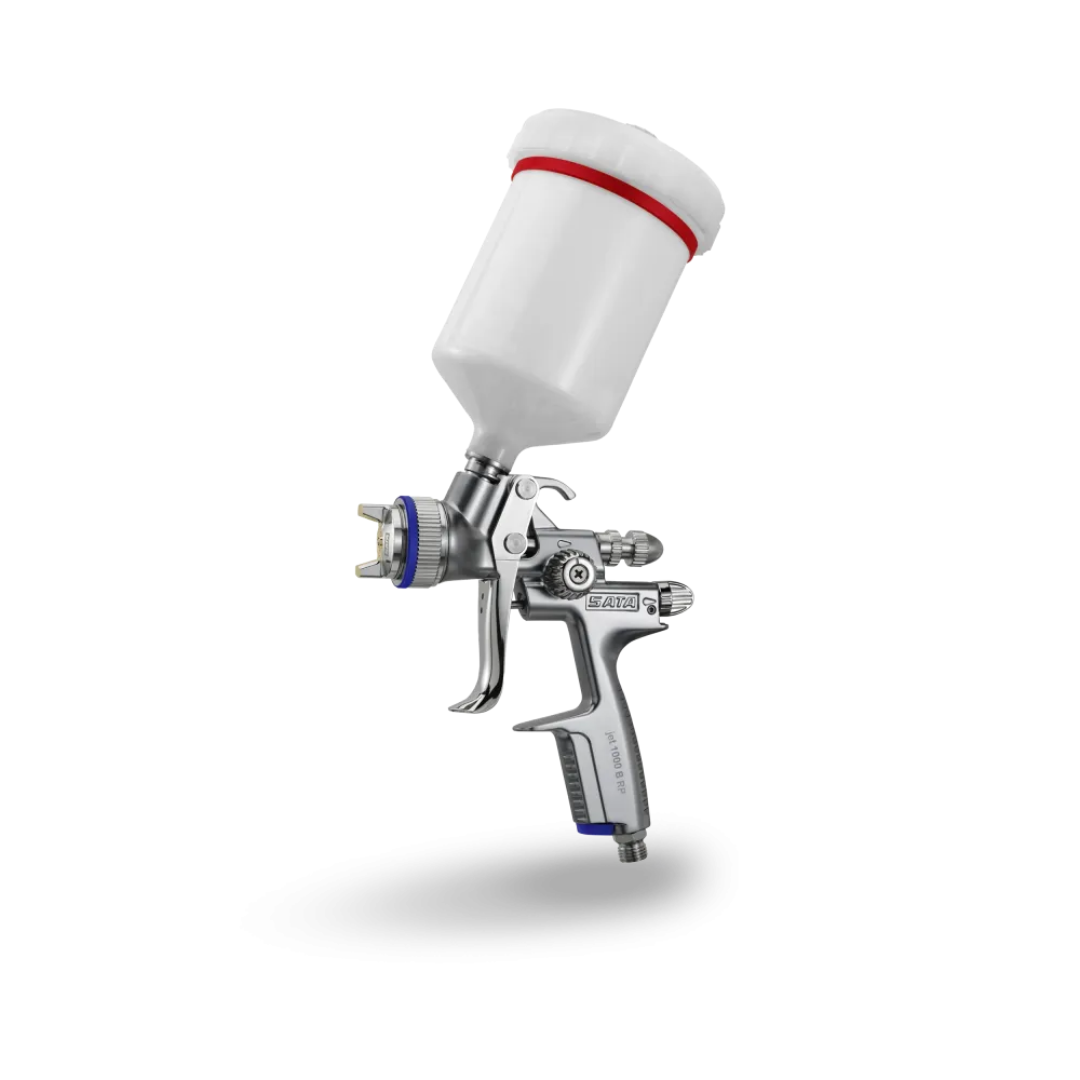
    On saleSATAjet 1000 Spray Gun B RP Nozzle (1.3mm - 2.0mm Nozzle Size + 0.6L - 0.75L Cup)
    3 Sizes Available
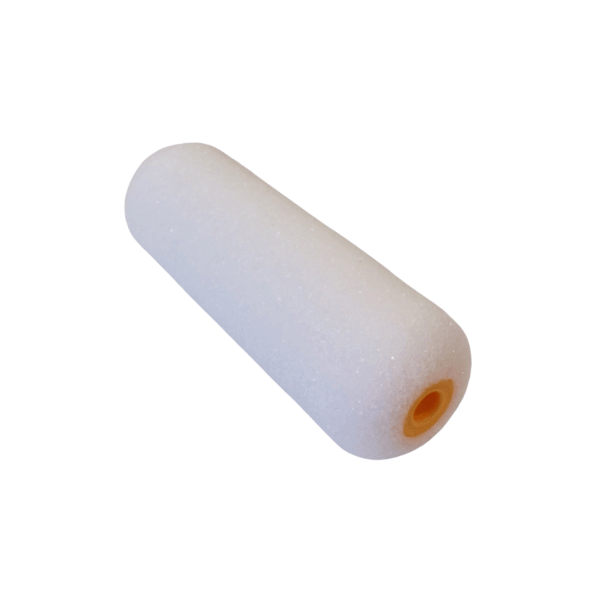
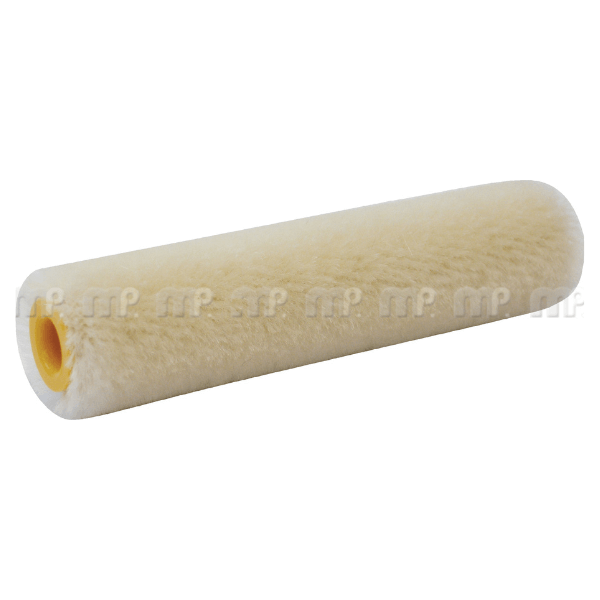
    MP Radiator Roller Professional 10cm x 4mm Mohair roller, perfect for achieving flawless finishes in tight spaces.
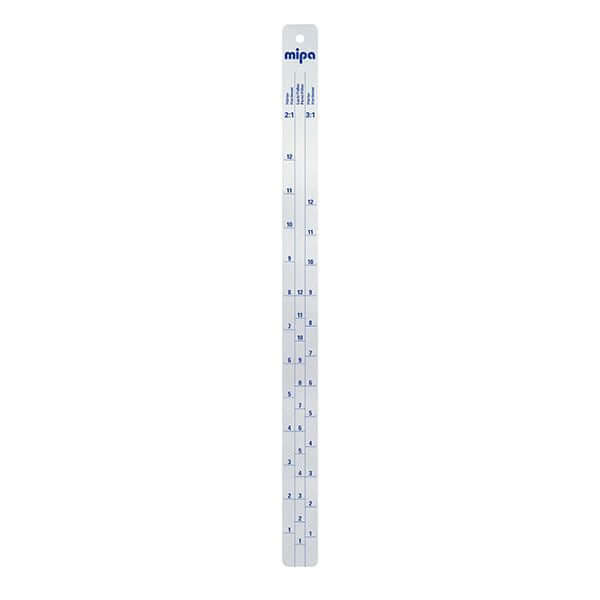
    Industrial Mixing Stick 2:1 3:1 4:1 5:1 Long for precise measurement of mixtures.
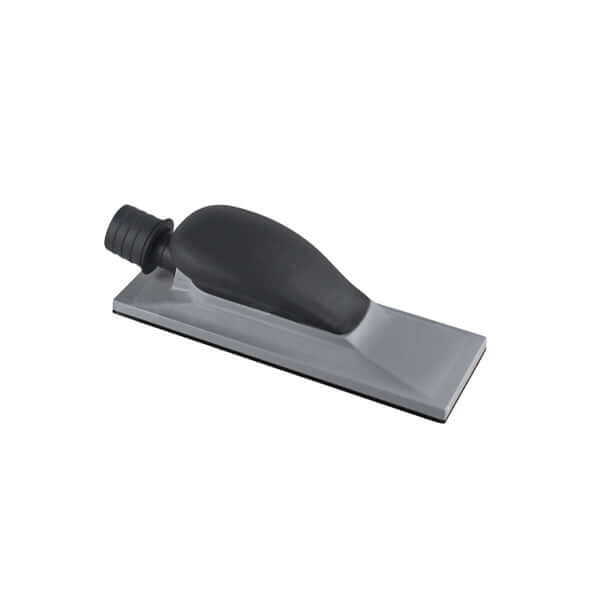
    Save 68%MP Antidust 70 x 198mm 8 Hole Velcro MP
    High Quality Roller Refils - Durable paint roller refill for smooth application and excellent coverage.

    Paint Tools and Equipment Frequently Asked Questions

    How do you clean paint tools & equipment?

    Properly cleaning your tools immediately after use is the best way to protect your investment and ensure they perform perfectly for your next project. The cleaning method depends entirely on the type of paint you have used.

    For Water-Based Paints (Emulsion, Acrylics):

    1. Remove Excess Paint: Scrape as much paint as possible from brushes and rollers back into the tin.
    2. Wash Thoroughly: Use warm, soapy water. For brushes, work the bristles against the bottom of a bucket to loosen the paint. For rollers, remove the sleeve and wash it until the water runs clear.
    3. Rinse and Dry: Rinse thoroughly with clean water, shake out the excess, and hang brushes or stand rollers on their end to dry completely. A brush comb can help reshape the bristles.

    For Solvent-Based Paints (Oil-Based, Enamels, 2K):

    1. Safety First: Work in a well-ventilated area and wear solvent-resistant gloves.
    2. Use the Right Thinner: Pour a small amount of the appropriate paint thinner or brush cleaner into a jar or old tin.
    3. Clean the Tool: Work the brush or roller in the thinner until the paint dissolves. You may need to repeat this with a second, cleaner batch of thinner for a perfect result.
    4. Final Wash & Dry: Once clean, you can give the tools a final wash in warm soapy water to remove the solvent residue. Shake out the excess and allow them to dry completely before storing.

    What tools and equipment do you need for painting?

    Having the right tools is essential for any painting project, big or small. A good toolkit not only makes the job easier but also drastically improves the quality of your final finish. Here is a checklist of essential equipment:

    1. Surface Preparation (The most important stage):

    • Dust Sheets & Paint Protection: To protect your floors, furniture, and belongings.
    • Masking Tape: For creating sharp, clean lines and protecting edges, windows, and trim.
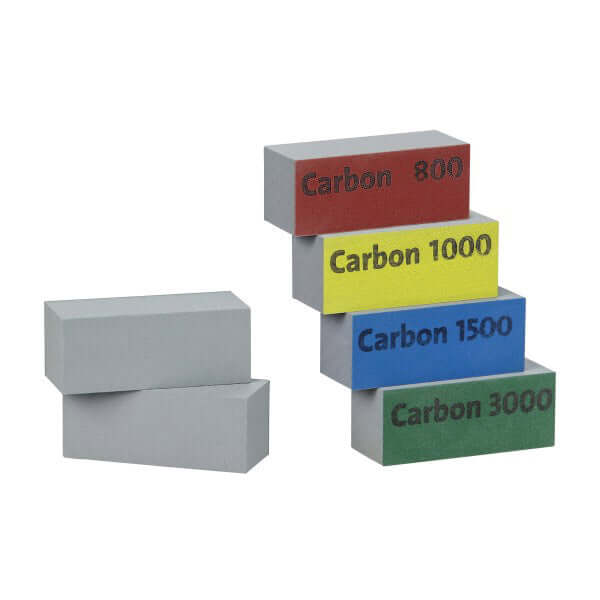
    • Sandpaper or Sanding Blocks: Essential for "keying" the surface for adhesion and smoothing imperfections.
    • Degreaser & Cleaning Cloths: To ensure the surface is completely free of dirt and grease.
    • Filler: For repairing any cracks, holes, or dents before you start.

    2. Paint Application:

    • Paint Brushes: A selection of high-quality brushes in various sizes is crucial.
    • Paint Rollers & Trays: For efficiently painting large, flat surfaces like walls and ceilings.
    • Paint Scuttle or Kettle: For decanting paint to make it easier to work with.
    • Spray Gun Equipment: For larger projects or for achieving the ultimate smooth finish (requires a compressor, hoses, etc.).

    3. Safety & Cleaning:

    • Gloves: To protect your hands from paint and cleaning chemicals.
    • Goggles: To protect your eyes from splashes and fumes.
    • Mask / Respirator: Essential when sanding or spray painting to protect your lungs from dust and harmful vapours.
    • Paint Thinners & Cleaners: For cleaning solvent-based paints from your tools.

    How do you remove spray paint from tools?

    Cleaning spray paint from tools, especially spray guns, is vital for maintaining their performance. The method depends on whether the paint is wet or has already hardened.

    For Wet Spray Paint (Immediately after use):

    This is the easiest time to clean. The cleaning agent depends on the paint you used:

    • Water-Based Spray Paint: Flush the equipment with water until it runs clear.
    • Solvent-Based Spray Paint (including 2K and cellulose): You must use a dedicated gun wash or the appropriate thinner for the paint. Run the thinner through the spray gun until all traces of colour are gone. Disassemble the nozzle and air cap and clean them separately.

    For Cured / Hardened Spray Paint:

    This is more difficult and requires stronger solvents and more time.

    1. Disassemble: Take apart the spray gun nozzle, air cap, and needle. For other tools, remove any plastic or rubber parts that could be damaged by the solvent.
    2. Soak the Parts: Submerge the metal components in a powerful gun wash or a paint stripper. Let them soak for several hours or even overnight. This will soften and break down the hardened paint.
    3. Mechanical Cleaning: After soaking, use a spray gun cleaning kit, which includes small brushes, picks, and needles. Gently scrub and pick away the softened paint from all the small orifices and threads. Never use a hard metal tool that could scratch or damage the delicate parts.
    4. Final Flush: Once all the cured paint is removed, reassemble the tool and give it a final flush with clean thinner to remove any last residue.

    Recently viewed