Skip to content
  • Cart

    Your cart is empty

    Paint Tools and Equipment

    Sort by

    Save 38%MP Non-Woven Abrasive Roll 10M 115 mm x 10 m Ultra Fine (Grey) MP
    MP Sanding Block Set MP
    MP Touch-Up Brush Set (24 pack) featuring red precision brushes in a 24-piece collection for versatile applications.
    MP Seam Sealer Brush with red handle and nylon bristles for sealing compounds application.
    MP

    MP Seam Sealer Brush

    Sale priceFrom £1.49
    VIPER GUARD MASK (A2P3 Half Face Mask) for superior protection against dust and gases in hazardous environments.
    CENTRAL GRAVITY GUN HOLDER (1 SPRAY GUN) WALL MOUNTABLE - Anest Iwata spray gun holder for organized workspace.
    Save 8%CENTRAL GRAVITY GUN HOLDER (3 SPRAY GUNS) for secure storage of up to three spray guns in workshops.
    ANEST IWATA Magnetic 3 Spray Gun Holder, blue magnetic stand for securely holding spray guns and air hoses.
    ANEST IWATA Magnetic Spray Gun Holder displayed on a blue stand for organized tool storage.
    On saleANEST IWATA W-400 Classic Plus Spray Gun with gravity feed cup and ergonomic design.
    On saleAnest Iwata W-200 INTEGRA Pressure Spray Gun with metal container for precision painting.
    Save 17%MP Spray Booth Filters 20 x 1m roll showing high-efficiency paint mist filtration material.
    MP

    MP Spray Booth Floor Filter (20 x 1m)

    Sale price£74.99 Regular price£89.88
    Save 10%MP Ionising Spray Gun X-ION in carrying case for anti-static dust reduction in spray booths.
    MP

    MP Ionising Gun X-ION

    Sale price£899.99 Regular price£999.99
    MP PCS Paint Cup System 125µm (Box of 50)
    Save 42%MP Nitrile Gloves HI-Risk Black Powder-Free (Pack of 100)
    Save 24%Anest Iwata Series 2.1 & WS-P Primer Twin Kit (1.3mm Nozzle Size + 600ml Cup)

    Paint Tools and Equipment Frequently Asked Questions

    How do you clean paint tools & equipment?

    Properly cleaning your tools immediately after use is the best way to protect your investment and ensure they perform perfectly for your next project. The cleaning method depends entirely on the type of paint you have used.

    For Water-Based Paints (Emulsion, Acrylics):

    1. Remove Excess Paint: Scrape as much paint as possible from brushes and rollers back into the tin.
    2. Wash Thoroughly: Use warm, soapy water. For brushes, work the bristles against the bottom of a bucket to loosen the paint. For rollers, remove the sleeve and wash it until the water runs clear.
    3. Rinse and Dry: Rinse thoroughly with clean water, shake out the excess, and hang brushes or stand rollers on their end to dry completely. A brush comb can help reshape the bristles.

    For Solvent-Based Paints (Oil-Based, Enamels, 2K):

    1. Safety First: Work in a well-ventilated area and wear solvent-resistant gloves.
    2. Use the Right Thinner: Pour a small amount of the appropriate paint thinner or brush cleaner into a jar or old tin.
    3. Clean the Tool: Work the brush or roller in the thinner until the paint dissolves. You may need to repeat this with a second, cleaner batch of thinner for a perfect result.
    4. Final Wash & Dry: Once clean, you can give the tools a final wash in warm soapy water to remove the solvent residue. Shake out the excess and allow them to dry completely before storing.

    What tools and equipment do you need for painting?

    Having the right tools is essential for any painting project, big or small. A good toolkit not only makes the job easier but also drastically improves the quality of your final finish. Here is a checklist of essential equipment:

    1. Surface Preparation (The most important stage):

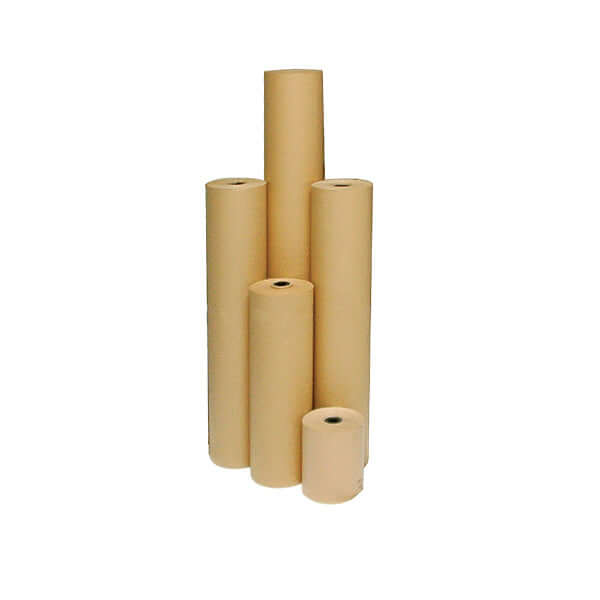
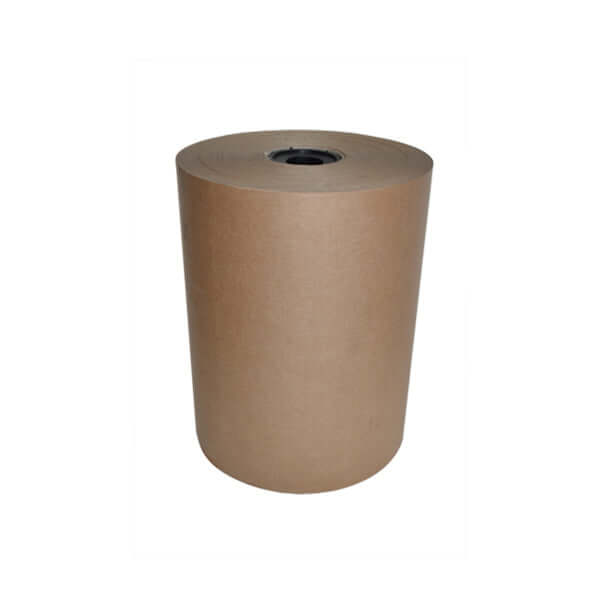
    • Dust Sheets & Paint Protection: To protect your floors, furniture, and belongings.
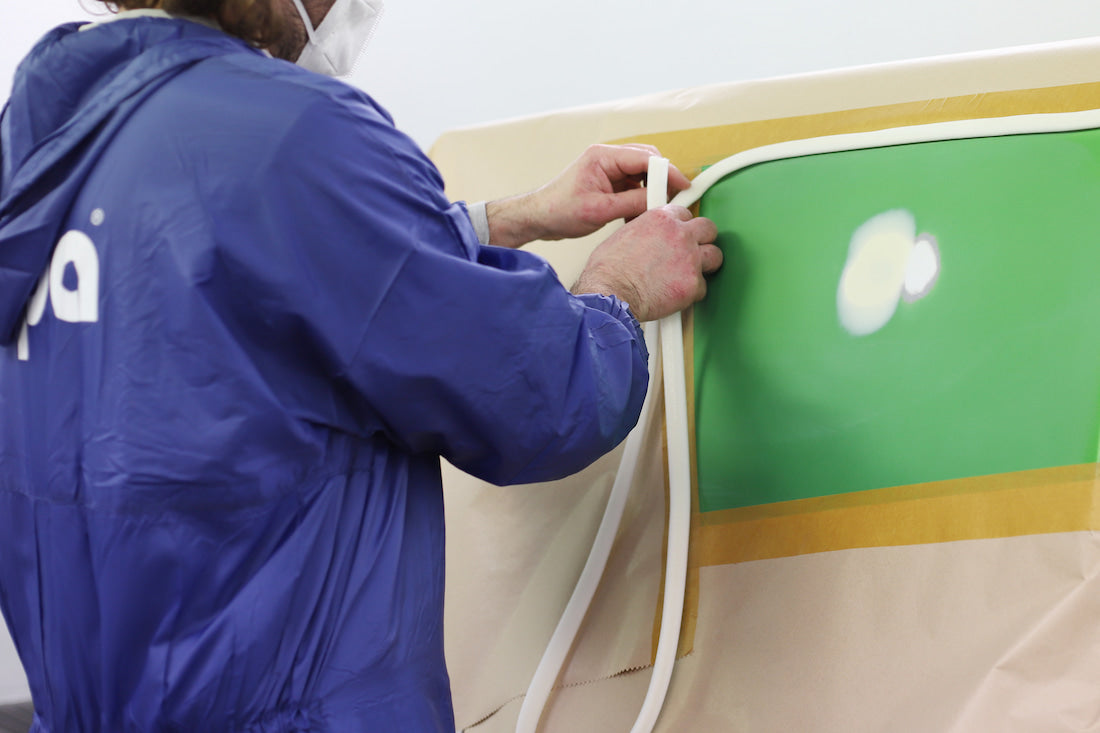
    • Masking Tape: For creating sharp, clean lines and protecting edges, windows, and trim.
    • Sandpaper or Sanding Blocks: Essential for "keying" the surface for adhesion and smoothing imperfections.
    • Degreaser & Cleaning Cloths: To ensure the surface is completely free of dirt and grease.
    • Filler: For repairing any cracks, holes, or dents before you start.

    2. Paint Application:

    • Paint Brushes: A selection of high-quality brushes in various sizes is crucial.
    • Paint Rollers & Trays: For efficiently painting large, flat surfaces like walls and ceilings.
    • Paint Scuttle or Kettle: For decanting paint to make it easier to work with.
    • Spray Gun Equipment: For larger projects or for achieving the ultimate smooth finish (requires a compressor, hoses, etc.).

    3. Safety & Cleaning:

    • Gloves: To protect your hands from paint and cleaning chemicals.
    • Goggles: To protect your eyes from splashes and fumes.
    • Mask / Respirator: Essential when sanding or spray painting to protect your lungs from dust and harmful vapours.
    • Paint Thinners & Cleaners: For cleaning solvent-based paints from your tools.

    How do you remove spray paint from tools?

    Cleaning spray paint from tools, especially spray guns, is vital for maintaining their performance. The method depends on whether the paint is wet or has already hardened.

    For Wet Spray Paint (Immediately after use):

    This is the easiest time to clean. The cleaning agent depends on the paint you used:

    • Water-Based Spray Paint: Flush the equipment with water until it runs clear.
    • Solvent-Based Spray Paint (including 2K and cellulose): You must use a dedicated gun wash or the appropriate thinner for the paint. Run the thinner through the spray gun until all traces of colour are gone. Disassemble the nozzle and air cap and clean them separately.

    For Cured / Hardened Spray Paint:

    This is more difficult and requires stronger solvents and more time.

    1. Disassemble: Take apart the spray gun nozzle, air cap, and needle. For other tools, remove any plastic or rubber parts that could be damaged by the solvent.
    2. Soak the Parts: Submerge the metal components in a powerful gun wash or a paint stripper. Let them soak for several hours or even overnight. This will soften and break down the hardened paint.
    3. Mechanical Cleaning: After soaking, use a spray gun cleaning kit, which includes small brushes, picks, and needles. Gently scrub and pick away the softened paint from all the small orifices and threads. Never use a hard metal tool that could scratch or damage the delicate parts.
    4. Final Flush: Once all the cured paint is removed, reassemble the tool and give it a final flush with clean thinner to remove any last residue.

    Recently viewed