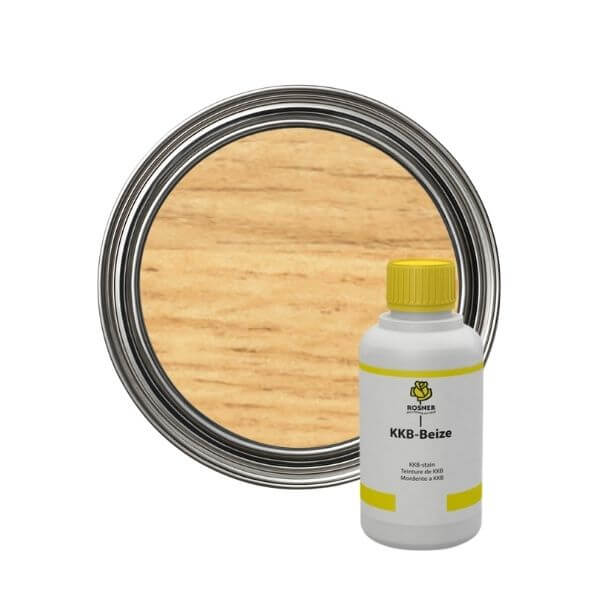
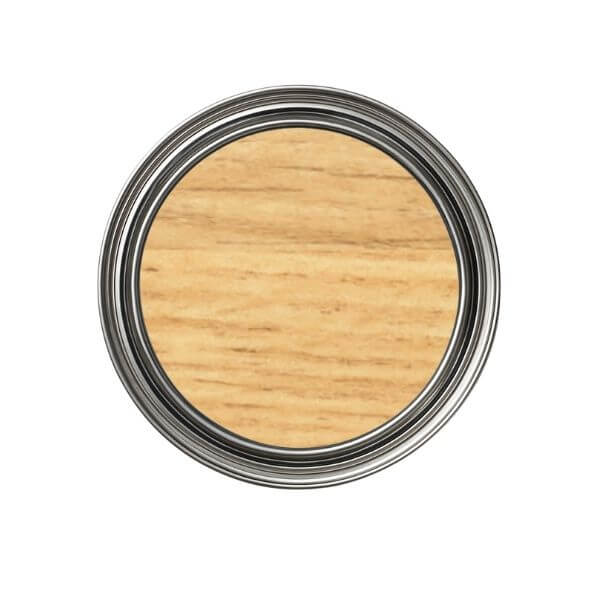
Unlike Paint which completely covers and hides the timber, a wood stain is designed to celebrate it. The perfect way to change the colour of wood while enhancing the beautiful, natural patterns of the grain, wood stains offer a deep, rich, and translucent colour. At Nebula Paints, we are a UK distributor of professional-grade Wood Coatings, offering a comprehensive palette of wood stain colours to bring your vision to life.
Unlike Paint which completely covers and hides the timber, a wood stain is designed to celebrate it. The perfect way to change the colour of wood while enhancing the beautiful, natural patterns of the grain, wood stains offer a deep, rich, and translucent colour. At Nebula Paints, we are a UK distributor of professional-grade Wood Coatings, offering a comprehensive palette of wood stain colours to bring your vision to life.
Whether you're a furniture restore wanting to achieve a classic mahogany look or a homeowner aiming for a contemporary grey finish on a pine door, our range of high-quality wood stains provides consistent, reliable, and beautiful results.
Discover the Perfect Shades of Wood Stain
Choosing the right colour is the most exciting part of any staining project. Our extensive collection of wood stain colours has been curated to include everything from timeless, traditional wood tones to bold, modern shades, ensuring you can find the perfect match for your style.
When selecting a stain color wood finish, it's important to remember that the final appearance will be influenced by the original colour and porosity of the timber itself. A Light Oak stain will look different on a piece of pale pine versus a piece of reddish cherry wood. We always recommend testing your chosen stain on an offcut of the same timber to ensure you are happy with the result.
Our popular shades of stain for wood include:
-
Traditional Tones:
Light Oak, Dark Oak, Walnut, Teak, and Mahogany for a classic, warm, and timeless feel.
-
Modern Hues:
A spectrum of Greys, crisp Whites, and deep Blacks for a contemporary, minimalist, or dramatic statement.
By applying multiple coats, you can achieve a deeper and more intense colour, giving you complete control over the final look.
A Stain for Colour, A Lacquer for Protection
It is essential to understand the role of a wood stain. Its primary purpose is to provide colour. While it penetrates the wood fibers, it offers very little protection against moisture, scratches, or UV damage. To ensure your beautifully stained wood lasts, you must protect it with a durable clear topcoat.
After staining, the surface should be sealed with a hard-wearing clear finish, such as a Wood Lacquer or a durable Wood Oil. This protective layer will lock in the colour and provide the resilience needed to withstand daily use, keeping your project looking stunning for years to come.
Explore our complete collection of wood stain today and find the perfect colour to enhance and transform your next woodworking project.