Skip to content
  • Cart

    Your cart is empty

    Car Fillers & Auto Body Fillers

    Sort by

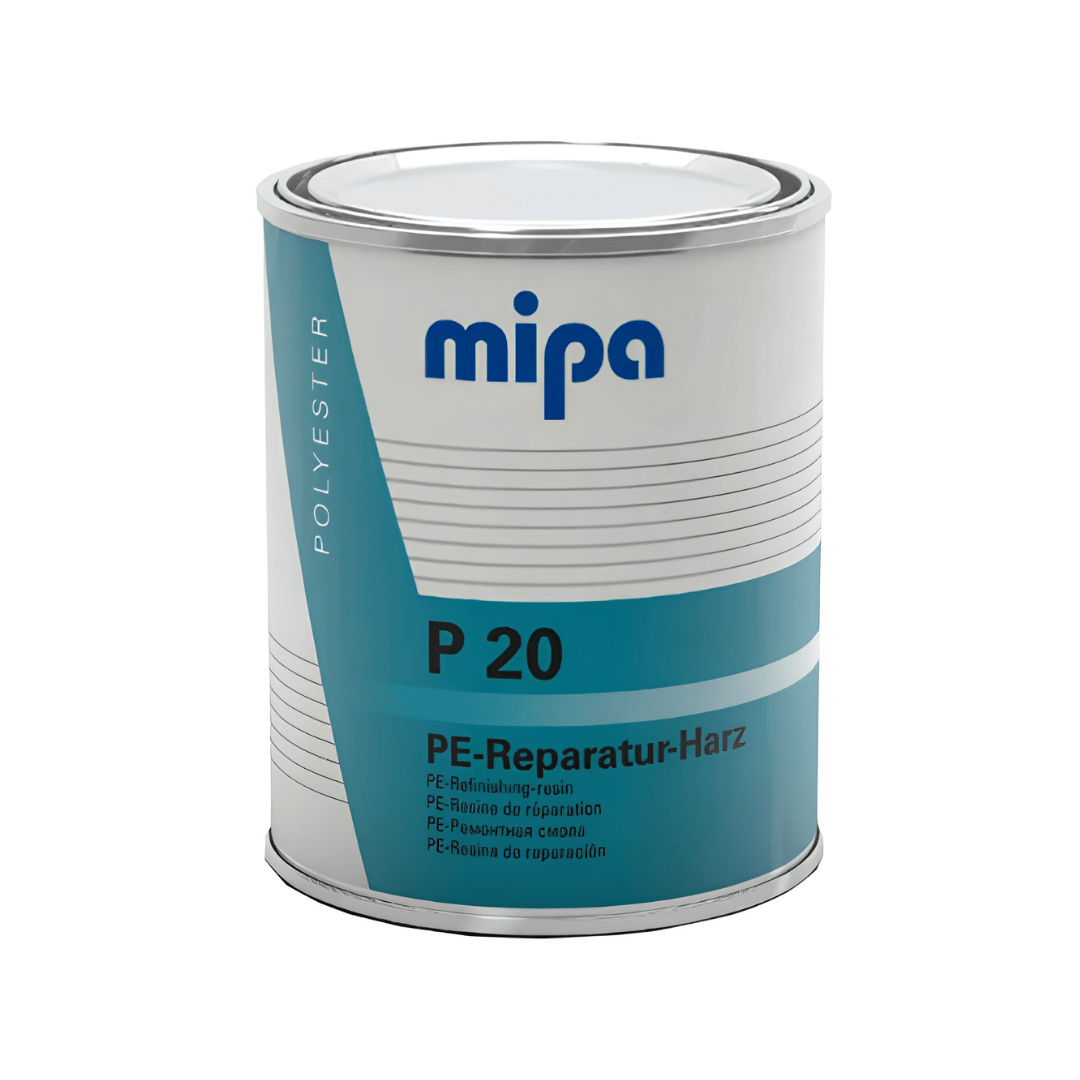
    Mipa P20 Polyester Refinishing Resin Including Hardener (1kg)
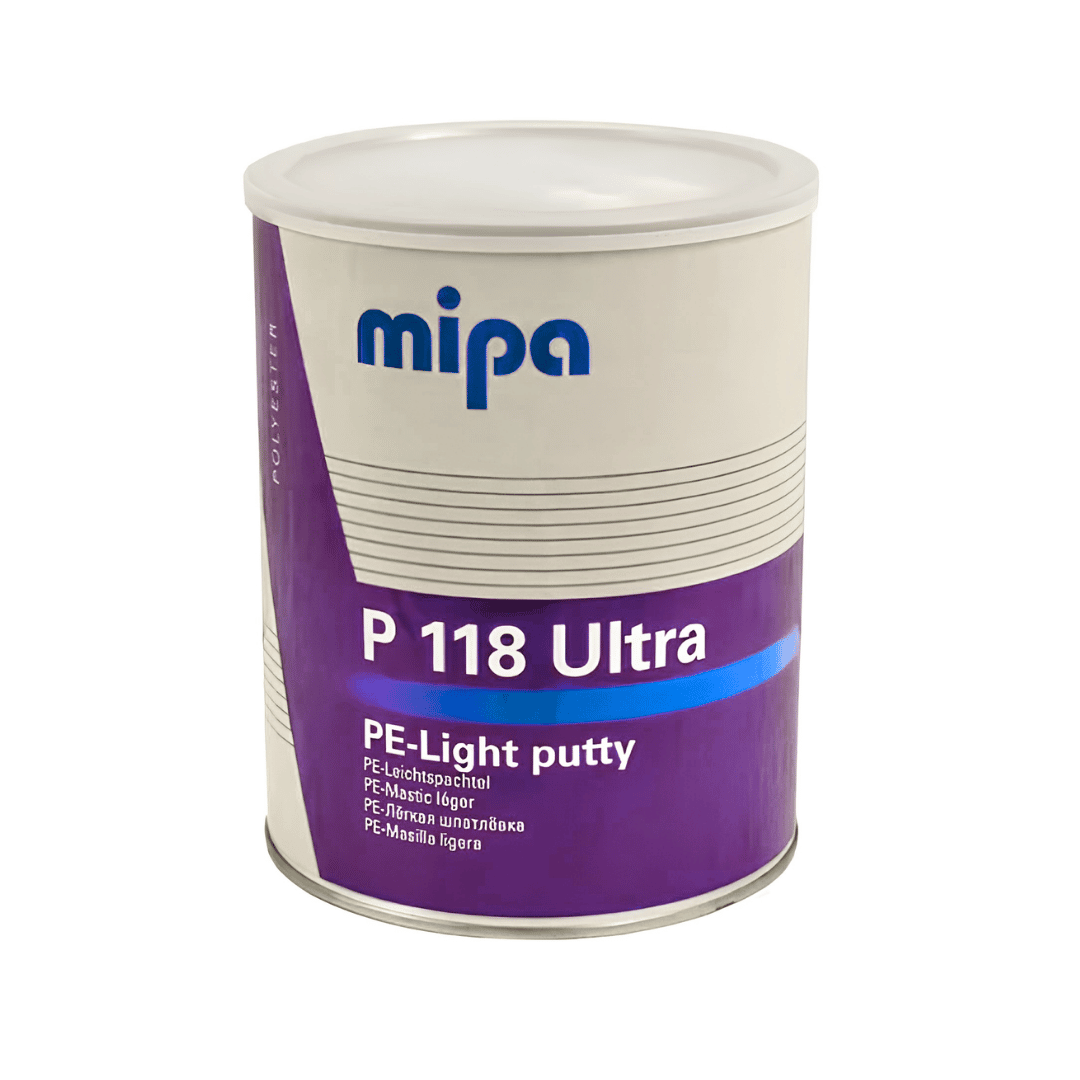
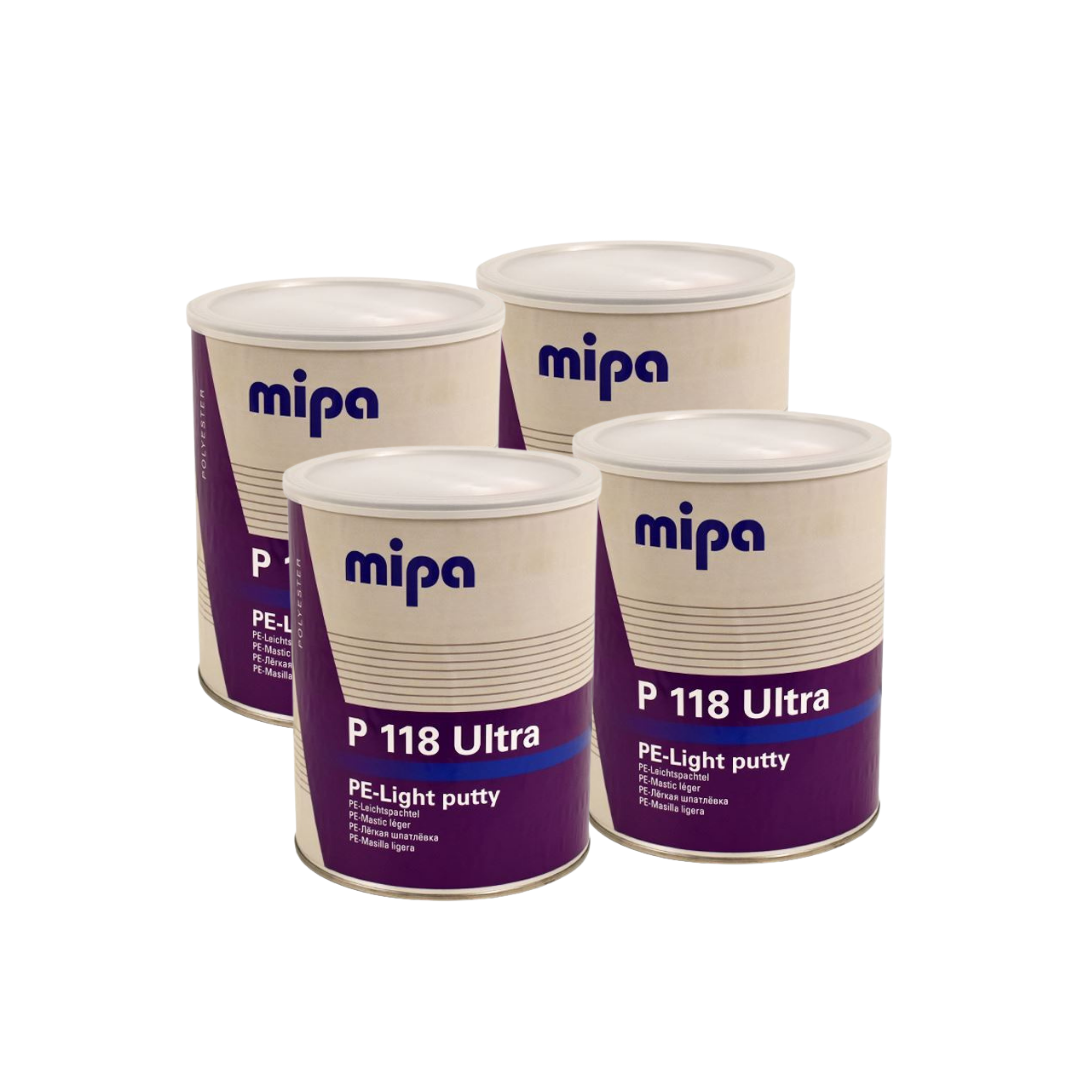
    Mipa P118 Ultra PE Lightweight Universal Putty Including Hardener (3L)
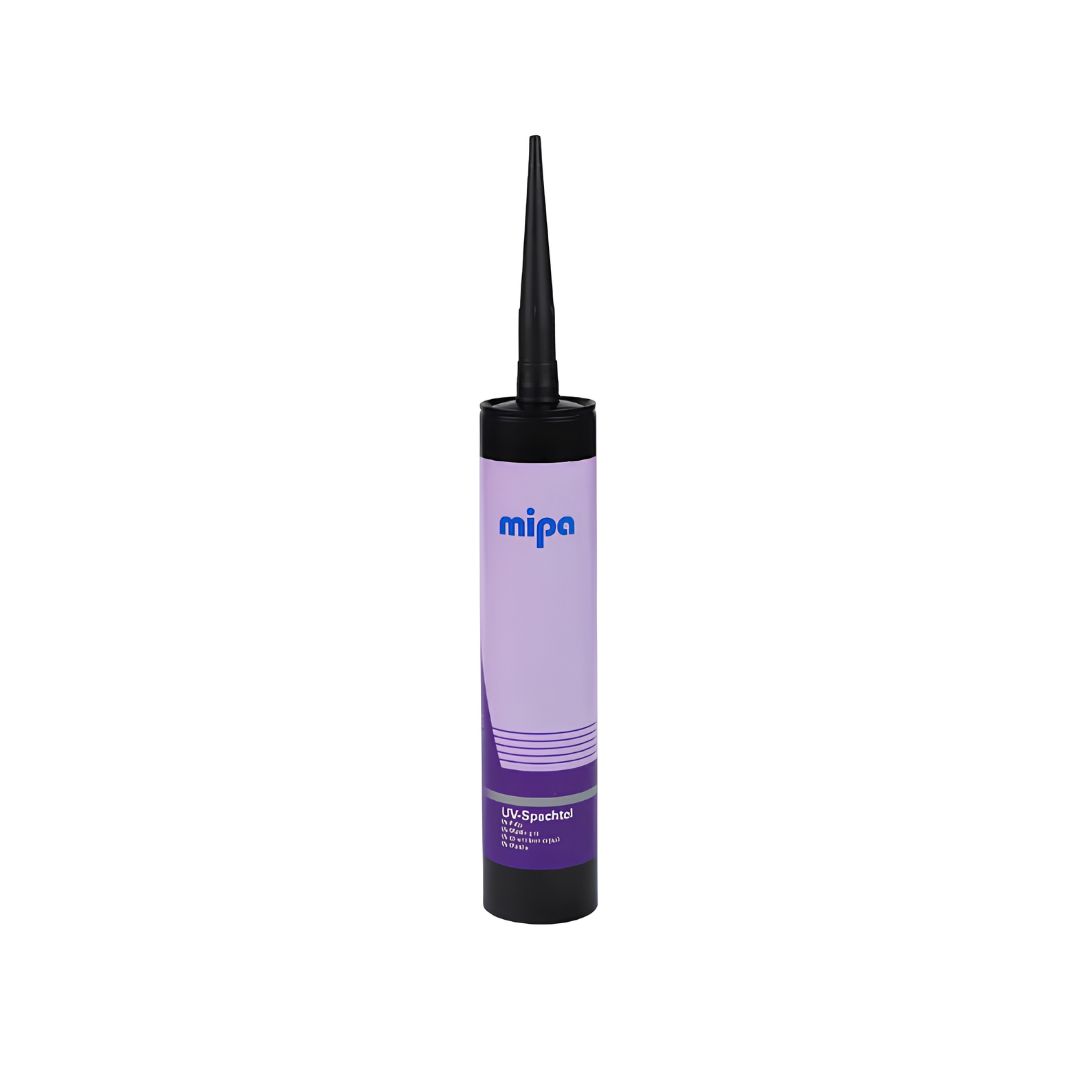
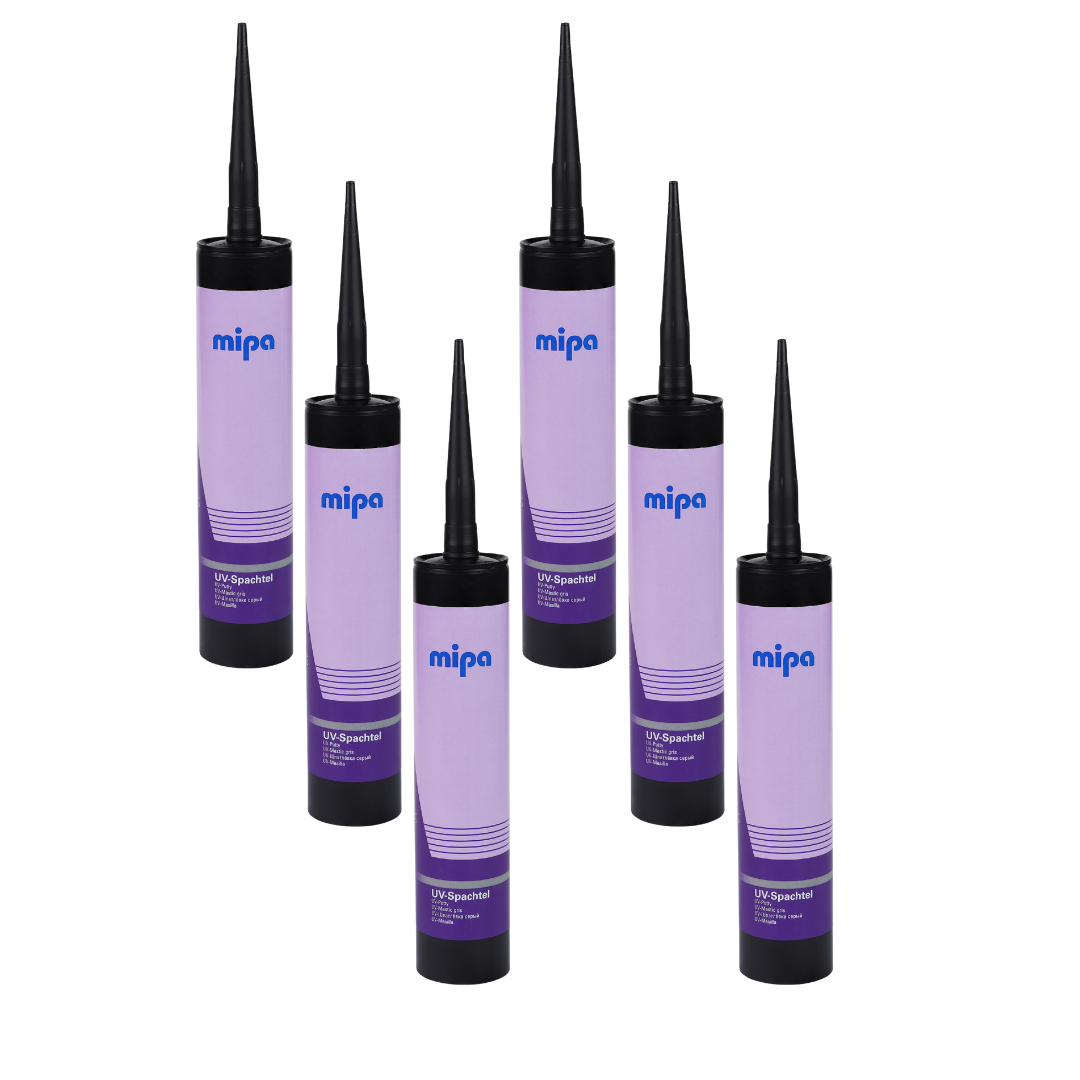
    Mipa 1K UV Filler (Spachtel) (500g)
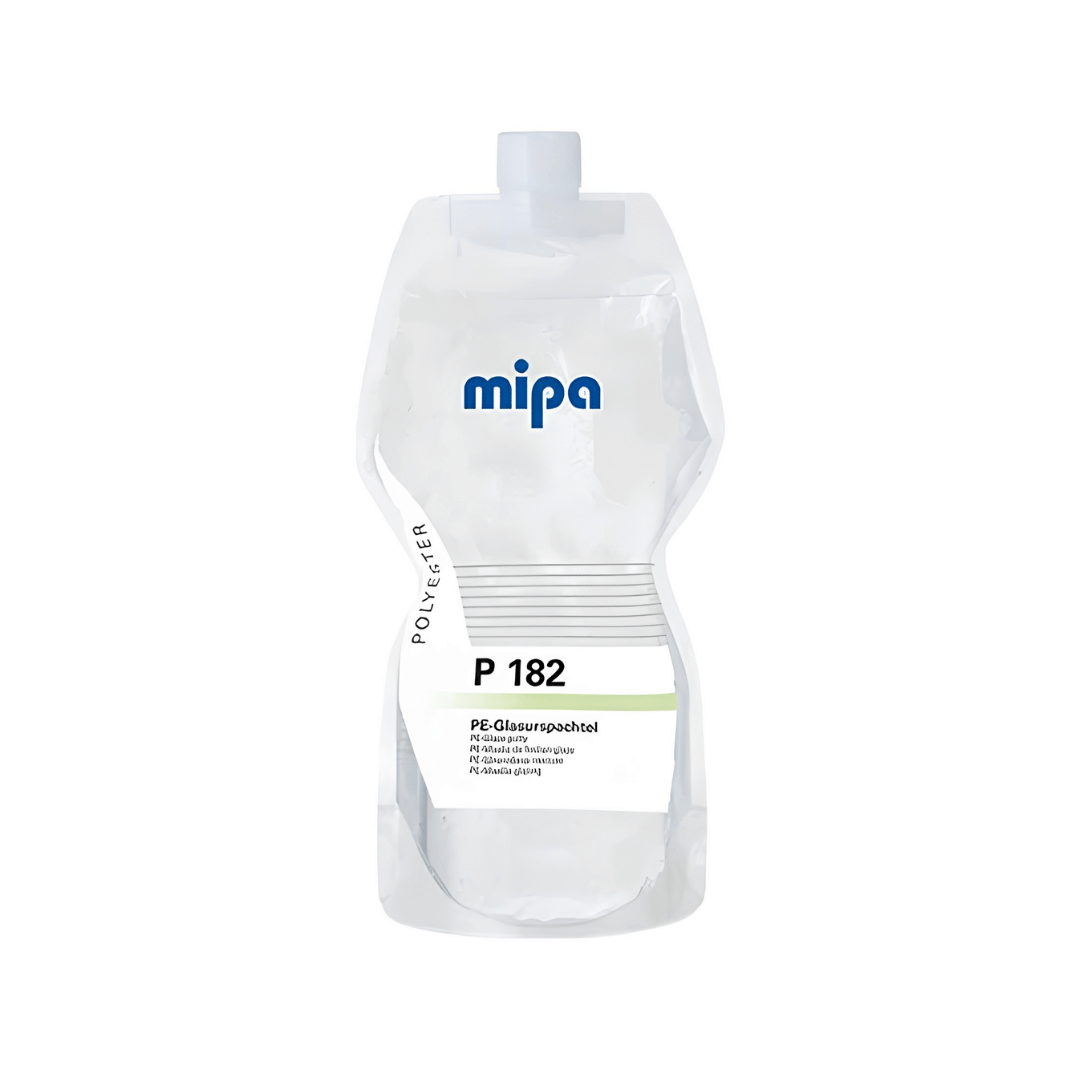
    Mipa P182 (Bag) Glass FIller (500ml)
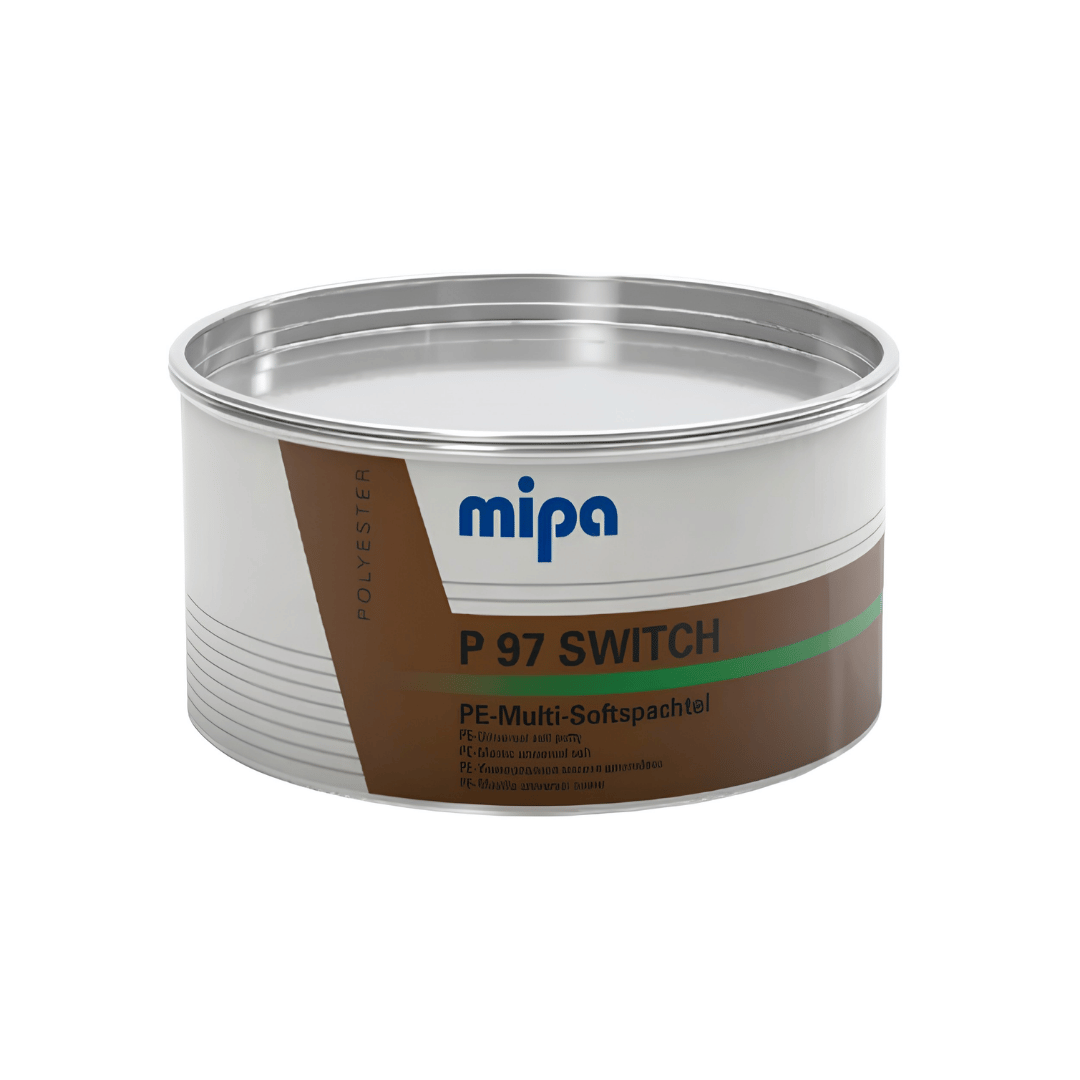
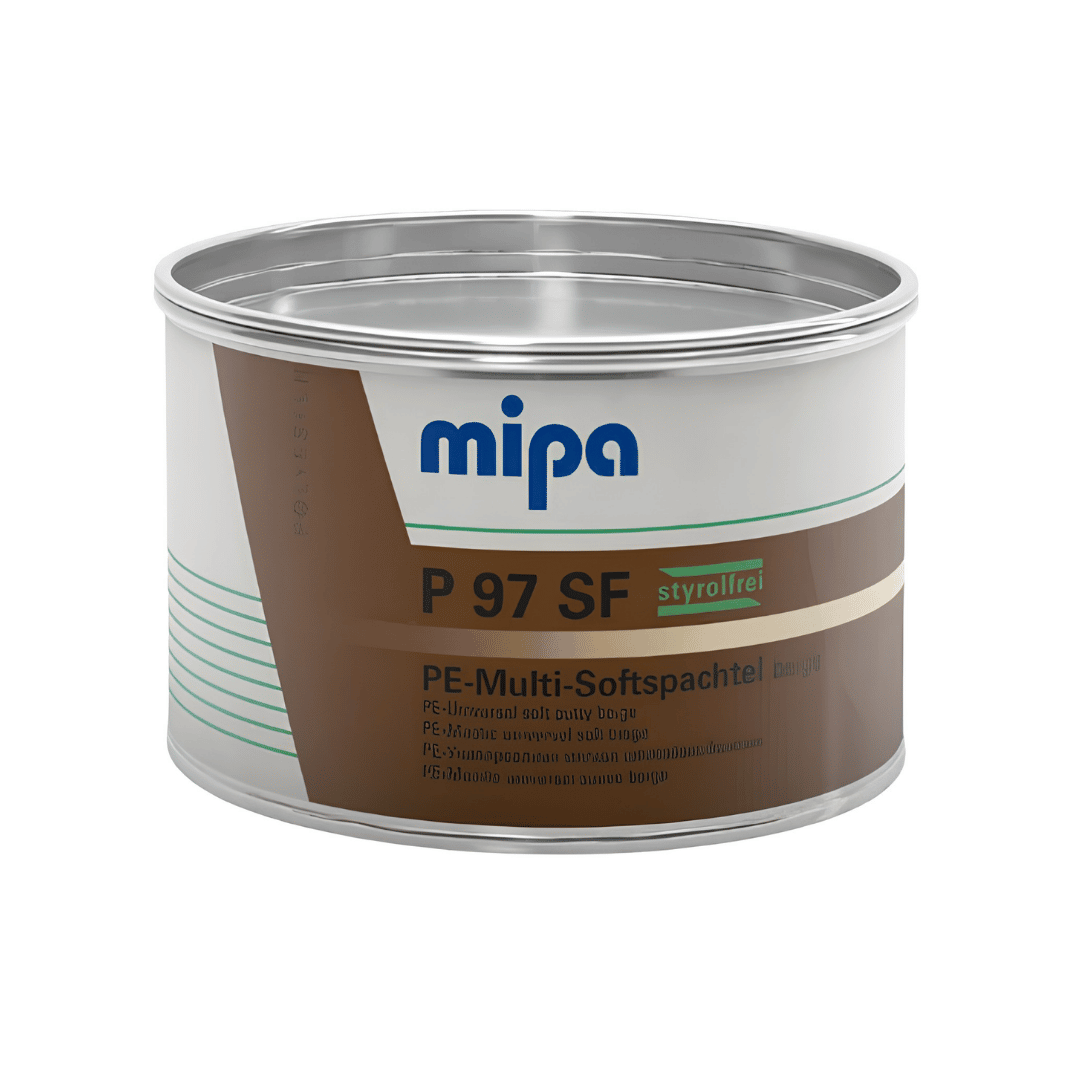
    Mipa P97 Multi Soft Universal Putty
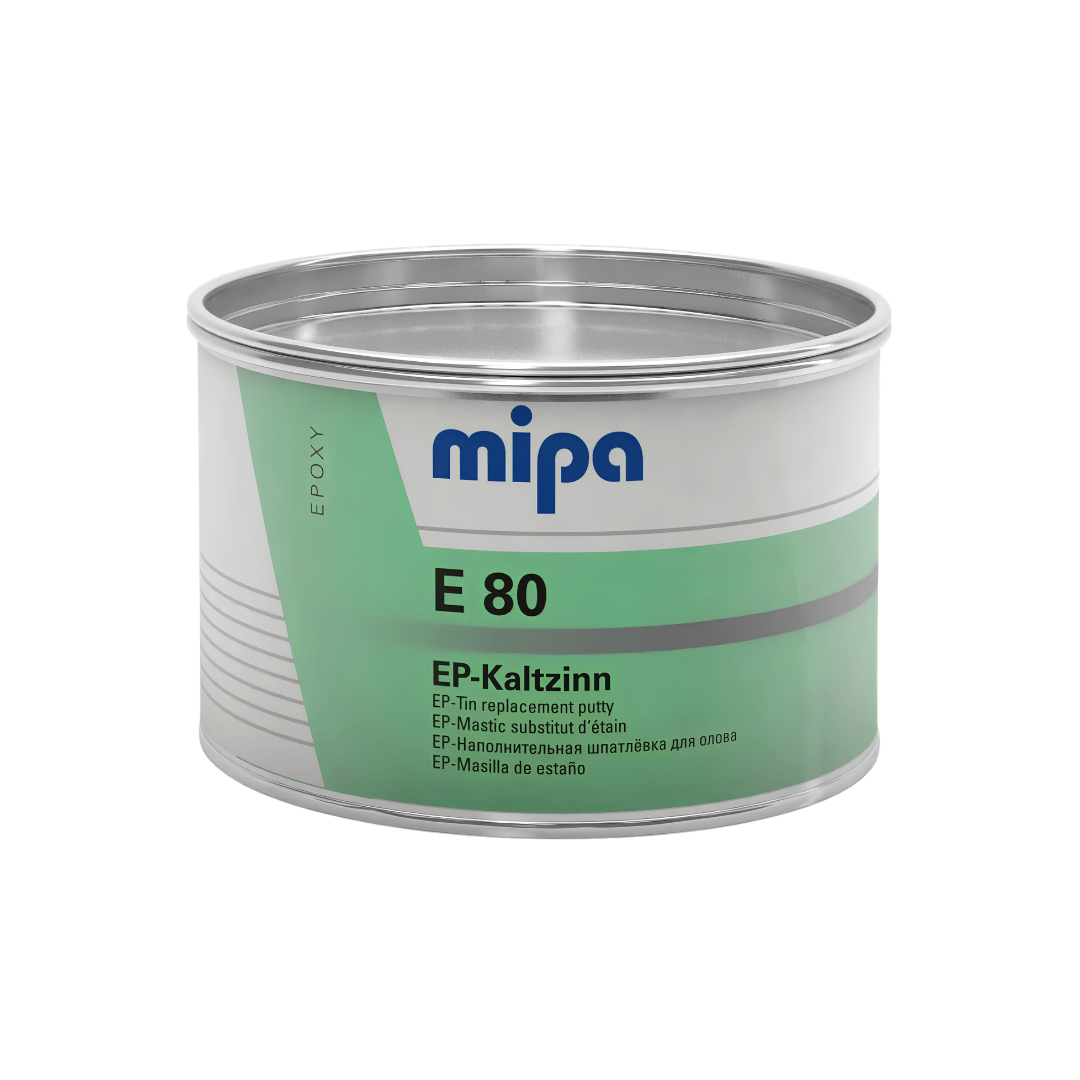
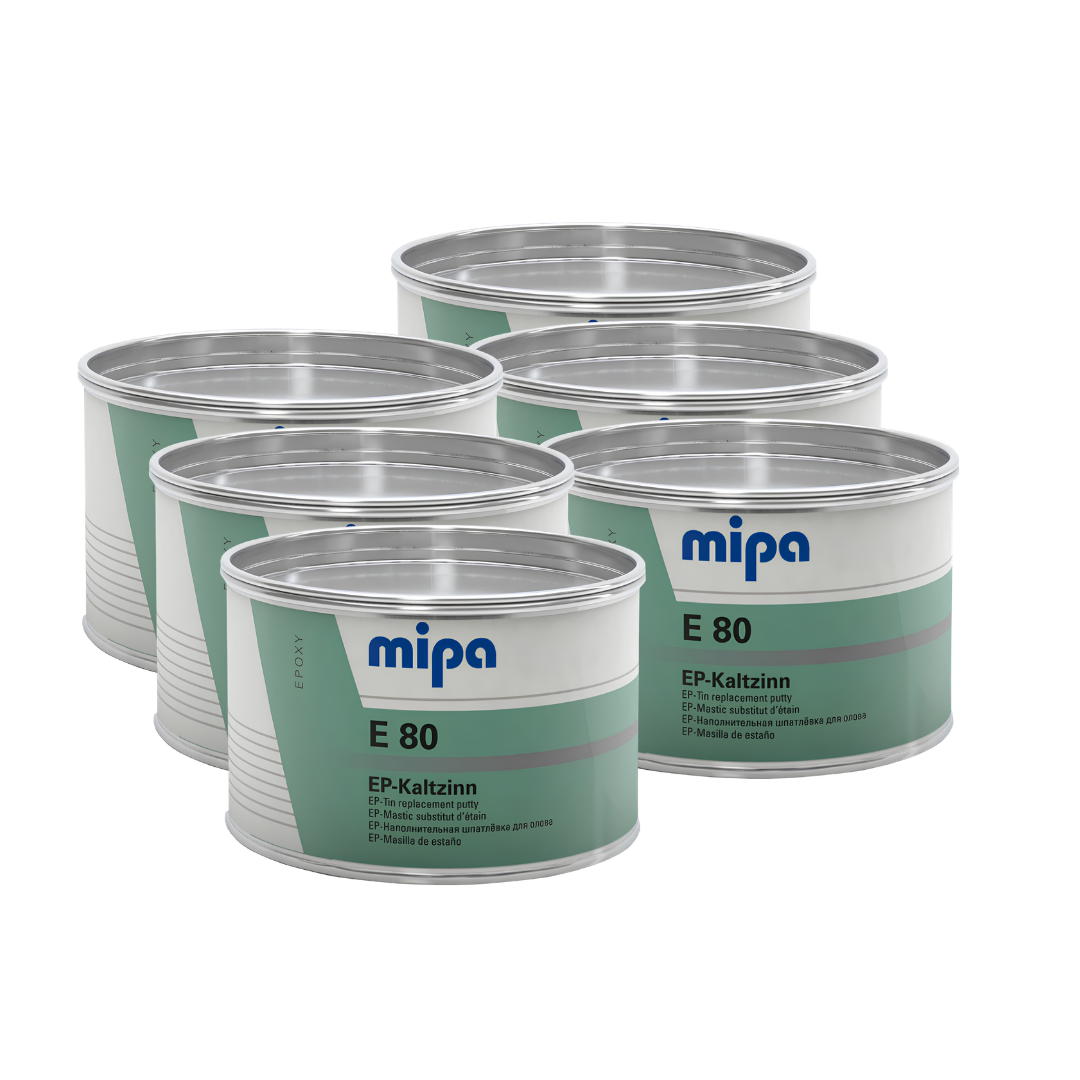
    Mipa E 80 Epoxy Tin Replacement Epoxy Putty (1kg)
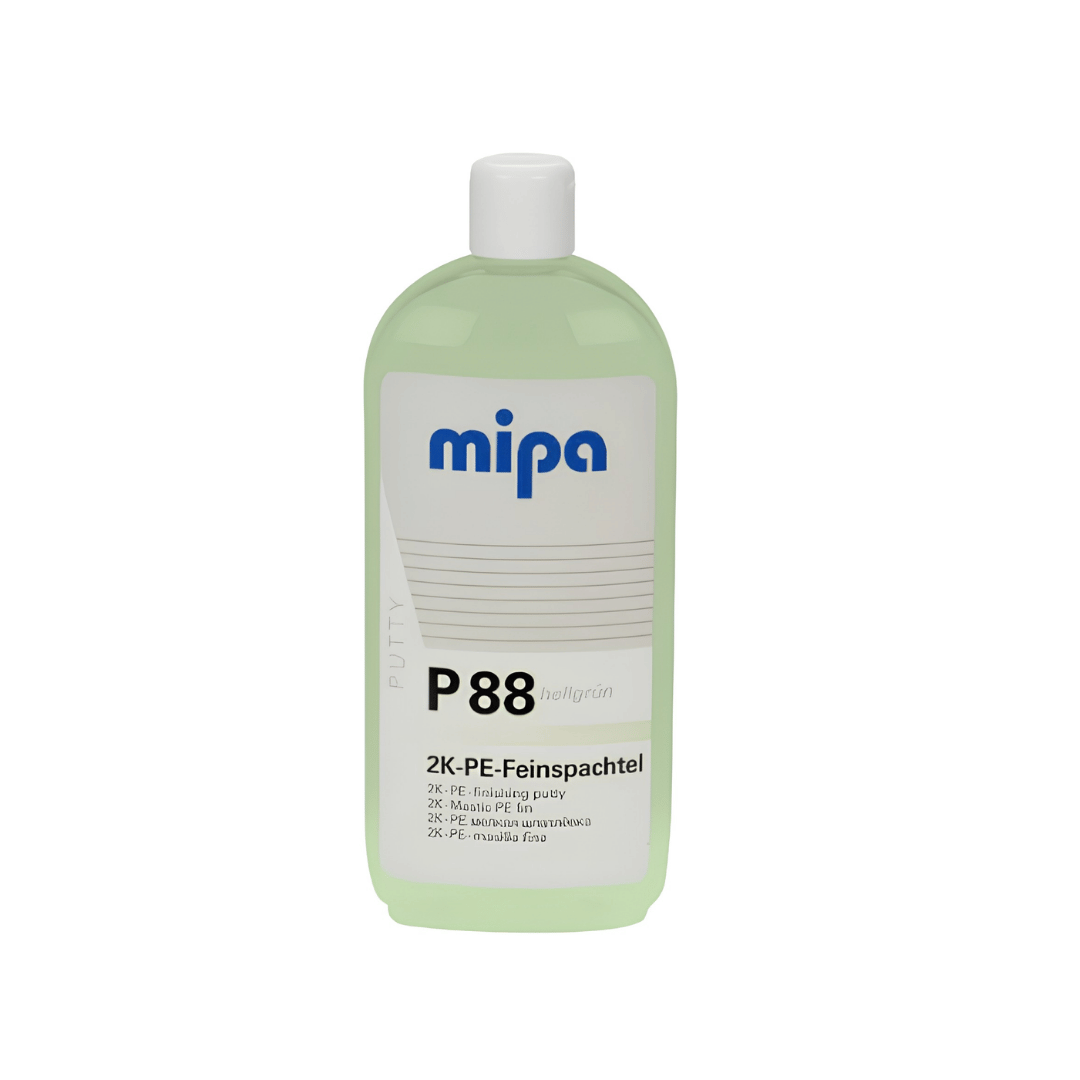
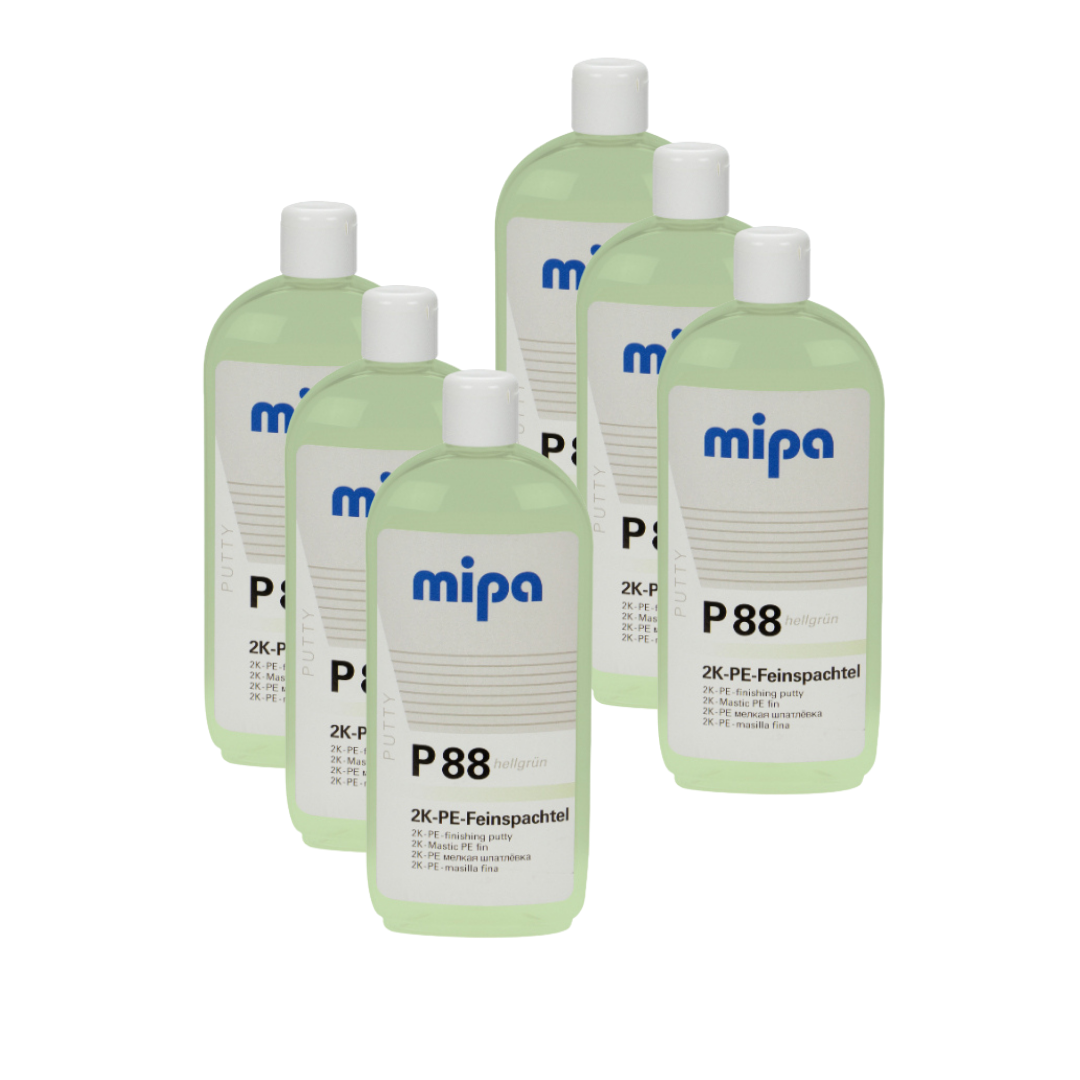
    Mipa P88 2K PE Finishing Putty Inc Hardener (850ml)
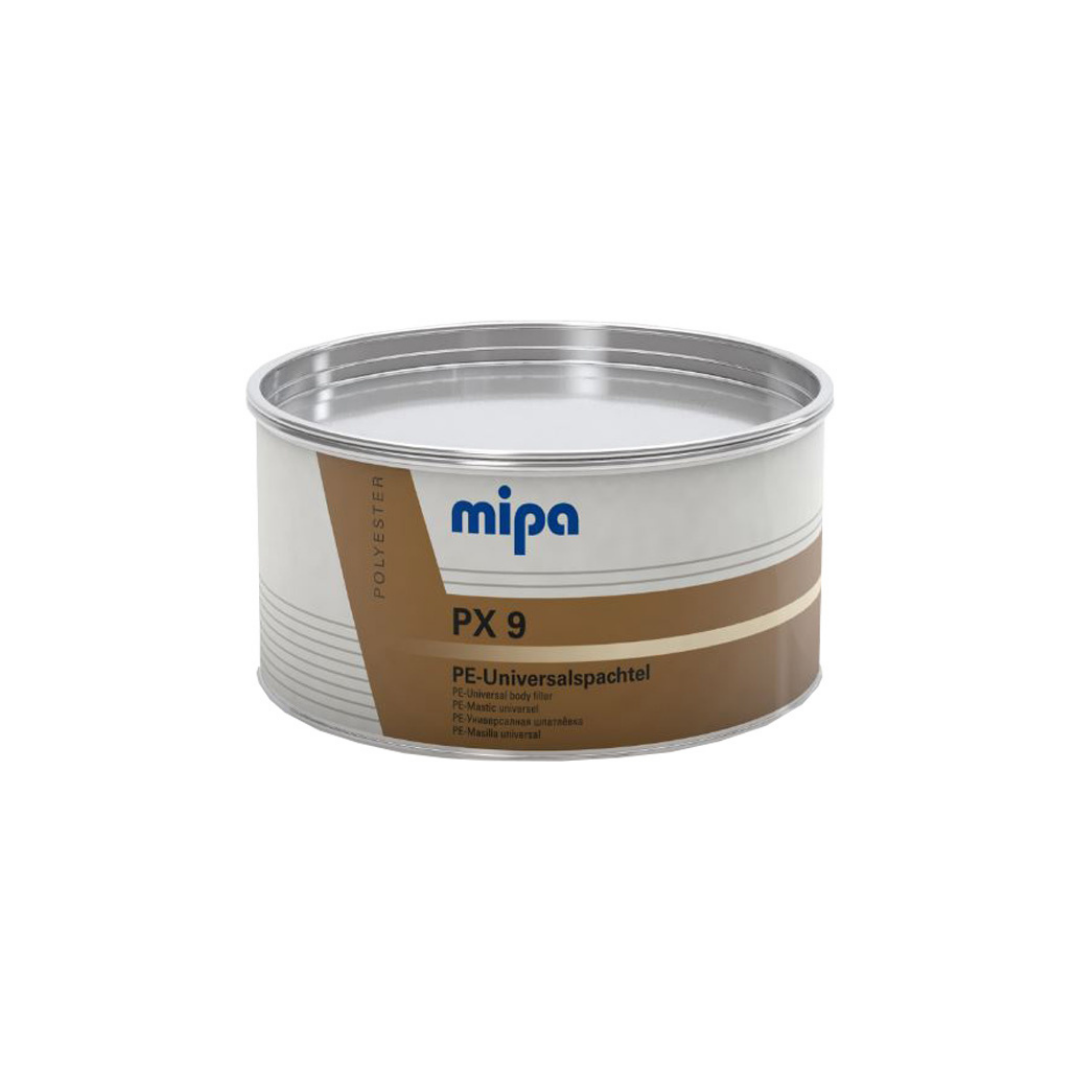
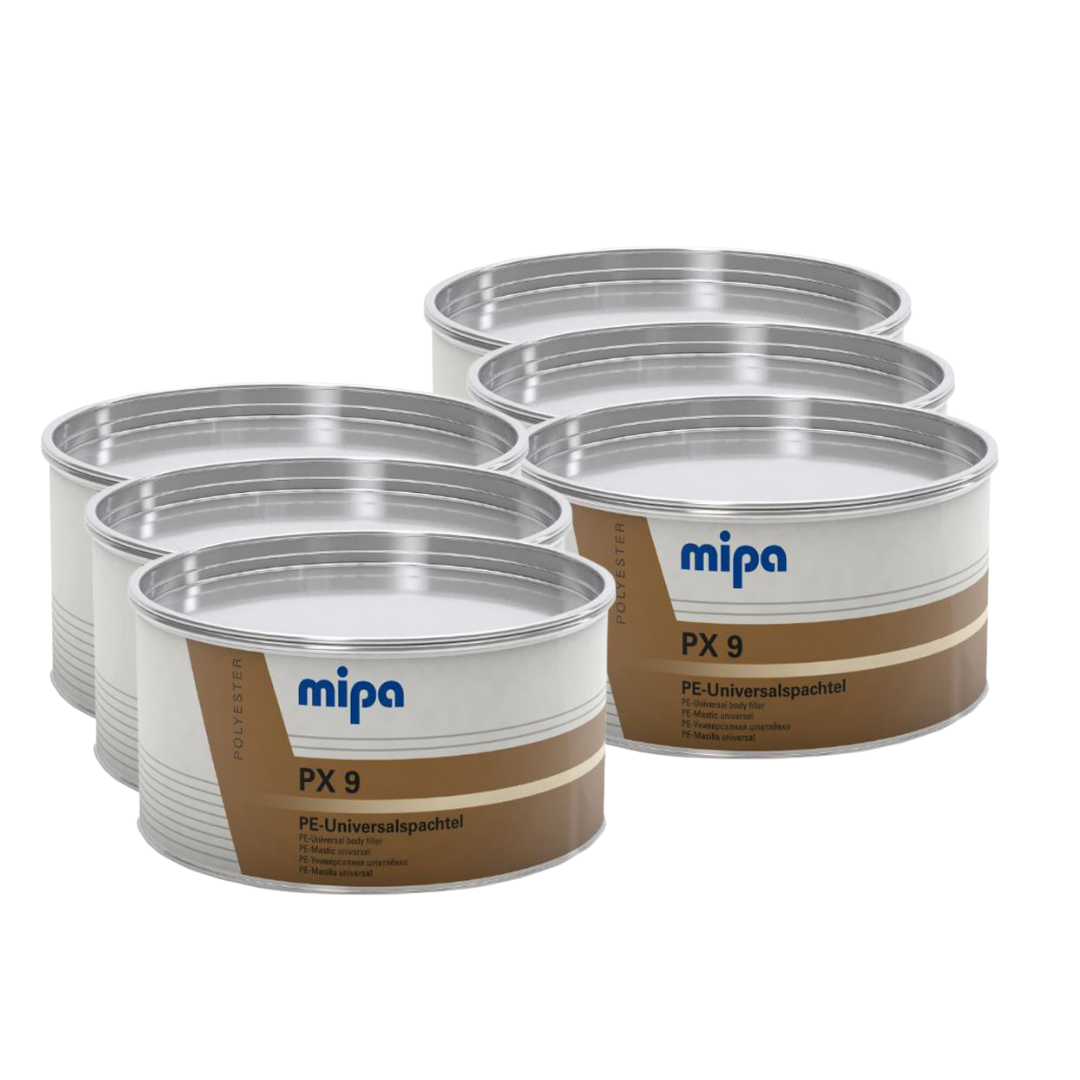
    Mipa PX9 2K Polyester Universal Body Putty Filler Inclduing Hardener (1L)
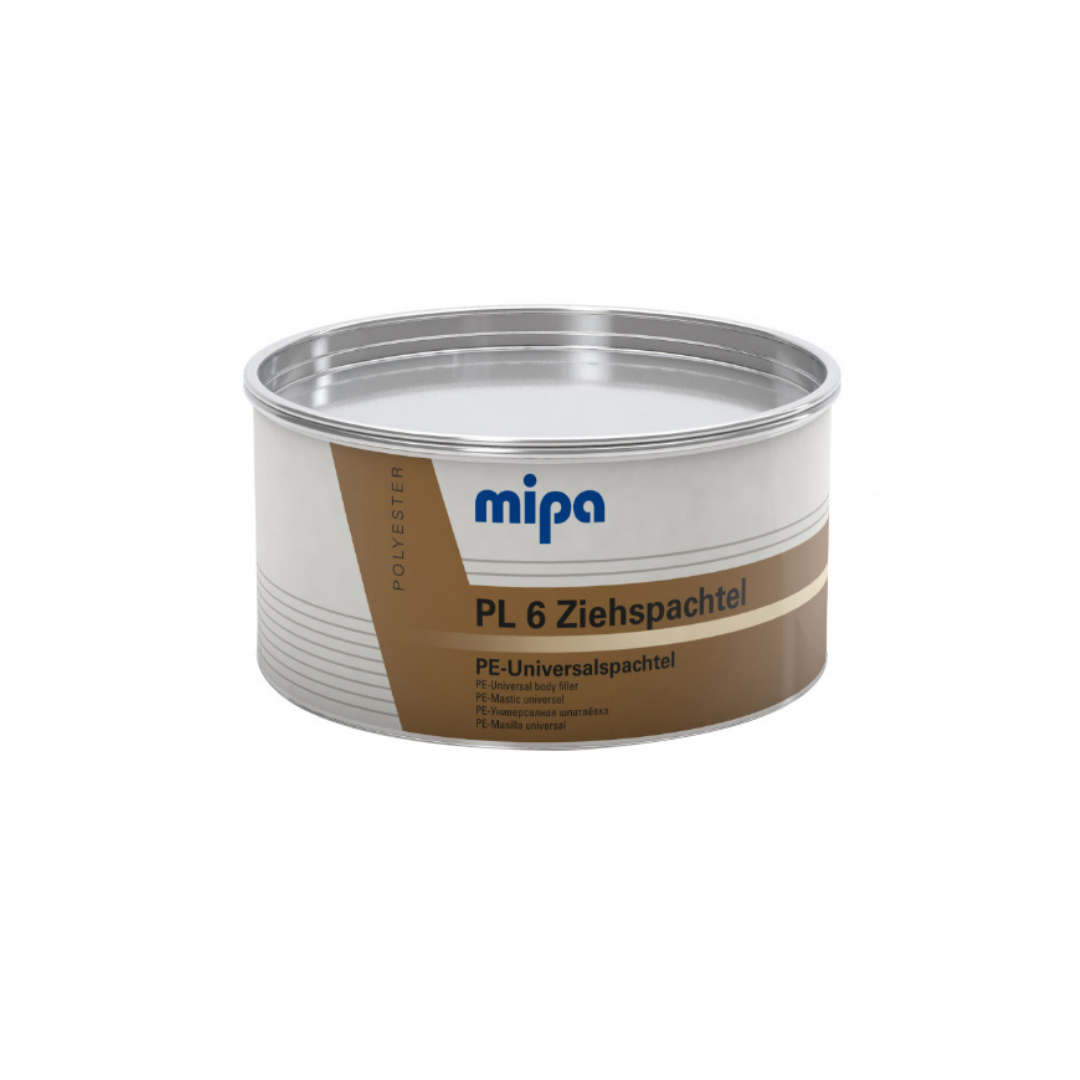
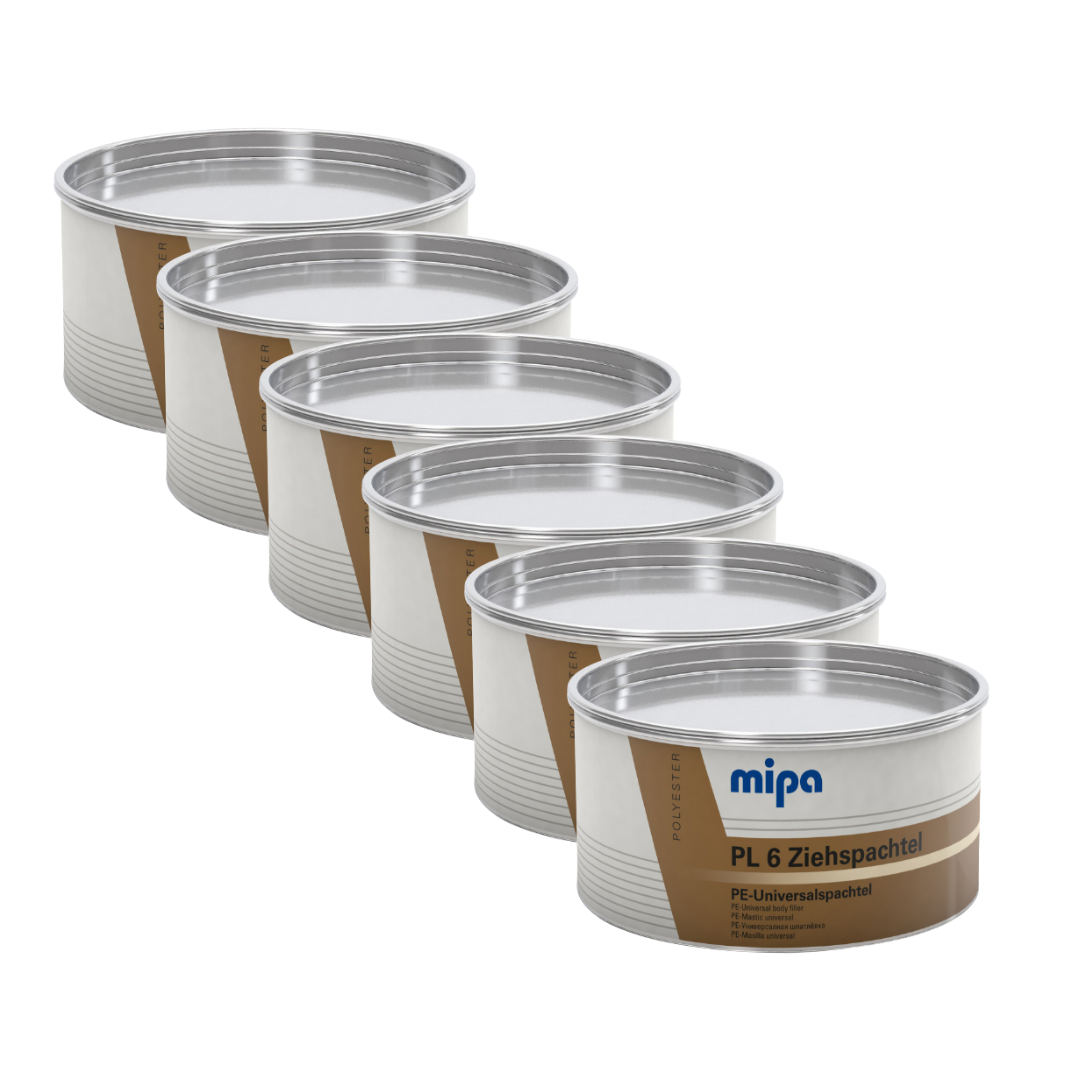
    Mipa PL6 2K Polyester Elastic Universal Body Filler Incl Hardener (2kg)
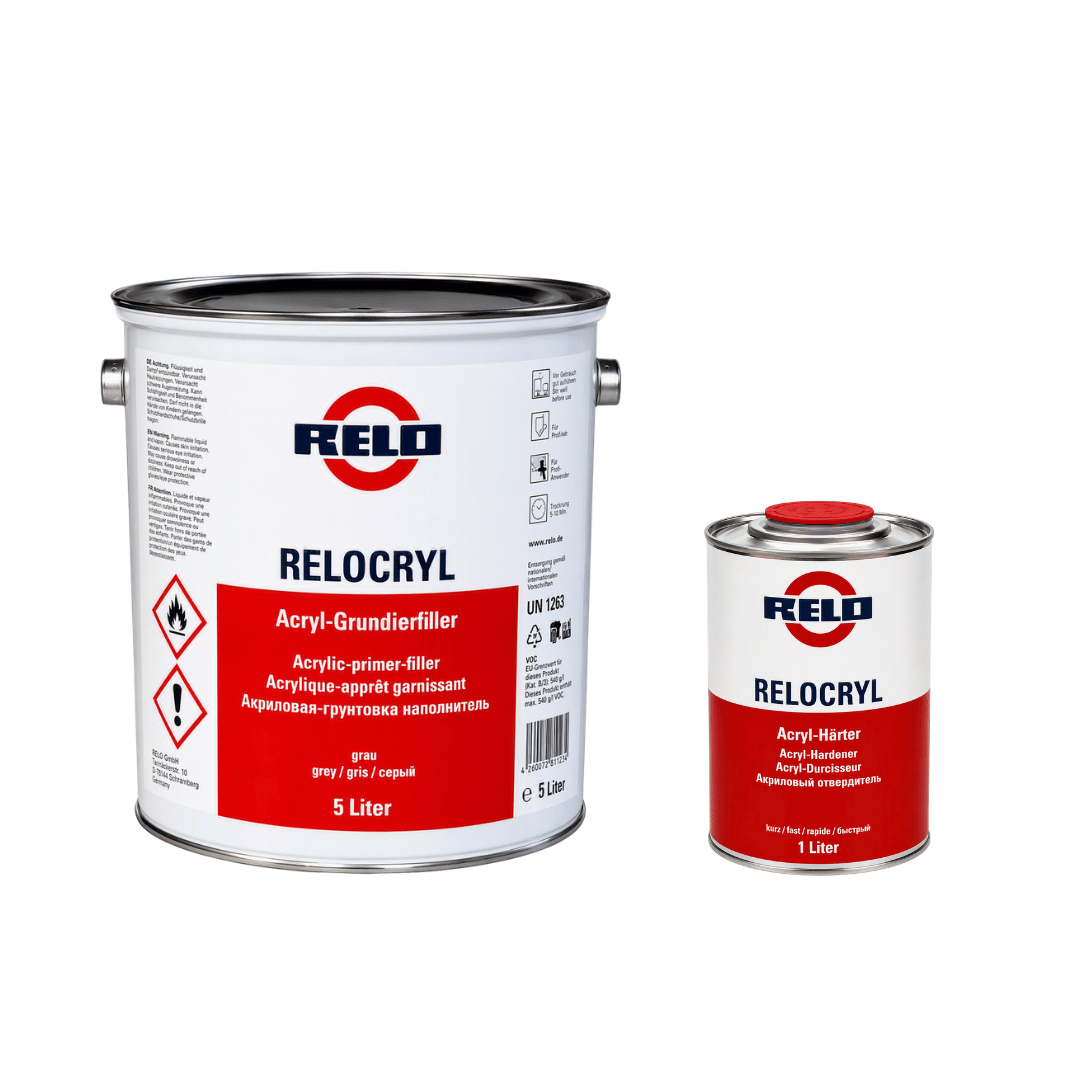
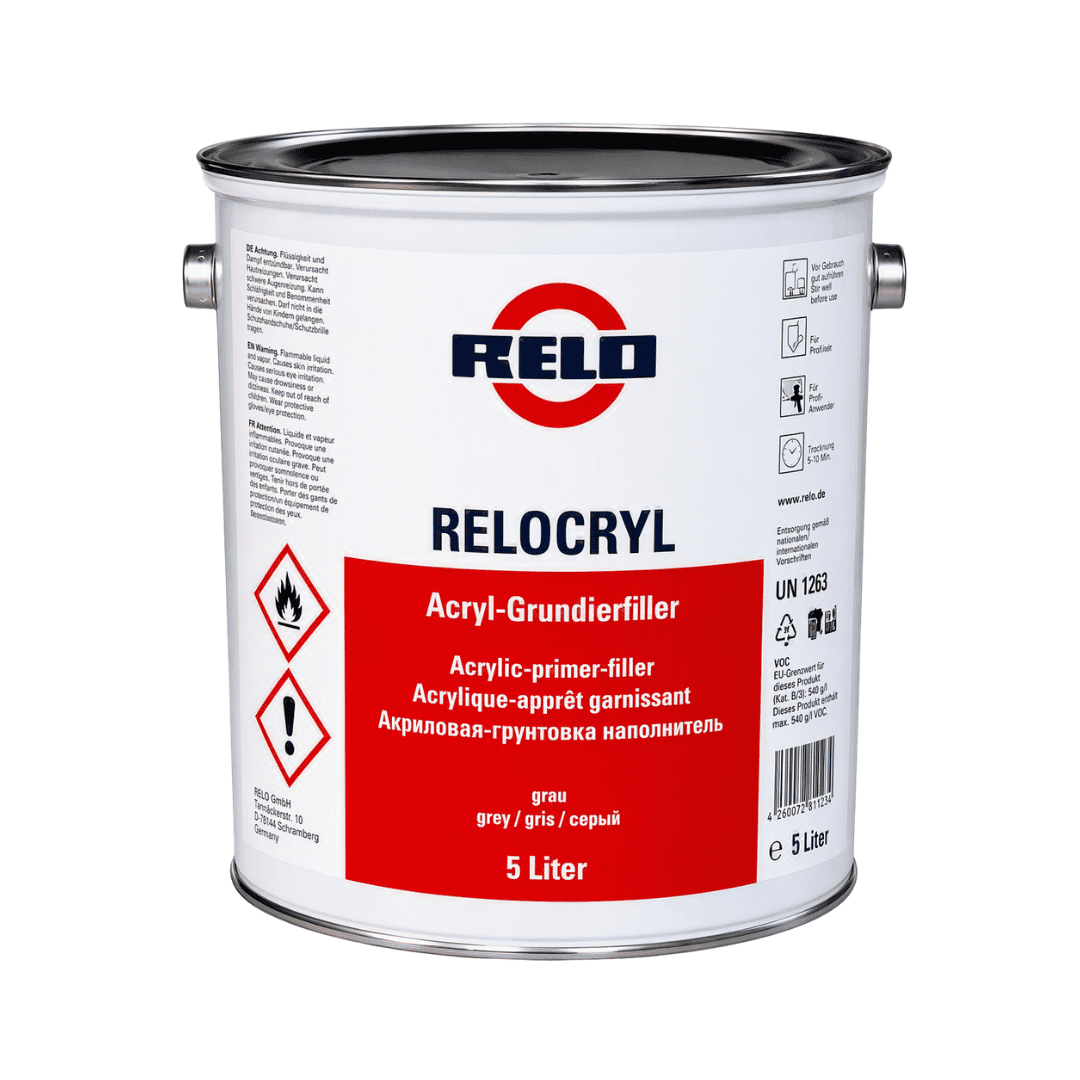
    RELO Primer Filler Kit (Fast) (6L Bundle)
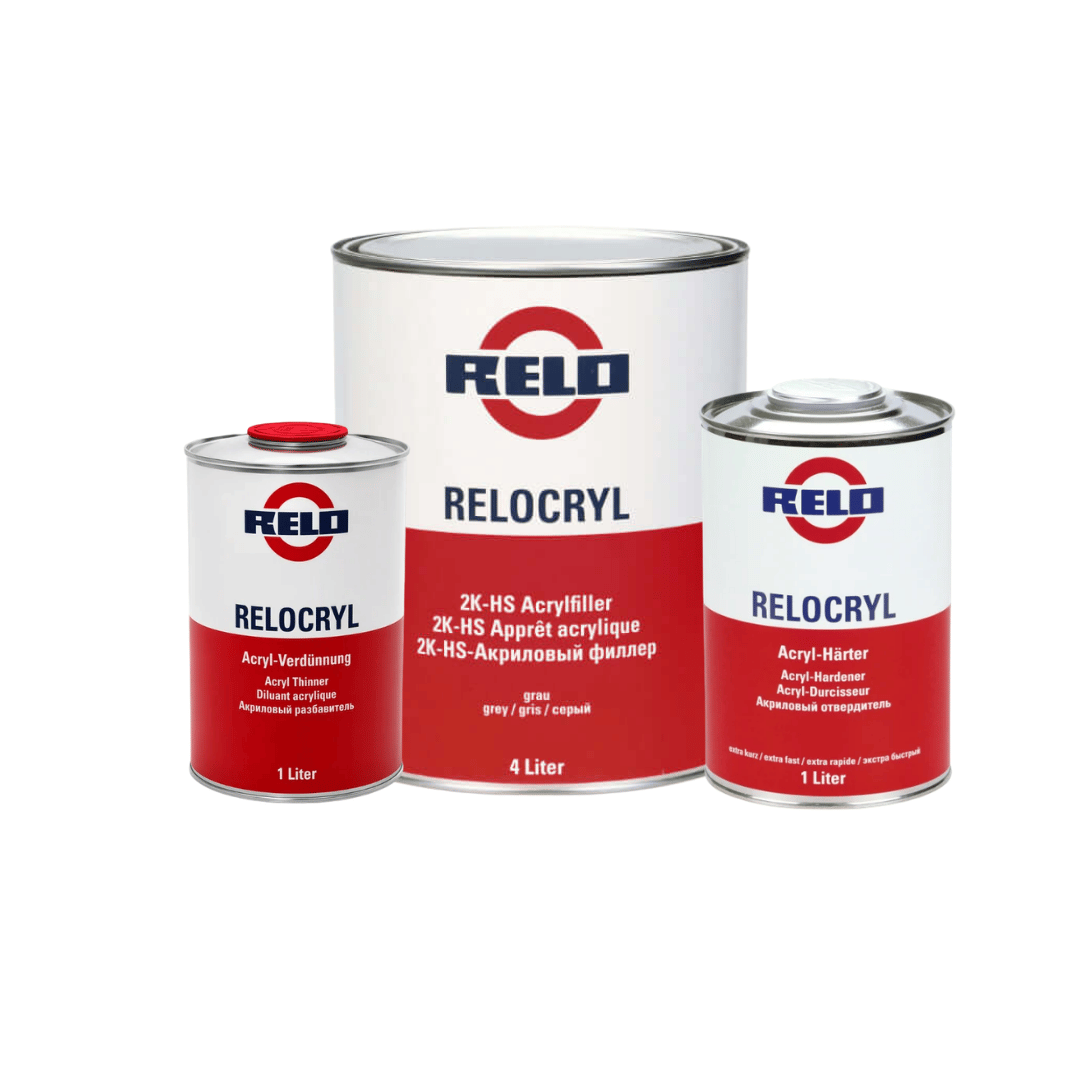
    RELO 4+1 Acrylfiller Kit (Extra Fast) (6L Bundle)
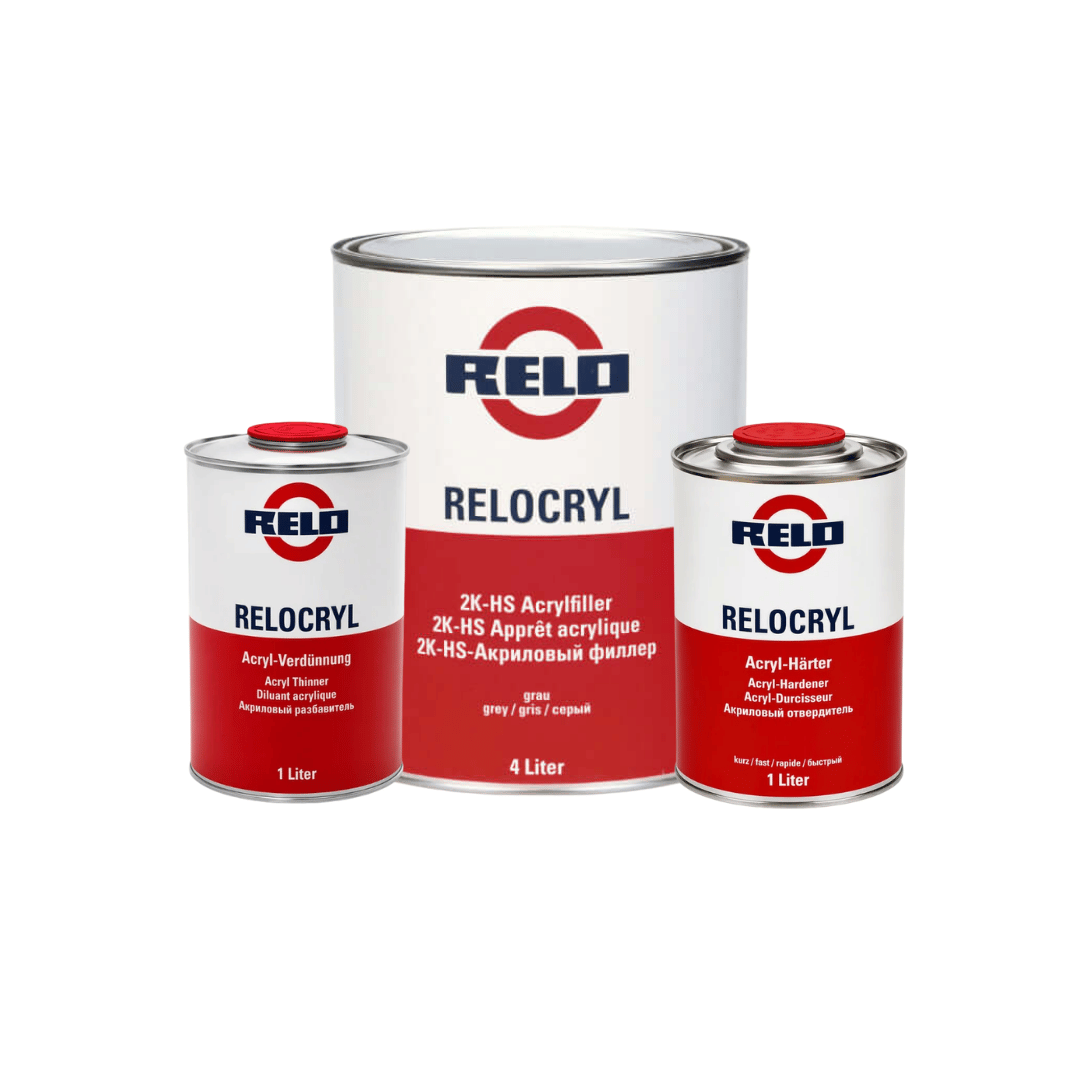
    RELO 4+1 Acrylfiller Kit (Fast) (6L Bundle)
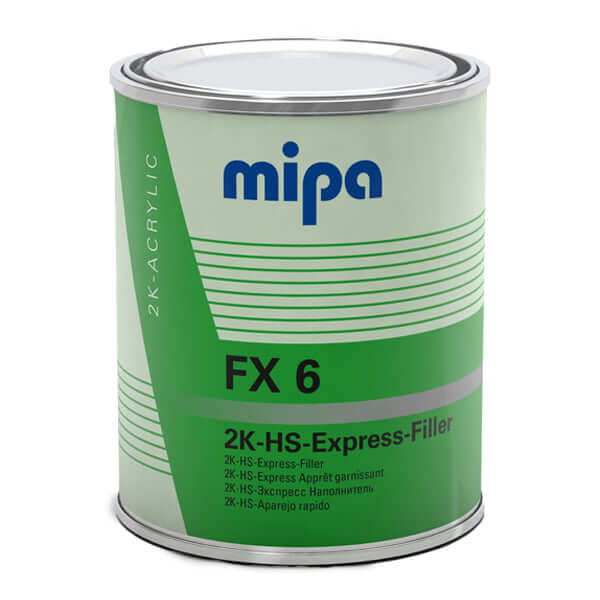
    Mipa 2K HS Express Filler FX 6 canister showcasing high-performance primer surfacer for efficient refinishing.
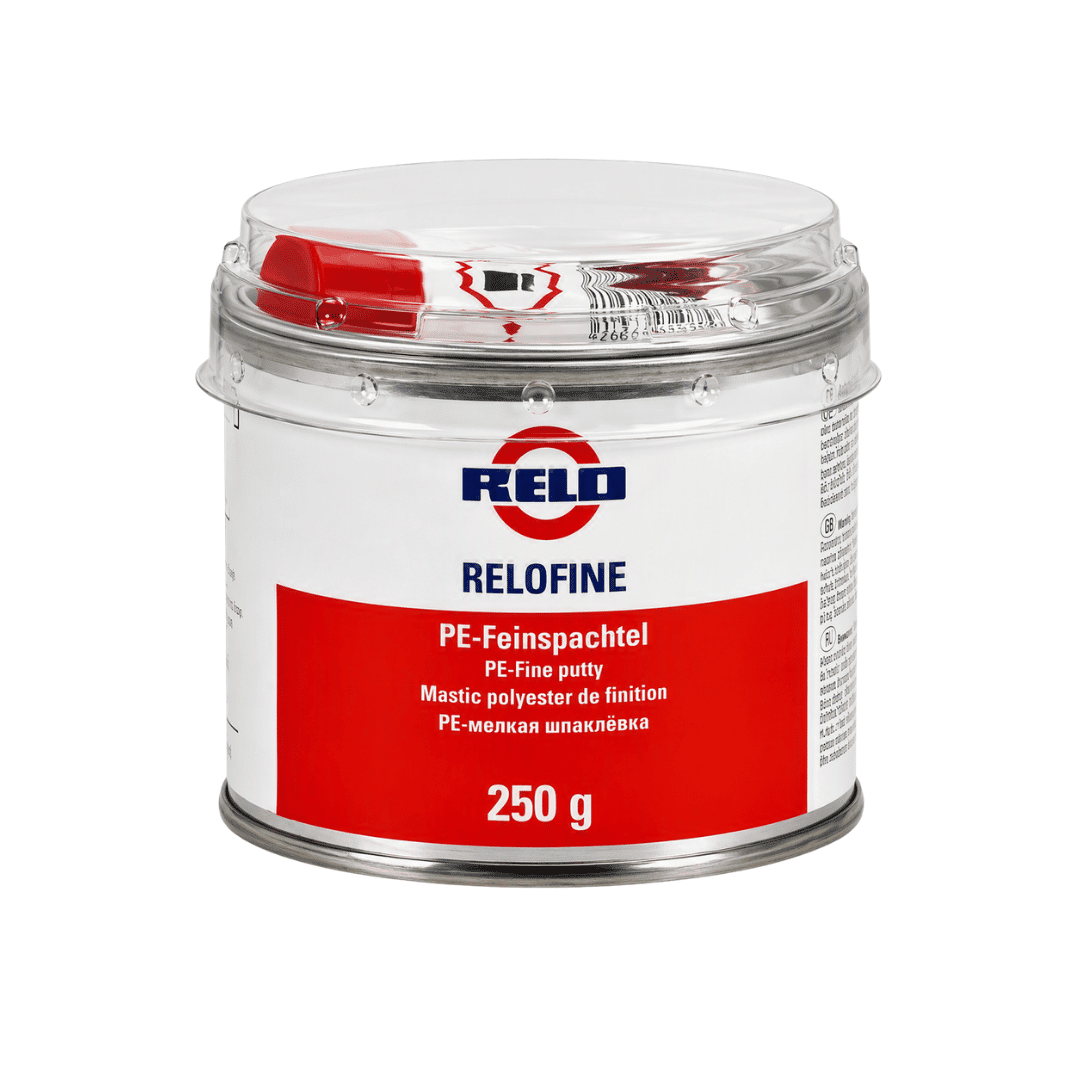
    On saleRelo PE Fine Putty (250g) Including Hardener
    Relo

    Relo PE Fine Putty (250g) Including Hardener
    Sale priceFrom £2.49 Regular price£4.24
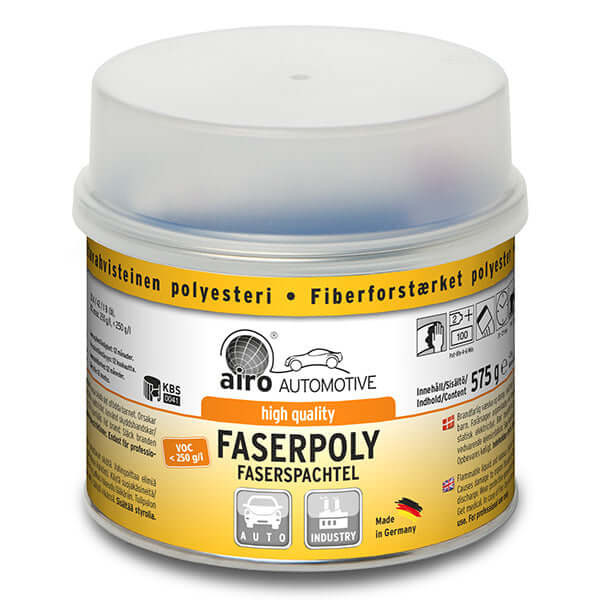
    Save 52%Airo-Chemie Polyester Resin (Faserpoly) Including Hardener
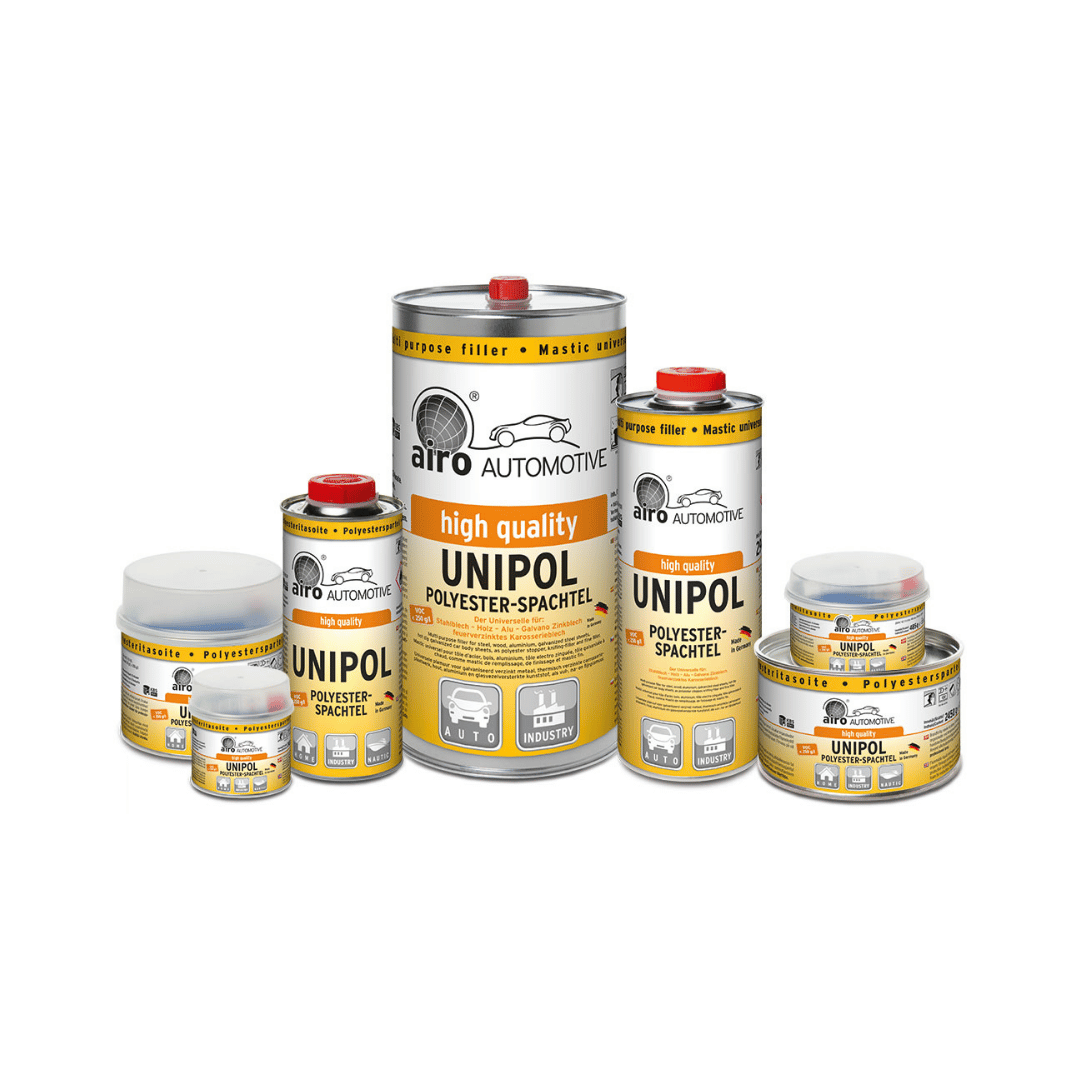
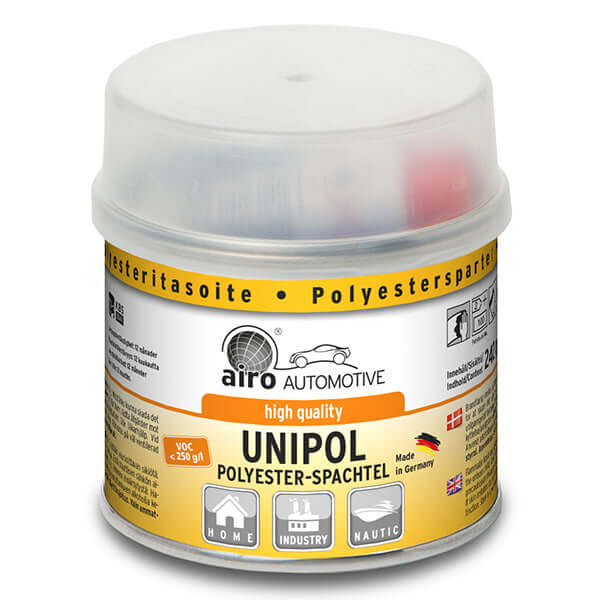
    On saleAiro-Chemie Unipol Polyester Filler Including Hardener (Beige)
    7 Sizes Available

    Car Fillers & Auto Body Fillers Frequently Asked Questions

    Can body filler be applied over paint?

    For a permanent and professional repair, the answer is no. Body filler must be applied directly to a properly prepared bare metal surface. Paint provides a weak, unstable foundation that will prevent the filler from bonding securely to the steel or aluminium underneath. Applying filler over paint will almost certainly lead to future peeling, bubbling, or cracking as the paint itself lifts away from the metal.

    The correct procedure is to always sand the area down to clean, bare metal. We recommend using 80-grit sandpaper to remove all paint and create a coarse, scratched surface that gives the filler a strong mechanical grip for maximum adhesion and a truly durable, long-lasting repair.

    Can body filler be applied over primer?

    Body filler should not be applied over primer. The correct and essential order of operations for a lasting repair is Metal > Body Filler > Primer > Paint.

    Think of it this way: the filler’s job is to shape the repair on the bare metal, while the primer’s job is to seal the porous filler and the surrounding metal, creating a perfect, non-absorbent surface for the topcoat of paint to adhere to. Applying filler on top of primer reverses this process, creating a weak foundation. For tiny pinholes or minor scratches in the primer itself, a very thin layer of glazing putty is the correct product, but for all standard shaping and dent repair, the filler must go on the bare metal first.

    How do I prevent pinholes when applying car filler?

    Pinholes are usually caused by trapped air or overworking the material. To minimise this, mix your filler thoroughly but carefully to avoid whipping air into the paste. When applying the product, use firm pressure with your spreader to ensure it is pressed fully into the surface. If you do encounter minor pinholes, a thin layer of finishing auto putty filler will easily bridge these imperfections before you apply your primer.

    Recently viewed