Skip to content
  • Cart

    Your cart is empty

    Car Body Fillers

    Sort by

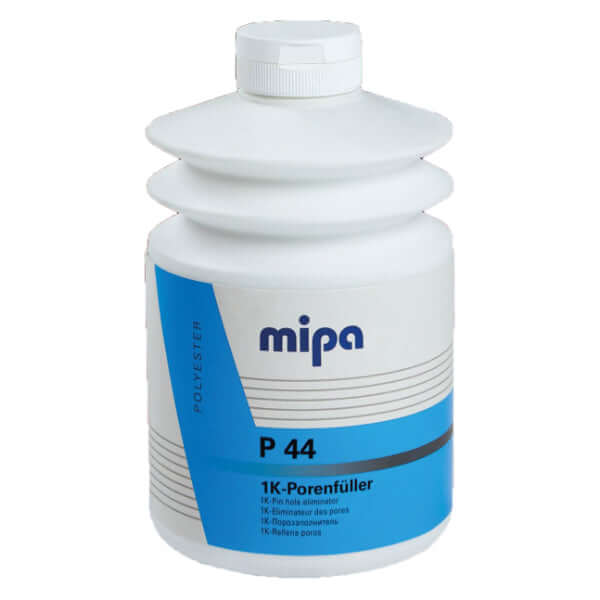
    Mipa P44 1K High-Performance Multipurpose Pore Filler 850ml in a white container for automotive refinishing.
    On saleRelo Fine Stopper 250g - premium polyester putty in a 250g container for smooth surface preparation.
    Relo

    Relo Fine Stopper (250g) Including Hardener

    Sale priceFrom £2.99 Regular price£4.24
    Save 38%Airo-Chemie Nautic Ultra Light Epoxy Filler Light Grey 1.8kg canisters stacked, showing A and B components.
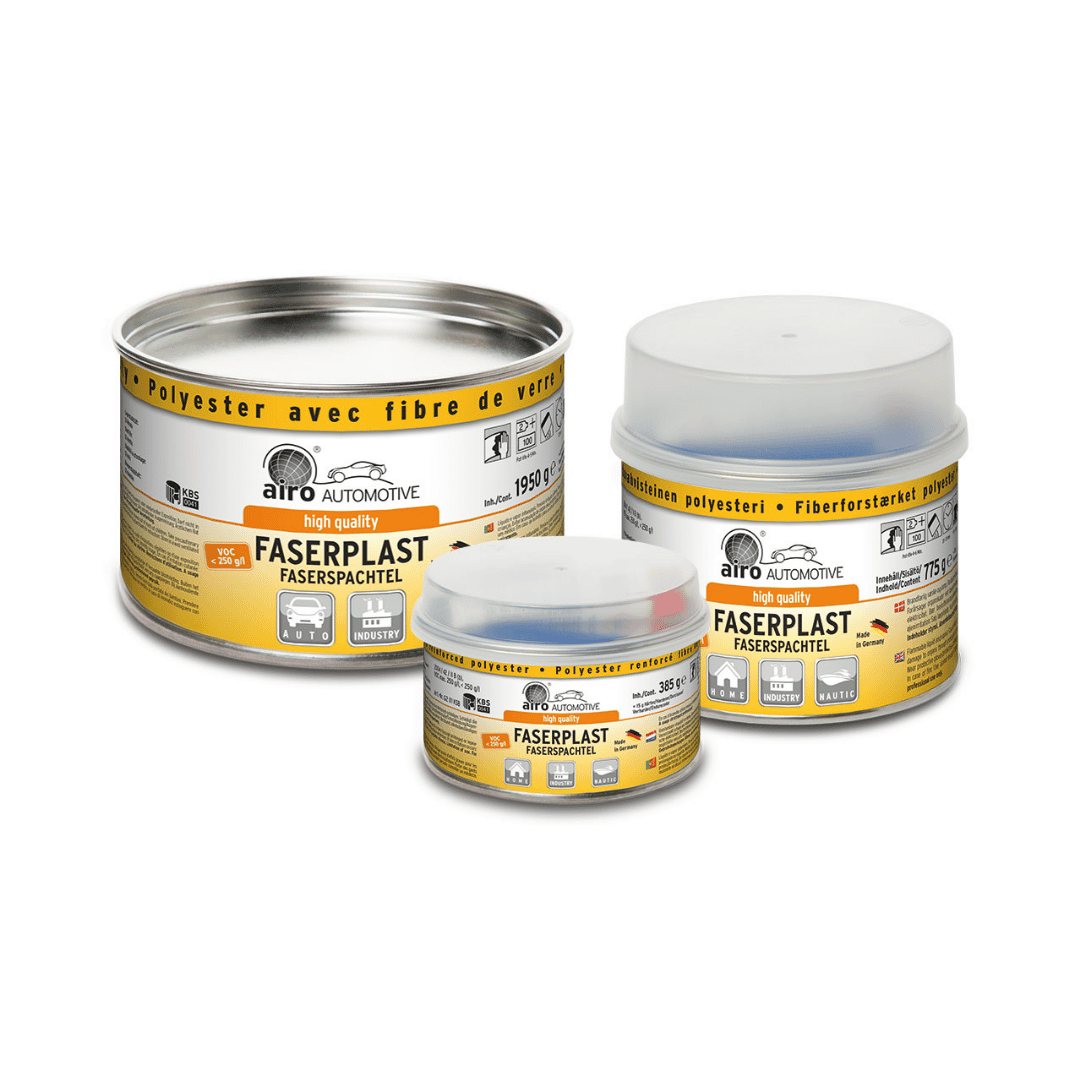
    Save 42%Airo-Chemie Polyester Resin (Faserpoly)
    Airo-Chemie

    Airo-Chemie Polyester Resin (Faserpoly)

    Sale priceFrom £8.99 Regular price£15.59
    On saleAiro-Chemie Unipol Polyester Filler (Beige)
    Mipa P13 PE Light Filler with Hardener 1L - Premium automotive body filler canister.
    N30 Nitrocombi-Stopper Finishing Putty 0.9 Kg tube packaging with grey-green formula for automotive refinishing.
    A40 Stopper single 0.25 Kg - Smooth Acrylic Filler Putty for automotive repairs.
    Save 40%Airo-Chemie FIX Polyester Resin
    Airo-Chemie

    Airo-Chemie FIX Polyester Resin

    Sale priceFrom £4.99 Regular price£8.29

    Car Body Fillers Frequently Asked Questions

    Can body filler be applied over paint?

    For a permanent and professional repair, the answer is no. Body filler must be applied directly to a properly prepared bare metal surface. Paint provides a weak, unstable foundation that will prevent the filler from bonding securely to the steel or aluminium underneath. Applying filler over paint will almost certainly lead to future peeling, bubbling, or cracking as the paint itself lifts away from the metal.

    The correct procedure is to always sand the area down to clean, bare metal. We recommend using 80-grit sandpaper to remove all paint and create a coarse, scratched surface that gives the filler a strong mechanical grip for maximum adhesion and a truly durable, long-lasting repair.

    Can body filler be applied over primer?

    Body filler should not be applied over primer. The correct and essential order of operations for a lasting repair is Metal > Body Filler > Primer > Paint.

    Think of it this way: the filler’s job is to shape the repair on the bare metal, while the primer’s job is to seal the porous filler and the surrounding metal, creating a perfect, non-absorbent surface for the topcoat of paint to adhere to. Applying filler on top of primer reverses this process, creating a weak foundation. For tiny pinholes or minor scratches in the primer itself, a very thin layer of glazing putty is the correct product, but for all standard shaping and dent repair, the filler must go on the bare metal first.

    Can body filler get wet?

    No, body filler should be kept dry at all times. While modern body fillers are water-resistant once fully cured, they are also hygroscopic, meaning they can absorb moisture from the air.

    If cured filler gets wet or absorbs humidity before being sealed, that moisture becomes trapped underneath the primer and paint. When the panel heats up in the sun, this trapped moisture can cause blistering, bubbles, and eventual paint failure from the inside out. For this reason, you must:

    • Ensure the filler is fully cured before sanding.
    • Always seal your sanded body filler with a quality automotive primer as soon as possible. The primer creates the essential waterproof barrier that protects your repair work.

    Recently viewed