Skip to content
  • Cart

    Your cart is empty

    Model Primer

    Never underestimate the power of a good base. Before you lay down your primary colours, applying a high-quality model primer is the most critical step in the painting process. It provides a "tooth" for your paint to grip, ensuring that your hard work doesn't chip or flake over time.

    Sort by

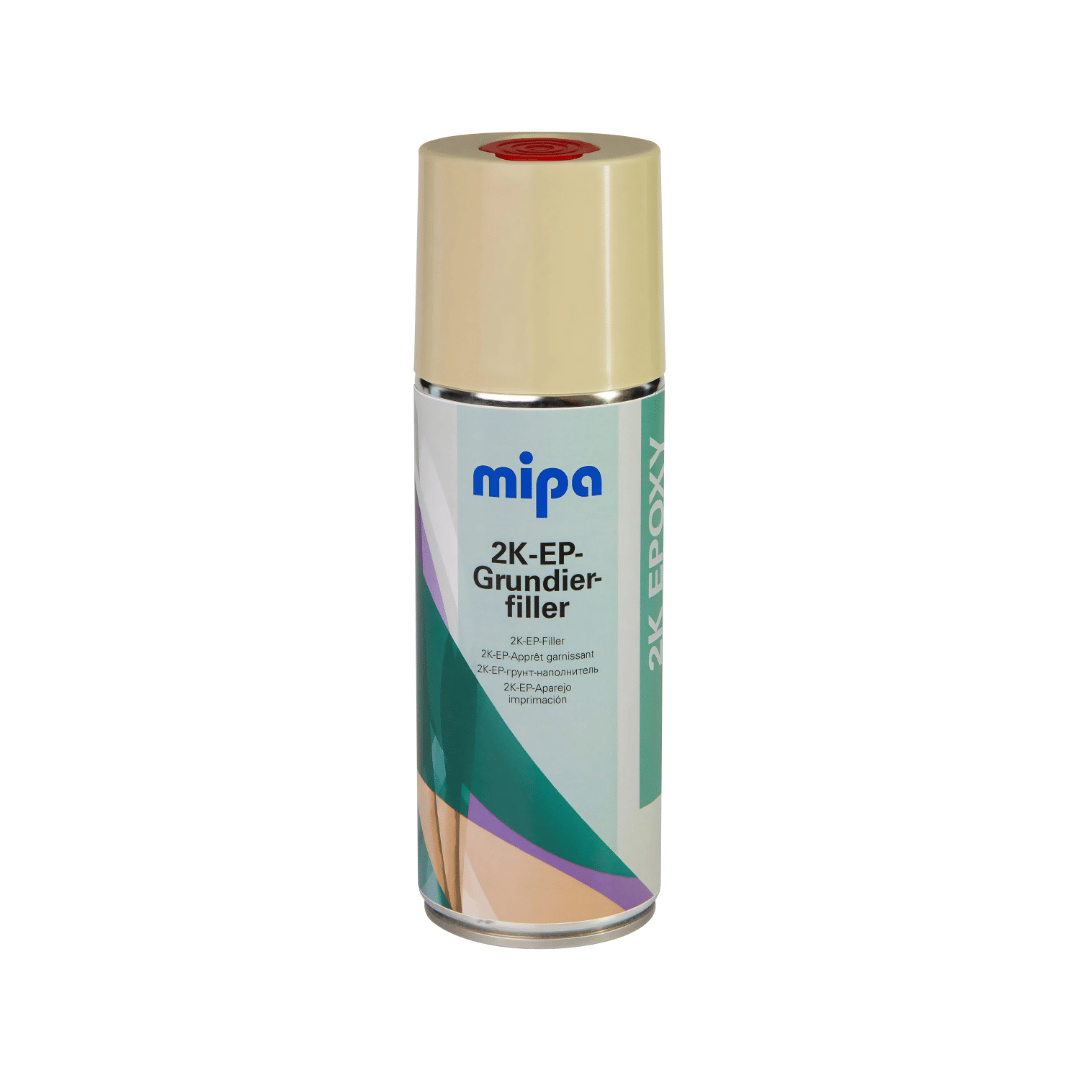
    On saleMipa 2K Epoxy Primer Filler Aerosol Spray Including Hardener (400ml)
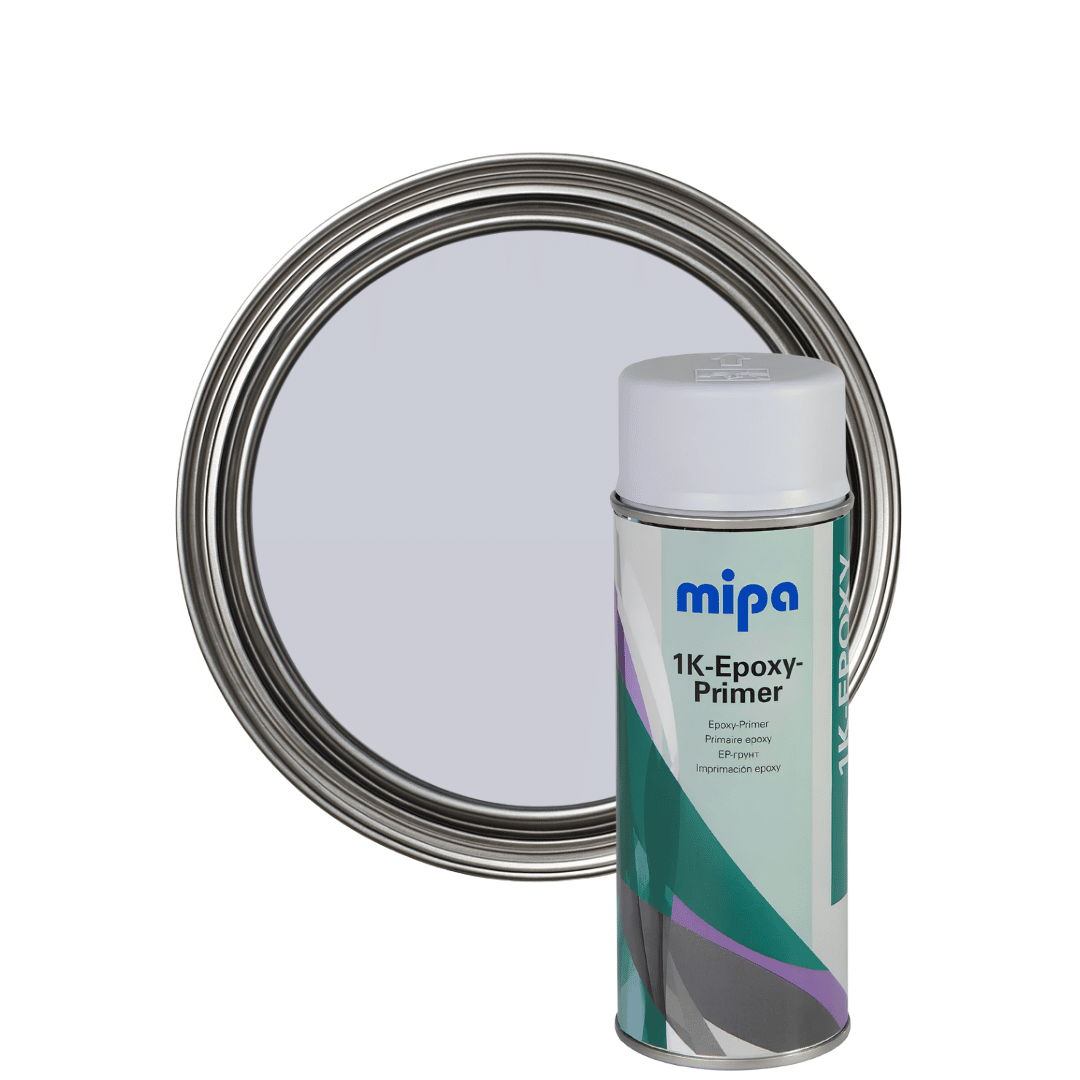
    On saleMipa 1K Epoxy Primer Spray (400ML)
    4 Colours Available
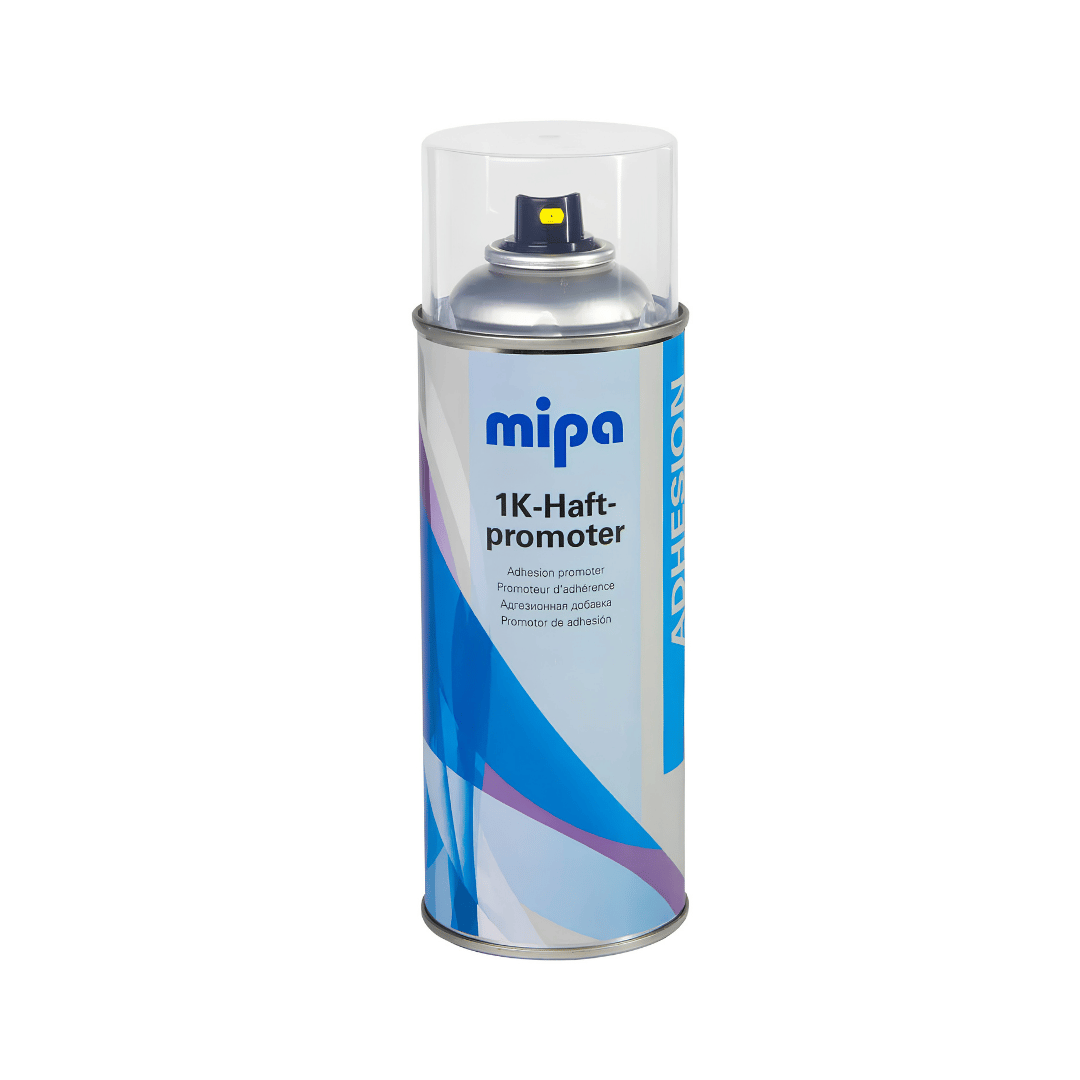
    On saleMipa 1K Adhesion Promoter Spray (400ML)
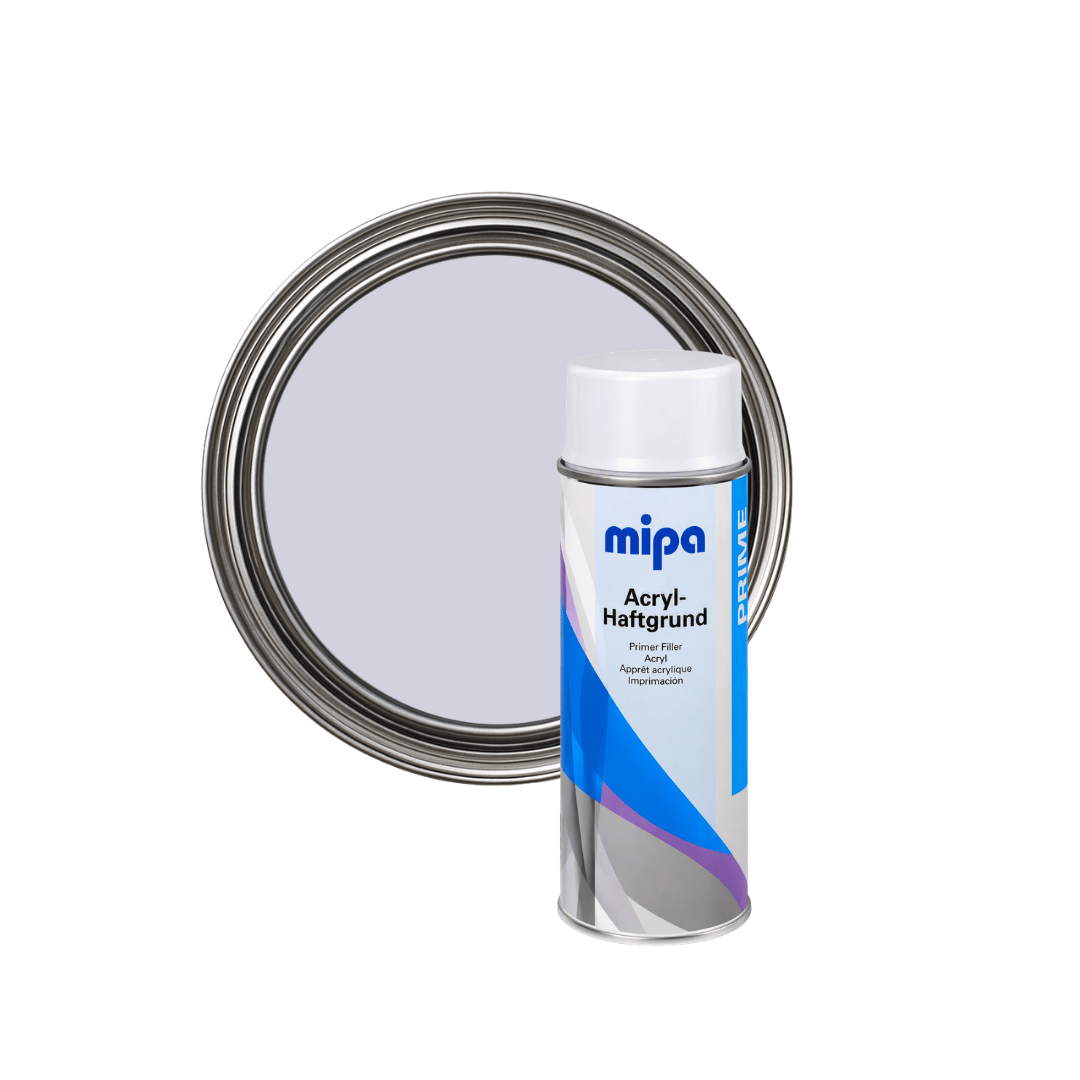
    On saleMipa High Build Primer Filler (400ML)
    2 Colours Available
    On saleMipa Quick Primer Spray (500ML) can with primer surface and metallic lid for automotive repairs.
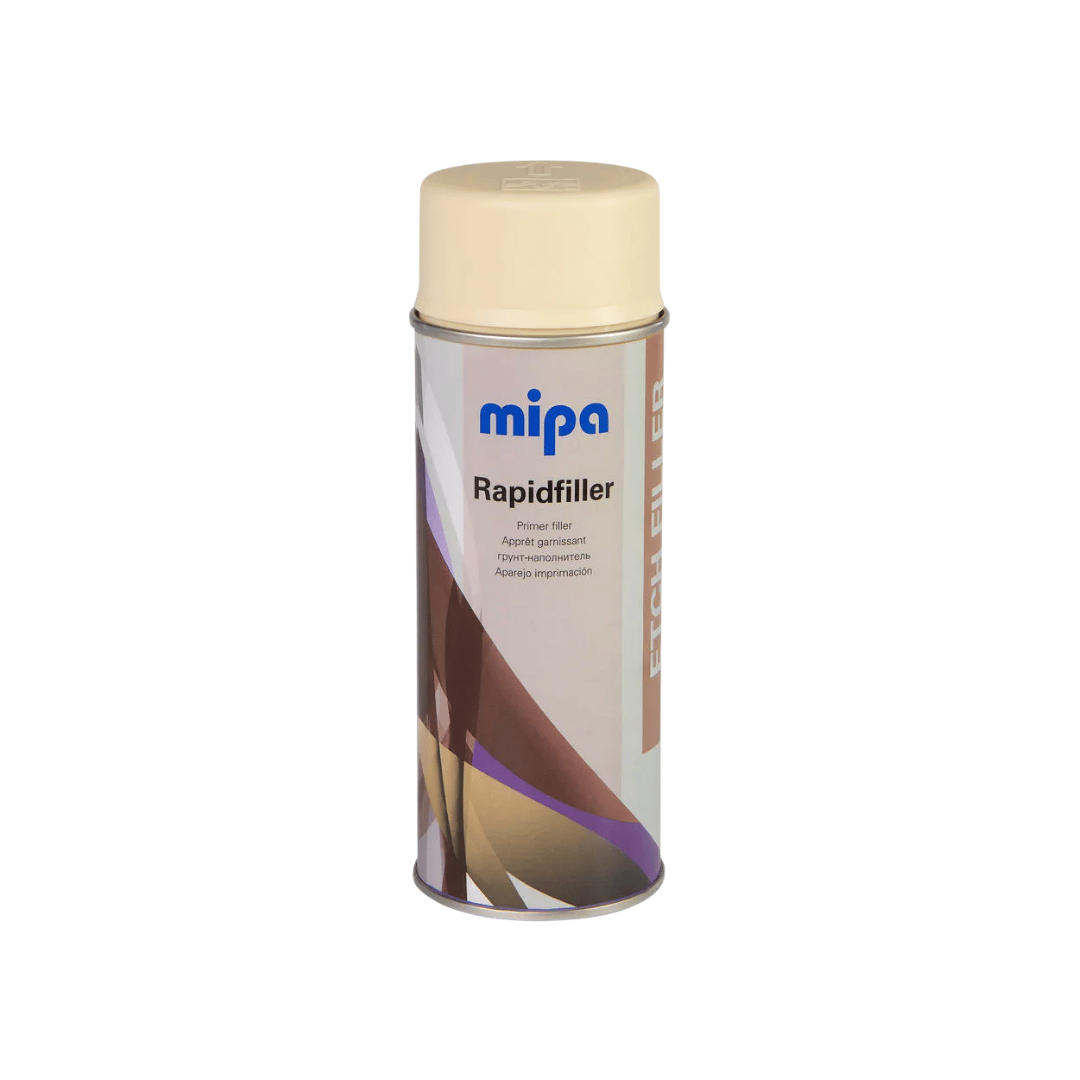
    On saleMipa Rapid Filler Primer Spray (Etch Filler) (400ML)
    4 Colours Available
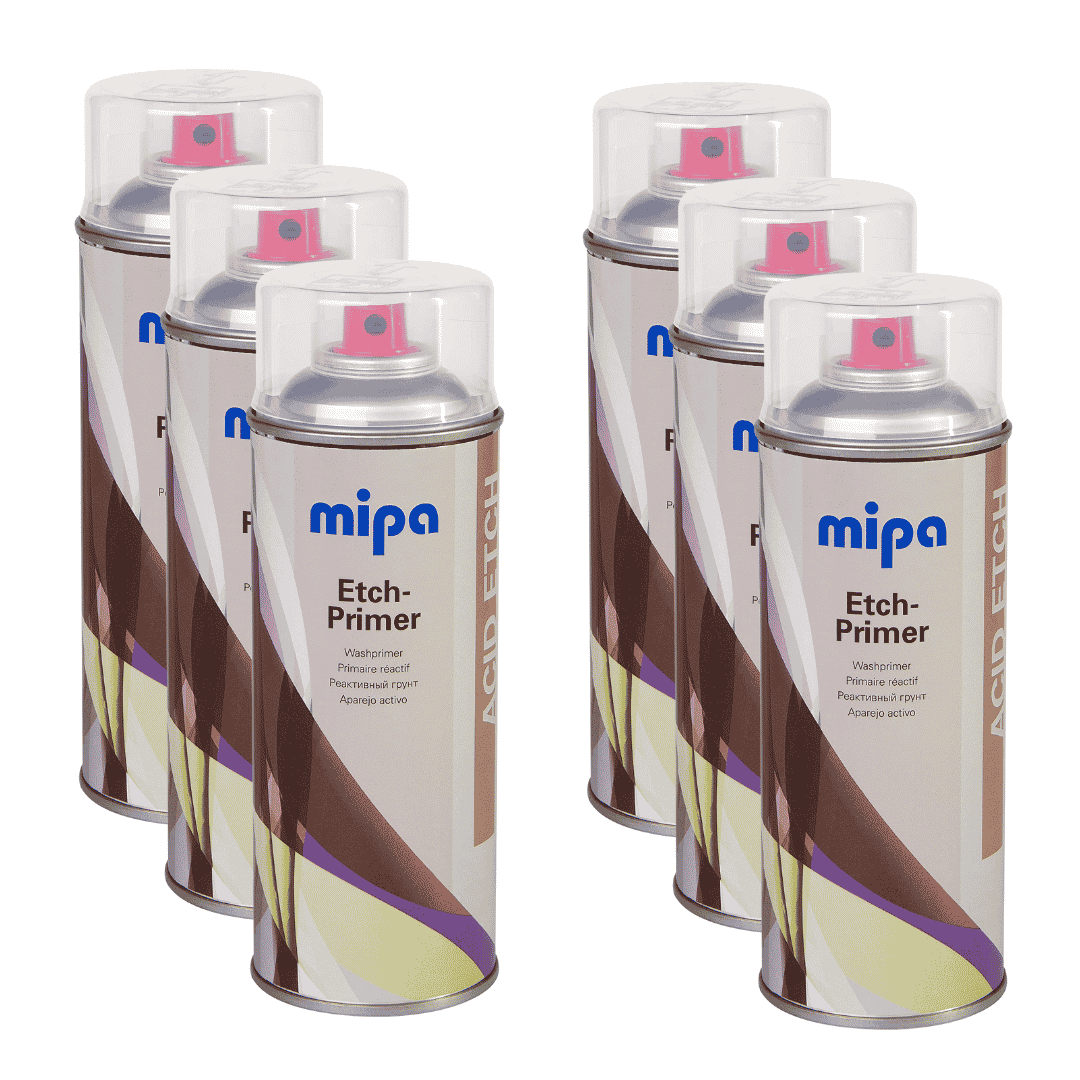
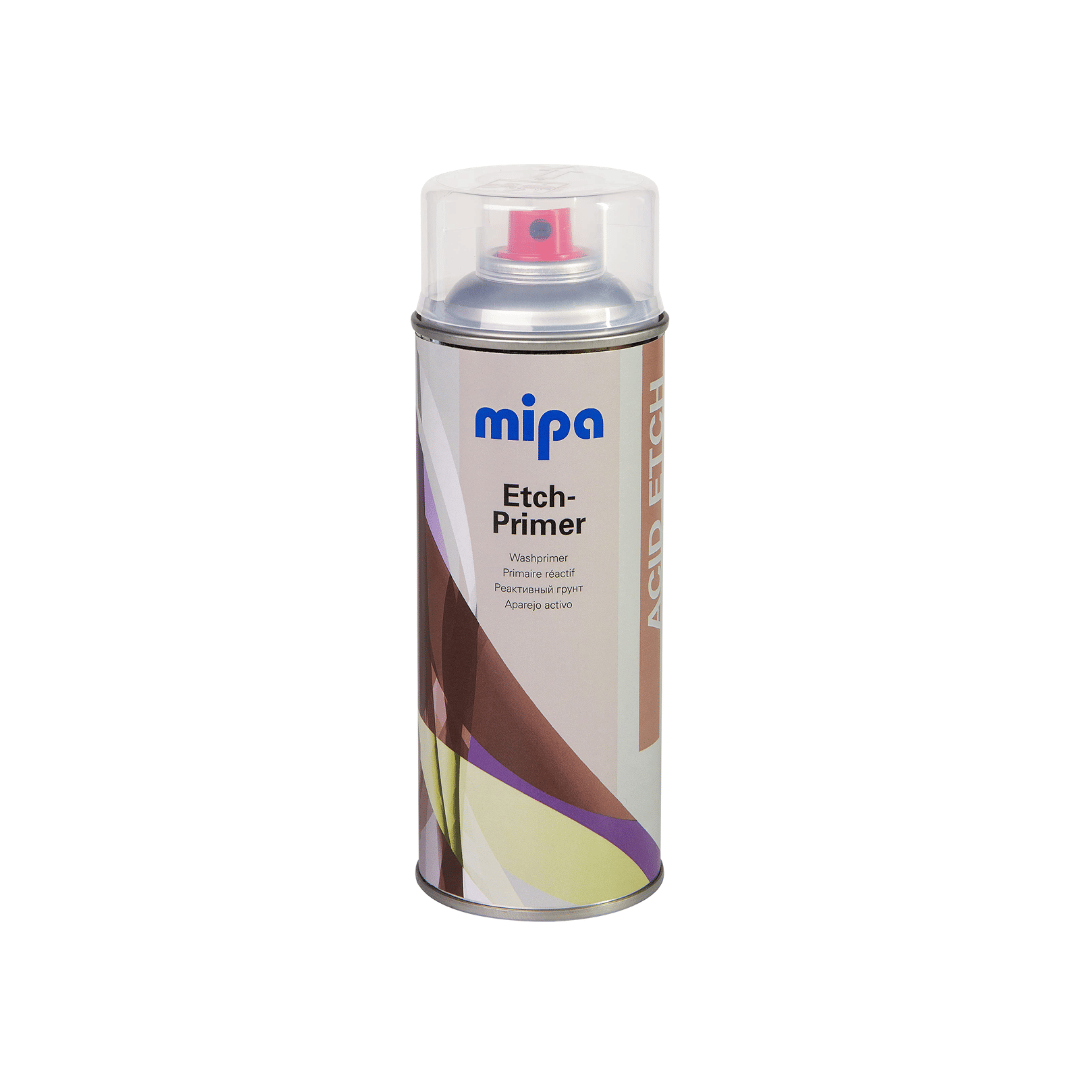
    On saleMipa Etch Primer Spray (Acid Etch) (400ML)
    On saleMonofil Smart+ Spray Primer (500ml) can in red, fast-drying acrylic aerosol primer for automotive work.
    3 Colours Available
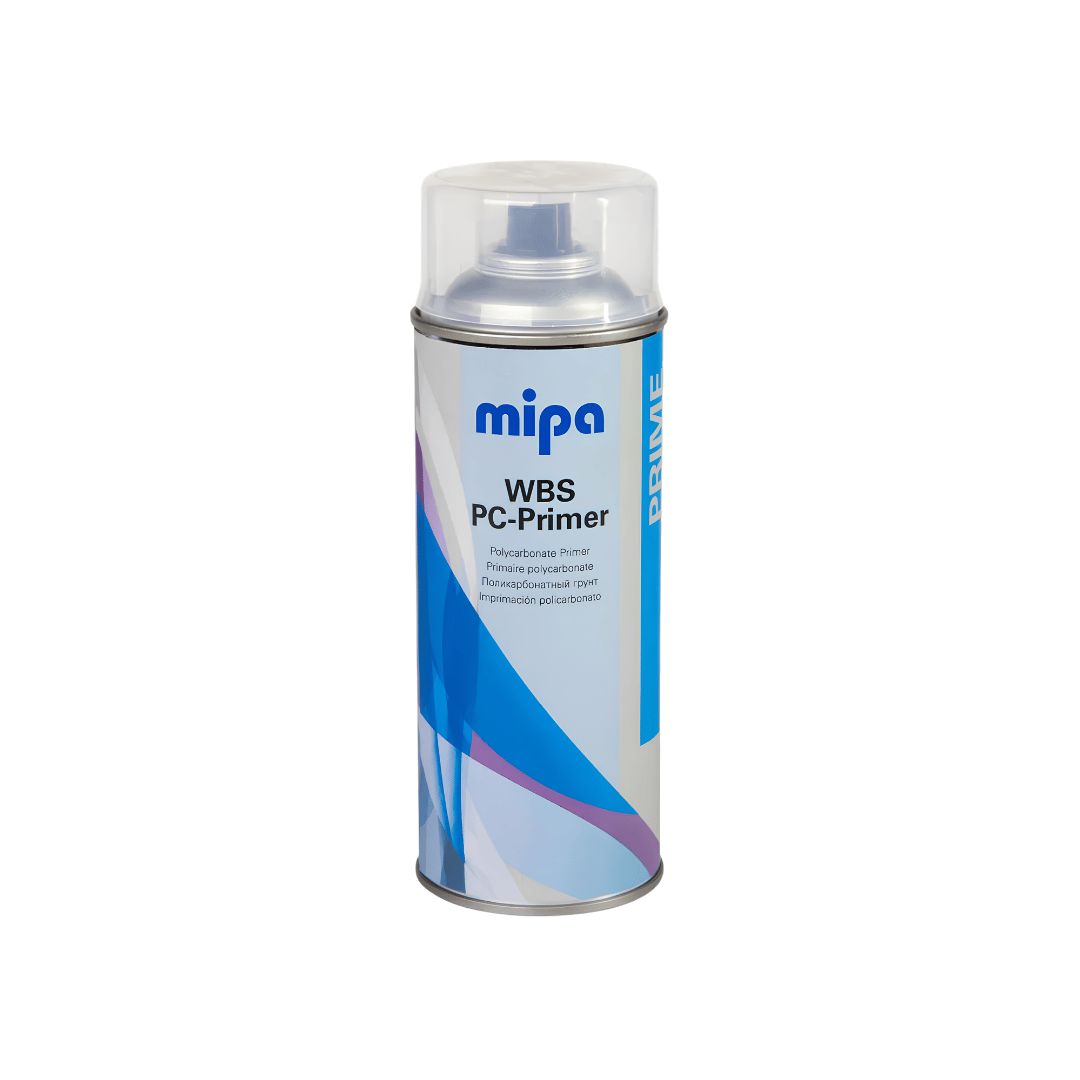
    On saleMipa WBS Polycarbonate Primer Aerosol (400ml)
    On saleMipa Weld-Primer Spray (400 ml) can with reflective background, designed for high-adhesion welding applications.
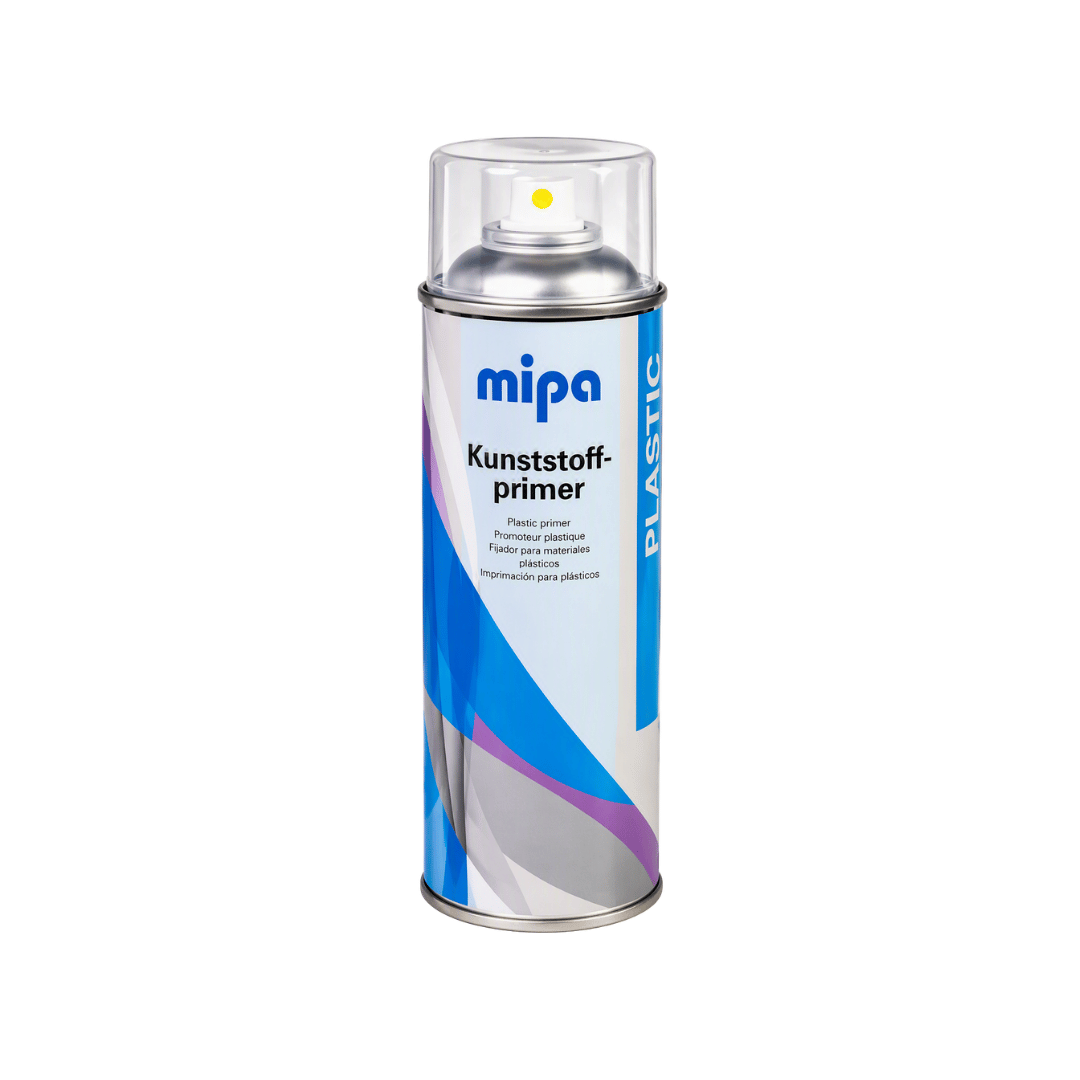
    On saleMipa Plastic Primer Aerosol (400ml)
    On saleMipa Quick Primer Spray (500ML) next to a circular paint can on a white background.
    3 Colours Available
    On saleMonofil Vario+ Zinc Alu (500ML) spray can for corrosion protection and metal repair.
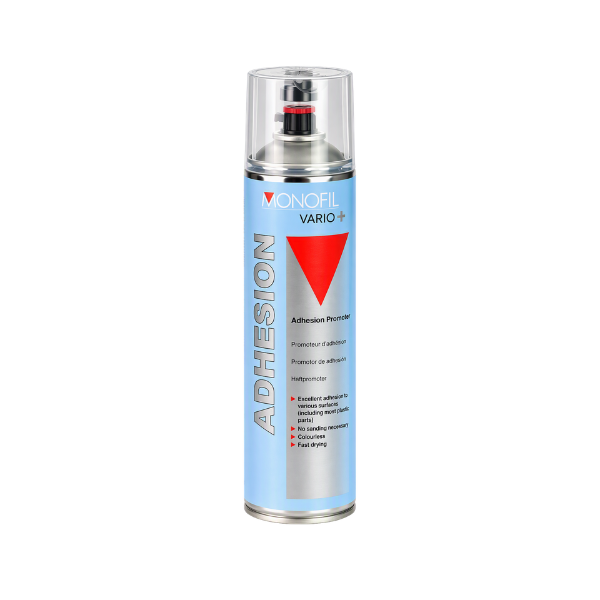
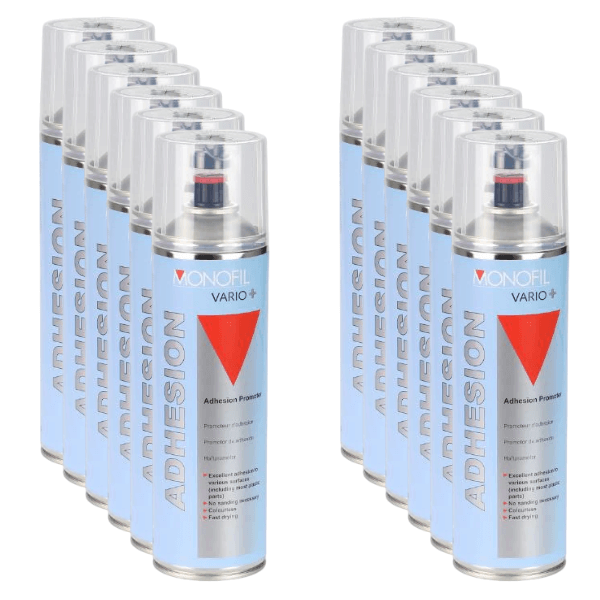
    On saleMonofil Vario+ Adhesion (500ml)
    On saleMipa Rapid Primer Spray (400ML) alongside a black circular surface, showcasing high-quality corrosion protection.
    3 Colours Available
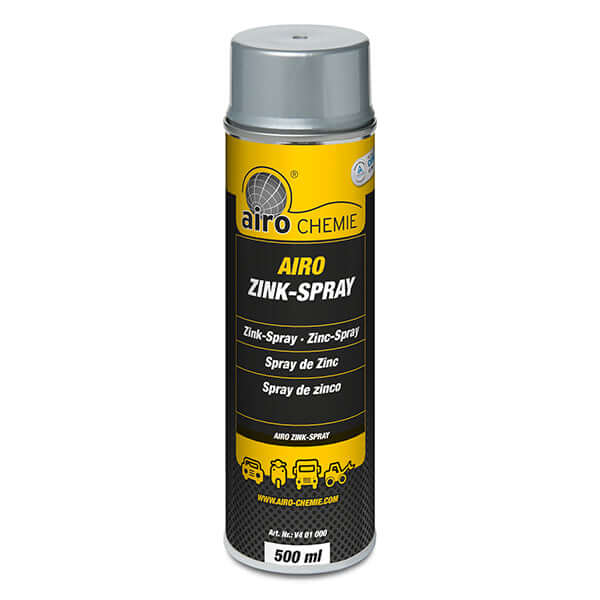
    Airo-Chemie Zinkspray Zinc Dust Primer Aerosol 500ml can, designed for superior corrosion protection and fast-drying.

    Model Primer Frequently Asked Questions

    Why is it necessary to prime a model kit?

    Priming serves two critical functions. First, it creates a surface with the correct tooth or texture, which allows your model paint to grip the plastic or resin securely, preventing it from peeling off during handling. Second, a primer acts as a diagnostic tool. By applying a solid colour base, it becomes much easier to spot seams, scratches, or mould lines that need further filling and sanding before you apply your final colour coats.

    Should I sand the primer after it dries?

    For the most professional results, yes. Even the best primer can have a slight texture or may highlight minor surface flaws that you missed earlier. Sanding the primer with a very fine grit abrasive paper ensures that your surface is perfectly smooth. This stage is crucial if you want to achieve a factory fresh look on your models, as it creates the ideal conditions for a smooth application of your base colours.

    How do I prepare resin models for priming?

    Resin models often have a thin layer of mould release agent on the surface, which is oily and prevents paint from sticking. Before applying any primer, you must thoroughly wash the parts in warm, soapy water and scrub them gently. Once dry, you can apply your primer. Skipping this cleaning step is the most common reason for paint failure on resin kits.

    Recently viewed